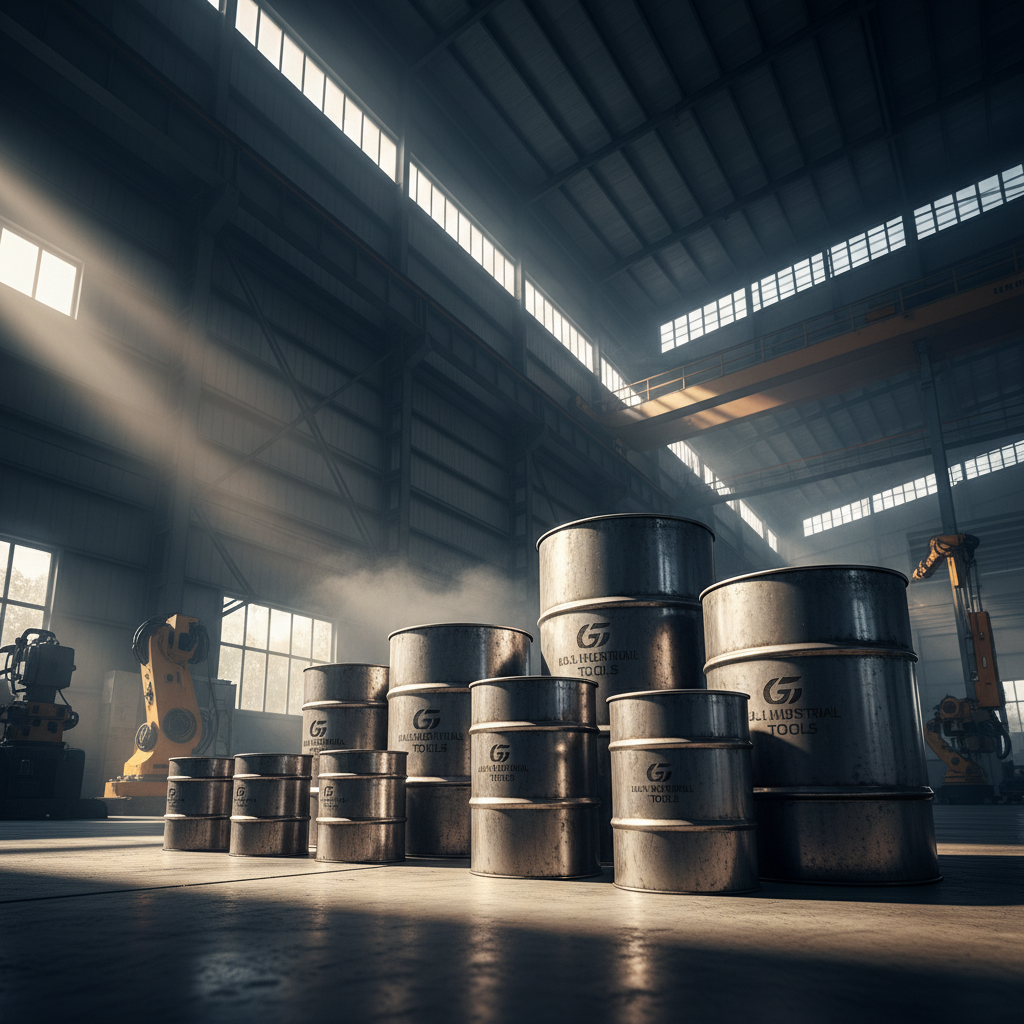
Large metal tin containers play a critical role in a multitude of industries worldwide, from food and beverage packaging to industrial chemical storage and humanitarian aid distribution. Their robust construction and inherent protective qualities make them invaluable for preserving and transporting goods across vast distances and challenging environments. Understanding the nuances of large metal tin production, applications, and future trends is crucial for businesses and organizations seeking reliable, cost-effective, and sustainable packaging solutions.
The global demand for large metal tin is consistently driven by the increasing need for secure and durable packaging. Factors such as the expansion of the processed food sector, rising international trade, and the frequency of disaster relief operations all contribute to this demand. According to data from the World Steel Association, global steel production, the primary component of metal tins, remains high, indicating sustained industrial activity.
However, challenges such as fluctuating raw material costs and the growing emphasis on sustainable packaging necessitate a proactive approach to innovation and responsible sourcing within the large metal tin industry. Embracing eco-friendly manufacturing processes and exploring alternative materials are becoming increasingly important for long-term viability.
The Significance of Large Metal Tin
The versatility of large metal tin containers contributes significantly to their widespread adoption. They serve as more than just vessels; they are protective barriers safeguarding contents from external factors like moisture, light, and physical damage. This is critical across diverse sectors, from the safe transport of delicate goods to the long-term storage of essential supplies.
The enduring relevance of large metal tin stems from a combination of practical advantages and continued innovation in manufacturing and material science. While plastic and cardboard packaging options exist, the superior durability and recyclability of metal often make it the preferred choice for applications requiring high levels of protection and sustainability.
Defining Large Metal Tin
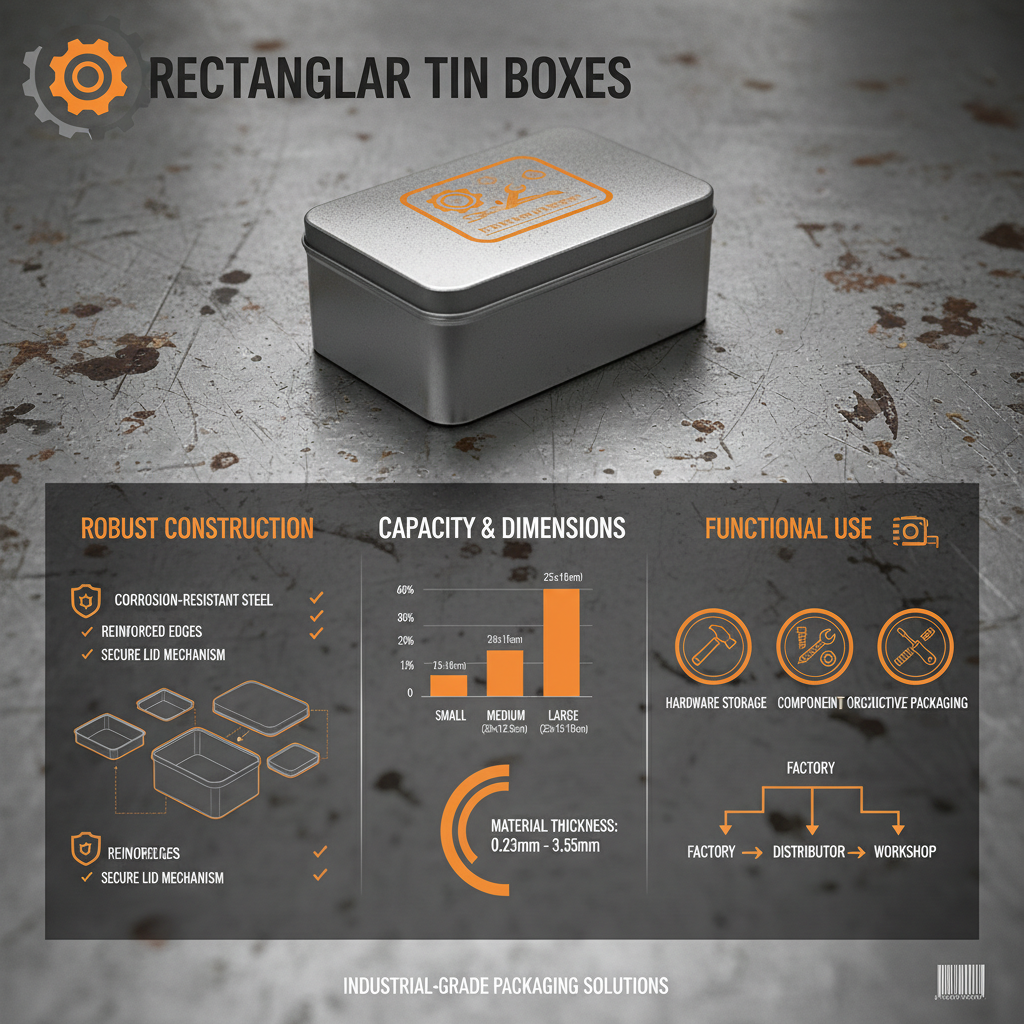
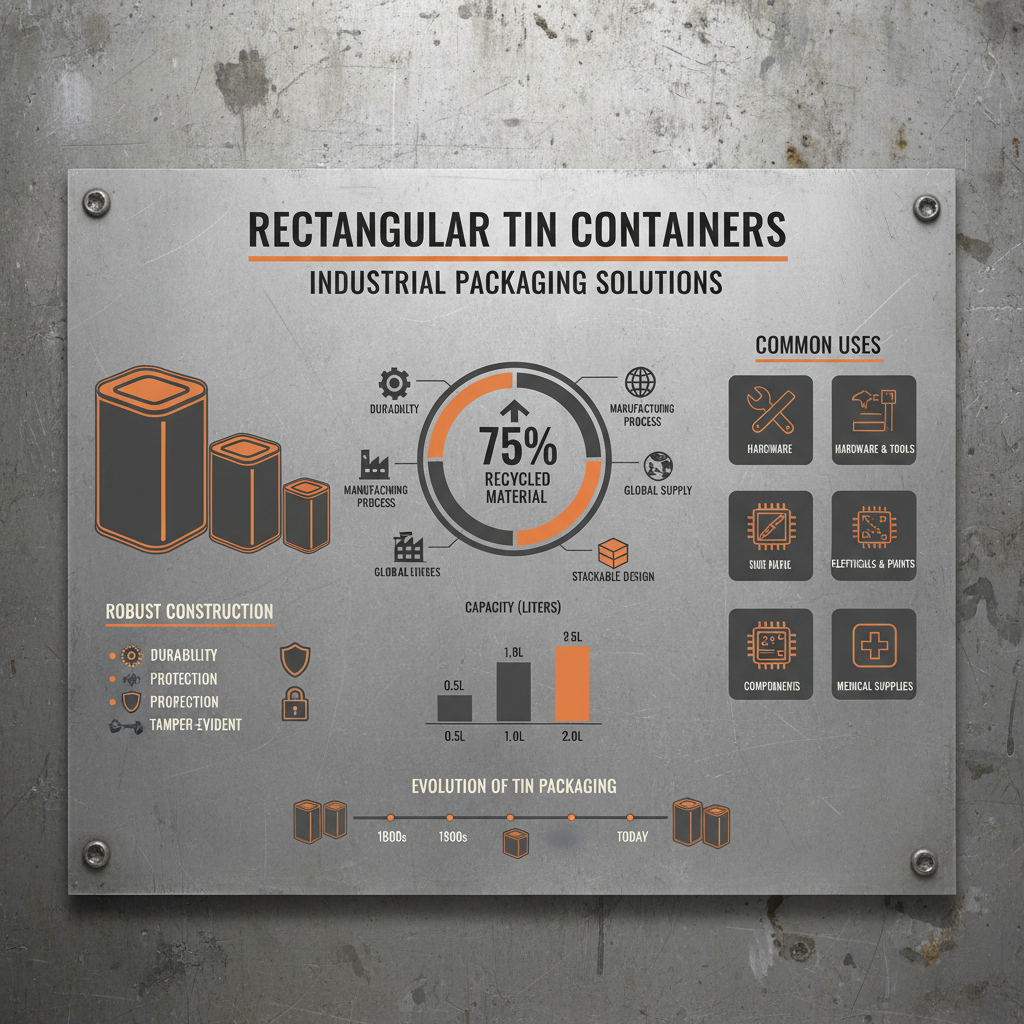
A large metal tin is generally defined as a container constructed from metal – typically steel or aluminum – with a volume exceeding several liters. While the precise definition of "large" varies depending on industry standards and application, these containers are distinguished by their ability to hold substantial quantities of materials. Their construction commonly involves cylindrical or rectangular shapes, often with secure lids or closures.
The connection to modern industry is undeniable. Large metal tin are essential for bulk packaging of products in sectors like paints, coatings, chemicals, food processing, and pharmaceuticals. In humanitarian contexts, they're invaluable for storing and transporting vital resources such as food, medical supplies, and emergency aid.
Their inherent strength and sealability also make them suitable for long-term storage, contributing to reduced spoilage and waste – a crucial aspect in maintaining supply chain integrity and promoting global food security.
Core Properties of Large Metal Tin
One of the defining characteristics of large metal tin is their exceptional durability. Metal’s inherent strength resists crushing, puncturing, and other forms of physical damage, ensuring product integrity throughout handling and transit. This resilience is particularly important for storing and shipping sensitive or fragile materials.
Beyond physical strength, large metal tin offer excellent barrier properties. Metal is impermeable to light, moisture, and oxygen, protecting the contents from degradation and extending shelf life. This is critical for preserving the quality of food, chemicals, and other perishable goods. Properly coated metal tins can even protect against corrosive substances.
Furthermore, metal tins are fully recyclable, making them a sustainable packaging option. Recycling metal requires significantly less energy than producing it from raw materials, reducing environmental impact and conserving natural resources. This aligns with growing consumer and corporate demand for eco-friendly packaging solutions.
Key Characteristics Influencing large metal tin Use
Scalability is a key advantage of using large metal tin. Manufacturing processes can readily adapt to different production volumes, making them suitable for both small-batch and large-scale applications. This flexibility allows businesses to adjust their packaging strategies based on demand and market conditions.
Cost-efficiency is another critical factor. While the initial cost of metal may be higher than some alternative materials, the long-term benefits of durability, recyclability, and reduced product loss often outweigh the upfront investment. Moreover, standardized metal tin sizes and designs can streamline production and reduce costs.
Cost Analysis of large metal tin Production Methods
Global Applications of large metal tin
In the food and beverage industry, large metal tin are extensively used for packaging canned goods, oils, and sauces. Their ability to preserve freshness and prevent contamination makes them ideal for these applications. For example, large tins of tomato paste are commonly used in commercial kitchens and food processing facilities.
The chemical industry relies heavily on large metal tin for storing and transporting hazardous materials, such as paints, solvents, and industrial cleaners. The robust construction and airtight seals ensure safe containment and prevent leaks during transit. In remote industrial zones, reliable packaging is paramount.
The Lasting Value of large metal tin
The tangible benefits of using large metal tin extend beyond simply containing products. Their durability translates to reduced product damage during shipping and handling, minimizing waste and maximizing profitability for businesses. The long-term cost savings from reduced breakage and spoilage are substantial.
Sustainability is increasingly becoming a key driver of purchasing decisions. Metal’s high recyclability aligns with this trend, allowing companies to demonstrate their commitment to environmental responsibility and attract environmentally conscious consumers. The ability to contribute to a circular economy enhances brand reputation and builds customer loyalty.
From a societal perspective, the safety and reliability of metal tins are crucial, especially in emergency situations. Providing safe and secure packaging for essential goods contributes to community resilience and promotes public well-being.
Future Trends in large metal tin Technology
Ongoing research and development are focused on enhancing the sustainability of large metal tin production. This includes exploring bio-based coatings to replace traditional plastic linings and developing more energy-efficient manufacturing processes. These innovations aim to further reduce the environmental footprint of metal packaging.
Digital transformation is also playing a role. Smart packaging solutions incorporating QR codes and RFID tags are being integrated into large metal tin to provide traceability, authentication, and real-time monitoring of product conditions throughout the supply chain.
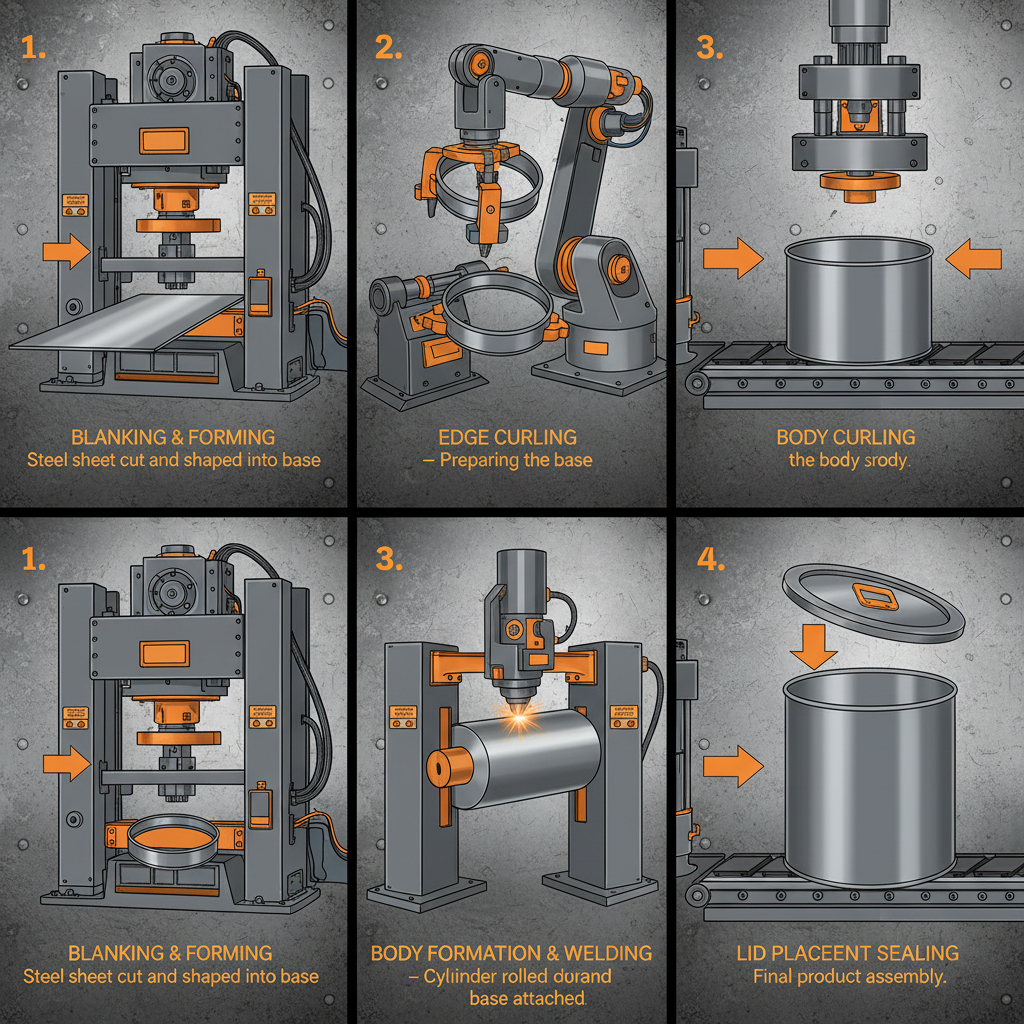
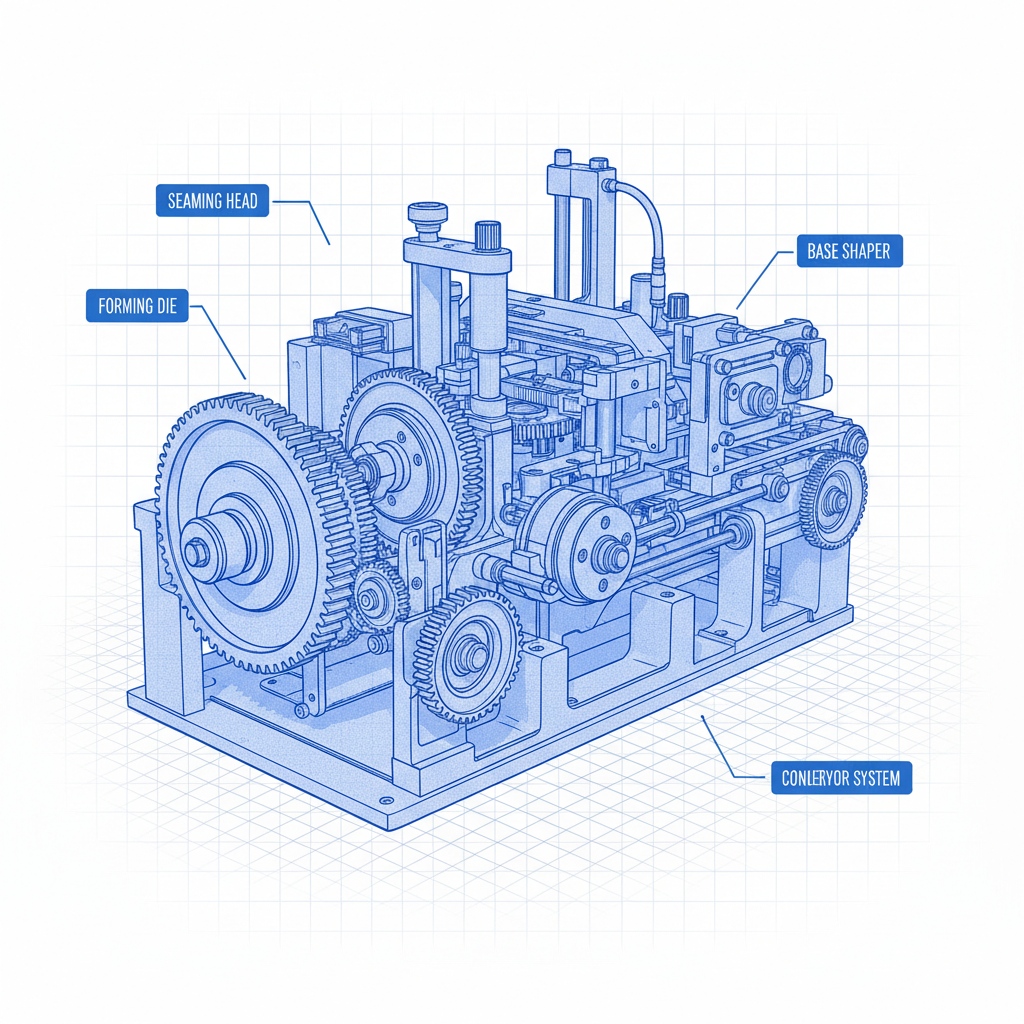
Automation in manufacturing processes is increasing efficiency and reducing production costs. Robotics and advanced control systems are being implemented to streamline operations and improve product quality, further solidifying the position of large metal tin as a viable packaging solution.
Overview of the Core Challenges and Potential Solutions for Large Metal Tin Production
| Challenge Area |
Specific Issue |
Potential Solution |
Implementation Timeline |
| Raw Material Costs |
Fluctuations in steel/aluminum prices |
Diversify sourcing, explore alloy optimization |
Short-term (6-12 months) |
| Environmental Impact |
Energy-intensive production processes |
Invest in renewable energy, improve manufacturing efficiency |
Medium-term (1-3 years) |
| Coating Technology |
Reliance on BPA-based coatings |
Develop and implement bio-based coating alternatives |
Medium-term (2-4 years) |
| Supply Chain Resilience |
Disruptions due to geopolitical events |
Establish diversified supplier network |
Ongoing |
| Recycling Infrastructure |
Limited recycling capacity in some regions |
Invest in expanding recycling facilities |
Long-term (3-5 years) |
| Lightweighting Materials |
Reducing material usage while maintaining strength |
Research and employ advanced alloy compositions |
Long-term (5+ years) |
FAQS
Large metal tin offer superior barrier properties compared to plastic, preventing light, moisture, and oxygen from degrading food quality. They are also non-reactive, meaning they won’t leach chemicals into the food. Furthermore, metal tins are more durable and fully recyclable, minimizing environmental impact. While plastic might be cheaper upfront, the long-term benefits of metal tins regarding preservation, safety, and sustainability often make them a better choice.
The coating inside a large metal tin is crucial for preventing corrosion and interaction between the metal and the food contents. Traditionally, BPA-based coatings were common, but concerns about BPA leaching have led to the development of alternative coatings like epoxy phenolic, acrylic, and polyester. These newer coatings are designed to be food-safe and minimize the risk of chemical migration, ensuring consumer health and safety. Choosing tins with certified food-grade coatings is essential.
Yes, large metal tin are often the preferred choice for storing corrosive chemicals. The metal itself provides a robust barrier, and specialized coatings can be applied to further enhance resistance to chemical attack. However, the specific type of metal and coating must be carefully selected based on the chemical being stored to ensure compatibility and prevent corrosion. Proper labeling and handling procedures are also vital.
The initial cost of large metal tin can be higher than cardboard or some types of plastic packaging. However, when considering the total cost of ownership, metal tins often prove more cost-effective due to their durability, reusability, and recyclability. The reduced product damage and waste, combined with the value of recycled materials, can offset the higher upfront cost. Furthermore, the longer shelf life afforded by metal packaging can significantly reduce spoilage and losses.
Large metal tin are available in a wide range of sizes and shapes to accommodate various products and applications. Common shapes include cylindrical, rectangular, and pail-style containers. Volumes can range from several liters to hundreds of liters. Standard sizes are typically dictated by industry regulations and shipping requirements, but custom sizes can often be manufactured to meet specific needs. Manufacturers often offer options for different lid types and closures.
While metal production requires significant energy, metal tins are highly recyclable, and recycling requires considerably less energy than producing new metal from raw materials. Steel and aluminum are among the most recycled materials globally. Responsible sourcing of raw materials and the use of renewable energy in manufacturing processes further minimize the environmental impact. Choosing metal tins contributes to a circular economy and reduces landfill waste.
Conclusion
Large metal tin remain a vital component of global packaging and storage solutions. Their exceptional durability, barrier properties, and recyclability make them an indispensable choice across a diverse range of industries, from food and beverage to chemicals and humanitarian aid. The inherent strength of these containers protects valuable contents, ensuring safety and quality throughout the supply chain, and contributing to sustainability efforts through high recycling rates.
Looking ahead, continued innovation in materials, coatings, and manufacturing processes will further enhance the performance and environmental credentials of large metal tin. Embracing digital technologies and prioritizing circular economy principles will be crucial for maintaining their relevance in an evolving marketplace. For reliable, secure, and sustainable packaging solutions, exploring the possibilities of large metal tin is a smart investment. Visit our website: www.packaging-help.com