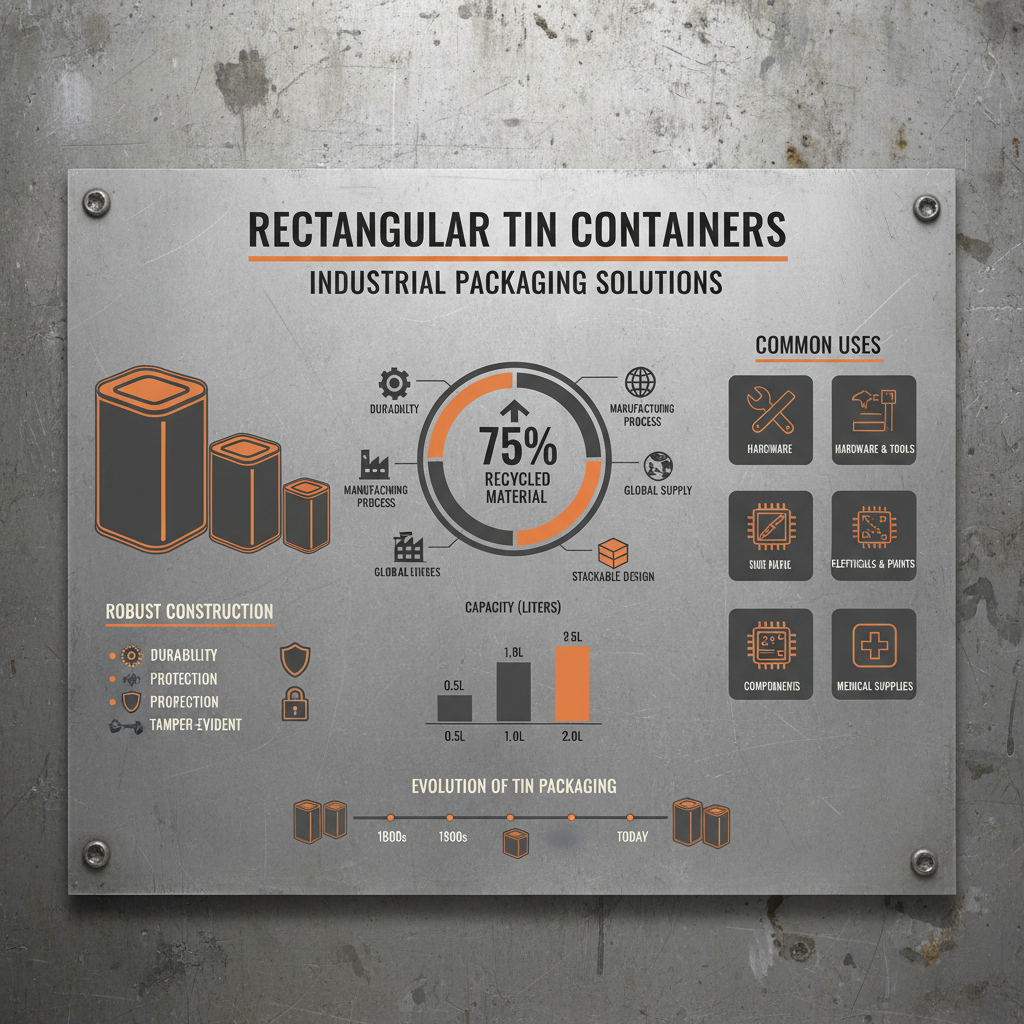
Money collection cans, seemingly simple receptacles, play a surprisingly vital role in diverse sectors globally. From charitable fundraising and grassroots movements to retail environments and even emergency disaster relief, these containers provide a tangible and accessible method for collecting funds. Their enduring popularity stems from their low cost, ease of deployment, and inherent transparency, fostering trust amongst contributors. Understanding the nuances of money collection cans – their construction, placement, security, and societal impact – is crucial for optimizing their effectiveness and maximizing their benefits.
The global need for efficient and secure fundraising methods is consistently high. NGOs, non-profits, and local communities continually seek cost-effective ways to solicit donations for a wide range of causes, from humanitarian aid and environmental conservation to social welfare programs and medical research. Simultaneously, businesses utilize money collection cans for employee fundraising, customer loyalty programs, and charitable partnerships. The sheer scale of these activities highlights the universal relevance of this humble object. According to the World Bank, over $170 billion in remittances were sent to developing countries in 2023, and while direct digital transfers are increasing, physical cash collection remains significant, especially in regions with limited banking infrastructure.
The challenges of efficient fundraising, particularly in areas lacking robust financial infrastructure, contribute to the persistent demand for reliable and cost-effective solutions like money collection cans. Addressing concerns regarding security, accounting, and logistical considerations in their implementation is paramount for maximizing their potential and ensuring accountability. Furthermore, a deeper understanding of best practices for design, materials, and placement can dramatically increase collection rates and overall success.
Introduction to Money Collection Cans
Money collection cans are more than just containers; they are symbolic of community support and charitable giving. They represent a direct, physical connection between donors and the causes they support, offering a sense of immediacy and tangible impact. The design and materials of these cans often reflect the specific organization or initiative they represent, enhancing brand recognition and promoting a feeling of trust.
Historically, money collection cans have evolved from simple glass jars to more durable and secure plastic or metal receptacles. This evolution has been driven by the need to reduce theft, improve hygiene, and facilitate easier handling and counting of donations. The enduring popularity of money collection cans demonstrates their adaptability and continued relevance in a rapidly changing world.
Defining Money Collection Cans
At their core, money collection cans are physical containers designed for the purpose of accumulating monetary donations. They can range in size, shape, and material, but their primary function remains consistent: to provide a convenient and visible means for individuals to contribute to a designated cause. Unlike digital donation platforms, money collection cans rely on physical cash, making them particularly valuable in areas with limited access to banking or internet services.
The connection to modern industry and humanitarian needs is significant. Beyond traditional charity drives, money collection cans are increasingly employed in retail settings for fundraising initiatives – partnering with nonprofits to collect donations at checkout, for example. They are also frequently used in emergency response efforts, providing a rapid and accessible way to gather funds for disaster relief. The simplicity and low barrier to entry make them an ideal solution in a wide array of scenarios.
Furthermore, the data collected from these cans, even if simply a count of the collected funds, can provide valuable insights into donor engagement and campaign effectiveness. Careful tracking, paired with strategically placed cans, can yield substantial returns for charities and organizations seeking to maximize fundraising potential.
Key Factors for Effective Money Collection Cans
Several key factors determine the effectiveness of money collection cans. Durability is paramount; cans must withstand frequent handling and potential environmental exposure. Robust materials like high-density polyethylene (HDPE) or stainless steel are essential for long-term use and preventing damage. Security is another critical consideration. Secure locking mechanisms and tamper-evident features are necessary to deter theft and ensure the integrity of donations.
Visibility and Placement are also crucial. Cans should be strategically positioned in high-traffic areas with clear signage to attract attention. Eye-catching designs and branded messaging can further enhance their visibility. Capacity is a practical consideration – the size of the can should be appropriate for the expected volume of donations, minimizing the need for frequent emptying. Finally, Ease of Accounting is vital; cans should be designed for easy counting and reconciliation of funds.
Maintenance is often overlooked. Regular cleaning and upkeep are essential for maintaining a professional appearance and promoting hygiene. Providing clear instructions for use and reporting any damage or security concerns can further enhance the overall effectiveness of the money collection can program.
Global Applications and Use Cases
Money collection cans find diverse applications across the globe. In post-disaster relief operations, they provide a rapid means of collecting emergency funds for immediate needs like food, water, and shelter. NGOs frequently deploy them in developing countries to support local initiatives, such as providing access to clean water, education, and healthcare. In remote industrial zones, they can facilitate employee fundraising for charitable causes or company-sponsored events.
Retail businesses utilize them for customer-driven charitable programs, often partnering with specific nonprofits to collect donations at point of sale. Schools and universities employ them for fundraising drives for student activities, athletic programs, and scholarship funds. Throughout Europe, numerous churches and religious organizations rely on them for weekly offerings and charitable donations.
In Japan, “arigatou cans” (thank you cans) are commonly found in shops and restaurants, encouraging customers to donate spare change to various charities. These examples demonstrate the adaptability of money collection cans to diverse cultural contexts and fundraising needs.
Money Collection Can Performance by Method
Advantages & Long-Term Value
The advantages of utilizing money collection cans are numerous. From a cost perspective, they are significantly cheaper than implementing sophisticated digital donation systems. Sustainability is also a key benefit; using durable materials and promoting responsible disposal reduces environmental impact. The social impact is substantial, fostering a sense of community involvement and encouraging charitable giving. Reliability is high; they require minimal maintenance and operate independently of technological infrastructure.
Beyond the tangible benefits, money collection cans also offer emotional and logical value. The act of physically contributing cash can create a stronger emotional connection to the cause. The transparent nature of the cans builds trust amongst donors. The simplicity of the system fosters inclusivity, making it accessible to individuals of all backgrounds and technological literacy levels.
Future Trends & Innovations
The future of money collection cans may involve integrating smart technologies. Concepts such as digital counters that automatically track donations, NFC integration for contactless giving, and tamper-proof security systems are being explored. Sustainable materials, such as biodegradable plastics and recycled metals, are becoming increasingly popular as organizations prioritize environmental responsibility.
Furthermore, the integration of QR codes on cans could allow donors to easily access online donation pages for larger contributions or recurring donations. These innovations aim to enhance efficiency, security, and user experience, while preserving the fundamental benefits of this time-tested fundraising method.
Challenges & Solutions
Common challenges associated with money collection cans include theft, vandalism, and the labor-intensive process of counting and reconciling funds. A key solution is investing in robust security features, such as secure locking mechanisms and tamper-evident seals. Utilizing clear signage and strategically placing cans in well-lit, high-traffic areas can also deter theft.
To streamline the counting process, organizations can employ automated coin counters or outsource the task to professional cash handling services. Implementing regular audits and tracking donation patterns can help identify potential issues and improve overall accountability. Additionally, adopting a hybrid approach – combining physical cans with online donation options – can cater to a wider range of donor preferences.
Addressing concerns about hygiene can be solved through the use of antimicrobial coatings on the cans’ surfaces and regular cleaning schedules. These measures, when implemented comprehensively, can mitigate the challenges and maximize the effectiveness of money collection cans.
Summary of Money Collection Can Challenges and Solutions
| Challenge |
Severity (1-10) |
Proposed Solution |
Implementation Cost (USD) |
| Theft/Vandalism |
8 |
Secure Locking Mechanisms, Strategic Placement |
$50 - $200 per can |
| Manual Counting |
6 |
Automated Coin Counters, Outsourcing |
$300 - $1500 (purchase) / $500 - $2000 (outsourcing annually) |
| Lack of Transparency |
5 |
Regular Audits, Digital Tracking (with QR codes) |
$100 - $500 (audit software) |
| Hygiene Concerns |
4 |
Antimicrobial Coatings, Regular Cleaning |
$20 - $50 per can (coating) / $50 - $100 (cleaning supplies annually) |
| Limited Capacity |
3 |
Employing Larger Cans, Frequent Emptying |
$10 - $30 per can (larger size) |
| Public Perception |
2 |
Branding, Clear Messaging about Cause |
$50 - $150 (branding materials) |
FAQS
High-density polyethylene (HDPE) is a popular choice due to its durability, weather resistance, and relatively low cost. Stainless steel offers superior security and longevity, but is more expensive. Polycarbonate, while clear, may be more prone to cracking. The ideal material depends on the specific application, budget, and level of security required. Considering the overall life cycle cost, durable materials can prevent the need for frequent replacements, which offers a sustainable solution.
Investing in secure locking mechanisms is crucial. Consider cans with tamper-evident features, such as unique key designs or security seals. Strategically placing cans in well-lit, high-traffic areas with visible surveillance can deter potential thieves. Regular emptying of the cans also minimizes the amount of cash readily available. Implement a clear reporting protocol for any suspicious activity, and encourage employees or volunteers to monitor the cans regularly.
Automated coin counters can significantly streamline the counting process. Alternatively, outsourcing the cash handling to a professional service offers accuracy and security. Implementing a detailed logbook to record daily counts and maintaining clear reconciliation procedures are essential for maintaining accountability. Regular audits can help identify discrepancies and ensure accuracy in reporting donations.
Depending on your location and the nature of your organization, there may be specific regulations regarding fundraising activities. It’s crucial to research local laws regarding permits, registration requirements, and reporting obligations. Transparency is paramount; clearly state the purpose of the fundraising campaign and ensure that all donations are properly accounted for and used for the intended cause. Non-profit organizations may have additional reporting requirements to maintain their tax-exempt status.
Eye-catching designs and branded messaging can significantly increase visibility and attract attention. Use vibrant colors, clear signage, and compelling graphics that clearly communicate the cause. Consider customizing the cans to align with the organization's brand identity. Strategic placement in high-traffic areas and pairing the cans with promotional materials can further enhance their effectiveness. Regularly updating the signage and designs can keep the cans fresh and engaging.
The environmental impact of money collection cans depends on the materials used. Choosing cans made from recycled materials or biodegradable plastics reduces environmental footprint. Prioritizing durable materials minimizes the need for frequent replacements, further promoting sustainability. Properly disposing of old cans and encouraging recycling programs contribute to a circular economy. Organizations can also partner with manufacturers who prioritize sustainable production practices.
Conclusion
In conclusion, money collection cans represent a remarkably resilient and adaptable fundraising tool. Despite the rise of digital donation platforms, they continue to offer a cost-effective, accessible, and transparent means of collecting funds for a wide range of causes. Their inherent simplicity, combined with the potential for innovation in materials and security features, ensures their continued relevance in the modern philanthropic landscape. Understanding the key factors influencing their effectiveness – durability, security, visibility, and accounting – is crucial for maximizing their impact.
Looking ahead, integrating smart technologies and embracing sustainable materials will further enhance the value of money collection cans. By proactively addressing challenges such as theft and hygiene, and by prioritizing transparency and accountability, organizations can continue to leverage this time-tested method for years to come. For further information and to explore a range of fundraising solutions, visit our website: www.packaging-help.com.