0%

Table of Contents

Can manufacturers play a crucial role in the global supply chain, providing essential packaging solutions for food, beverages, and various industrial products. These manufacturers are not simply producers of metal containers; they are innovators in material science, engineering, and sustainable practices. The demand for canned goods and industrial packaging continues to grow globally, driven by population increases, changing consumer preferences, and the need for reliable preservation methods. Understanding the capabilities and advancements within the can manufacturing industry is vital for businesses, consumers, and policymakers alike.

The global can manufacturing market is a multi-billion dollar industry, experiencing steady growth due to its inherent advantages in product preservation, transportation, and shelf life. According to a report by Mordor Intelligence, the global metal packaging market was valued at USD 52.77 billion in 2023 and is expected to reach USD 66.69 billion by 2029, growing at a CAGR of 3.98% during the forecast period (2024-2029). This growth is fueled by increased demand in emerging economies and the rising popularity of convenience foods. can manufacturers must adapt to evolving regulations and consumer demands for sustainable packaging solutions to remain competitive.

Moreover, can manufacturers are increasingly focused on reducing their environmental impact, exploring lighter materials, improving recycling rates, and minimizing waste throughout the production process. Their ability to meet these challenges will determine their long-term success and contribution to a more sustainable future. The industry’s commitment to innovation is essential in ensuring the continued viability of canned goods and industrial products in a rapidly changing world.
The Vital Role of Can Manufacturers in Global Packaging Solutions

Introduction to Can Manufacturers

The Vital Role of Can Manufacturers in Global Packaging Solutions

Can manufacturers are businesses dedicated to the fabrication of metal containers, primarily utilizing steel and aluminum, designed for preserving and transporting various products. They encompass a wide spectrum of operations, from raw material sourcing and forming to coating, printing, and quality control. These companies are integral to many industries, including food and beverage, pharmaceuticals, paints and coatings, and aerosol products. can manufacturers continually invest in advanced technologies and processes to meet evolving market demands and regulatory requirements.

The history of can manufacturing stretches back to the early 19th century with the development of tin-plated iron cans. Since then, the industry has experienced significant advancements, including the introduction of aluminum cans, two-piece can designs, and sophisticated coating technologies. Today’s can manufacturers are focused on sustainability, lightweighting, and enhancing barrier properties to protect product quality and reduce environmental impact.

Defining Can Manufacturers

Can manufacturers are specialized industrial companies responsible for producing metal containers, commonly referred to as cans. These cans serve as protective packaging for a diverse range of goods, from food and beverages to chemicals and aerosols. The process involves transforming raw materials—typically steel or aluminum—into durable, sealed containers suitable for long-term storage and transportation. The manufacturers' capabilities extend beyond simply forming the can body; they also include surface treatments, printing, and the application of internal coatings to ensure product compatibility and preservation.

The connection to modern industry is profound. Can manufacturing supports the entire food supply chain, enabling the safe and efficient distribution of essential nutrients to populations worldwide. In humanitarian aid efforts, canned goods provide a stable and long-lasting food source in emergency situations. In the industrial sector, cans package hazardous materials safely, ensuring safe handling and transportation.

Furthermore, can manufacturers contribute to a circular economy through high recycling rates. Aluminum cans, in particular, are highly recyclable, and the industry is actively working to increase steel can recycling rates as well, reducing waste and conserving natural resources.

Key Characteristics of Can Manufacturers

Durability is a cornerstone of can manufacturing. Metal cans are renowned for their ability to withstand harsh handling, stacking, and transportation conditions, protecting the contents from damage. This robustness ensures product integrity throughout the supply chain.

Scalability is another defining characteristic. Can manufacturers can efficiently produce large volumes of cans to meet the demands of major food and beverage brands and industrial clients. They often operate 24/7 to fulfill large orders.

Cost-effectiveness is also crucial. While the initial cost of metal cans may be higher than some alternatives, their long shelf life, reduced spoilage rates, and recyclability contribute to overall cost savings. Additionally, the efficiency of modern manufacturing processes helps keep production costs competitive.

Core Capabilities of Can Manufacturers

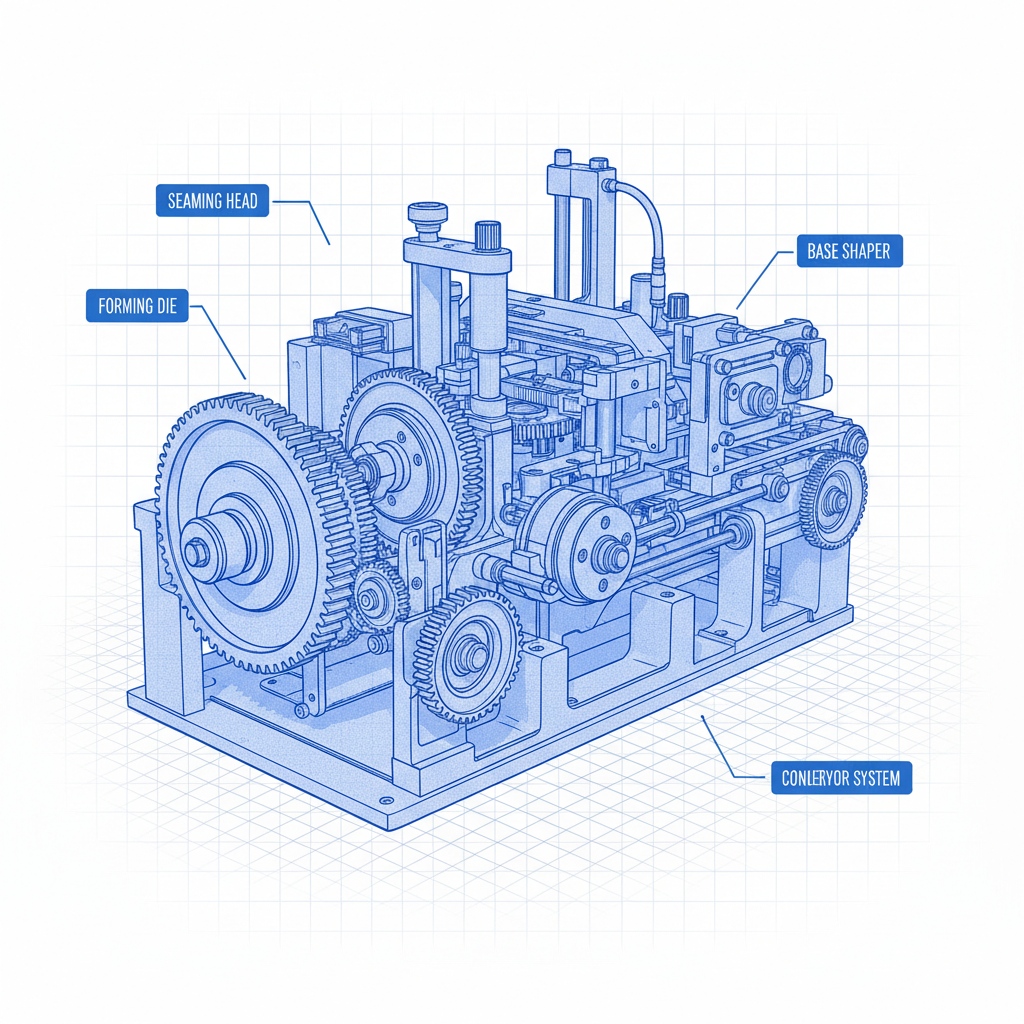
Advanced Forming Technologies are central to can manufacturing. Manufacturers employ a variety of techniques, including deep drawing, stamping, and welding, to transform flat sheets of metal into seamless or seamed can bodies. These technologies are constantly evolving to improve efficiency and reduce material waste.

Precision Coating Application is vital for protecting the contents from corrosion and maintaining product quality. Manufacturers apply specialized coatings—epoxy, acrylic, or polyester—to the interior of cans, creating a barrier between the metal and the packaged product.

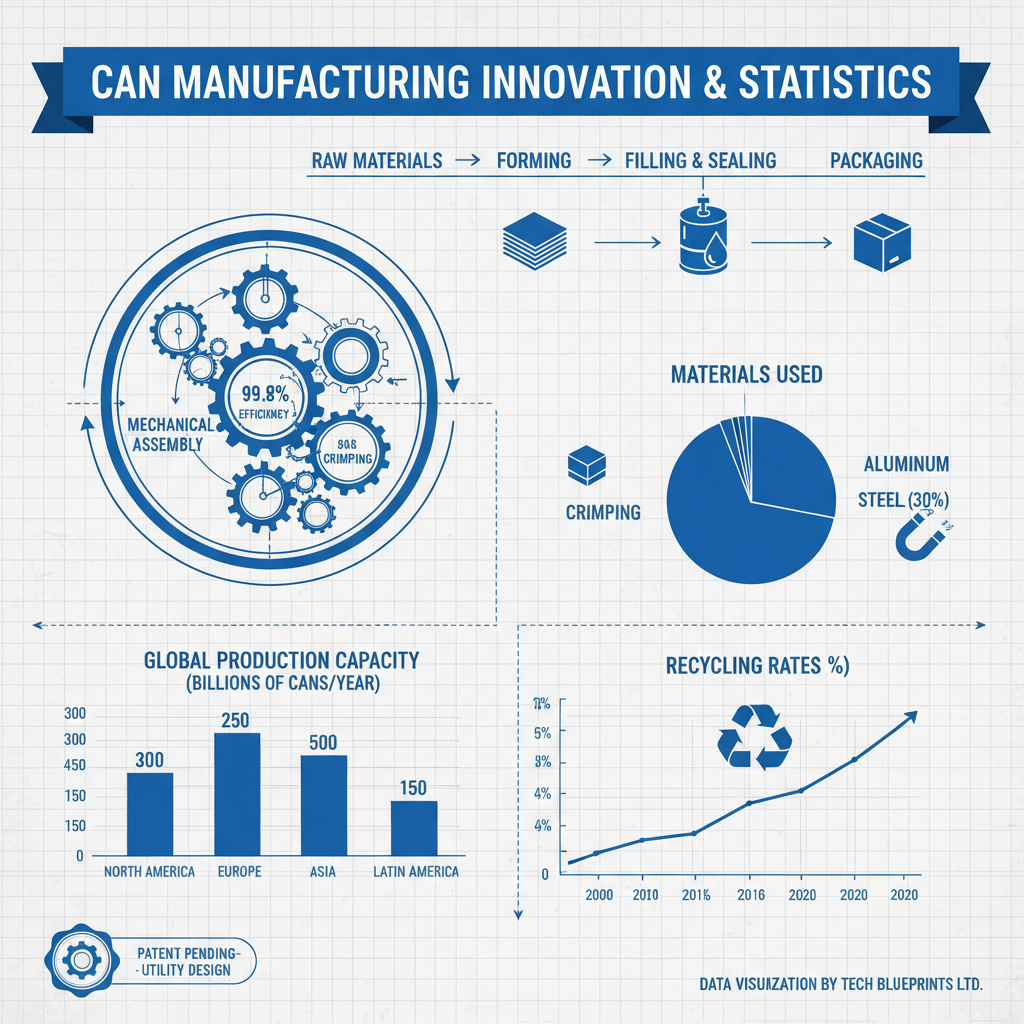
can manufacturers Production Efficiency Ratings


Global Applications and Industries Served

The food and beverage industry is the largest consumer of cans, utilizing them for everything from soups and vegetables to fruits, carbonated beverages, and beers. The inherent protective properties of cans ensure product freshness and extend shelf life, making them ideal for distribution across vast distances. In post-disaster relief operations, canned goods are often a critical component of emergency food supplies due to their durability and long preservation capabilities.

Pharmaceutical companies rely on cans for packaging sterile products, such as inhalers and injectables, maintaining their integrity and preventing contamination. The aerosol industry extensively uses cans for dispensing a variety of products, including paints, cleaning agents, and personal care items.

In remote industrial zones, can manufacturers supply containers for specialized chemicals, lubricants, and coatings, enabling efficient transportation and storage in challenging environments.

Advantages and Long-Term Value Proposition

The cost-effectiveness of can packaging, considering its durability and long shelf life, translates to reduced food waste and lower overall costs for manufacturers and consumers. The minimal spoilage rate minimizes financial losses and environmental impact.

Sustainability is a growing advantage, with metal cans being highly recyclable, contributing to a circular economy. This reduces the demand for virgin materials and lowers carbon emissions. Beyond the ecological benefits, this promotes a positive brand image.

Future Trends and Innovations in Can Manufacturing

Lightweighting – Reducing the amount of metal used in can production without compromising strength or integrity—is a major trend driven by sustainability concerns and cost reduction goals. This involves utilizing advanced alloys and optimizing can designs.

Digital Printing – Advances in digital printing technologies are enabling more customized and visually appealing can designs, catering to evolving consumer preferences. This also allows for smaller production runs and faster turnaround times.

Smart Packaging – Integrating sensors and QR codes into cans allows for real-time tracking of product location, temperature, and authenticity, improving supply chain transparency and combating counterfeiting.

Challenges and Solutions

One key challenge faced by can manufacturers is the increasing cost of raw materials, particularly aluminum and steel. Fluctuations in global commodity markets can significantly impact profitability. One solution is to invest in research and development to explore alternative materials and improve material efficiency.

Another challenge is the need to enhance recycling infrastructure and increase consumer participation in recycling programs. Collaboration between manufacturers, governments, and recycling organizations is crucial for improving recycling rates and closing the loop on material recovery. Extended Producer Responsibility (EPR) schemes can incentivize manufacturers to take greater responsibility for the end-of-life management of their products.

Meeting stringent regulatory requirements regarding food safety and environmental protection also poses a challenge. Can manufacturers must continually invest in compliance programs and adopt best practices to ensure they meet these standards.

Key Performance Indicators of Can Manufacturing Processes

Process Efficiency Material Utilization Rate Defect Rate Production Cost per Can
92% 98% 0.5% $0.12
88% 95% 1.2% $0.15
95% 99% 0.3% $0.10
90% 97% 0.8% $0.13
85% 93% 1.5% $0.17
93% 98.5% 0.4% $0.11

FAQS

What are the key sustainability initiatives being adopted by can manufacturers?

Can manufacturers are increasingly focused on reducing their environmental footprint through initiatives like lightweighting (reducing the amount of metal used per can), increasing recycled content, optimizing manufacturing processes to minimize waste, and investing in renewable energy sources. Many are also participating in Extended Producer Responsibility (EPR) schemes to improve recycling rates and ensure responsible end-of-life management of their products. These efforts aim to create a more circular economy and minimize the environmental impact of can packaging.

How does the cost of aluminum or steel impact can manufacturing pricing?

The cost of raw materials, particularly aluminum and steel, is a significant factor influencing can manufacturing pricing. Fluctuations in global commodity markets can directly impact production costs. Can manufacturers often employ strategies such as long-term contracts with suppliers, hedging, and material efficiency improvements to mitigate the effects of price volatility. Ultimately, significant increases in raw material costs may be passed on to customers, though manufacturers strive to absorb as much of the impact as possible.

What types of coatings are used in can manufacturing, and why are they important?

Various coatings are used in can manufacturing, including epoxy, acrylic, and polyester, to protect the contents from corrosion and maintain product quality. These coatings create a barrier between the metal and the packaged product, preventing reactions that could affect flavor, shelf life, or safety. The choice of coating depends on the specific product being packaged and its compatibility requirements. Regulatory compliance and food safety standards are paramount in coating selection.

What is the typical lifespan of a metal can once it's filled and sealed?

The lifespan of a filled and sealed metal can varies greatly depending on the product inside. Generally, canned goods can remain safe to eat for several years beyond the “best by” or “use by” date, as the canning process creates a sterile environment. However, quality may decline over time, affecting flavor and texture. Proper storage conditions—cool, dry place—are crucial for maximizing shelf life. Highly acidic foods may have a shorter lifespan than less acidic ones.

How are cans recycled, and what percentage of cans are actually recycled globally?

Cans are typically recycled through a process involving collection, sorting, shredding, melting, and reforming into new products. Aluminum cans are particularly valuable for recycling due to their high scrap value. While recycling rates vary by region, aluminum can recycling is relatively high, with estimates around 75% in some countries. Steel can recycling rates are lower, generally between 60-70%. Continued efforts to improve collection infrastructure and consumer awareness are essential for increasing recycling rates.

What are some emerging technologies impacting the future of can manufacturing?

Several emerging technologies are poised to revolutionize can manufacturing. Digital printing enables customized can designs and faster turnaround times. Lightweighting technologies reduce material usage and costs. Smart packaging incorporating sensors and QR codes offers improved traceability and product information. Automated inspection systems enhance quality control. And advancements in coating materials are improving product protection and sustainability.

Conclusion

In conclusion, can manufacturers are indispensable players in the global supply chain, providing robust, cost-effective, and increasingly sustainable packaging solutions. From preserving food and beverages to safely containing industrial products, their contributions are integral to numerous industries. The ongoing commitment to innovation, material science, and environmental responsibility positions can manufacturers for continued success in a dynamic world.

Looking ahead, it’s crucial for can manufacturers to embrace emerging technologies, prioritize sustainability, and collaborate with stakeholders across the value chain. By investing in research and development, promoting responsible recycling practices, and adapting to evolving consumer demands, the industry can ensure its long-term viability and continue to deliver essential packaging solutions for generations to come. Visit our website: www.packaging-help.com

Kevin Wilson

Kevin Wilson

Kevin Wilson is a Sales and Marketing Manager at Longzhitai, focusing on expanding the company's presence in the North American market. He works directly with clients to understand their packaging needs, offering customized solutions tailored to their brand and product requirements. Kevin has a proven track record of building strong
Previous The Enduring Importance of Tin Cans for Canning in Global Food Preservation
Next The Essential Role of Tin Can Plastic Lids in Food Packaging and Preservation