The humble food tin, a seemingly simple container, represents a cornerstone of global food security, preservation, and distribution. From ensuring the longevity of vital supplies in challenging environments to providing safe and convenient meal options for consumers worldwide, food tins play a crucial, often understated, role in modern life. Understanding the nuances of food tin technology, production, and application is vital for industries ranging from food processing and logistics to humanitarian aid and disaster relief.
Globally, the demand for reliable and efficient food packaging continues to rise, driven by population growth, increasing urbanization, and the need to minimize food waste. According to the UN, approximately one-third of all food produced globally is lost or wasted – a staggering figure that highlights the importance of effective preservation techniques. Food tins, with their exceptional barrier properties and long shelf life, offer a significant solution to reduce these losses. The global metal packaging market, including food tins, was valued at approximately $53.5 billion in 2023 and is projected to reach $68.2 billion by 2030, demonstrating its continued relevance.
The challenge lies in balancing this demand with sustainability concerns and evolving consumer preferences. Innovations in tinplate materials, manufacturing processes, and recycling technologies are crucial to ensure that food tins remain a viable and responsible packaging solution for the future. This discussion will delve into the various aspects of food tins, exploring their benefits, applications, and future potential.
The Essence of Food Tin
At its core, the efficacy of a food tin stems from the inherent properties of tinplate – a thin steel sheet coated with tin. This combination delivers exceptional strength, corrosion resistance, and a complete barrier to light, oxygen, and moisture. These characteristics are vital for preserving the quality, flavor, and nutritional value of a wide range of food products.
Beyond preservation, food tins offer versatility in shape, size, and design, catering to diverse product needs and branding requirements. They are also inherently recyclable, contributing to a more circular economy. This makes them a sustainable packaging option, especially when compared to alternatives like plastic which often end up in landfills.
Defining the Food Tin
A food tin, in the most straightforward sense, is a container constructed from tinplate, used for packaging and preserving food products. This packaging is not just about containment; it’s a critical element in the food supply chain, protecting against spoilage, contamination, and damage during storage, transportation, and retail display. The tinplate itself provides a robust barrier against external factors.
This definition extends beyond simple cans. It encompasses a wide array of shapes and sizes, from small biscuit tins to large industrial-sized containers for processed fruits and vegetables. The internal coating of the tin, typically a lacquer, is crucial for preventing the food from reacting with the metal, ensuring food safety and maintaining flavor integrity.
In the context of modern industry and humanitarian needs, the food tin represents a reliable and cost-effective solution for providing long-lasting, shelf-stable food products, particularly in situations where refrigeration or other advanced preservation methods are unavailable or impractical.
Core Characteristics of Food Tin
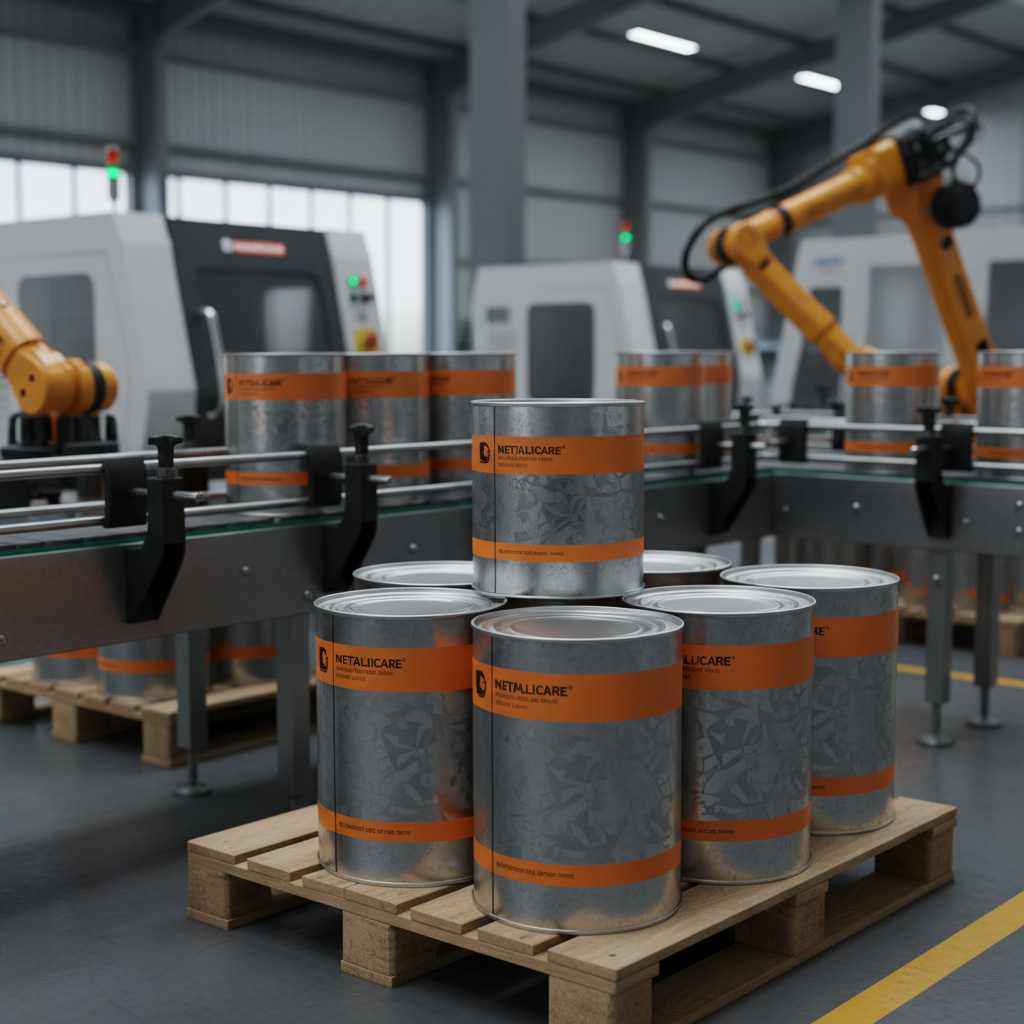
The enduring popularity of food tins hinges on a combination of key characteristics. Firstly, their unparalleled durability ensures product integrity throughout the supply chain, minimizing breakage and loss. This physical resilience is especially important in harsh environments or during long-distance transport.
Secondly, food tins provide a hermetic seal, creating an airtight and watertight barrier that protects the food from spoilage organisms and external contaminants. This hermeticity, combined with the inherent properties of tinplate, allows for long-term preservation without the need for artificial preservatives in many cases. The resulting shelf life significantly reduces food waste.
Finally, the relative cost-effectiveness of tinplate, coupled with the efficiency of modern manufacturing processes, makes food tins a competitively priced packaging solution, particularly when considering their long-term benefits. They also offer excellent printing capabilities, enabling effective branding and product information display.
Global Applications of Food Tin
The versatility of food tins translates into a diverse range of global applications. In the food industry, they are extensively used for packaging canned fruits, vegetables, soups, meats, seafood, and dairy products, ensuring their freshness and safety for extended periods.
Beyond food, food tins find application in packaging non-food items like paints, chemicals, and aerosols, benefiting from the tinplate’s protective qualities. In post-disaster relief operations, they are invaluable for providing shelf-stable meals to affected populations. Organizations like the World Food Programme frequently utilize canned goods in emergency food aid distribution.
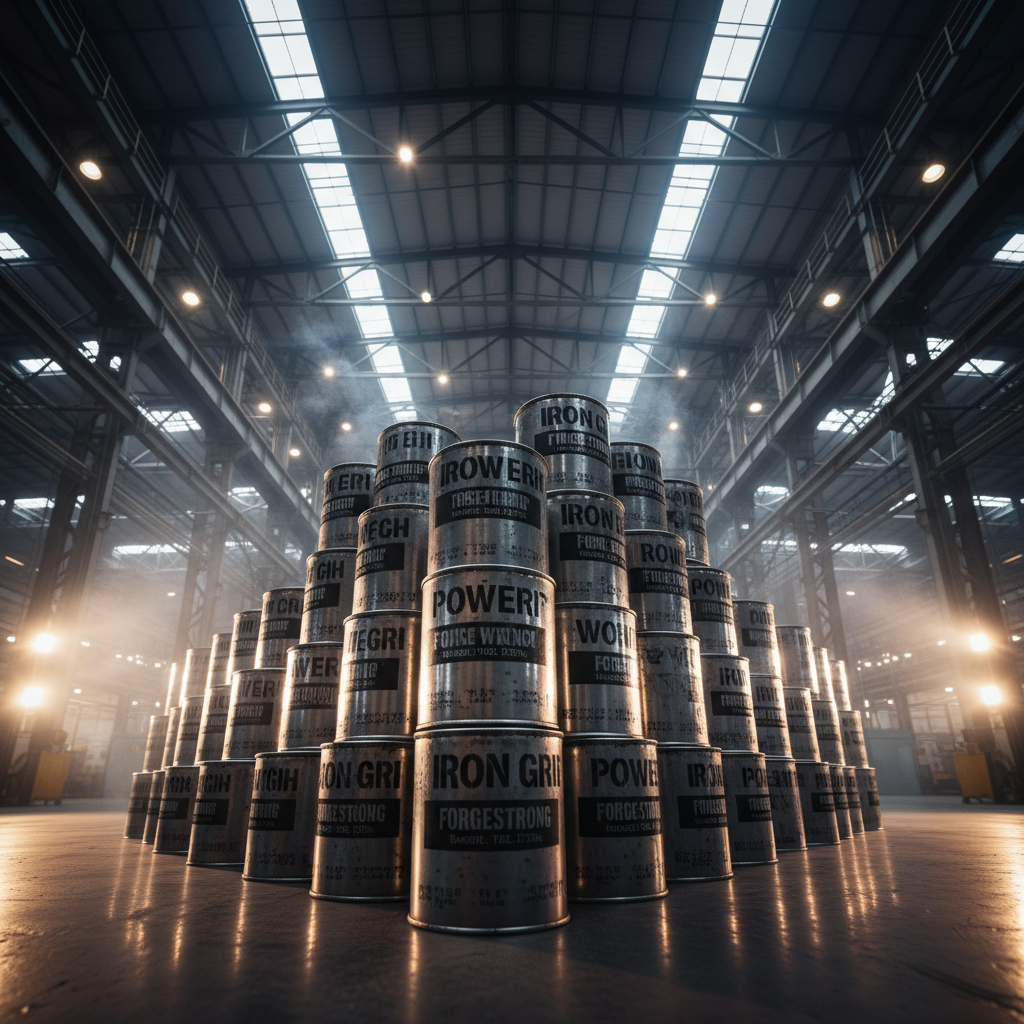
Furthermore, in remote industrial zones and regions with limited infrastructure, food tins are favored for their robustness and ability to withstand challenging transportation conditions. They are also commonly used by the military for ration packs, demanding high levels of reliability and preservation.
Food Tin Method Comparison
Advantages and Enduring Value
The tangible benefits of utilizing food tins are multifaceted. From a cost perspective, the relative affordability of tinplate, coupled with efficient manufacturing processes, makes them a commercially viable option. They minimize product loss during transport and storage, further reducing overall costs.
From a sustainability standpoint, steel is one of the most recycled materials globally, and food tins boast a high recycling rate. This reduces the demand for virgin materials and lowers the environmental impact. Emotionally, consumers often associate food tins with quality, tradition, and reliability, adding value to the products they contain. Logically, the long shelf life offered by food tins reduces food waste, a critical concern in a resource-constrained world.
Future Innovations in Food Tin Technology
The future of food tin technology is poised for innovation. Research is focusing on developing lighter-weight tinplate materials to reduce transportation costs and environmental impact. Nanocoatings are being explored to enhance corrosion resistance and improve food safety by creating even more effective barriers.
Digital printing technologies are enabling more intricate and personalized designs on food tins, opening up new branding and marketing opportunities. Furthermore, advancements in smart packaging, incorporating QR codes or RFID tags, can provide consumers with valuable information about the product's origin, freshness, and traceability.
Overcoming Challenges in Food Tin Implementation
Despite their numerous advantages, food tins face certain challenges. Concerns regarding the environmental impact of tin mining and the energy-intensive nature of steel production require ongoing efforts to improve sustainability. Furthermore, the weight of tinplate can be a drawback in certain applications.
Solutions include investing in responsible mining practices, utilizing recycled tinplate, and developing thinner, yet equally strong, tinplate alloys. Exploring alternative coatings to minimize reliance on potentially harmful chemicals is also crucial. Continued research into lightweighting technologies will further enhance the competitiveness of food tins.
Finally, addressing consumer perceptions regarding the “old-fashioned” image of food tins through innovative design and marketing can help to reinforce their appeal and relevance in the modern market.
Summary of Food Tin Implementation Challenges and Solutions
| Challenge |
Severity (1-10) |
Potential Solution |
Implementation Cost (1-10) |
| Environmental Impact of Tin Mining |
7 |
Responsible Mining Practices & Recycled Tinplate |
6 |
| Energy-Intensive Steel Production |
8 |
Renewable Energy Sources & Process Optimization |
7 |
| Weight of Tinplate |
5 |
Development of Lighter-Weight Alloys |
5 |
| Potential Chemical Leaching |
4 |
Alternative, Food-Grade Coatings |
4 |
| Consumer Perception (Old-Fashioned) |
3 |
Innovative Design & Marketing Campaigns |
3 |
| Supply Chain Disruptions |
6 |
Diversification of Suppliers & Local Production |
6 |
FAQS
Food tins offer superior protection against light, oxygen, and moisture, resulting in a longer shelf life and preserving food quality better than most plastics. They are also inherently more durable and resistant to damage. Crucially, steel is highly recyclable, unlike many plastics, making food tins a more sustainable option. Food tins don't leach chemicals into the food, unlike some plastics.
Yes, modern food tins are lined with a protective coating, typically a lacquer, that prevents the food from reacting with the tinplate. This coating is specifically designed to be resistant to acidic foods. However, if the coating is damaged, acidic foods can potentially corrode the tin, so it's important to ensure the tin is in good condition before use.
Food tins are readily recyclable through most municipal recycling programs. The steel is separated from any paper labels and then melted down and reformed into new steel products. This process significantly reduces the need for virgin materials, conserving resources and reducing energy consumption. Recycling food tins is a highly efficient and environmentally friendly process.
Tin mining and steel production do have environmental impacts, including energy consumption and potential pollution. However, the high recyclability of steel significantly mitigates these concerns. Using recycled tinplate reduces the demand for virgin materials and lowers the overall environmental footprint. Ongoing research focuses on more sustainable mining practices and cleaner steel production technologies.
While food tins can be reused for storage purposes, it's generally not recommended to reuse them for long-term food storage. This is because the internal coating can become damaged, potentially allowing the food to react with the metal and compromising food safety. If a tin is reused, it's crucial to ensure it's thoroughly cleaned and that the coating remains intact.
Several key innovations are shaping the future of food tin packaging. These include the development of lighter-weight tinplate materials, the use of nanocoatings to enhance corrosion resistance, and the integration of smart packaging technologies like QR codes for traceability. Research is also focused on developing more sustainable and bio-based coatings for food tins.
Conclusion
In conclusion, the food tin remains a remarkably relevant and valuable packaging solution in the 21st century. Its inherent durability, barrier properties, and recyclability, combined with ongoing innovation in materials and manufacturing processes, ensure its continued importance in safeguarding global food security and minimizing waste. From preserving essential supplies in challenging environments to providing safe and convenient food options for consumers worldwide, food tins play a vital, often overlooked role in modern life.
Looking ahead, continued investment in sustainable practices, responsible sourcing, and technological advancements will be crucial to maximize the benefits of food tins while minimizing their environmental impact. Exploring new coating materials, optimizing manufacturing processes, and enhancing recycling infrastructure will pave the way for a more sustainable and resilient food packaging system. Visit our website at www.packaging-help.com to learn more about food tin solutions.