Rectangular metal tins are ubiquitous packaging solutions, playing a vital role in diverse industries globally. From food and beverage to pharmaceuticals and industrial components, these tins offer a reliable and versatile means of containment. Their enduring presence stems from a unique combination of protective qualities, cost-effectiveness, and sustainability considerations, making them integral to supply chains worldwide. Understanding their characteristics and applications is crucial for businesses seeking efficient and responsible packaging solutions.
The global demand for metal packaging, including rectangular metal tins, is experiencing steady growth, driven by factors such as increasing consumer preference for convenience foods, expanding e-commerce activities, and heightened awareness of environmental issues. According to the European Metal Packaging (EMPA), metal packaging boasts some of the highest recycling rates globally, exceeding 80% in many European countries. This robust recycling infrastructure contributes significantly to the circular economy and reduces reliance on virgin materials.
However, challenges remain in optimizing the sustainability of metal tins, particularly regarding the energy-intensive production process and the carbon footprint associated with aluminum sourcing. Innovations in material science and manufacturing techniques are continually being explored to address these concerns, paving the way for a more environmentally friendly future for rectangular metal tins.
The Importance of Rectangular Metal Tins
Rectangular metal tins represent a cornerstone of modern packaging, offering unparalleled protection and preservation for a wide range of products. Their inherent strength and barrier properties safeguard contents from external elements like light, moisture, and oxygen, ensuring product integrity and extending shelf life. This makes them indispensable in industries where product quality and safety are paramount.
Beyond preservation, rectangular metal tins are renowned for their durability and reusability. Unlike many disposable packaging materials, metal tins can withstand rigorous handling and transportation, minimizing product damage and reducing waste. Their potential for recycling further enhances their sustainability profile, aligning with the growing global emphasis on circular economy principles. rectangular metal tins are often chosen for long-term storage and gifting due to these qualities.
Defining Rectangular Metal Tins
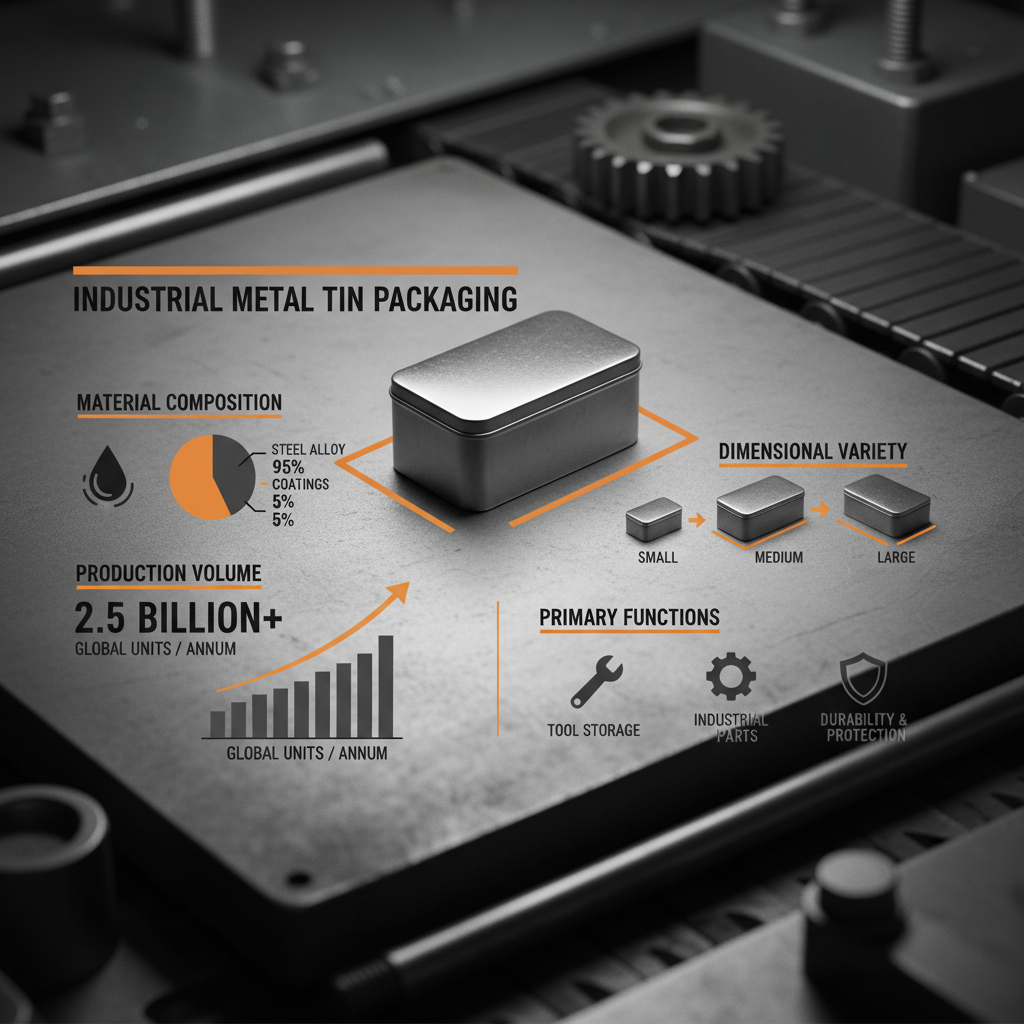
Rectangular metal tins are containers manufactured from thin sheets of metal, typically steel or aluminum, formed into a rectangular prism shape. This design offers efficient stacking and storage capabilities, maximizing space utilization in warehouses and during transportation. The metal sheets are often coated with protective layers, such as lacquer or epoxy, to prevent corrosion and ensure food safety.
The manufacturing process typically involves cutting, stamping, and forming the metal sheets into the desired shape, followed by seam welding or soldering to create a sealed container. Lids, often removable, are then affixed, frequently with a friction fit or a crimped seal. Modern production techniques allow for customized designs, including printing, embossing, and the addition of features like handles or dividers.
The relevance of rectangular metal tins extends beyond simply containing products. In humanitarian contexts, they can provide secure storage for essential supplies like medical kits and food rations. In industrial settings, they serve as durable housings for sensitive components, protecting them from damage and environmental factors. Their robust nature and reusability contribute to resource efficiency and reduced waste.
Key Characteristics of Rectangular Metal Tins
Durability is a hallmark of rectangular metal tins. The inherent strength of the metal construction provides excellent resistance to crushing, impact, and puncture, protecting the contents during handling and transport. This robustness is particularly valuable for products requiring secure containment over extended periods or in challenging environments.
Barrier properties are another key advantage. Metal tins offer an impermeable barrier against light, oxygen, moisture, and other external contaminants, preserving the freshness, flavor, and quality of sensitive products, especially food and beverages. This protective capability minimizes spoilage and extends shelf life, reducing waste.
Recyclability is a defining characteristic, positioning rectangular metal tins as a sustainable packaging option. Steel and aluminum are both highly recyclable materials, and the recycling process requires less energy compared to producing virgin metal. This circularity reduces environmental impact and conserves natural resources.
Factors Influencing Rectangular Metal Tin Performance
The gauge, or thickness, of the metal significantly impacts the tin’s strength and rigidity. Thicker gauges offer greater protection but also increase material costs. The type of metal alloy used – steel versus aluminum – also influences performance characteristics. Steel provides superior strength, while aluminum offers lighter weight and excellent corrosion resistance.
Coating materials play a vital role in preventing corrosion and ensuring food safety. Lacquers, epoxy resins, and other specialized coatings protect the metal surface from reacting with the contents and maintain product purity. The quality and application of these coatings are critical for long-term performance and compliance with regulatory standards.
Rectangular Metal Tin Performance Metrics
Global Applications of Rectangular Metal Tins
In the food and beverage industry, rectangular metal tins are extensively used for packaging biscuits, cookies, confectionery, tea, coffee, and various processed foods. Their ability to preserve freshness and prevent contamination makes them ideal for these applications. In post-disaster relief operations, rectangular metal tins provide secure and durable storage for food rations, medical supplies, and hygiene kits.
The pharmaceutical sector utilizes rectangular metal tins for packaging medications, vitamins, and medical devices, ensuring product integrity and protecting sensitive ingredients from environmental factors. In remote industrial zones, they serve as robust containers for transporting and storing spare parts, tools, and equipment, safeguarding them from damage and corrosion.
The Long-Term Value of Utilizing Rectangular Metal Tins
Employing rectangular metal tins translates to significant cost savings over the product lifecycle. Their durability reduces product damage during transit and storage, minimizing losses and associated costs. The reusability of metal tins further contributes to cost efficiency, particularly in closed-loop systems where they are returned and refilled.
Beyond financial benefits, rectangular metal tins contribute to environmental sustainability through their high recyclability. Utilizing recycled metal reduces the demand for virgin materials, conserving natural resources and lowering energy consumption. Choosing rectangular metal tins demonstrates a commitment to responsible packaging practices, enhancing brand reputation and fostering consumer trust.
Furthermore, the protective qualities of these tins ensure product safety and quality, minimizing the risk of spoilage or contamination. This is especially critical in industries like food and pharmaceuticals, where consumer health and safety are paramount. Ultimately, rectangular metal tins represent a reliable and sustainable packaging solution that delivers long-term value to businesses and consumers alike.
Future Trends and Innovations in Rectangular Metal Tin Technology
Research and development are focused on enhancing the sustainability of rectangular metal tins through the use of bio-based coatings and lighter-weight alloys. Innovations in digital printing technologies enable customized designs and efficient production runs, catering to evolving consumer preferences. The integration of smart packaging solutions, such as QR codes and RFID tags, provides enhanced traceability and supply chain visibility.
Automation and robotics are streamlining the manufacturing process, improving efficiency and reducing production costs. Developments in metal forming techniques allow for the creation of more complex shapes and designs, expanding the versatility of rectangular metal tins. Collaboration between material scientists, packaging engineers, and industry stakeholders is driving continuous improvement and innovation.
The pursuit of a circular economy is fueling the demand for closed-loop recycling systems, where metal tins are collected, recycled, and reintroduced into the supply chain, minimizing waste and maximizing resource utilization. These advancements position rectangular metal tins as a key component of a more sustainable and efficient packaging landscape.
Summary of Challenges and Solutions for Rectangular Metal Tin Implementation
| Challenge |
Impact Area |
Potential Solution |
Implementation Cost (1-10) |
| High initial material cost |
Economic |
Utilize recycled metal content |
4 |
| Corrosion risk in certain environments |
Product Integrity |
Apply advanced protective coatings |
6 |
| Energy-intensive manufacturing process |
Environmental |
Invest in energy-efficient production technologies |
7 |
| Limited design flexibility compared to plastic |
Marketing/Aesthetics |
Employ digital printing and embossing techniques |
5 |
| Weight compared to alternative materials |
Logistics |
Utilize thinner gauge metal alloys |
3 |
| Supply chain disruptions for specific metals |
Operational |
Diversify metal sourcing and build strategic partnerships |
8 |
FAQS
Rectangular metal tins offer significant environmental advantages primarily due to their high recyclability. Steel and aluminum are consistently recycled at rates exceeding 70% in many regions, reducing the need for virgin material extraction. This conserves natural resources, lowers energy consumption associated with production, and minimizes landfill waste. The durability also means less frequent replacement, reducing overall environmental impact. Their reusability further enhances their sustainability profile, contributing to a circular economy.
The initial cost of rectangular metal tins can sometimes be higher than plastic containers, particularly for large production volumes. However, when considering the entire lifecycle cost, metal tins often prove more economical. Their durability reduces product damage and losses during transport and storage. Furthermore, the potential for reuse and high recycling value offset the initial expense. Plastic, while cheaper upfront, often incurs higher disposal costs and lacks the same level of recyclability.
To ensure food safety, rectangular metal tins are typically coated with food-grade lacquers or epoxy resins. These coatings create a barrier between the metal and the food product, preventing any potential migration of metal ions and preserving the flavor and quality of the contents. BPA-NI (Bisphenol A non-intent) linings are increasingly favored due to concerns surrounding BPA. Compliance with food safety regulations, such as those set by the FDA, is crucial when selecting coating materials.
Absolutely! Rectangular metal tins are highly customizable. Modern printing technologies allow for vibrant and detailed graphics to be applied directly to the surface of the tin, showcasing branding elements, product information, and eye-catching designs. Embossing, debossing, and specialized finishes can further enhance the aesthetic appeal. The ability to customize makes these tins a versatile marketing tool and packaging solution.
The shelf life of products packaged in rectangular metal tins is notably extended compared to many other packaging materials. The airtight and light-blocking properties of metal provide excellent preservation. Properly sealed tins can maintain product quality for years, particularly for dry goods like biscuits, tea, and coffee. For perishable items, the shelf life depends on the product itself and the specific sealing techniques used.
Compared to plastic or cardboard, rectangular metal tins are generally heavier, which can influence shipping costs, particularly for large volumes. However, the increased durability often results in fewer damaged goods during transit, potentially offsetting some of the shipping expense. Utilizing lighter-gauge metal alloys and optimizing tin dimensions can help minimize weight without compromising structural integrity. Proper palletization and efficient packaging strategies can also reduce overall shipping costs.
Conclusion
Rectangular metal tins remain a highly relevant and valuable packaging solution in today’s world. Their inherent durability, barrier properties, and recyclability make them a sustainable and cost-effective choice for a wide range of industries. By prioritizing responsible sourcing, innovative manufacturing techniques, and closed-loop recycling systems, we can further enhance the environmental and economic benefits associated with these versatile containers.
Looking ahead, continued investment in material science and automation will drive further improvements in the performance and sustainability of rectangular metal tins. Embracing these innovations will not only reduce our environmental footprint but also unlock new opportunities for customization, efficiency, and brand differentiation. To learn more about the diverse applications and benefits of rectangular metal tins, visit our website: www.packaging-help.com.