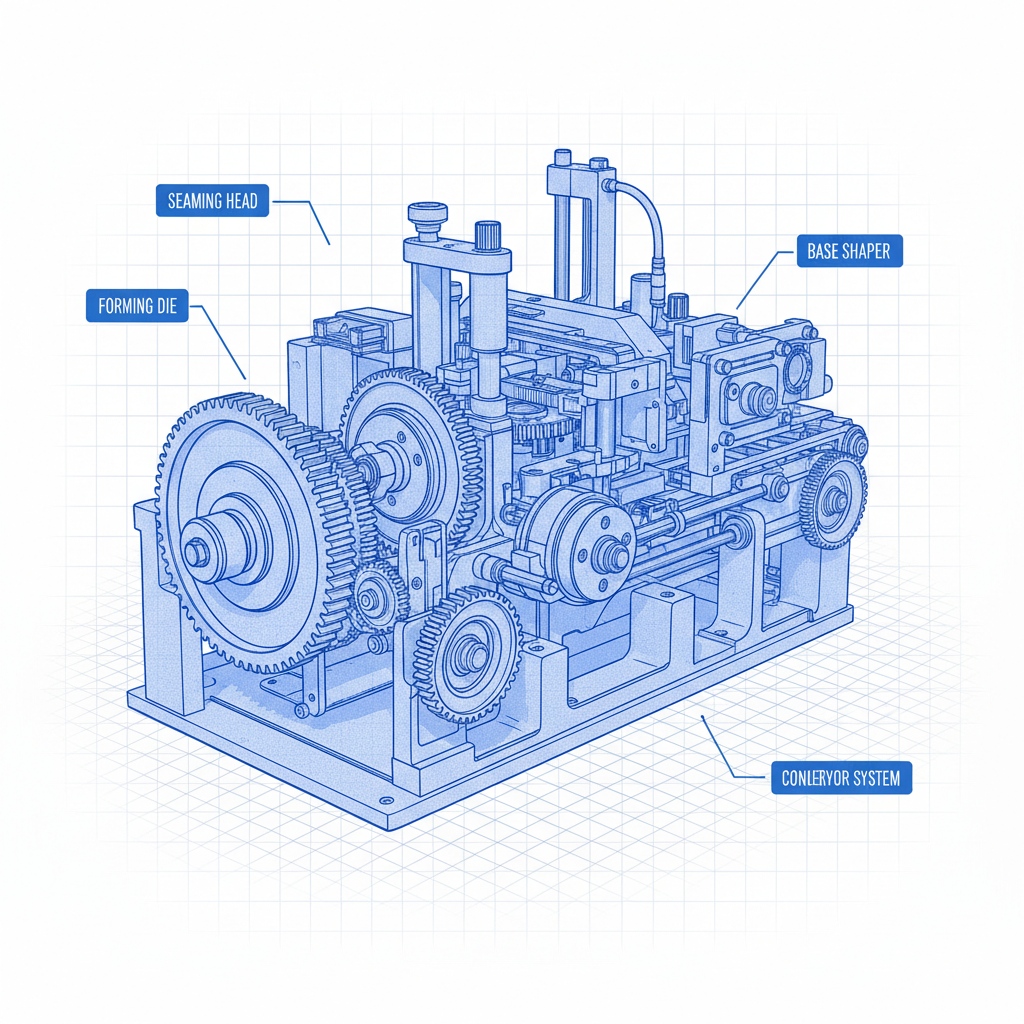
Branded tins are more than just packaging; they represent a fusion of practicality, aesthetics, and marketing potential. From preserving food items and delicate goods to serving as collectible items and promotional tools, these versatile containers have a long and storied history. Understanding the nuances of branded tins – their manufacturing processes, design considerations, and applications – is crucial for businesses aiming to enhance brand recognition, product protection, and customer experience. This knowledge is vital in a global market increasingly focused on sustainability and personalized branding.
The global market for metal packaging, including branded tins, is a multi-billion dollar industry with consistent growth, driven by increasing demand for packaged foods, beverages, and industrial products. According to a report by Grand View Research, the global metal packaging market size was valued at USD 63.34 billion in 2022 and is expected to grow at a compound annual growth rate (CAGR) of 3.7% from 2023 to 2030. This growth highlights the continuing importance of secure and appealing packaging solutions. However, challenges remain, including fluctuating raw material costs and the need for more sustainable manufacturing practices.
Addressing these challenges requires a deep understanding of the properties and applications of branded tins. Innovation in materials, printing techniques, and manufacturing processes are key to unlocking new opportunities and meeting evolving consumer demands. Successfully leveraging branded tins requires a strategic approach, considering factors like cost-effectiveness, aesthetic appeal, and environmental impact.
Introduction to Branded Tins
The use of metal containers for storage and transport dates back centuries, but the evolution of these containers into sophisticated branded tins is a relatively recent phenomenon. Initially, tins were primarily functional, offering protection and preservation. However, as branding became more important, tins transformed into powerful marketing tools, reflecting a company’s identity and product value.
Today, branded tins are utilized across diverse industries, ranging from confectionery and cosmetics to tea and pharmaceuticals. Their appeal lies in their durability, recyclability, and the ability to create eye-catching designs. The impact of attractive and protective packaging on consumer perception is well-documented, making branded tins a crucial component of a successful product launch and ongoing brand maintenance.
Defining Branded Tins
Branded tins are metal containers, typically made of tinplate steel, that are custom-designed and printed with a company’s logo, artwork, and product information. Unlike generic metal packaging, branded tins serve a dual purpose: protecting the contents and promoting the brand. They are distinct from other packaging materials like plastic or cardboard, offering a higher perceived value and a more sustainable option.
The connection to modern industry is multifaceted. Branded tins facilitate product differentiation in crowded marketplaces, enhance brand recognition, and create a sense of premium quality. They also align with the growing consumer demand for eco-friendly packaging solutions, as tin is highly recyclable.
In humanitarian contexts, durable and reusable branded tins can be invaluable for distributing essential goods in disaster relief or long-term aid programs, offering a robust alternative to disposable packaging.
Key Factors of Branded Tins
Several key factors contribute to the effectiveness and appeal of branded tins. Durability is paramount, ensuring the product remains protected during shipping, storage, and handling. This robust nature also contributes to the perceived longevity and value of the contents.
Customization allows for unique and impactful designs that reflect the brand's identity and product positioning. High-quality printing techniques enable intricate artwork and vibrant colors, creating a visually appealing package. Cost-effectiveness, particularly for larger orders, is a significant advantage. While the initial investment may be higher than some alternatives, the long-term branding and protection benefits often outweigh the costs.
Recyclability addresses growing environmental concerns. Tin is one of the most recycled metals globally, offering a sustainable packaging solution. Shelf Appeal is enhanced by the premium look and feel of metal, attracting attention and influencing purchase decisions. Versatility, accommodating a wide range of products and shapes, further broadens the applications of branded tins.
Practical Applications of Branded Tins
The versatility of branded tins is evident in their wide range of applications. They're frequently used for luxury chocolates and confectionery, creating a sense of indulgence and sophistication. Tea companies often utilize tins to preserve freshness and enhance the brand image.
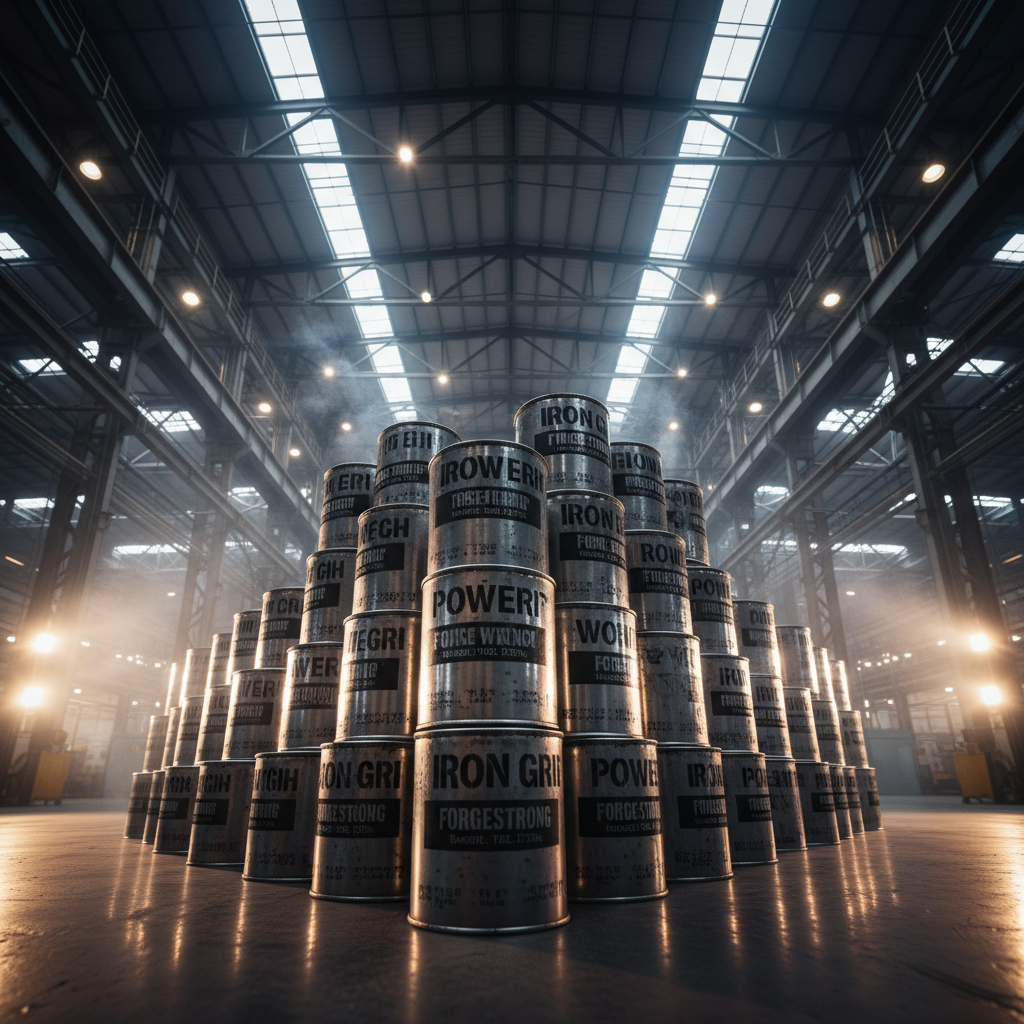
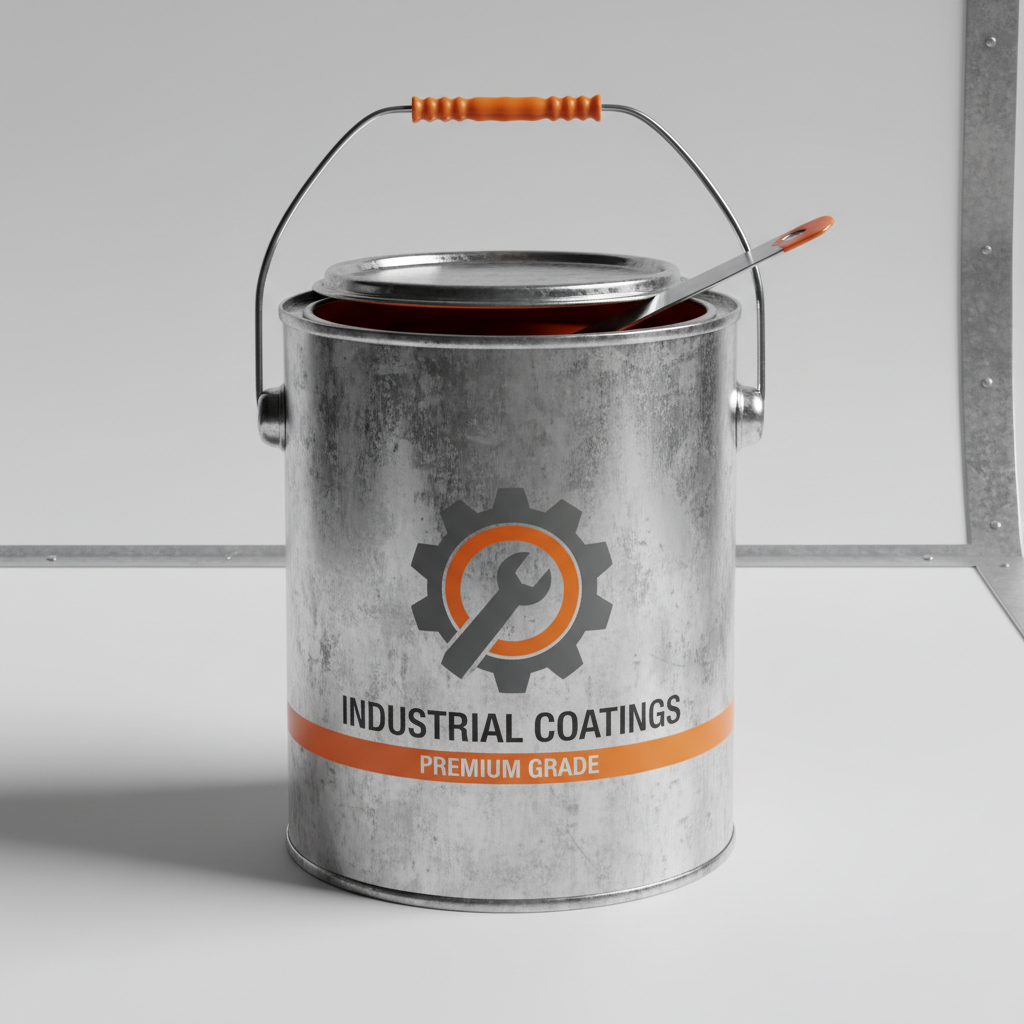
Cosmetic companies leverage branded tins for limited-edition collections or gift sets, capitalizing on the premium aesthetic. Pharmaceutical companies also use them for small-batch medications or sample kits. Industrial components and specialized tools are sometimes packaged in robust branded tins for protection during transit and storage.
Branded Tins Application Performance
Global Applications & Use Cases
In Europe, high-end chocolate brands extensively employ branded tins for seasonal collections and gift items, capitalizing on the festive appeal of metal packaging. Across Asia, particularly in regions with strong tea cultures like China and Japan, tins are used to preserve tea leaves and enhance the gifting experience.
North American companies frequently utilize branded tins for mints, cookies, and specialty foods. In post-disaster relief operations, organizations have deployed tins filled with essential supplies like hygiene products and first-aid kits, appreciating their durability and reusability.
Within remote industrial zones in Australia and South America, branded tins are employed to protect sensitive electronic components and small mechanical parts during transportation and storage, owing to their resistance to impact and corrosion.
Advantages & Long-Term Value
The tangible benefits of branded tins are numerous. Cost-effectively, while the initial outlay can be slightly higher, the durability leads to reduced product damage and waste, lowering overall costs. From a sustainability perspective, tin's high recyclability minimizes environmental impact.
The social impact is amplified by the creation of a positive brand image, fostering customer loyalty and trust. The emotional connection created by attractive and well-designed tins enhances the perceived value of the product. Logically, the superior protection offered reduces the risk of spoilage or damage, safeguarding the product's integrity and quality.
Future Trends & Innovations
Several trends are shaping the future of branded tins. Sustainable materials, such as bio-based coatings and recycled tinplate, are gaining prominence. Digital printing technologies enable more intricate and personalized designs, offering greater flexibility and customization.
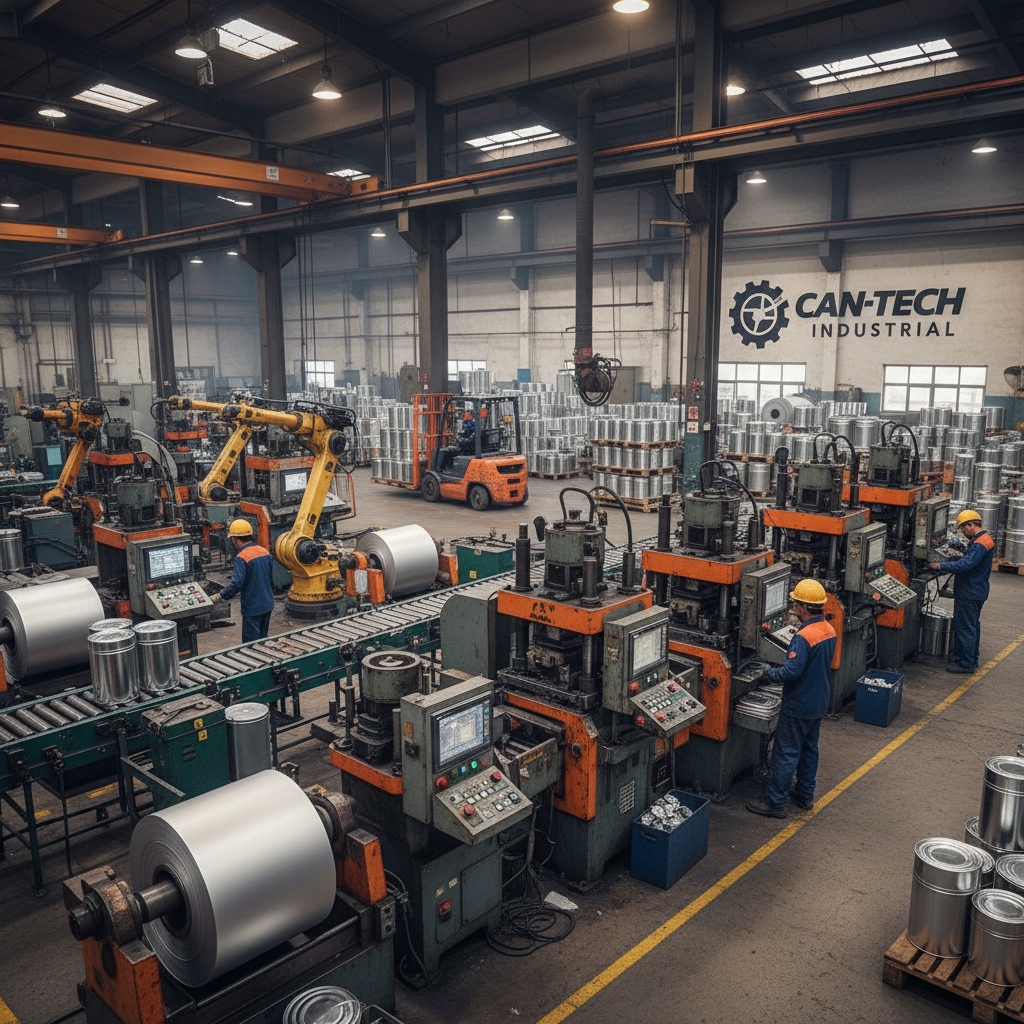
Automation in manufacturing processes is enhancing efficiency and reducing production costs. Integration with smart packaging technologies, like QR codes for product tracking and authentication, is adding value and enhancing consumer engagement. Furthermore, the development of thinner, lighter-weight tin materials is reducing material usage and transportation costs.
The exploration of innovative tin alloys with improved corrosion resistance and formability will unlock new applications and expand the versatility of branded tins in diverse industries.
Challenges & Solutions
One of the primary challenges associated with branded tins is the potential for corrosion, particularly in humid environments. Utilizing protective coatings and selecting appropriate tin alloys can mitigate this risk. Another concern is the fluctuating cost of tin, which can impact production expenses. Strategic sourcing and long-term contracts with suppliers can help manage these costs.
Maintaining consistent quality and design across large production runs requires robust quality control measures and close collaboration with manufacturers. Addressing these challenges requires ongoing innovation in materials, manufacturing processes, and supply chain management.
Developing standardized testing methods to assess the performance of branded tins in various conditions will provide valuable insights and drive continuous improvement.
Summary of Branded Tin Challenges and Solutions
| Challenge |
Impact Level (1-10) |
Proposed Solution |
Implementation Cost (USD) |
| Corrosion Risk |
7 |
Protective Coatings & Alloy Selection |
5,000 - 15,000 |
| Fluctuating Tin Prices |
8 |
Strategic Sourcing & Long-Term Contracts |
2,000 - 8,000 |
| Quality Control Issues |
6 |
Robust QC Measures & Manufacturer Collaboration |
3,000 - 10,000 |
| Design Complexity Limitations |
5 |
Digital Printing Technologies |
10,000 - 30,000 |
| Supply Chain Disruptions |
7 |
Diversified Supplier Network |
1,000 - 5,000 |
| Lack of Standardized Testing |
4 |
Industry-Wide Testing Protocol Development |
20,000 - 50,000 |
FAQS
Branded tins offer superior durability, a higher perceived value, and are significantly more recyclable than most plastics. They provide better product protection, leading to reduced damage and waste. Furthermore, the aesthetic appeal of metal enhances brand image and creates a more premium unboxing experience, which plastic often struggles to replicate. They are also perceived as more environmentally responsible.
The production timeline for custom branded tins varies depending on complexity, order volume, and manufacturer capacity. Generally, expect a lead time of 4-8 weeks from artwork approval to delivery. Initial tooling and sample creation can add an additional 1-2 weeks. Efficient communication and prompt artwork submissions can help streamline the process and minimize delays.
Yes, branded tins are well-suited for food products, provided they utilize food-grade coatings to prevent interaction between the metal and the contents. Certifications such as FDA compliance (in the US) or equivalent standards in other regions are essential. Ensure your manufacturer can provide documentation verifying the materials and coatings meet these requirements.
The MOQ for custom branded tins varies significantly between manufacturers. Typically, it ranges from 500 to 2,000 units per design. Factors influencing the MOQ include the complexity of the design, the size of the tin, and the printing method used. Smaller quantities may be possible, but often come with higher per-unit costs.
Artwork should be provided in vector format (e.g., AI, EPS, or PDF) with all fonts outlined and images at a high resolution (300 DPI). Color specifications should be in CMYK format. Consult with your manufacturer for specific artwork guidelines and templates to ensure optimal print quality and avoid delays. A pre-production proof is always recommended.
Numerous finishing options are available, including embossing, debossing, spot UV varnish, gold/silver foiling, and textured coatings. These embellishments add a premium feel and enhance the visual appeal of the tins. The cost of these options varies, so it’s crucial to discuss your budget and desired aesthetic with your manufacturer.
Conclusion
In conclusion, branded tins offer a compelling combination of protection, marketing potential, and sustainability. Their durability, customization options, and recyclability make them a valuable asset for businesses seeking to enhance brand image, protect products, and appeal to environmentally conscious consumers. Understanding the nuances of tin manufacturing and design is crucial for maximizing the benefits of this versatile packaging solution.
Looking ahead, continuous innovation in materials, printing techniques, and manufacturing processes will further elevate the value of branded tins. By embracing sustainable practices and exploring new technologies, businesses can leverage the timeless appeal of metal packaging to create impactful and enduring brand experiences. Visit our website at www.packaging-help.com to learn more about our branded tins solutions and how we can help you achieve your packaging goals.