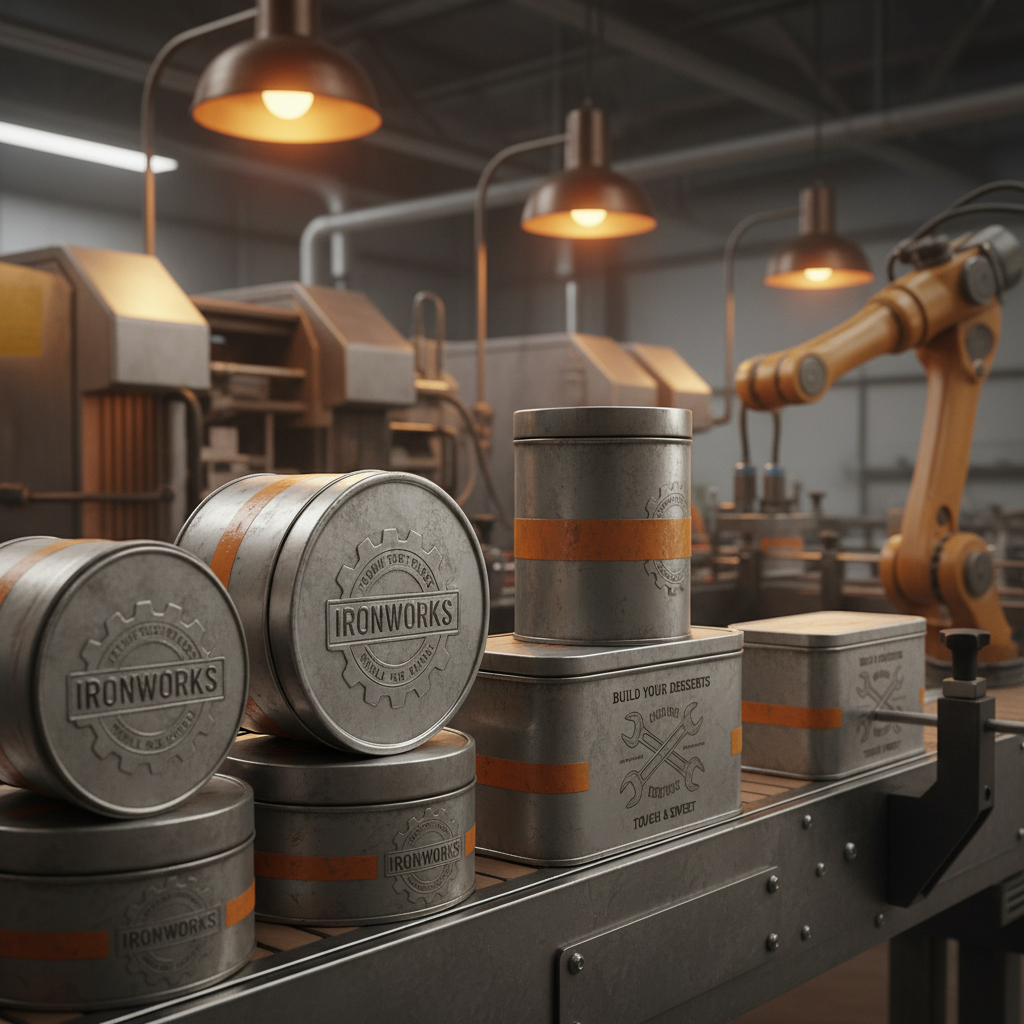
The global demand for high-quality food preservation has led to a sophisticated evolution in the design and manufacturing of metal canning cans. These containers are no longer just simple vessels; they are engineered barriers that protect nutritional integrity and extend shelf life across diverse climatic conditions. Understanding the nuances of material science and hermetic sealing is essential for any brand aiming to compete in the modern FMCG market.
From a logistical perspective, the efficiency of metal canning cans lies in their exceptional strength-to-weight ratio and their ability to withstand extreme pressure during the sterilization process. As global supply chains face increasing volatility, the reliability of metal packaging ensures that food security is maintained, reducing waste and providing a stable medium for transporting perishables over thousands of miles.
Moreover, the shift toward a circular economy has repositioned these containers as one of the most sustainable packaging options available. Unlike single-use plastics, the infinite recyclability of steel and aluminum means that the lifecycle of these products is a closed loop, aligning commercial profitability with environmental stewardship. This synergy of protection, efficiency, and sustainability makes the choice of canning materials a strategic business decision.
Global Relevance and Industry Context of Metal Canning Cans
In the current global industrial landscape, metal canning cans serve as a cornerstone for the global food and beverage industry. According to ISO standards for packaging, the ability to maintain a sterile environment is paramount to preventing food-borne illnesses and ensuring consumer safety. The industry has seen a steady growth rate as emerging economies adopt industrialized food processing techniques to combat seasonal food scarcity.
However, the industry faces a significant challenge: balancing the need for high-speed production with the requirement for absolute hermetic integrity. Any microscopic failure in the seam of a can can lead to spoilage, resulting in massive financial losses and potential health risks. This has pushed manufacturers to adopt precision engineering and automated inspection systems to ensure every unit meets rigorous quality benchmarks.
Defining Modern Metal Canning Cans and Their Purpose
At its most fundamental level, metal canning cans are specialized containers manufactured from tin-plated steel or aluminum, designed to be airtight and watertight. The "canning" process involves filling these containers with food or liquid, sealing them, and then heating them to a temperature that destroys microorganisms and enzymes that cause spoilage.
Beyond basic food storage, these containers are integral to humanitarian efforts and disaster relief. Because they do not require refrigeration and can withstand rough handling during air-drops or remote transport, they are the primary choice for NGOs and governmental bodies providing emergency nutrition in crisis zones. The durability of the metal shell provides a physical shield that plastic alternatives simply cannot match.
In the context of modern industry, the purpose of these cans has expanded to include a variety of shapes and sizes—ranging from standard round cylinders to specialized rectangular or oval forms. This versatility allows brands to differentiate their products on the shelf while maintaining the core technical benefits of metal, such as light blockage and oxygen barriers, which are critical for preserving vitamins and flavor profiles.
Key Factors Driving the Performance of Canning Containers
One of the most critical factors in the performance of metal canning cans is material durability. The use of high-grade tinplate prevents corrosion and provides the structural rigidity necessary to survive the "stacking" pressure in warehouses, ensuring that the product reaches the consumer without deformation.
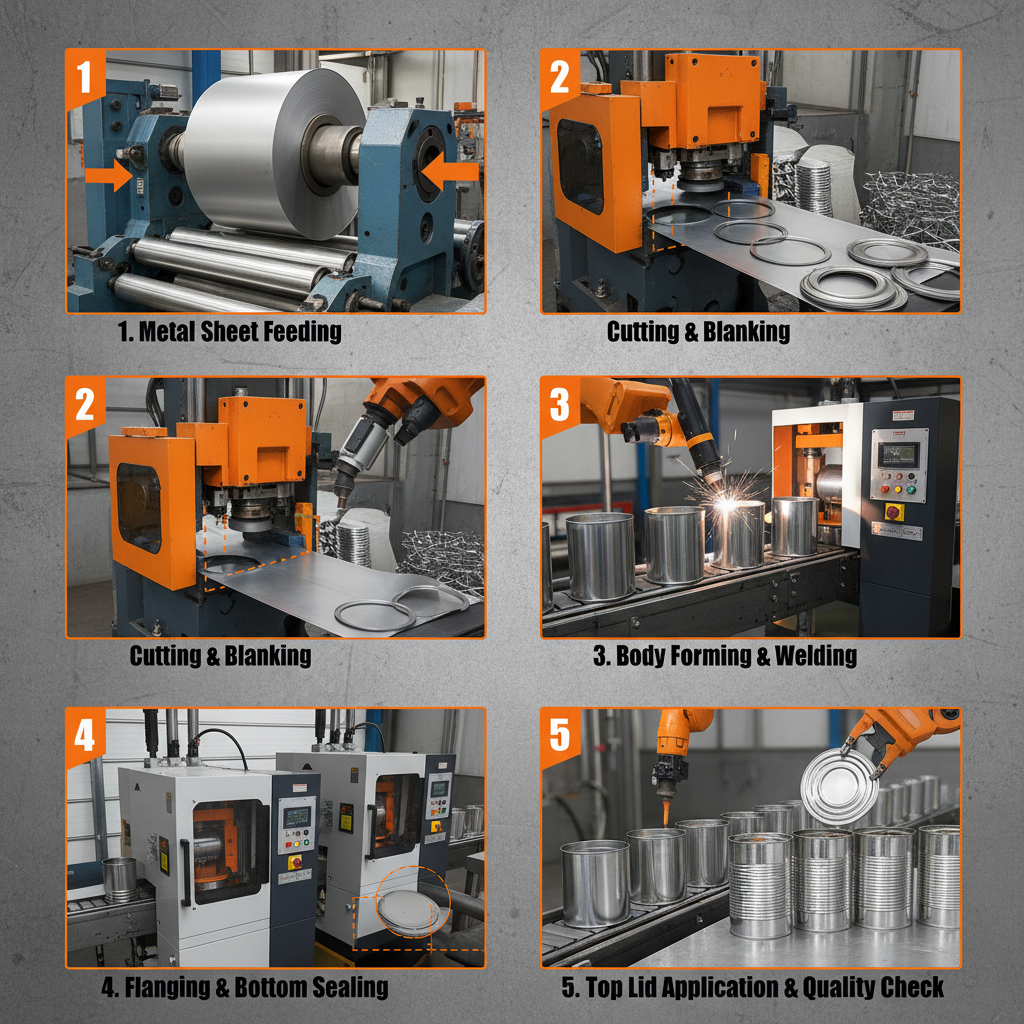
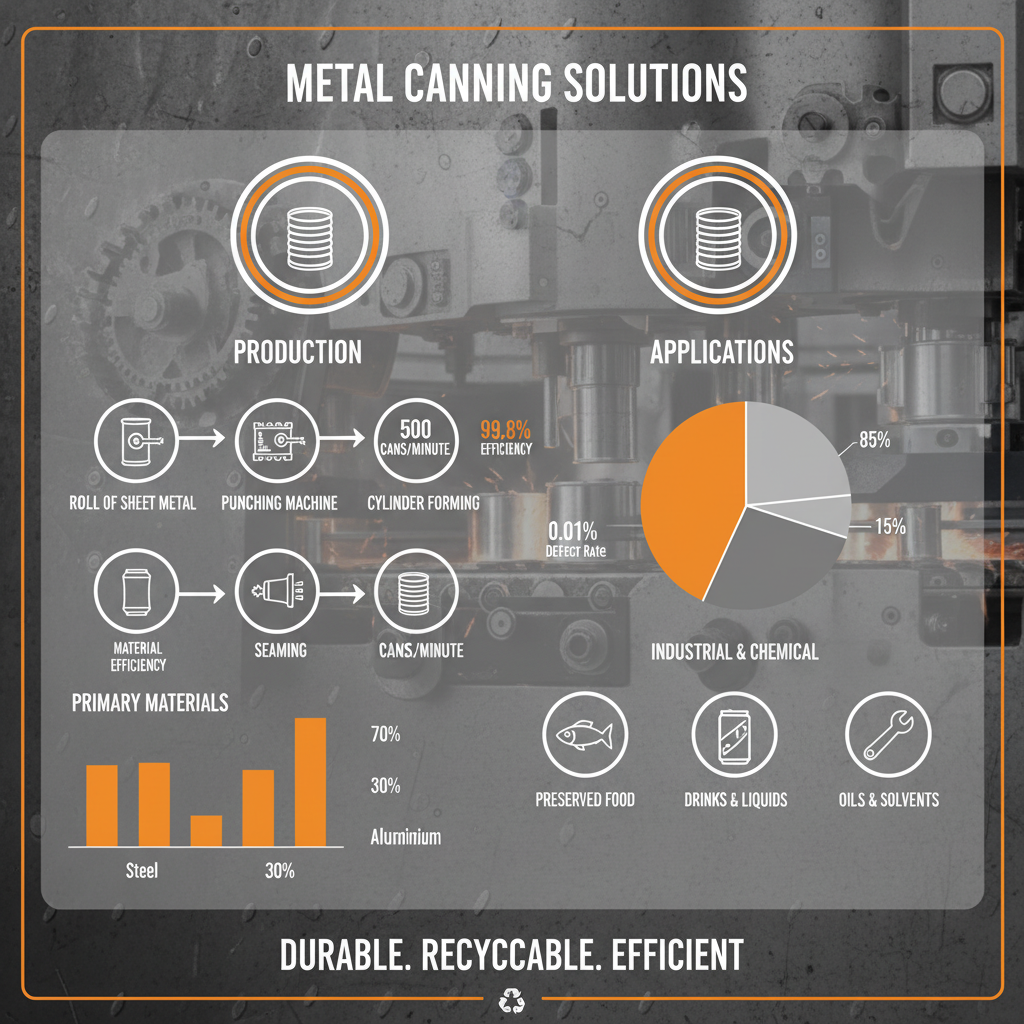
Furthermore, the scalability of production is a key driver. Modern canning lines can produce thousands of units per minute, utilizing advanced seam-welding technology. This efficiency ensures that cost-per-unit remains low, making canned goods accessible to lower-income populations globally while maintaining high industrial standards.
Finally, cost efficiency is balanced with safety through the application of internal food-grade coatings. These lacquers prevent the food from reacting with the metal, eliminating the "metallic taste" and preventing chemical leaching. This intersection of chemistry and metallurgy is what allows metal canning cans to remain the gold standard for long-term preservation.
Global Applications and Specialized Use Cases
The application of metal canning cans spans across multiple sectors, from commercial agriculture in Southeast Asia to high-end gourmet preserves in Europe. In industrial zones, these cans are used to store chemical precursors and lubricants that require an airtight environment to prevent oxidation, demonstrating that the utility of metal packaging extends far beyond the kitchen.
In post-disaster relief operations, such as those coordinated by the World Food Programme, the use of reinforced metal cans is non-negotiable. The ability to store high-calorie meals for several years without refrigeration allows aid agencies to preposition stocks in strategic hubs, ensuring that life-saving nutrition can be deployed within hours of a catastrophe.
Comparative Performance of Metal Canning Cans Types
Tangible Advantages and Long-Term Value
The primary advantage of choosing metal canning cans is the absolute security they provide. From a logical standpoint, the total blockage of UV light and oxygen prevents the degradation of fats and oils, which is a common failure point in plastic or glass packaging. This ensures that the taste, color, and nutrient density of the product remain consistent from the factory to the consumer's table.
Emotionally, metal packaging evokes a sense of trust and reliability. Consumers associate the "pop" of a vacuum-sealed lid with freshness and safety. Furthermore, the move toward sustainable materials adds a layer of dignity to the brand, as customers increasingly prefer products that do not contribute to ocean plastic pollution. The long-term value is thus a combination of product quality, brand loyalty, and environmental compliance.
Future Trends and Material Innovations
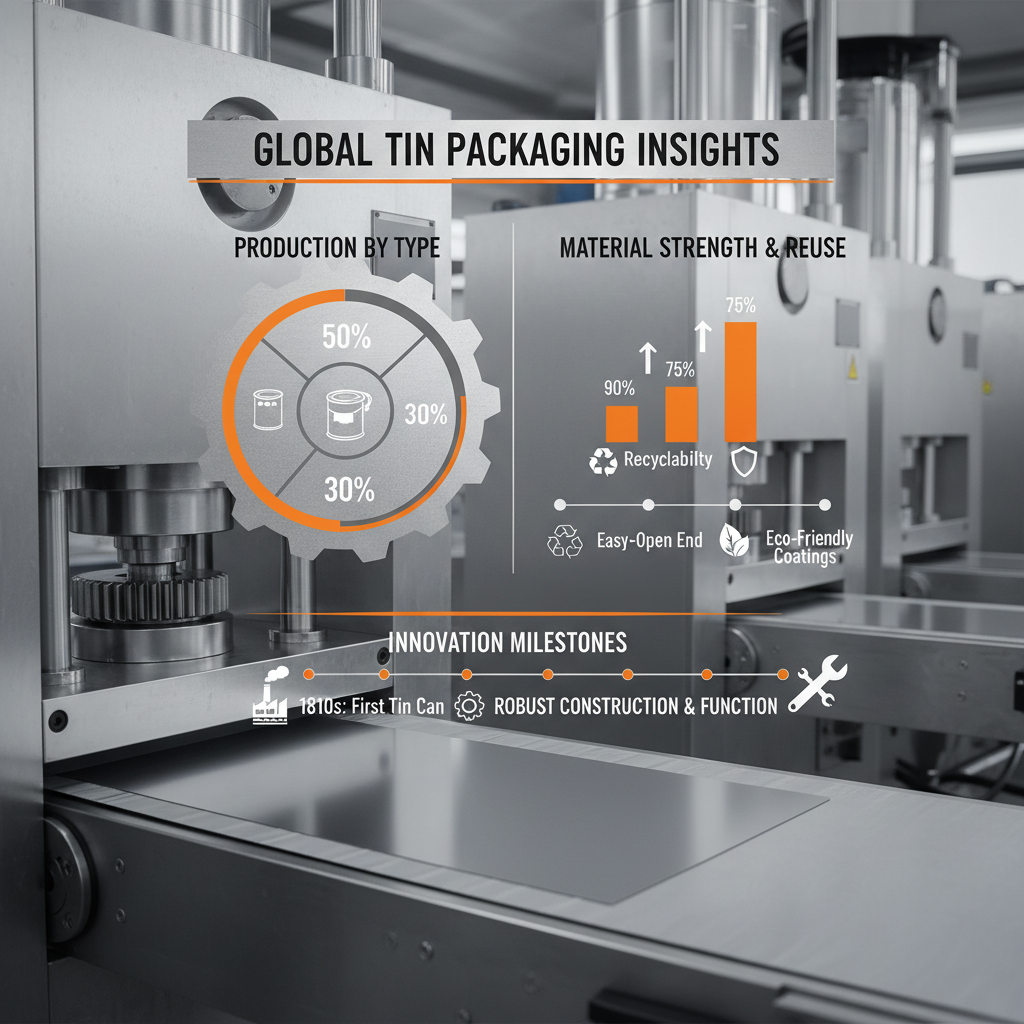
The future of metal canning cans is being shaped by the digital transformation of the supply chain. "Smart Cans" are currently in development, featuring integrated QR codes or RFID tags that allow consumers to track the origin of their food from the farm to the shelf, enhancing transparency and food safety.
Material science is also evolving with the introduction of BPA-free, organic coatings that offer the same protective qualities without the use of controversial chemicals. These innovations are driven by stricter EU and FDA regulations, pushing the industry toward a more health-conscious approach to internal lining.
Automation and AI are further optimizing the manufacturing process. Predictive maintenance in canning plants reduces downtime, while AI-driven visual inspection systems can detect seam defects at a micron level, virtually eliminating the possibility of contaminated batches reaching the market.
Challenges and Expert Solutions in Metal Packaging
One of the most persistent challenges in the production of metal canning cans is the vulnerability to oxidation in high-humidity environments. This can lead to "rusting" of the exterior, which, while not always affecting the internal product, severely damages the commercial appeal and perceived quality of the brand.
To overcome this, industry experts recommend the use of advanced electro-coating and high-performance polymers. By applying a multi-layered protective finish, manufacturers can ensure that the cans remain pristine even during sea freight in salty, humid conditions. Additionally, transitioning to aluminum for specific product lines can eliminate the rust issue entirely, albeit at a higher material cost.
Another challenge is the energy-intensive nature of metal smelting. The solution lies in the transition to "Green Steel" and "Green Aluminum," produced using hydrogen power or renewable energy. By integrating these sustainable materials, companies can maintain the structural benefits of metal while drastically reducing their carbon footprint.
Technical Analysis of Metal Canning Cans Material Variants
| Material Type |
Barrier Strength |
Recyclability |
Cost Efficiency |
| Tin-Plated Steel |
Very High |
Infinite |
High |
| Aluminum Alloy |
High |
Infinite |
Medium |
| Lacquer-Coated Steel |
Maximum |
High |
Medium |
| Special Shape Alloy |
Medium |
High |
Low |
| Industrial Grade Tin |
High |
Infinite |
Very High |
| Poly-lined Metal |
Very High |
Medium |
Medium |
FAQS
Metal canning cans provide a total barrier against oxygen, moisture, and light, which are the three primary catalysts for food spoilage. Unlike plastics, which can be permeable to gases over time, metal ensures a true hermetic seal, allowing products to remain safe and nutritious for years without the need for artificial preservatives.
To ensure your cans are BPA-free, you should request a technical data sheet (TDS) from your manufacturer specifically detailing the internal lacquer composition. Look for certifications that comply with modern FDA or EU food-contact regulations, and specify "BPA-NI" (BPA Non-Intent) coatings during the procurement process.
While standard round cans offer the best structural resistance to internal pressure, special shapes (like squares or hearts) are designed with reinforced corners and thicker walls to compensate for the lack of a natural arch. They are highly durable for retail display and shipping, though they may require different sealing machinery.
The best prevention is the application of an exterior varnish or an electro-coat. This creates a hydrophobic layer that prevents moisture and salt from reaching the steel. Additionally, ensuring proper ventilation in warehouses to reduce humidity levels can significantly extend the visual shelf life of the packaging.
Yes, in most cases. Metal is significantly lighter than glass, which drastically reduces shipping costs and carbon emissions. Furthermore, the shatter-proof nature of metal eliminates product loss during transit, often resulting in a lower total cost of ownership despite the initial material price.
Metal cans are sorted via powerful magnets (for steel) or eddy current separators (for aluminum). Once sorted, they are melted down in furnaces and reformed into new sheets. Because the properties of the metal do not degrade during the recycling process, this creates a highly efficient, infinite loop of material use.
Conclusion
In summary, metal canning cans represent the perfect intersection of industrial utility and consumer safety. By providing an impenetrable barrier against environmental contaminants and offering a sustainable, infinitely recyclable alternative to plastics, they continue to be an indispensable asset in the global food supply chain. The combination of material durability, scalability in production, and evolving "green" technologies ensures their relevance for decades to come.
As the industry moves toward smarter packaging and more eco-friendly smelting processes, businesses that invest in high-quality metal packaging will gain a competitive edge in both performance and brand reputation. Whether you are scaling a gourmet food line or managing large-scale humanitarian logistics, the reliability of metal is an investment in quality. Visit our website for more professional packaging solutions: www.packaging-help.com