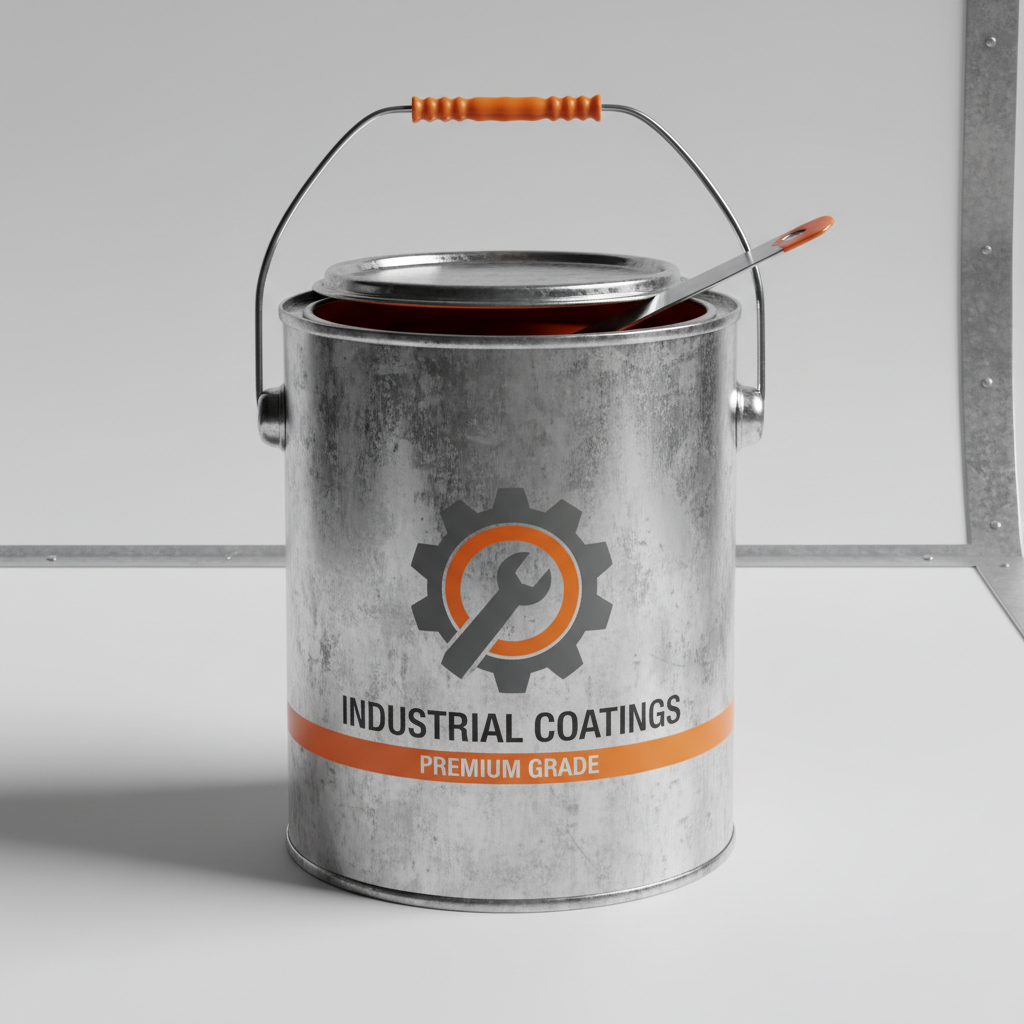
The world runs on coatings, plain and simple. From the cars we drive to the buildings we live in, everything relies on a durable, protective layer. And for decades, the workhorse of that industry has been the humble metal paint can. You wouldn’t think something so seemingly basic would be so critical, but spend a day on a construction site, wrestling with different packaging solutions, and you quickly realize just how much depends on it. It's not just about containing paint; it's about reliability, safety, and minimizing waste, all things I’ve seen firsthand over years of boots-on-the-ground experience.
For a product manager like myself, the metal paint can isn't a spec on a sheet, it's something I’ve physically handled – dented, rusted, and relied upon in every weather condition. I’ve talked to painters, contractors, and engineers who will tell you, without hesitation, that a good can can make or break a project. It's a surprisingly complex piece of engineering, and the industry is constantly evolving to meet new demands for sustainability, performance, and cost-effectiveness.
The seemingly simple metal paint can has become integral to countless industries, supporting everything from infrastructure projects to DIY home improvements. Ensuring the integrity of the product within – whether it's a high-performance industrial coating or a vibrant shade of latex – demands a packaging solution that's robust, reliable, and compliant with increasingly stringent regulations. That’s the challenge we face, and why understanding this core technology is so crucial.
The Fundamental Role of metal paint can
At its core, the metal paint can serves a deceptively simple purpose: to safely contain and preserve a liquid coating. But it's far from just a container. It’s a crucial part of the product’s lifecycle, impacting everything from shelf life and transportation to ease of application. Having spent years working alongside paint formulators and applicators, I’ve seen how a compromised can – a leaky seal, a dented side – can lead to wasted product, project delays, and ultimately, increased costs.
The material itself, typically steel or aluminum, plays a key role. The choice depends on factors like paint chemistry, required durability, and cost. Steel provides excellent strength and is often coated to prevent corrosion, while aluminum is lighter and offers superior corrosion resistance. It's about finding the right balance for the specific application.
Historical Context and Evolution of metal paint can
Believe it or not, the metal paint can hasn't always been metal. Early paints were stored in glass jars or earthenware pots, which were fragile and expensive. The transition to metal, particularly tinplate steel, began in the 19th century, spurred by advancements in metalworking and a growing demand for more durable packaging. It was a game-changer, making paint more accessible and easier to transport.
Over the years, the design has evolved. We've moved from simple, round cans to more sophisticated shapes with features like pour spouts and easy-open lids. These innovations aren't just about convenience; they’re about reducing mess, minimizing waste, and improving safety on the jobsite.
More recently, the focus has shifted towards sustainability. Manufacturers are exploring lighter-gauge metals, using recycled content, and developing more efficient manufacturing processes to reduce their environmental footprint. It's a continuous process of improvement, driven by both market demands and a growing awareness of environmental responsibility.
Core Components and Manufacturing Processes of metal paint can
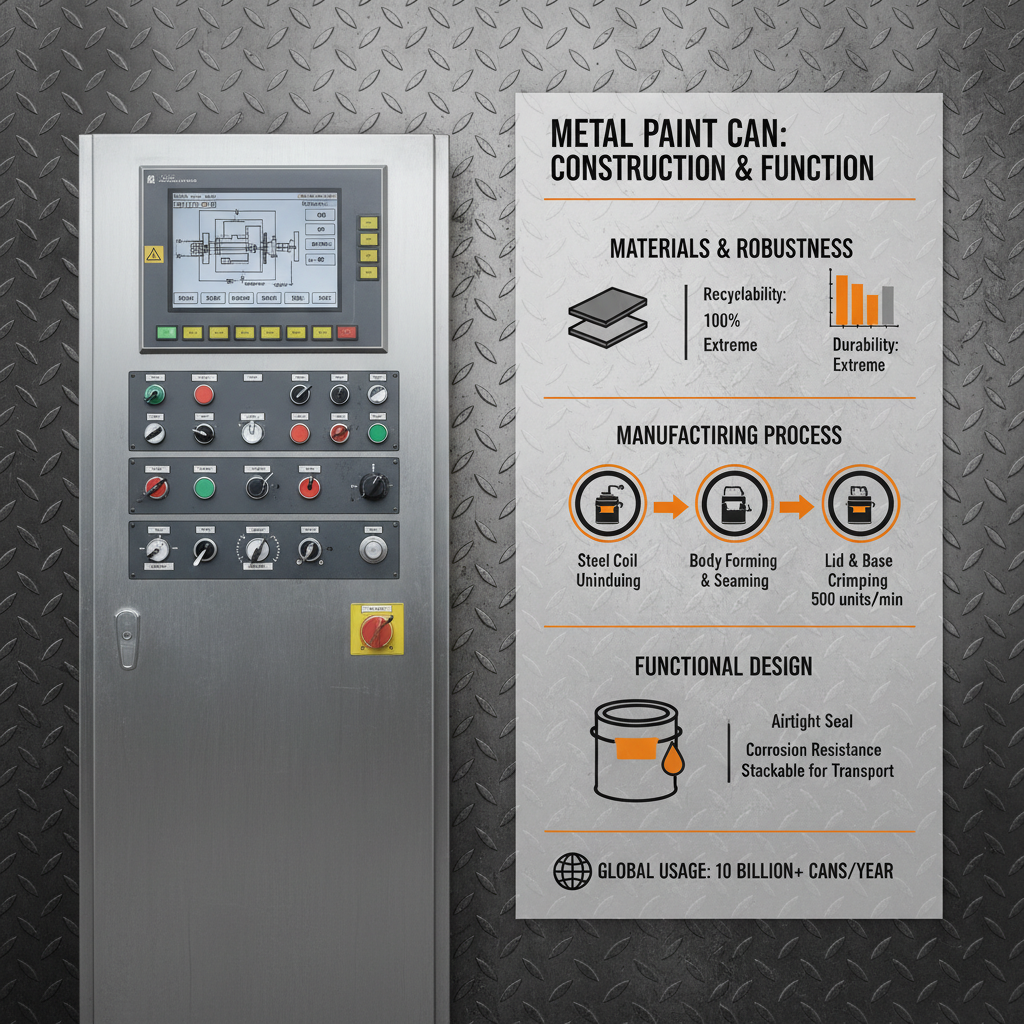
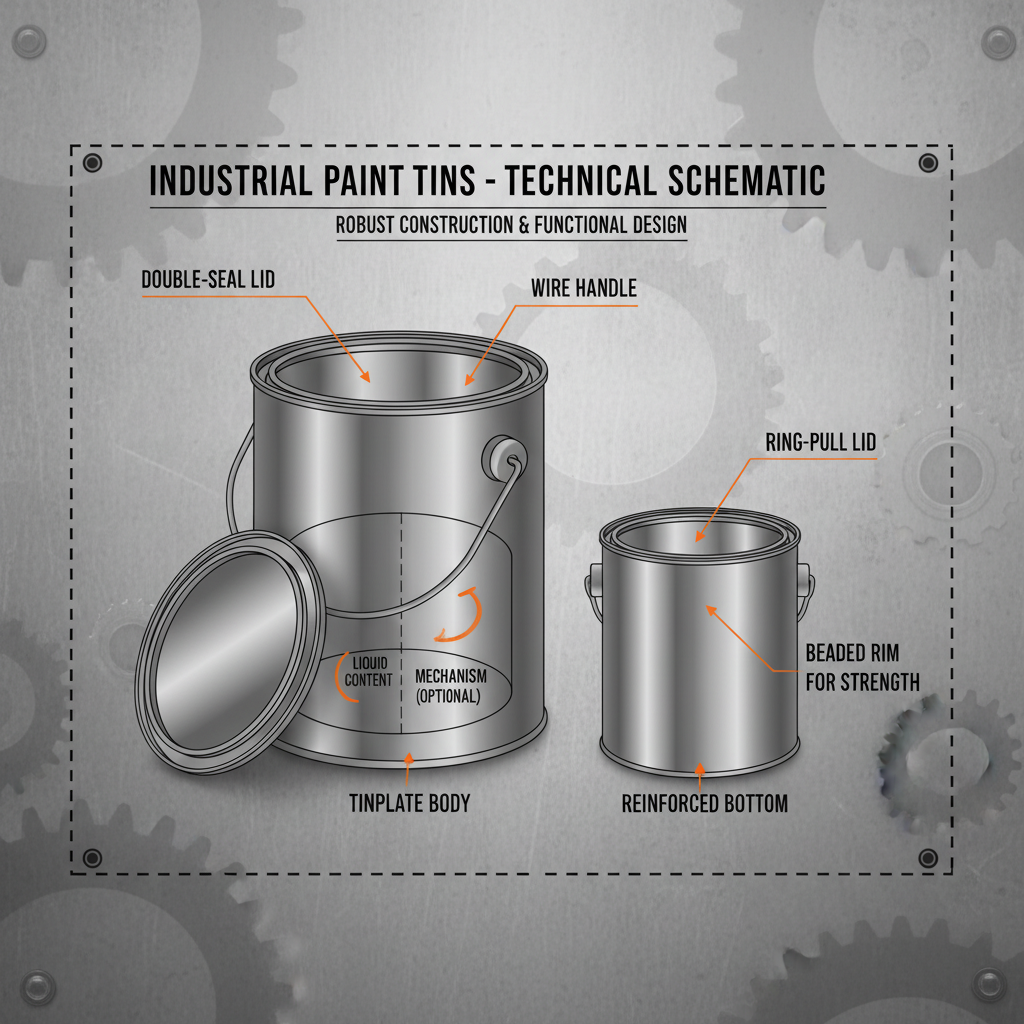
A standard metal paint can isn’t a single piece of metal; it's an assembly of several components. You have the body, formed from a sheet of metal through a process called drawing and ironing. Then there's the end seams, which create an airtight seal, and the lid, often with a gasket to further prevent leakage. Even the handle, seemingly simple, is engineered for strength and ergonomics.
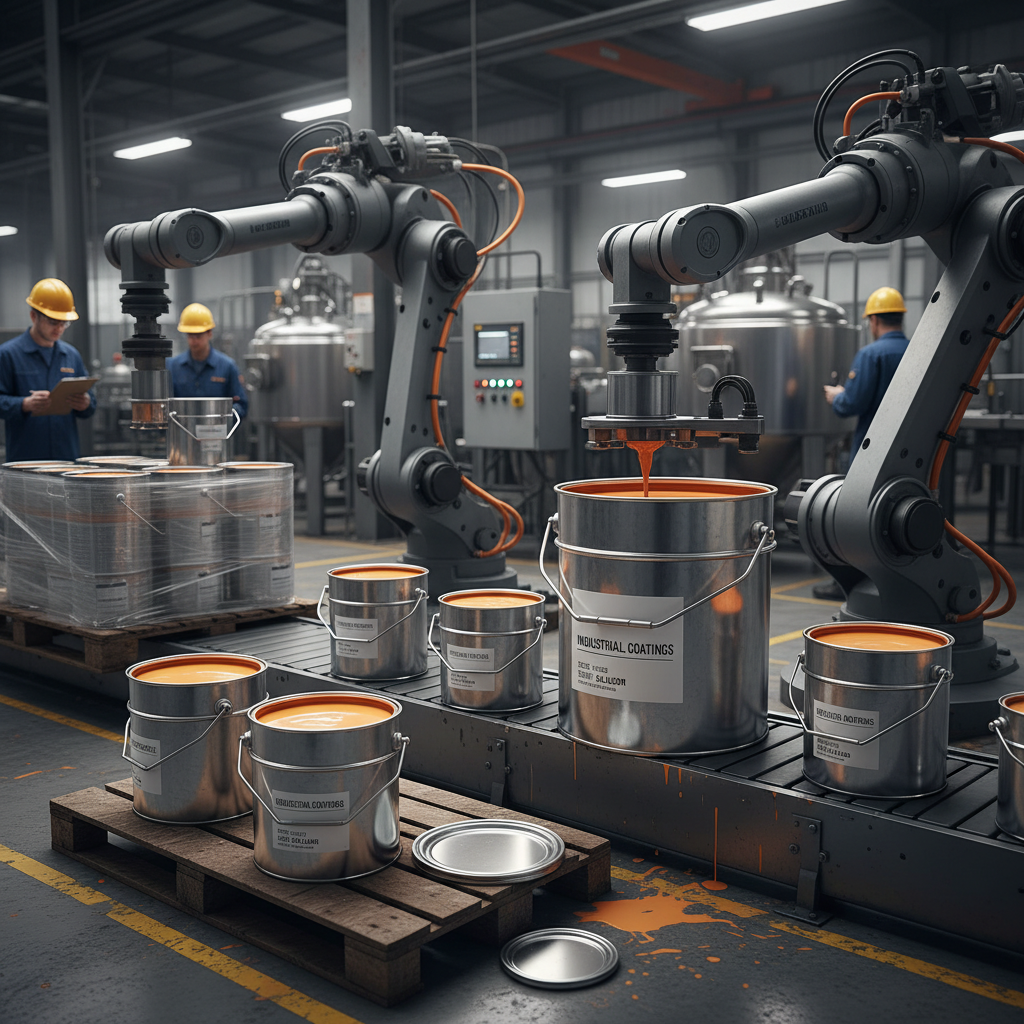
The manufacturing process is surprisingly complex. It starts with cutting the metal sheet to the correct size, then forming the body, applying coatings (both internal and external for corrosion protection), and finally assembling the can and testing its integrity. I've spent hours in manufacturing plants watching this process, and the precision and quality control are impressive. Any flaw, even a microscopic one, can compromise the can's performance.
Modern facilities increasingly employ automated systems for inspection and quality control, using sensors and cameras to detect defects and ensure consistent quality. It’s a far cry from the manual inspection processes of the past, and it's essential for meeting the demands of today's market.
Performance Characteristics and Quality Control in metal paint can
The performance of a metal paint can is judged by several key characteristics: its ability to withstand internal pressure, resist corrosion, prevent leakage, and maintain its structural integrity during transportation and handling. These aren’t just theoretical metrics; they're directly related to real-world performance on the jobsite.
Quality control is paramount. Manufacturers employ a range of tests, including pressure testing, leak testing, and coating adhesion tests, to ensure that every can meets strict standards. They also conduct routine inspections of raw materials and manufacturing processes to identify and correct any potential issues.
metal paint can Performance Metrics
Global Applications and Industry Specifics of metal paint can
The applications for metal paint cans are incredibly diverse. You'll find them in architectural coatings, industrial paints, automotive finishes, and even specialty products like adhesives and sealants. Different industries have different requirements, driving variations in can size, shape, and coatings.
In the automotive industry, for example, cans need to withstand exposure to harsh chemicals and solvents. Architectural coatings, on the other hand, often prioritize corrosion resistance to protect against the elements. Understanding these nuances is critical for selecting the right can for the job.
Advantages and Limitations of Using metal paint can
The benefits of using metal paint cans are well-established. They offer excellent protection, are relatively inexpensive, and are readily recyclable. They also provide a good barrier against moisture and oxygen, extending the shelf life of the paint. I’ve seen them withstand incredible abuse on construction sites and still keep the contents secure.
However, they’re not without limitations. Metal cans can be susceptible to corrosion, especially if the coating is damaged. They also add weight to the overall product, increasing shipping costs. And, despite recycling efforts, they still require energy and resources to manufacture.
The challenge is to mitigate these drawbacks through improved materials, coatings, and manufacturing processes, while continuing to leverage the many advantages that metal cans offer.
Future Trends and Innovations in metal paint can Technology
The future of metal paint can technology is focused on sustainability and performance. We’re seeing increased use of recycled materials, as well as the development of bio-based coatings that are more environmentally friendly. Lightweighting – reducing the amount of metal used in each can – is another key area of innovation.
Smart packaging is also emerging. Imagine cans with integrated sensors that can monitor temperature, pressure, and even detect tampering. This technology could significantly improve product quality and safety.
Digital printing is another trend, allowing for customized designs and reduced waste. Ultimately, the goal is to create a can that is not only protective and reliable but also environmentally responsible and cost-effective.
Summary of Key Trends in metal paint can Technology
| Trend Category |
Description |
Potential Impact |
Implementation Timeline |
| Recycled Content |
Increasing the percentage of recycled metal used in can manufacturing. |
Reduced environmental footprint, lower material costs. |
Currently being implemented, expected to expand rapidly. |
| Bio-Based Coatings |
Replacing traditional coatings with sustainable, plant-derived alternatives. |
Reduced VOC emissions, improved biodegradability. |
5-10 years for widespread adoption. |
| Lightweighting |
Reducing the thickness of the metal used in can construction. |
Lower material costs, reduced shipping weight. |
Ongoing, gradual implementation. |
| Smart Packaging |
Integrating sensors and data analytics into can design. |
Improved product quality control, enhanced supply chain visibility. |
10+ years for broad market penetration. |
| Digital Printing |
Utilizing digital printing technologies for customized can designs. |
Reduced waste, increased design flexibility. |
Currently gaining traction, expected to become more prevalent. |
| Advanced Corrosion Resistance |
Developing new coating materials and treatments to enhance corrosion protection. |
Extended product shelf life, reduced risk of leakage. |
3-5 years for significant advancements. |
FAQS
Solvent-based paints require a can with a highly resistant internal coating to prevent the paint from reacting with the metal. The coating needs to withstand prolonged exposure to the solvents without breaking down or contaminating the paint. Steel cans are often preferred for these applications due to their strength, but the internal coating is the critical factor. We test these coatings rigorously to ensure compatibility and prevent corrosion.
The gauge directly impacts the can’s strength and resistance to dents and punctures. Thicker gauges provide greater protection but also increase the cost and weight. We work closely with paint manufacturers to determine the optimal gauge based on the type of paint being packaged, transportation requirements, and desired shelf life. Finding the right balance is key.
Yes, metal paint cans are highly recyclable! Steel and aluminum are valuable materials that can be recycled repeatedly without losing quality. The process typically involves shredding the cans, melting the metal, and reforming it into new products. Empty cans should be drained as much as possible and may need to be accepted at specialized recycling facilities depending on local regulations.
The lid seal is absolutely crucial. A compromised seal allows air to enter the can, causing the paint to dry out and form a skin. We use multiple layers of sealing technology, including gaskets and precisely engineered seams, to ensure an airtight closure. Regular quality control checks are performed to verify the integrity of each seal.
The primary concerns are energy consumption during manufacturing and the potential for emissions. We’re addressing these through the use of recycled materials, more efficient manufacturing processes, and the development of lower-VOC coatings. We’re also exploring alternative materials and designs to further reduce our environmental footprint.
That's where the internal coating comes in. It's a specifically formulated barrier that prevents any chemical interaction between the metal and the paint. We work with coating suppliers to ensure compatibility with a wide range of paint formulations. Rigorous testing is conducted to verify that the coating doesn’t alter the paint’s color, viscosity, or performance characteristics.
Conclusion
The metal paint can, despite its apparent simplicity, remains a cornerstone of the coatings industry. From its historical evolution to the cutting-edge innovations shaping its future, this packaging solution continues to adapt and meet the evolving needs of manufacturers and consumers alike. Understanding its core components, performance characteristics, and sustainability considerations is essential for anyone involved in the paint and coatings supply chain.
Looking ahead, the focus will undoubtedly be on minimizing environmental impact and maximizing performance through the use of recycled materials, advanced coatings, and smart packaging technologies. The future of the metal paint can isn't just about containing paint; it's about contributing to a more sustainable and efficient future for the industry as a whole. For more information on our range of packaging solutions, visit our website: www.packaging-help.com