Rectangular metal containers are ubiquitous across numerous industries, forming a foundational element in global logistics, storage, and increasingly, innovative construction and emergency response. Their robust nature and adaptability make them critical for safeguarding and transporting goods, from raw materials to finished products, across vast distances. Understanding their properties, applications, and future potential is vital for professionals in supply chain management, engineering, and humanitarian aid, as well as anyone interested in the infrastructure that supports modern life.
The global demand for efficient and reliable packaging and construction solutions drives the consistent use of rectangular metal containers. According to the World Steel Association, steel production reached 1.831 billion tonnes in 2022, demonstrating the continued importance of metal in global manufacturing and infrastructure. The increasing need for readily deployable structures in disaster relief and temporary housing contributes to the rising demand for specialized metal containers, highlighting their versatility beyond traditional shipping.
These containers address a critical challenge: the need for durable, secure, and transportable solutions for a wide range of applications. Whether it’s protecting sensitive electronics during transit or providing shelter in crisis situations, the inherent qualities of rectangular metal containers – strength, weather resistance, and stackability – offer practical and cost-effective benefits that traditional materials often struggle to match. This demand reinforces their status as essential components of modern infrastructure and a key facilitator of global trade.
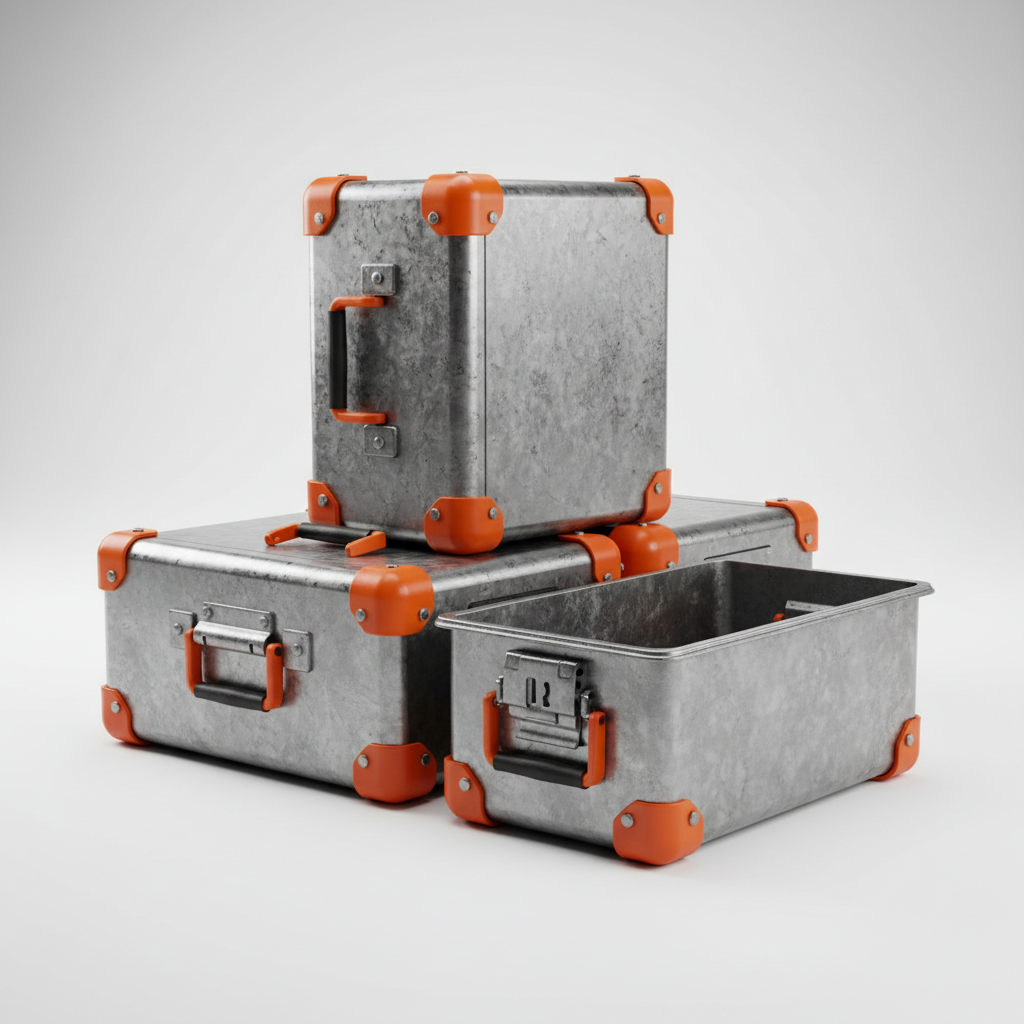
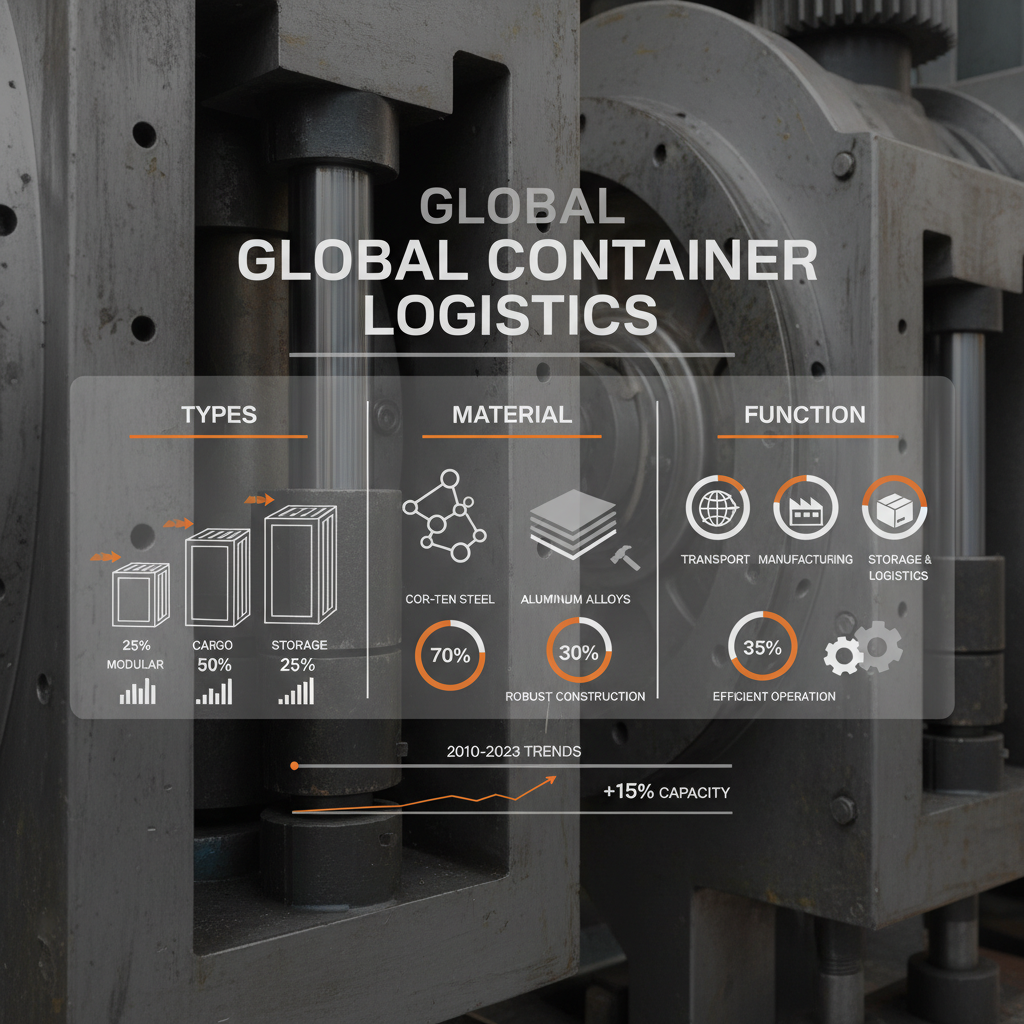
Rectangular metal containers play a pivotal role in the global economy, facilitating the efficient and secure transport of goods across international borders. Their standardized dimensions and robust construction are critical for intermodal transport, allowing for seamless transitions between ships, trains, and trucks. This standardization streamlines logistics, reduces handling costs, and contributes to the overall efficiency of global supply chains.
Beyond transportation, rectangular metal containers are increasingly recognized for their versatility in diverse applications, including modular construction, temporary housing, and emergency shelter provision. The ability to rapidly deploy and adapt these containers makes them ideal for addressing urgent needs in disaster relief scenarios and for creating sustainable, cost-effective building solutions. This adaptability positions them as a key element in creating resilient infrastructure.
Rectangular metal containers offer significantly greater durability, security, and weather resistance than tents. They provide a more stable and long-lasting shelter solution, protecting occupants from extreme temperatures, wind, and rain. They are also less susceptible to theft and vandalism, enhancing the safety and security of those affected by disasters. The containers can be modified to include insulation, ventilation, and basic amenities, creating a more comfortable and dignified living space.
With proper maintenance, rectangular metal container homes can last for decades, even in disaster-prone areas. Regular inspection and repair of the container's exterior coating are essential to prevent corrosion. Foundation stability is also crucial, particularly in areas prone to earthquakes or flooding. Interior maintenance is similar to that of a traditional home, including regular upkeep of plumbing, electrical systems, and insulation. A well-maintained container home can withstand extreme weather events and provide long-term housing security.
Container housing can be remarkably eco-friendly by repurposing existing structures, reducing the demand for new building materials. While modifications and transportation costs do factor into the overall cost, they are often offset by the container’s durability, reduced construction time, and potential for customization. Utilizing locally sourced materials for insulation and interior finishes can further minimize the environmental footprint and cost. When compared to traditional construction, container homes frequently offer significant savings.
NGOs importing containers internationally encounter challenges related to customs regulations, shipping costs, and port infrastructure. Compliance with import permits, tariffs, and inspection requirements varies significantly by country. Efficient shipping requires careful planning and negotiation with freight forwarders. Limited port capacity and handling equipment in some regions can also create logistical bottlenecks. Thorough documentation, coordination with local authorities, and careful budgeting are essential for successful container imports.
When properly modified by qualified professionals, the structural integrity of a container home can be comparable to, and in some cases even exceed, that of a traditionally built home. Steel is an exceptionally strong building material, and containers are designed to withstand significant loads during shipping. However, any modifications, such as cutting openings for doors and windows, must be carefully engineered to maintain the container's structural integrity. Reinforcement and proper welding are crucial to ensure safety and stability.
Regulations and building codes for container homes vary considerably by country and even by local jurisdiction. Some areas treat container homes as temporary structures, while others require them to meet the same standards as traditional buildings. Common regulations address structural safety, fire resistance, insulation, ventilation, and plumbing. Compliance often requires obtaining building permits and undergoing inspections to ensure the container home meets all applicable codes. Thorough research and consultation with local building officials are essential.
Rectangular metal containers represent a versatile and sustainable solution addressing critical needs in logistics, construction, and humanitarian aid. Their inherent durability, scalability, and cost-efficiency, coupled with ongoing innovations in materials and technology, position them as an increasingly important component of global infrastructure. The capacity to adapt to diverse applications, from standard shipping to affordable housing, highlights their significant long-term value and environmental benefits.
Looking ahead, the continued development of smart container technologies, renewable energy integration, and automated modification processes will unlock even greater potential for these adaptable structures. As we strive for more resilient and sustainable communities, rectangular metal containers will undoubtedly play a pivotal role in shaping the future of building and logistics. To learn more about optimizing your packaging and container solutions, visit our website: www.packaging-help.com.