When it comes to preserving the freshness and presentation of baked goods, round cookie tins with lids stand as the gold standard in the packaging industry. These containers are not merely storage vessels but are engineered solutions designed to protect delicate contents from moisture, air, and physical impact, ensuring that the sensory experience of the consumer remains intact from the bakery to the home.
Globally, the demand for high-quality metal packaging has surged as consumers shift away from single-use plastics toward sustainable, reusable, and aesthetically pleasing alternatives. The circular geometry of these tins provides structural integrity and efficient space utilization, making them a preferred choice for both artisanal bakers and large-scale industrial food producers who prioritize brand image and product longevity.
Understanding the technical nuances of material composition, lid airtightness, and coating quality is essential for businesses looking to optimize their supply chain. By investing in the right round cookie tins with lids, companies can significantly reduce food waste, enhance shelf life, and create a premium unboxing experience that fosters long-term customer loyalty.
The Industrial Significance of Round Cookie Tins with Lids
In the broader context of the global packaging market, round cookie tins with lids play a critical role in maintaining food safety standards. According to ISO guidelines for food-contact materials, metal containers provide a superior barrier against oxygen and light compared to flexible plastics, which is vital for preventing the oxidation of fats in butter-rich cookies.
The industry challenge has always been balancing rigidity with weight. Modern manufacturing processes now allow for thinner yet stronger tinplate, reducing shipping costs while maintaining the protective shell necessary for international transport, ensuring that products arrive without breakage.
Technical Specifications and Material Composition
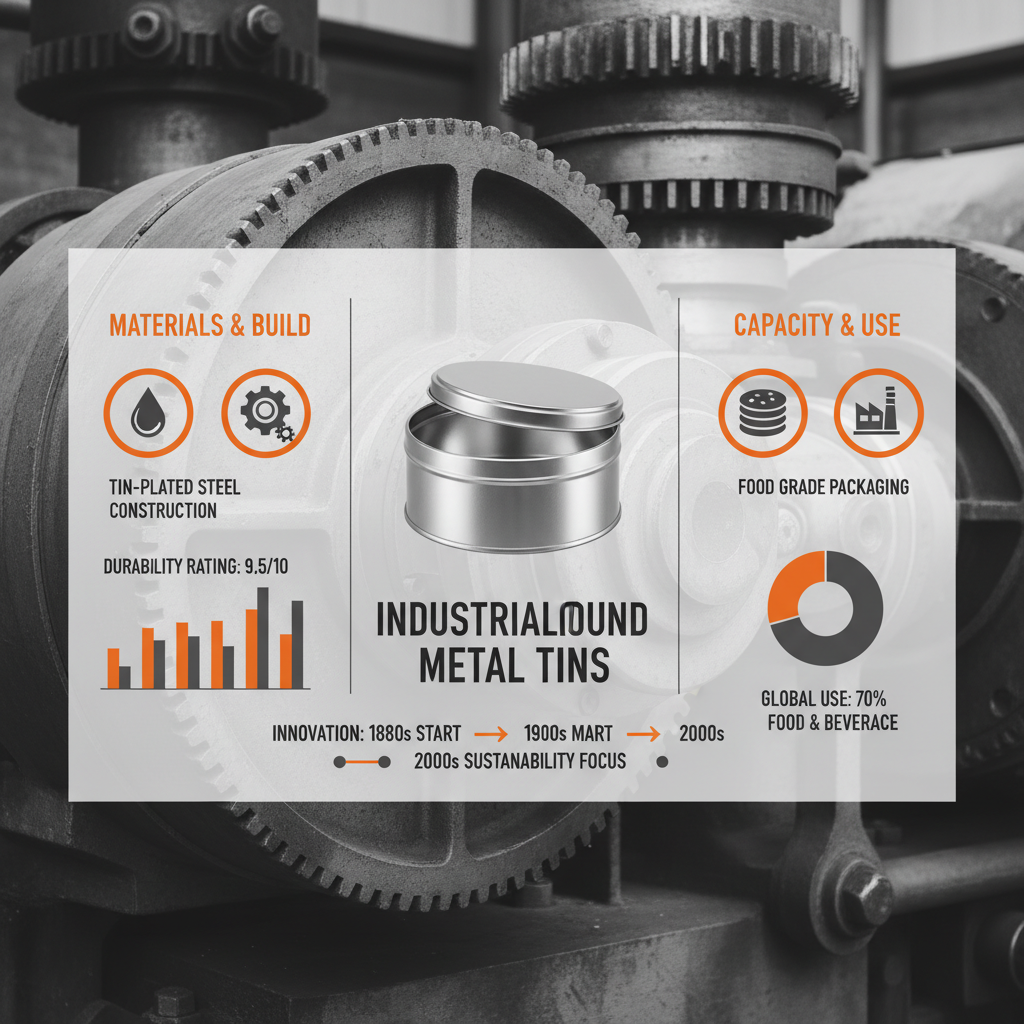
Most professional-grade round cookie tins with lids are fabricated from tin-plated steel (tinplate), which combines the strength of steel with the corrosion resistance of tin. This composition ensures that the container does not react with the acidity of certain ingredients, preventing metallic off-flavors from leaching into the baked goods.
Beyond the base metal, the internal coating is a pivotal technical detail. Food-grade lacquer or BPA-free linings are applied to create an inert barrier. This is particularly important for cookies containing high moisture or oil content, as it prevents the metal from rusting and ensures the product remains pristine throughout its shelf life.
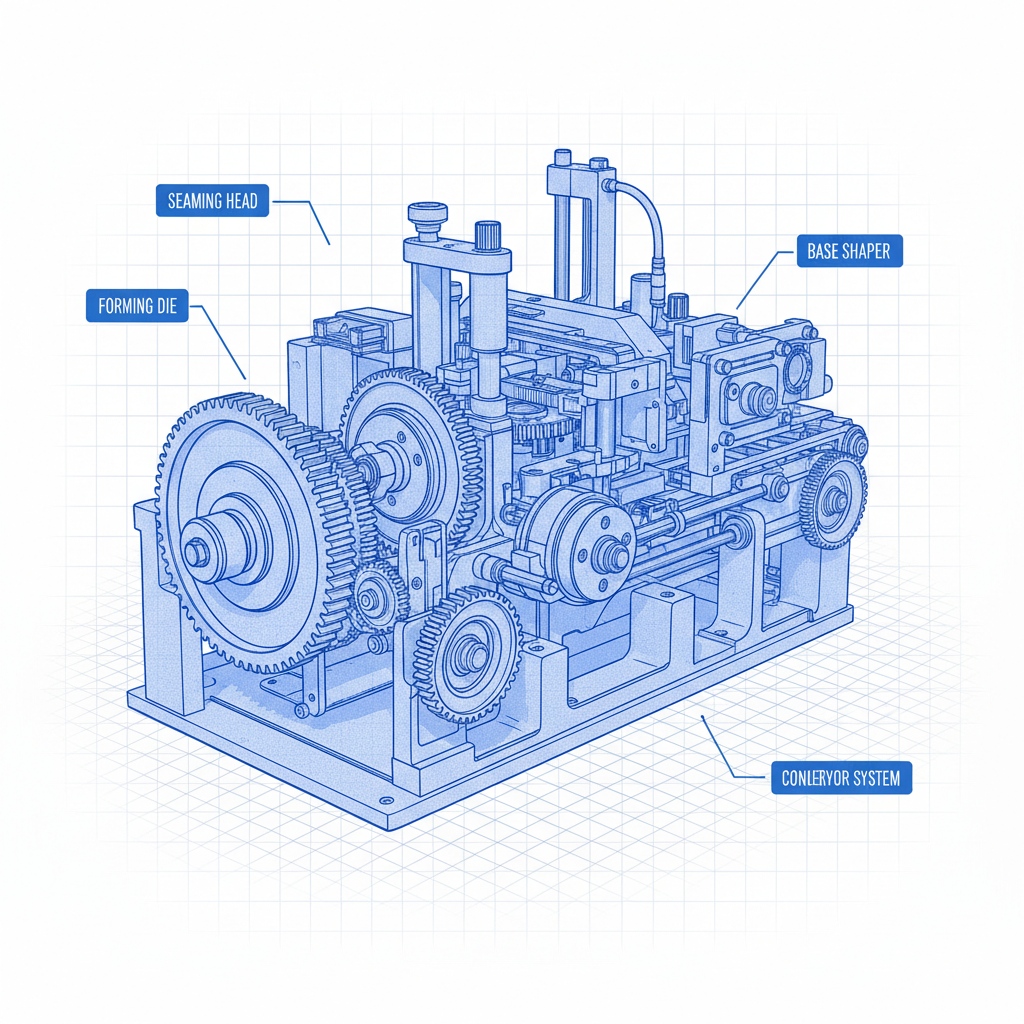
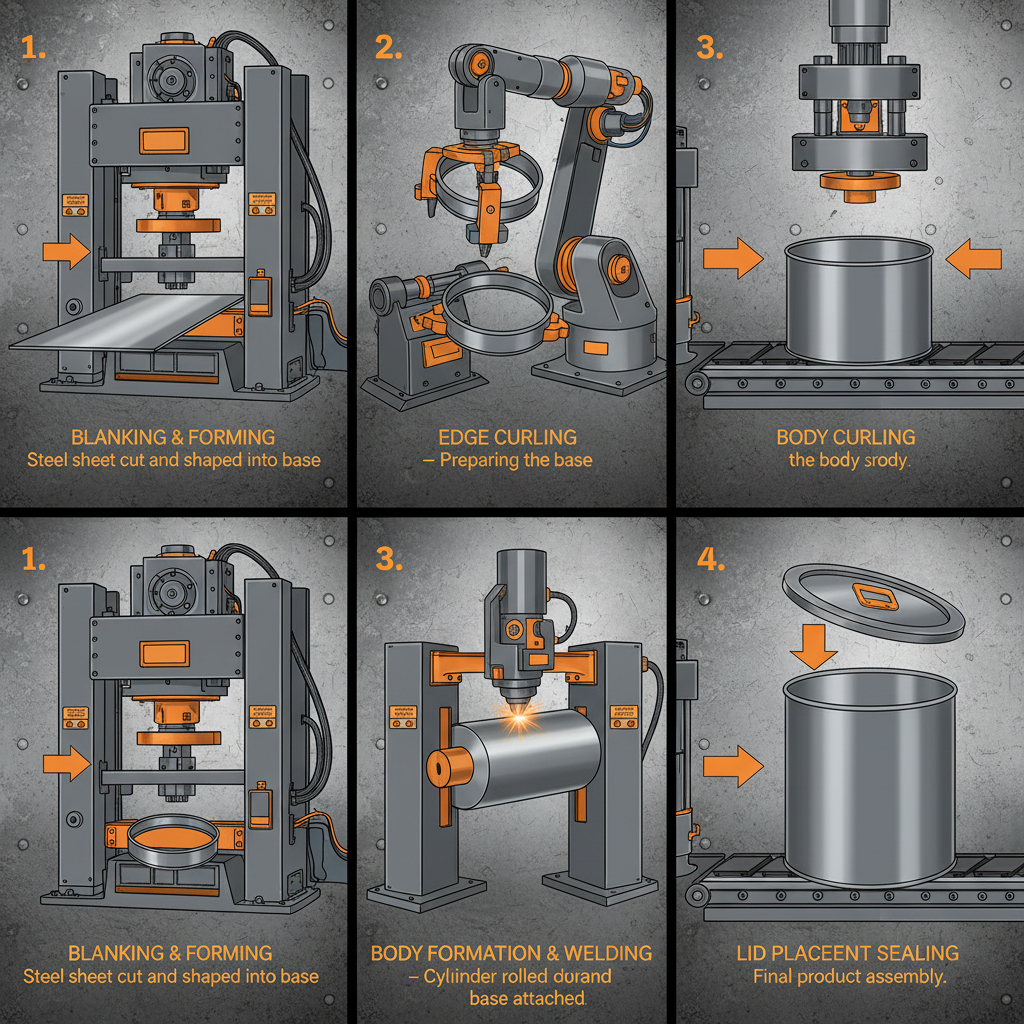
The precision of the "round" shape is not merely aesthetic; it is a result of advanced deep-drawing technology. This process ensures uniform wall thickness and eliminates weak points, allowing the tins to withstand significant vertical pressure when stacked in warehouses or retail displays.
Core Components of High-Performance Metal Packaging
The primary effectiveness of round cookie tins with lids relies on the airtight seal formed between the body and the lid. A precision-fit slip lid creates a vacuum-like effect that minimizes air exchange, which is the leading cause of staling in confectionery products.
Durability is another cornerstone of these containers. Unlike cardboard or plastic, the metal structure of round cookie tins with lids offers a high impact resistance, making them ideal for gift sets and holiday hampers where the packaging is as much a part of the value proposition as the content.
Lastly, the scalability of customization—ranging from embossed logos to high-definition CMYK printing—allows brands to transform a functional item into a marketing tool. This versatility ensures that the packaging aligns with the premium positioning of the brand in a competitive retail environment.
Comparative Analysis of Tin Closure Systems
Selecting the right lid for round cookie tins with lids depends largely on the intended user experience. While standard friction-fit lids are cost-effective and common, airtight gaskets or locking mechanisms are employed for luxury lines where maximum freshness is non-negotiable.
The choice of closure impacts not only the preservation but also the perceived value. A heavy-gauge lid that "clicks" into place suggests quality and security, whereas a loose lid can lead to consumer dissatisfaction due to product spoilage.
Efficiency Ratings of Different Closure Systems for Round Cookie Tins with Lids
Global Market Applications and Use Cases
The application of round cookie tins with lids extends far beyond the domestic kitchen. In European markets, particularly in Denmark and the UK, these tins are an integral part of the holiday tradition, where the container's longevity encourages consumers to repurpose them for sewing kits or stationery, effectively extending the brand's visibility in the home for years.
In industrial zones across Asia, these tins are utilized for the bulk transport of delicate confectionery exports. Their ability to be nested and stacked reduces shipping volume, while the rigid walls prevent the cookies from being crushed during long-haul maritime transit, ensuring a high percentage of "sellable" product upon arrival.
Sustainability and Long-term Economic Value
From a sustainability perspective, round cookie tins with lids offer a significant advantage: infinite recyclability. Steel is one of the most recycled materials globally, and unlike plastic, it does not degrade in quality after each recycling cycle. This aligns with the growing global movement toward a circular economy.
Economically, while the initial cost per unit is higher than cardboard, the long-term value is superior. The reduction in product loss due to breakage and spoilage provides a higher return on investment (ROI). Moreover, the premium nature of metal packaging allows brands to command a higher retail price point.
Furthermore, the psychological impact on the consumer cannot be overlooked. A metal tin conveys a sense of trust, quality, and permanence. This emotional connection transforms a simple purchase into a gift-worthy experience, increasing the likelihood of repeat purchases and organic word-of-mouth marketing.
Future Innovations in Metal Container Design
The future of round cookie tins with lids is being shaped by the integration of "smart packaging." We are seeing the emergence of QR-coded lids that provide consumers with traceability data, including the origin of the ingredients and the exact date of production, enhancing transparency.
Material science is also evolving, with the development of bio-based lacquers that replace traditional petroleum-derived coatings. These innovations ensure that the tins remain food-safe while reducing the overall environmental footprint of the manufacturing process.
Automation in the printing process is allowing for hyper-personalized packaging. Brands can now produce small batches of customized tins for limited-edition releases without the prohibitive costs traditionally associated with metal stamping and printing, enabling a more agile response to market trends.
Analysis of Material and Design Trends for Round Cookie Tins
| Design Variant |
Material Grade |
Sustainability Score |
Market Positioning |
| Classic Tinplate |
Standard Grade A |
8/10 |
Mass Market |
| Eco-Coated Steel |
Bio-lacquered |
10/10 |
Premium Organic |
| Luxury Embossed |
Heavy Gauge Steel |
7/10 |
High-End Gift |
| Lightweight Series |
Ultra-thin Tinplate |
9/10 |
Export/Budget |
| Matte Finish Special |
Powder Coated |
8/10 |
Modern Boutique |
| Airtight Pro |
Steel + Silicone Seal |
7/10 |
Professional Grade |
FAQS
They prevent staleness by creating a physical barrier that blocks the entry of moisture and oxygen. The precision-fit lids, especially those with gaskets, minimize air exchange, which slows down the oxidation process and prevents humidity from softening the crisp texture of the cookies.
Only those with a food-grade interior coating (like BPA-free lacquer) are suitable for long-term storage. This coating prevents the food from coming into direct contact with the metal, eliminating the risk of metallic taste or corrosion caused by the acidity of the ingredients.
It is recommended to hand-wash them with mild soap and a soft sponge to avoid scratching the internal coating. Thorough drying is essential before storing them to prevent any moisture from being trapped, which could lead to rust over time.
Yes, modern manufacturing allows for extensive customization, including offset printing, embossing, and debossing. You can apply full-color designs, brand logos, and nutritional information directly onto the metal surface for a professional, retail-ready look.
Consider the volume and fragility of the cookies. For larger, delicate cookies, a wider, shallower tin is better to prevent breakage. For smaller, denser cookies, a deeper tin allows for more efficient stacking and better space utilization during shipping.
Absolutely. Metal tins are 100% recyclable and often repurposed by consumers for years. Unlike plastic, which degrades in quality when recycled, steel can be recycled infinitely without losing its structural properties, making it a superior choice for sustainability.
Conclusion
In summary, round cookie tins with lids represent the perfect intersection of industrial engineering, food safety, and marketing strategy. By providing an airtight, durable, and infinitely recyclable shell, these containers protect the integrity of the product while enhancing the perceived value of the brand. From the technical precision of tinplate fabrication to the psychological appeal of luxury packaging, the impact of a well-chosen tin extends far beyond simple storage.
As the global market continues to pivot toward sustainability and personalized consumer experiences, the role of metal packaging will only grow. Businesses that adopt innovative designs and eco-friendly coatings will not only meet regulatory requirements but will also capture the loyalty of an environmentally conscious audience. For those seeking to elevate their product presentation and ensure maximum freshness, investing in high-quality metal solutions is the most strategic path forward. Visit our website: www.packaging-help.com