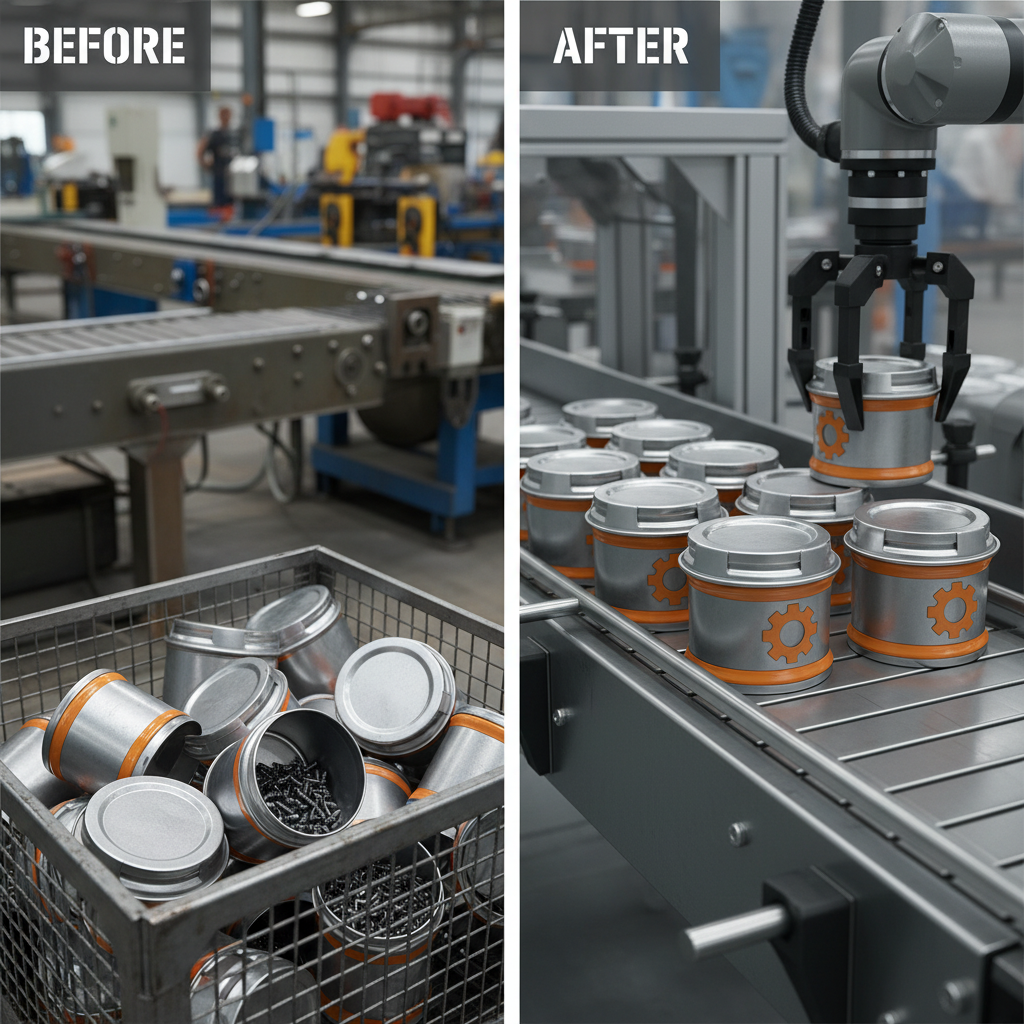
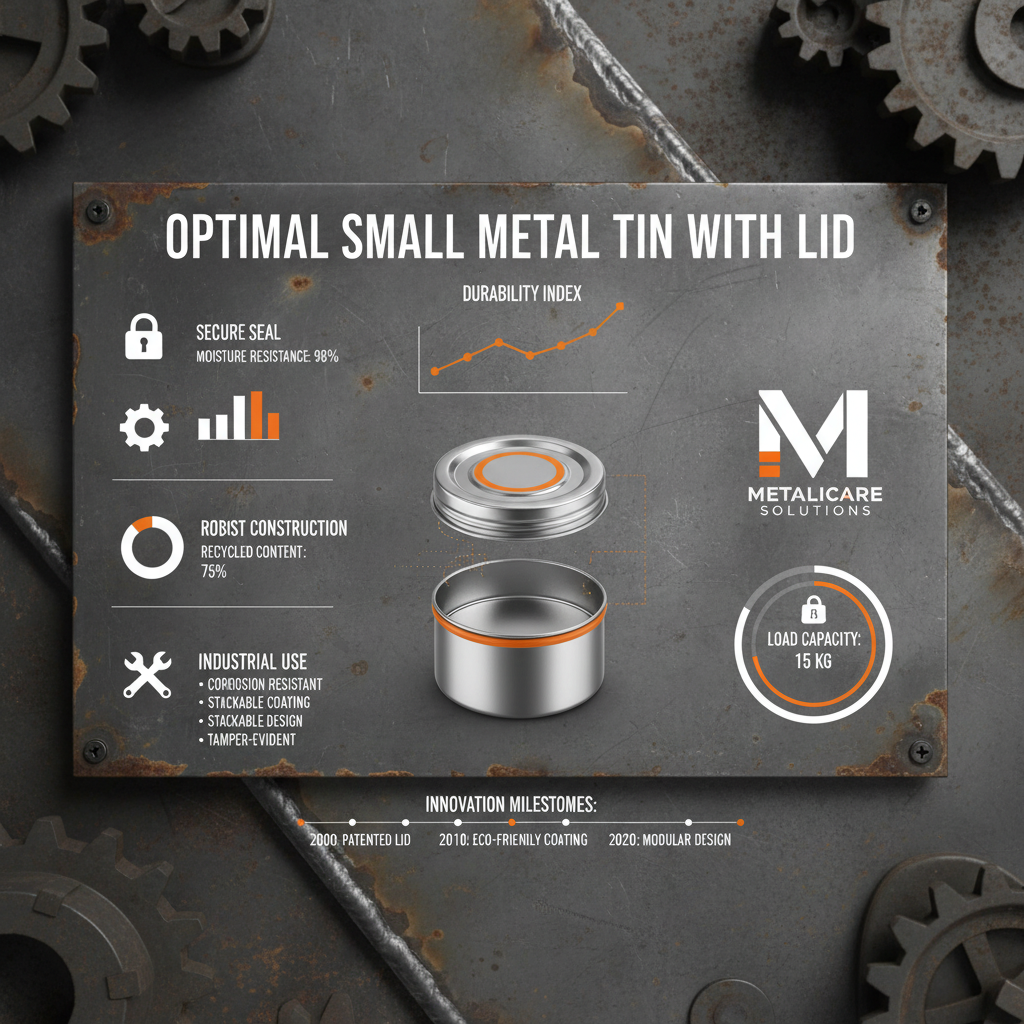
The humble small metal tin often goes unnoticed, yet it plays a crucial role in countless industries and everyday life. From securely storing confectionery and cosmetics to safeguarding vital components in electronics, these containers offer a blend of durability, cost-effectiveness, and recyclability unmatched by many alternatives. Understanding the nuances of small metal tin – its manufacturing processes, material options, and applications – is increasingly important in a world demanding sustainable and reliable packaging solutions.
Globally, the demand for metal packaging, including small metal tins, is steadily rising, driven by factors like increased consumer spending, the growth of e-commerce, and the need for longer shelf life for perishable goods. According to a report by Mordor Intelligence, the metal packaging market is projected to reach $63.72 billion by 2029. This surge in demand highlights the enduring appeal of metal as a packaging material, particularly for products requiring protection, preservation, and a premium aesthetic.
Furthermore, the adaptability of small metal tins makes them relevant to a wide range of needs, including emergency relief where robust and easily transportable containers are paramount. As climate change increases the frequency of natural disasters, the demand for reliable storage solutions like small metal tins will only intensify.
The Significance of Small Metal Tins
Small metal tins represent a fundamental building block in the packaging industry. Their versatility extends beyond simple containment, offering protection from light, moisture, and physical damage – all crucial factors in maintaining product integrity. The consistent quality and recyclability of small metal tin are paramount in environmentally conscious markets.
The widespread use of these tins indicates their adaptability to various products, from consumables like candies and teas to specialized items like hardware and pharmaceuticals. This broad applicability, combined with their inherent strength and reusability, positions small metal tins as a reliable and sustainable choice for diverse packaging needs.
Defining Small Metal Tins
A small metal tin is generally defined as a container fabricated from metallic materials – typically tinplate (steel coated with tin), aluminum, or stainless steel – and designed for holding relatively small quantities of products. The term "small" is subjective, but generally refers to tins with capacities ranging from a few milliliters to a few hundred milliliters. These containers are produced through a variety of processes, including stamping, deep drawing, and welding.
The connection to modern industry stems from the need for standardized, protective, and cost-effective packaging. In the humanitarian sector, small metal tins are frequently utilized for storing and transporting essential supplies like medicines and food, because of their durability and impermeability. They represent a pragmatic and robust solution for diverse challenges.
Beyond simple containment, the surface of a small metal tin provides an excellent canvas for branding and product information, creating a potent marketing tool while simultaneously safeguarding the contents.
Core Attributes of Small Metal Tins
Durability is perhaps the most notable attribute of small metal tins. They can withstand significant physical stress, protecting their contents during shipping and handling. This robustness is particularly vital for products susceptible to damage or crushing.
Recyclability is a cornerstone of sustainability and a key benefit of small metal tins. Steel and aluminum are highly recyclable materials, reducing environmental impact and conserving resources. The inherent value of the metal encourages responsible disposal and promotes a circular economy.
Barrier properties are crucial for maintaining product quality. Small metal tins offer excellent protection against light, oxygen, and moisture, preventing spoilage and extending shelf life. This is especially important for sensitive products like food, pharmaceuticals, and cosmetics.
Key Factors Influencing Small Metal Tin Performance
The gauge of the metal used in construction directly impacts the tin’s strength and durability. Thicker gauges provide greater protection but also increase the cost. Selecting the appropriate gauge is a critical balance between protection needs and budget constraints.
The type of coating applied to the metal also plays a significant role. Coatings can enhance corrosion resistance, improve aesthetics, and ensure compatibility with the packaged product. Different coatings are available for various applications, with varying levels of protection and cost.
Small Metal Tin Performance Metrics
Global Applications of Small Metal Tins
Small metal tins are ubiquitous in the confectionery industry, packaging chocolates, mints, and other sweets. Their protective properties maintain freshness and prevent damage during distribution. In post-disaster relief operations, these tins are invaluable for storing and distributing emergency supplies, ensuring they remain uncontaminated and usable.
The cosmetic industry frequently utilizes small metal tins for creams, balms, and powders, providing a premium aesthetic and safeguarding product quality. In remote industrial zones, small metal tins serve as secure containers for screws, bolts, and other small parts, protecting them from the elements and preventing loss.
Furthermore, the pharmaceutical sector relies on these tins for packaging medicated ointments, creams, and small medical devices, ensuring sterility and maintaining product integrity. The versatility of small metal tins allows them to adapt to countless niches globally.
Long-Term Advantages of Utilizing Small Metal Tins
Cost-effectiveness is a significant advantage. While the initial cost may be slightly higher than some plastic alternatives, the durability and reusability of small metal tins often result in long-term savings. Their robust construction minimizes breakage and loss during transport and handling.
Sustainability is a growing concern, and small metal tins excel in this area. The high recyclability of steel and aluminum reduces environmental impact, aligning with consumer preferences for eco-friendly packaging. This appeals to environmentally conscious brands and customers.
Future Trends and Innovations in Small Metal Tin Technology
The development of bio-based coatings for small metal tins is gaining traction, further enhancing their sustainability profile. These coatings reduce reliance on petrochemicals and offer a more environmentally friendly alternative.
Digital printing technologies are enabling more complex and customized designs on small metal tins, offering brands greater flexibility in branding and marketing. This allows for personalized packaging and limited-edition runs.
Research into lighter-weight metal alloys is underway, aiming to reduce the overall weight of small metal tins while maintaining their strength and durability. This can lead to lower shipping costs and a smaller carbon footprint.
FAQS
The most common materials are tinplate (steel coated with tin), aluminum, and stainless steel. Tinplate provides a good balance of cost, strength, and corrosion resistance. Aluminum is lightweight and highly recyclable, while stainless steel offers superior corrosion resistance but is typically more expensive.
The initial cost of small metal tins can be slightly higher than some plastic options. However, considering their durability, reusability, and recyclability, they often offer a lower total cost of ownership. The extended shelf life and reduced product damage further contribute to cost savings.
Yes, small metal tins are widely used for food packaging. They provide an excellent barrier against light, oxygen, and moisture, preserving freshness and preventing spoilage. However, it’s crucial to use food-grade coatings to ensure compatibility with the food product and prevent contamination.
Steel and aluminum are highly recyclable materials, making small metal tins a sustainable packaging choice. Recycling reduces the need for virgin materials, conserves energy, and lowers greenhouse gas emissions. The durability and reusability also contribute to reduced waste.
Absolutely. Small metal tins offer a large surface area for branding and design. Digital printing technologies allow for intricate and high-quality graphics, creating visually appealing and effective packaging. Embossing, debossing and specialized coatings can also be used.
Common coatings include epoxy phenolic, acrylic, and polyester. These coatings protect the metal from corrosion, ensure compatibility with the packaged product, and enhance the overall aesthetic appeal. Food-grade coatings are essential for food packaging applications.
Conclusion
In conclusion, the small metal tin remains a remarkably versatile and relevant packaging solution. Its combination of durability, recyclability, barrier properties, and branding potential makes it an ideal choice for a wide array of industries and applications. The continued innovation in materials and manufacturing processes will undoubtedly secure its place in the packaging landscape for years to come.
Looking ahead, embracing sustainable practices, exploring bio-based coatings, and leveraging digital printing technologies will be key to unlocking the full potential of small metal tins. Investing in research and development to optimize lightweight alloys and enhance recycling infrastructure will further solidify their role as a responsible and reliable packaging option.