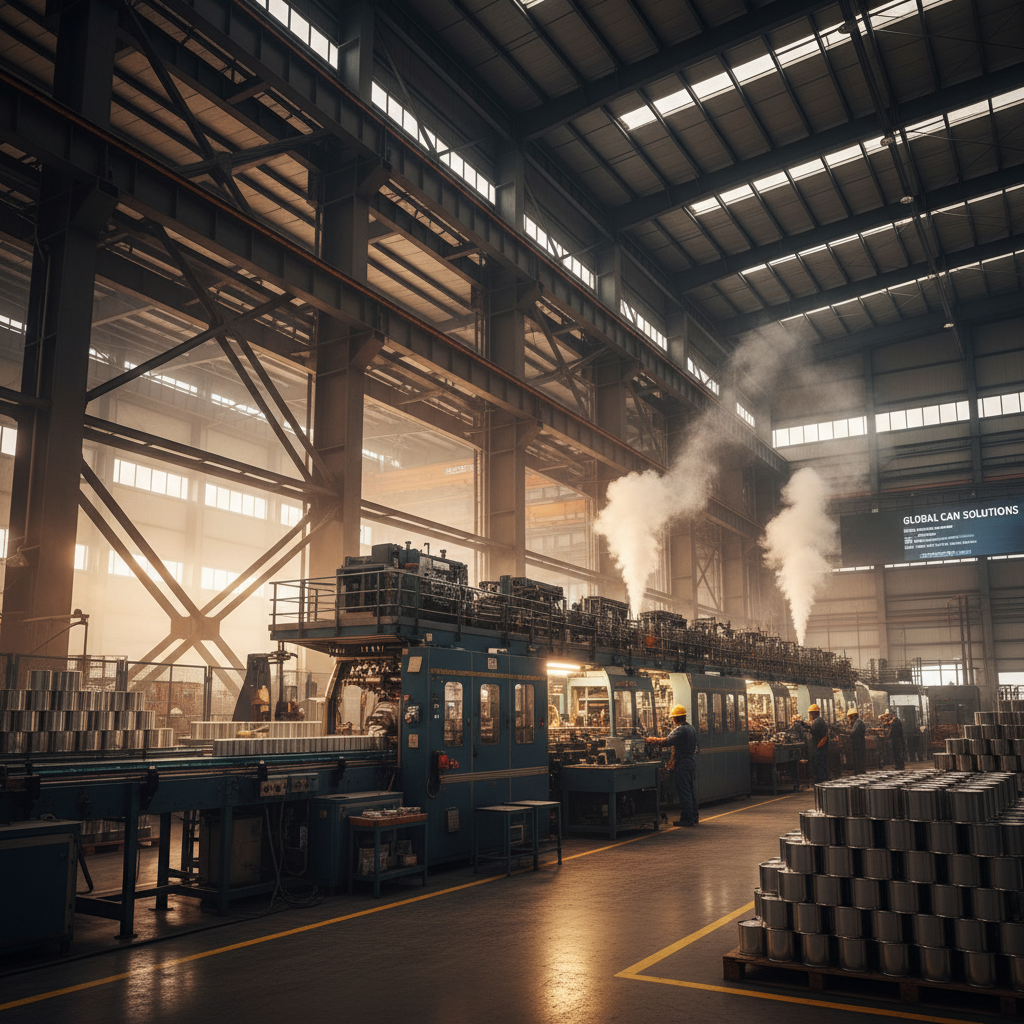
Tin can manufacturers play a critical, yet often unseen, role in the global food supply chain and beyond. From preserving essential food items to safely transporting industrial products, the demand for reliable and durable metal packaging continues to grow. Understanding the processes, innovations, and challenges faced by tin can manufacturers is essential for ensuring food security, reducing waste, and driving sustainable practices across various industries. These manufacturers aren’t merely producing containers; they are contributing to a more stable and accessible world.
Globally, the tin can industry is a multi-billion dollar market, with significant players in Asia, Europe, and North America. The United Nations highlights the importance of effective food preservation techniques in combating global hunger, and tin cans remain a cornerstone of this effort. The World Bank emphasizes the role of robust packaging in facilitating international trade and economic development. However, the industry faces challenges like fluctuating raw material costs, increasing sustainability concerns, and evolving consumer preferences.
The core function of tin can manufacturers lies in the production of metal containers – typically steel or aluminum coated with tin – designed to preserve and protect various products. These containers are essential for long-term storage, transportation, and retail display, ensuring product quality and safety from the factory to the consumer. Their significance extends beyond just food; they are also vital for paints, aerosols, chemicals, and other industrial goods.
The Global Significance of tin can manufacturers
Tin can manufacturers are vital to maintaining global food security. Their products provide a cost-effective and reliable method for preserving perishable goods, reducing food waste, and extending shelf life – especially crucial in regions with limited access to refrigeration or robust supply chains. The ability to store food safely for extended periods impacts everything from emergency preparedness to long-term food distribution programs.
Furthermore, the industry supports a wide range of related sectors, including steel production, coating technologies, printing, and logistics. Effective tin can manufacturers often drive innovation in these connected industries, leading to improvements in material science, manufacturing processes, and supply chain efficiency. This ripple effect boosts economic growth and creates employment opportunities worldwide.
Defining tin can manufacturers and Their Role
Tin can manufacturers are companies specializing in the creation of metal containers, historically made with tin-plated steel, though modern materials also include aluminum and specialized alloys. These manufacturers transform raw materials into finished products that protect goods during storage, transportation, and display. They handle the entire process, from sheet metal sourcing and cutting to shaping, sealing, and labeling.
Their role extends beyond simple production; leading tin can manufacturers often work closely with food producers, chemical companies, and other clients to develop custom packaging solutions tailored to specific product needs. This collaborative approach ensures optimal preservation, branding, and compliance with regulatory requirements. The industry's connection to public health and consumer safety makes its role particularly important.
In the modern industry landscape, tin can manufacturers are increasingly focused on sustainability. This includes exploring lighter-weight materials, improving recycling rates, and minimizing environmental impact throughout the production process. The ability to adapt to evolving consumer demands and environmental regulations is crucial for long-term success.
Core Attributes of Leading tin can manufacturers
Durability is paramount. Leading tin can manufacturers prioritize the use of high-quality materials and robust construction techniques to ensure their containers can withstand the rigors of shipping, handling, and storage. This includes resistance to dents, punctures, and corrosion, protecting the contents from damage and contamination.
Scalability is another key attribute. The ability to rapidly increase production capacity to meet fluctuating demand is essential, particularly for serving large food processors or responding to seasonal peaks. Efficient manufacturing processes and flexible supply chains are critical for achieving scalability.
Cost efficiency is a constant focus. Tin can manufacturers strive to minimize production costs through optimized material usage, streamlined processes, and effective waste management. This allows them to offer competitive pricing while maintaining profitability.
Key Performance Indicators for tin can manufacturers
Tracking key performance indicators (KPIs) is essential for tin can manufacturers to optimize their operations and ensure profitability. One crucial metric is production efficiency, measured by units produced per hour or cost per unit. Monitoring this helps identify areas for process improvement and resource allocation.
Another key KPI is material yield, reflecting the percentage of raw materials that are successfully converted into finished products. Minimizing waste and maximizing material utilization are essential for controlling costs and reducing environmental impact. Efficient material management directly influences profitability for tin can manufacturers.
KPI Performance for Different tin can manufacturers Methods
Global Applications of tin can manufacturers
Tin cans are ubiquitous in the food industry, preserving everything from fruits and vegetables to soups and meats. In post-disaster relief operations, they provide a crucial means of delivering non-perishable food to affected populations. Their durability and long shelf life make them ideal for emergency food supplies.
Beyond food, tin can manufacturers serve a diverse range of industries, including paints and coatings, aerosol products, and chemical storage. These applications require containers that can withstand corrosive substances and maintain product integrity. In remote industrial zones where specialized packaging is difficult to obtain, tin cans offer a reliable and readily available solution.
Advantages and Value Proposition of tin can manufacturers
The primary advantage of tin cans lies in their exceptional preservation capabilities. They create a hermetic seal, protecting contents from oxygen, light, and moisture – factors that contribute to spoilage. This results in extended shelf life and reduced food waste, contributing to both economic and environmental benefits.
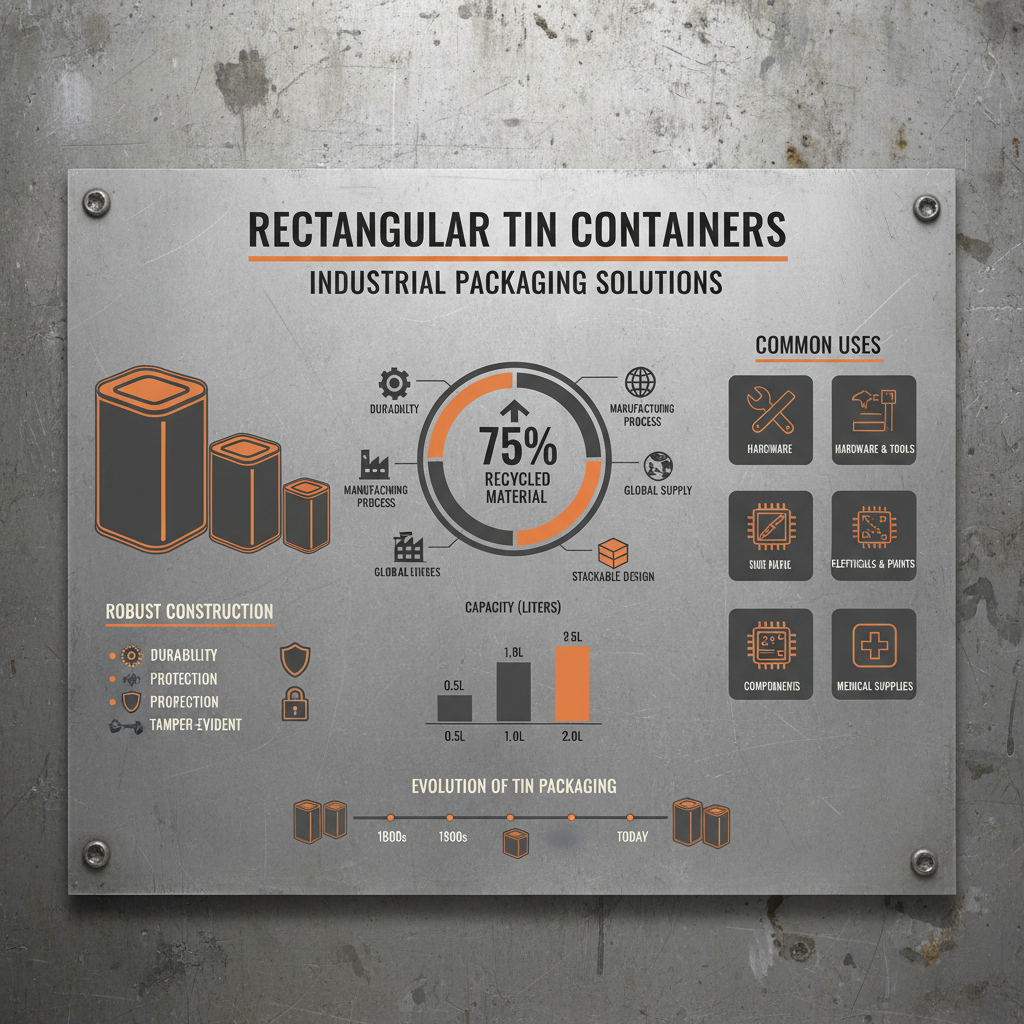
From a logistical standpoint, tin cans are relatively lightweight and stackable, maximizing space efficiency during transportation and storage. They also offer excellent product protection, minimizing damage during handling and shipping. The inherent safety of canned goods provides consumers with peace of mind.
Furthermore, tin cans are highly recyclable, contributing to a circular economy. The steel and aluminum used in their production can be recovered and reused, reducing the demand for virgin materials and minimizing environmental impact. This sustainable aspect is increasingly valued by consumers and businesses alike.
Future Trends and Innovations in tin can manufacturers
The future of tin can manufacturers will be shaped by a growing emphasis on sustainability and innovation. Developing lighter-weight materials, such as high-strength steel alloys and alternative coatings, will reduce material consumption and transportation costs. Exploring bio-based coatings and renewable materials are also key areas of research.
Digitalization and automation are transforming manufacturing processes, enabling greater efficiency, precision, and quality control. Smart packaging solutions, incorporating QR codes and NFC tags, can provide consumers with detailed product information and traceability. The integration of Industry 4.0 technologies will be crucial for staying competitive.
Government regulations regarding packaging waste and recyclability are also driving innovation. Tin can manufacturers are actively working to improve recycling rates and develop more sustainable end-of-life solutions, such as closed-loop recycling systems and innovative dismantling technologies.
Future Trends and Innovations in tin can manufacturers
The future of tin can manufacturers will be shaped by a growing emphasis on sustainability and innovation. Developing lighter-weight materials, such as high-strength steel alloys and alternative coatings, will reduce material consumption and transportation costs. Exploring bio-based coatings and renewable materials are also key areas of research.
Digitalization and automation are transforming manufacturing processes, enabling greater efficiency, precision, and quality control. Smart packaging solutions, incorporating QR codes and NFC tags, can provide consumers with detailed product information and traceability. The integration of Industry 4.0 technologies will be crucial for staying competitive.
Government regulations regarding packaging waste and recyclability are also driving innovation. Tin can manufacturers are actively working to improve recycling rates and develop more sustainable end-of-life solutions, such as closed-loop recycling systems and innovative dismantling technologies.
Summary of Future Trends in tin can manufacturers
| Trend Category |
Key Focus Area |
Potential Impact |
Implementation Timeline |
| Material Innovation |
Lightweight Alloys |
Reduced Material Costs & Carbon Footprint |
2-5 Years |
| Manufacturing Processes |
Automation & Robotics |
Increased Efficiency & Reduced Labor Costs |
Ongoing |
| Sustainability Initiatives |
Recyclability Improvements |
Enhanced Circular Economy & Reduced Waste |
1-3 Years |
| Packaging Technology |
Smart Packaging Integration |
Improved Traceability & Consumer Engagement |
3-7 Years |
| Regulatory Compliance |
Waste Reduction Targets |
Increased Operational Costs & Innovation |
Ongoing |
| Supply Chain Management |
Diversification of Suppliers |
Reduced Risk & Increased Resilience |
1-2 Years |
FAQS
Tin can manufacturers are currently grappling with fluctuating raw material costs (especially steel and aluminum), increasing pressure to adopt sustainable practices, and the need to innovate to meet evolving consumer preferences. Competition from alternative packaging materials, like plastic and aseptic cartons, also presents a challenge. Adapting to stricter regulations regarding packaging waste and recyclability is crucial.
Manufacturers are focusing on several key areas: utilizing lighter-weight materials to reduce resource consumption, improving recycling rates through design for recyclability, and exploring bio-based coatings and renewable materials. Many are also investing in closed-loop recycling systems to recover and reuse tin and aluminum. Reducing carbon emissions throughout the manufacturing process is a priority.
Technology is transforming tin can manufacturing. Automation and robotics are increasing efficiency and precision in production. Digitalization allows for real-time monitoring of processes and improved quality control. Smart packaging solutions, incorporating QR codes or NFC tags, enhance traceability and consumer engagement. Data analytics optimize supply chain management and reduce waste.
Tin cans generally have a lower environmental impact than many plastic alternatives, particularly when considering their high recyclability. Steel and aluminum are infinitely recyclable without significant loss of quality. While the initial production of metal requires energy, the recycling process is significantly less energy-intensive. Compared to single-use plastics, tin cans offer a more sustainable packaging solution.
The future of tin can coatings lies in the development of more sustainable and high-performance alternatives to traditional epoxy-based coatings. Research is focused on bio-based coatings, powder coatings, and innovative materials that offer enhanced corrosion resistance and food safety. Reducing or eliminating BPA and other potentially harmful chemicals is a key priority.
Fluctuating raw material prices, particularly for steel and aluminum, can significantly impact the profitability of tin can manufacturers. To mitigate this risk, manufacturers employ strategies like long-term supply contracts, hedging, and exploring alternative material sources. Passing cost increases onto consumers may be necessary in some cases, but competitive pressures often limit this option.
Conclusion
Tin can manufacturers are a cornerstone of the global food supply chain and industrial packaging sectors. Their commitment to durability, scalability, and increasingly, sustainability, positions them as crucial players in addressing challenges related to food security, waste reduction, and responsible resource management. Innovation in materials, manufacturing processes, and packaging technology will be essential for continued success.
Looking ahead, tin can manufacturers have a significant opportunity to lead the way in creating a more circular and sustainable packaging landscape. By embracing digital transformation, investing in research and development, and collaborating with stakeholders across the value chain, they can solidify their role as essential contributors to a more resilient and environmentally responsible future. Visit our website at tin can manufacturers to learn more.