Selecting the right primary packaging is often the difference between a product that blends into the shelf and one that commands consumer attention. In the realm of premium retail, the shift toward durable, recyclable, and visually striking materials has placed metal packaging at the forefront of brand strategy.
Modern consumer expectations have evolved beyond simple containment; they now demand an unboxing experience that reflects the quality of the contents. This has led to a surge in demand for highly specialized designs that move away from standard cylinders toward complex geometries and bespoke finishes.
Understanding the technical nuances of custom tin containers allows brands to balance structural integrity with aesthetic appeal, ensuring that the packaging serves as both a protective shell and a powerful marketing tool.


Historically, metal tins were purely utilitarian, designed for the long-term preservation of tea or tobacco. However, the contemporary market has transformed these containers into "keepsake packaging," where the vessel is as valued as the product inside. This shift is driven by the desire for luxury perception and the inherent durability of tinplate and aluminum.
Modern manufacturing now integrates CAD-driven design to create shapes that were previously impossible, moving from simple round canisters to intricate heart, star, and octagonal forms. This evolution allows brands to align their physical packaging with their visual identity more precisely than ever before.
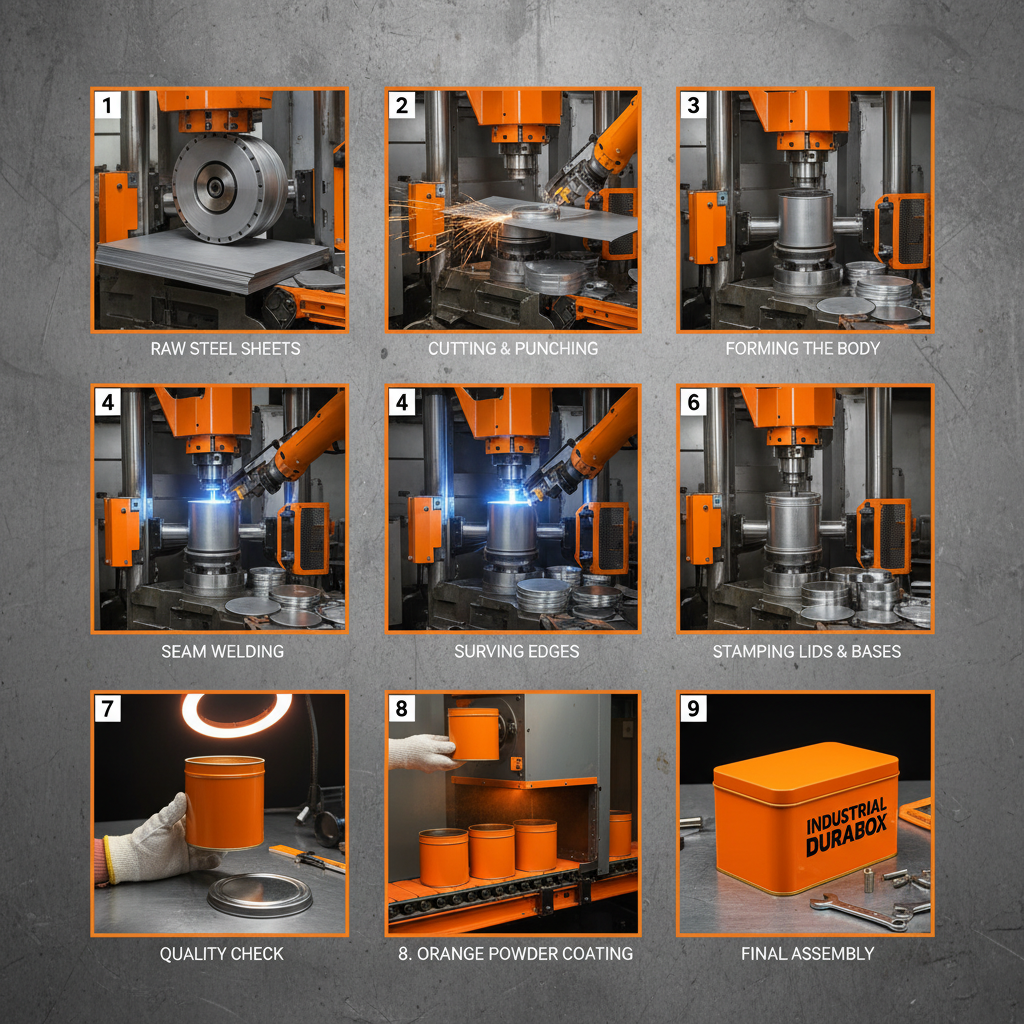
The structural integrity of a custom tin relies on the precision of the stamping and welding processes. The choice between tinplate and aluminum depends largely on the required rigidity and the nature of the contents. Tinplate offers superior strength and a classic feel, while aluminum is preferred for its lightweight properties and natural corrosion resistance, making it ideal for pharmaceutical or cosmetic applications.
Beyond the base material, the closure system is a critical technical decision. Options range from simple slip-on lids to complex hinged lids and screw-top closures. Each choice impacts the airtightness and the user's tactile experience. For high-end confectionery or tea, a tight-fitting lid is essential to prevent oxidation and maintain freshness.
Surface finishing techniques further define the product's quality. 3D embossing, matte varnishes, and glossy coatings are not merely decorative; they protect the metal from scratches and environmental wear. The interaction between the printing process and the metal substrate determines the color accuracy and longevity of the brand's visual assets.
While metal is the primary component, the most sophisticated packaging often employs a compound material approach. Integrating paper, wood, or specialized plastics with metal can create a multi-sensory experience that caters to specific luxury segments, such as high-end caviar or limited-edition movie collectibles.
True customization in metal packaging is not just about the exterior shape; it is the ability to engineer compound materials and custom molds that align the physical protection of the goods with the branding goals of the company.
This integrated approach requires a lean in-house manufacturing process where CAD design and production are tightly coupled. By controlling the process from the initial mold creation to final delivery, manufacturers can ensure that complex shapes—like hearts or stars—maintain consistent tolerances across millions of units.
When evaluating the effectiveness of custom metal packaging, brands typically look at a combination of protective capabilities and consumer appeal. A container's value is measured by its ability to preserve the product's shelf life while simultaneously increasing the perceived value of the brand.
The following index illustrates the relative strengths of various metal packaging attributes. While aesthetics drive the initial purchase, the technical quality of the seal and the durability of the material ensure long-term brand loyalty and product safety.
The versatility of custom tin containers makes them suitable for a vast array of industries. In the cosmetic sector, oval and round tins are often used for luxury creams and powders, providing a premium feel and protecting the contents from light. In the pharmaceutical industry, precision-engineered metal boxes ensure that sensitive medications are shielded from moisture and contamination.
For the food and beverage industry, particularly tea and coffee, the focus shifts to aroma preservation. Specialized closures and high-grade tinplate prevent oxygen ingress, extending the freshness of the product. Meanwhile, the gift and confectionery market leverages special shapes like hearts and stars to create emotional connections with the consumer, turning the packaging into a permanent memento of a holiday or celebration.
As global regulations on single-use plastics tighten, metal packaging is regaining prominence due to its infinite recyclability. Unlike plastics, which degrade in quality each time they are processed, tinplate and aluminum can be recycled indefinitely without losing their technical properties. This makes metal an essential component of any corporate sustainability strategy.
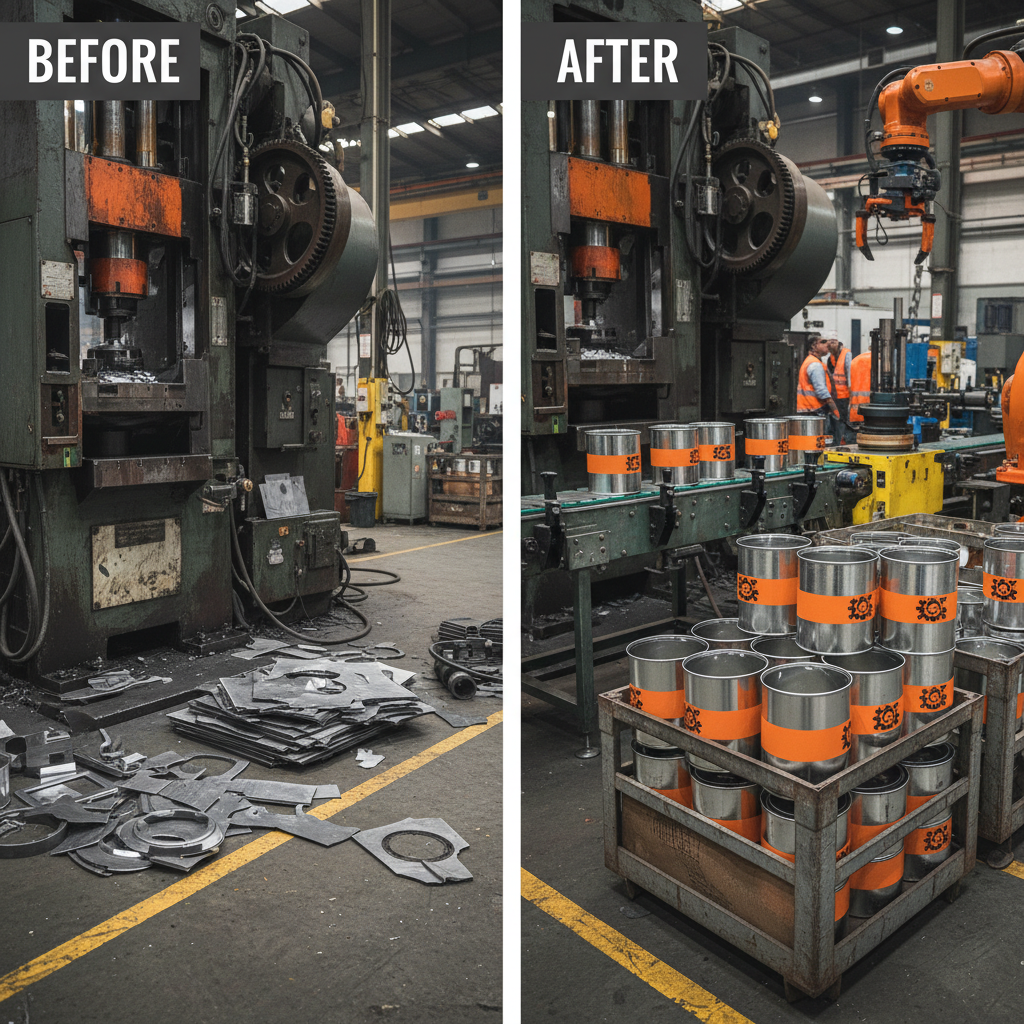
The industry is moving toward "eco-efficient" manufacturing, where the carbon footprint of the production process is minimized. This includes using lean manufacturing principles to reduce waste and optimizing the transport weight of the containers. The goal is to create a closed-loop system where the packaging is reused by the consumer and eventually returned to the production cycle.
Furthermore, the durability of metal encourages the "reuse" phase of the circular economy. Many consumers repurpose high-quality custom tins for home storage, effectively extending the life of the packaging and providing the original brand with prolonged visibility within the household.
Choosing the correct geometry for a container is not just an aesthetic decision; it affects shipping efficiency, shelf stability, and the perceived volume of the product. A square or rectangular tin maximizes space in shipping cartons, reducing logistics costs, while round or oval shapes often evoke a sense of organic luxury.
Special shapes, such as stars or hearts, are highly effective for niche marketing and limited editions but may require more complex molds and higher initial investment. The trade-off is a significantly higher impact on the consumer's emotional response and a stronger brand differentiation in a crowded market.
To assist in the decision process, the following framework evaluates common shapes based on their practical application and logistical impact. By aligning the shape with the primary goal—whether it be cost-efficiency or luxury branding—companies can optimize their packaging investment.
| Container Shape | Logistics Efficiency | Brand Perception | Typical Application |
|---|---|---|---|
| Square / Rectangle | High | Modern/Stable | Cookies, Gift Sets |
| Round / Oval | Medium | Classic/Elegant | Tea, Cosmetics |
| Heart / Star | Low | Emotional/Unique | Valentine's, Holiday |
| Octagon | Medium | Sophisticated | Specialty Candies |
| Bucket | Medium | Bulk/Industrial | Large-scale Snacks |
| Special Shape | Low | High-End Custom | Movie/Brand Merch |
Custom tin containers are engineered specifically to a brand's unique specifications, encompassing bespoke shapes (like heart or octagon), custom-made molds, and specific material compounds. Unlike standard off-the-shelf options, custom solutions allow for precise control over the closure style, internal dimensions for product fit, and advanced surface finishes like 3D embossing, ensuring the packaging aligns perfectly with the brand's visual identity and product requirements.
Pharmaceuticals often require aluminum or high-grade coated tinplate for superior corrosion resistance and airtight sealing to maintain chemical stability. Confectionery packaging typically prioritizes visual appeal and durability, often using tinplate with a variety of glossy or matte varnishes. While both utilize metal, the pharmaceutical focus is on rigorous protection and purity, whereas confectionery emphasizes the unboxing experience and shelf presence.
Creating a new mold for a special shape increases the initial setup time and cost compared to using standard shapes. However, for high-volume production, this cost is amortized across the total units. A professional in-house design process using CAD can streamline this, ensuring that the mold is perfected before mass production begins, thereby reducing waste and ensuring consistent quality across millions of pieces.
Yes, metal is significantly more sustainable due to its infinite recyclability. Aluminum and tinplate can be melted down and reused without any loss in quality, unlike plastic which degrades. Furthermore, the inherent durability of metal tins often leads consumers to reuse them for years, reducing the overall demand for new packaging materials and contributing to a circular economy.
For luxury positioning, a combination of 3D embossing and matte varnish is highly effective, as it provides a tactile experience that suggests quality. Cracked varnish or high-gloss finishes can be used for more vibrant, modern looks. The key is to match the finish with the brand's personality—matte for understated elegance and high-gloss for bold, energetic visibility.
Buyers should evaluate three main areas: design integration (whether they use CAD and in-house designers), production capacity (the number of production lines and monthly output), and flexibility (the ability to handle both small and large volumes for custom shapes). A factory that manages the process from mold design to final delivery generally offers better quality control and shorter lead times.
The transition toward custom tin containers represents more than just a change in material; it is a strategic move toward sustainability and brand elevation. By leveraging precision engineering and creative design, companies can transform a simple container into a durable asset that protects the product and enhances the consumer's perception of value.
As the industry continues to move away from disposable plastics, the ability to create infinitely recyclable, visually stunning, and structurally sound metal packaging will be a key competitive advantage. Success in this space requires a partnership with manufacturers who can bridge the gap between a creative concept and a mass-produced reality.