Custom printed tins serve as a critical intersection between product protection and brand identity within the metal packaging industry. For consumer marketing companies, these containers are not merely vessels but high-visibility marketing tools that enhance perceived value and ensure the longevity of the contents through superior barrier properties.
The primary challenge for procurement managers is balancing aesthetic precision with structural integrity. Selecting the wrong material or printing process can lead to ink adhesion failures or inadequate sealing, which directly impacts the shelf life of cosmetics, pharmaceuticals, and specialty foods like caviar or confectionery.
This guide provides a professional framework for evaluating custom metal containers, focusing on material selection, shape optimization, and the technical variables that influence the final quality of custom printed tins for diverse commercial applications.

Material Fundamentals for Metal Packaging

The choice between tinplate and aluminium is the most fundamental decision in the production of custom printed tins. Tinplate, consisting of low-carbon steel coated with a thin layer of tin, offers high structural rigidity and is typically preferred for confectionery and tea packaging where stackability and impact resistance are paramount.
Aluminium, conversely, is valued for its lightweight properties and inherent corrosion resistance, making it a standard for high-end cosmetic and pharmaceutical containers. Longzhitai utilizes both materials to create specialty compound packaging that balances weight, cost, and protection based on the specific chemical compatibility of the product being stored.
Influence of Shape on Brand Positioning
Geometric configuration directly affects both the logistics of transport and the consumer's psychological perception of the product. Standard shapes like Round, Square, and Rectangle are optimized for space efficiency and lower tooling costs, making them ideal for high-volume distribution in the coffee or chocolate sectors.
Specialty shapes—including Heart, Egg, Octagon, and Star—create immediate visual differentiation on the shelf. Longzhitai provides CAD-design services to create new molds, allowing companies to transition from generic containers to bespoke shapes that reflect the product's unique identity, such as heart-shaped tins for gift-oriented confectionery.
Technical Printing and Finishing Options
Achieving a premium look for custom printed tins requires a combination of precise printing and sophisticated varnishing. Matte and glossy finishes are the industry standards, but advanced options like 3D embossing and cracked varnishes add a tactile dimension that encourages consumer interaction and conveys luxury.
The technical execution involves an integrated process from CAD design to final production. By utilizing automated lines, manufacturers can ensure consistent ink coverage and alignment across millions of units, which is essential for maintaining corporate brand guidelines across different sizes and shapes of metal boxes.
Evaluation of Packaging Material Efficiency
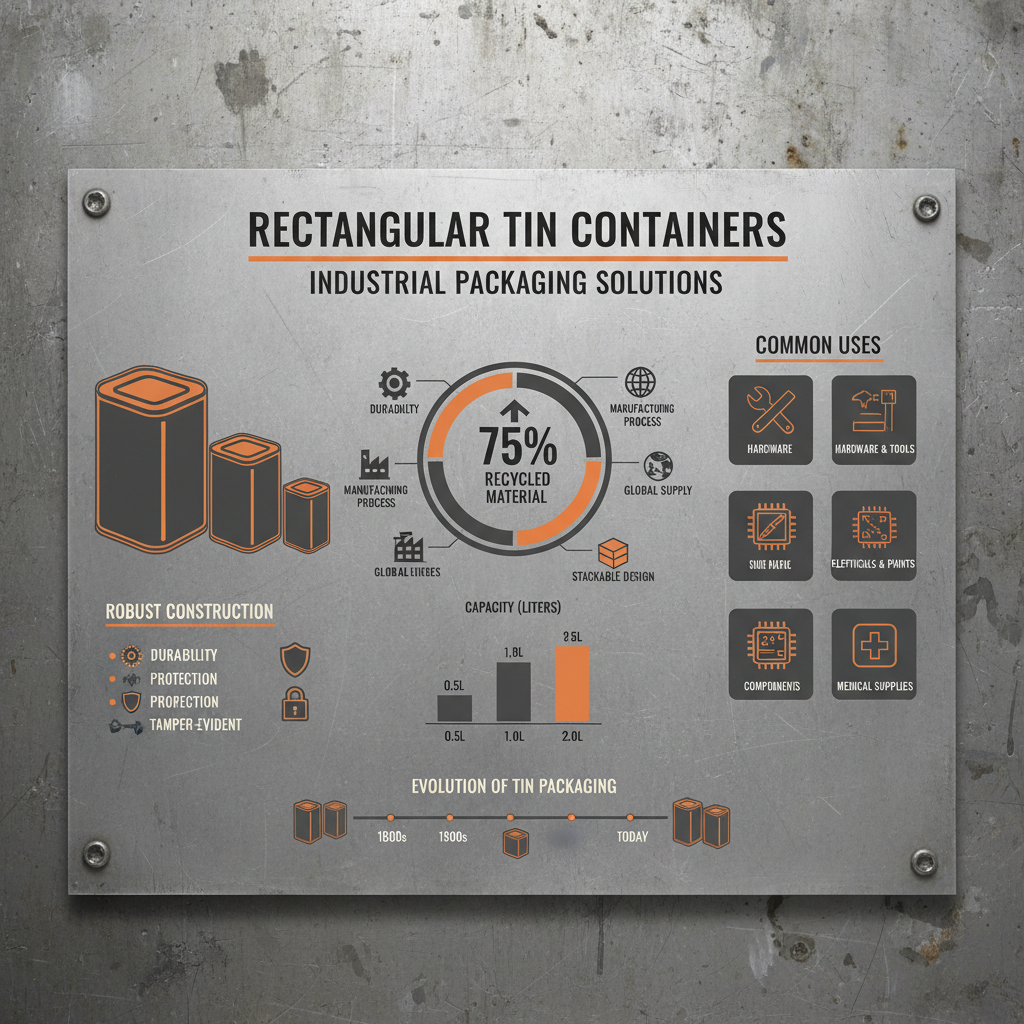
When evaluating the sustainability and functional efficiency of custom printed tins, the recycle ability of the metal is a primary driver. Metal packaging is considered highly eco-efficient because both tinplate and aluminium can be recycled indefinitely without loss of technical quality.
The following conceptual index illustrates the relative balance between structural strength, weight efficiency, and recycle rate across different metal packaging types. This illustrative framework helps buyers determine which material aligns with their sustainability goals and transport requirements.
Application-Specific Selection Criteria
Different industries demand varied technical specifications for their packaging. For the pharmaceutical and cosmetic sectors, the focus is on purity and the prevention of contamination, often requiring specific internal coatings. In contrast, the confectionery and tea sectors prioritize aroma preservation and moisture barriers.
Practical implementation involves matching the closure style—such as hinged lids, screw tops, or slip lids—to the user's behavior. A screw-top is preferred for products requiring a tight seal for freshness, while a hinged lid is more suitable for gift tins where ease of access is a key part of the user experience.
Common Manufacturing and Procurement Risks
The most frequent risks in procurement are related to lead time flexibility and quality consistency. Inconsistent throughput can disrupt product launch timelines, while variations in print color across batches can damage brand equity. Working with an integrated manufacturer that handles everything from CAD design to delivery reduces these risks.
Another critical risk is the failure to account for the specific needs of the contents. For instance, using a non-coated tin for acidic contents can lead to oxidation. Proper technical consultation during the design phase ensures that the chosen material and finish are compatible with the physical and chemical properties of the goods.
Comparison of Closure Systems and Tins
Selecting the right closure is as important as the tin's shape. The closure determines the seal integrity and the overall functionality of the packaging. Below is a qualitative comparison of the most common closure and material combinations used in the industry.
| Closure Type | Material Recommendation | Primary Use Case | Key Advantage |
|---|---|---|---|
| Screw Lid | Aluminium / Tinplate | Pharmaceuticals | Airtight Seal |
| Hinged Lid | Tinplate | Confectionery / Gifts | User Convenience |
| Slip Lid | Tinplate | Tea / Coffee | Classic Aesthetics |
| Butterfly Opening | Specialty Tinplate | Premium Gift Sets | Visual Impact |
| Styling Lid | Aluminium | Luxury Cosmetics | High-End Appeal |
| Standard Fit | Tinplate | Industrial / Bulk | Cost Efficiency |
Depending on the specific requirements for transport, storage, and protection, buyers should select the configuration that maximizes the preservation of the goods while minimizing the total cost of ownership.
Frequently Asked Questions
Costs are primarily driven by material choice (aluminium vs. tinplate), the complexity of the shape (standard vs. custom molds), the number of colors in the print design, and the type of finishing varnish applied.
While custom molds generally require higher initial investments, flexible manufacturing processes allow for a range of volumes. However, standard shapes are more cost-effective for smaller quantities.
Consistency is achieved through automated production lines and integrated CAD-design processes that maintain strict color specifications and alignment tolerances throughout the manufacturing cycle.
Yes, metal is highly eco-efficient due to its infinite recyclability. Unlike many plastics, aluminium and tinplate can be recycled repeatedly without losing their technical qualities.
Glossy varnish provides a high-shine, vibrant look that makes colors pop, while matte varnish offers a sophisticated, non-reflective finish that is often associated with premium or natural branding.
Square and Rectangle shapes are the most efficient for shipping as they minimize void space in secondary packaging, reducing logistics costs compared to Round or Special shapes.
Conclusion
The success of custom printed tins lies in the strategic alignment of material properties, shape, and printing technology with the specific needs of the product and the brand. By focusing on technical compatibility and sustainable materials, companies can create packaging that not only protects the contents but also serves as a powerful tool for consumer engagement.
For businesses seeking to optimize their packaging strategy, detailed product specifications and manufacturing capabilities can be reviewed at www.packaging-help.com to ensure the chosen solution meets all branding and protection requirements.