In the modern competitive landscape of consumer goods, the presentation of a product is often as critical as the product itself. A custom tin box serves as more than just a protective shell; it is a strategic brand asset that combines durability with high-end aesthetic appeal. From luxury confectionery to high-end cosmetics, the ability to tailor the shape, size, and finish of metal packaging allows brands to create an unforgettable first impression.
Globally, the shift toward sustainable yet premium packaging has revitalized the demand for tinplate solutions. Unlike single-use plastics, a custom tin box is inherently recyclable and often repurposed by consumers, extending the brand's visibility long after the initial purchase. This duality of functionality and sustainability makes metal packaging a preferred choice for industries seeking to align their operational goals with environmental responsibility.
Understanding the technical nuances of metal container manufacturing—ranging from material gauges to advanced lithographic printing—is essential for any business looking to optimize its supply chain. By investing in a custom tin box, companies can ensure product integrity, prevent oxidation, and elevate their market positioning through tactile and visual sophistication.
Global Market Dynamics of Custom Tin Box Packaging
The global demand for metal packaging is experiencing a significant resurgence, driven by a worldwide movement to reduce polymer waste. According to industry standards and ISO environmental guidelines, the transition toward infinitely recyclable materials has placed the custom tin box at the forefront of the "Circular Economy." Markets in Europe and North America, in particular, are seeing a spike in demand for metal alternatives that provide a superior moisture barrier compared to cardboard.
However, the industry faces the challenge of balancing cost-efficiency with the need for high-precision customization. Brands are no longer satisfied with generic containers; they require intricate shapes—such as hearts, octagons, or specialized custom geometries—to differentiate themselves on crowded retail shelves. This shift has forced manufacturers to integrate advanced CNC tooling and digital printing to meet the rigorous aesthetic and functional demands of the global market.
Defining the Technical Scope of Custom Tin Box Solutions
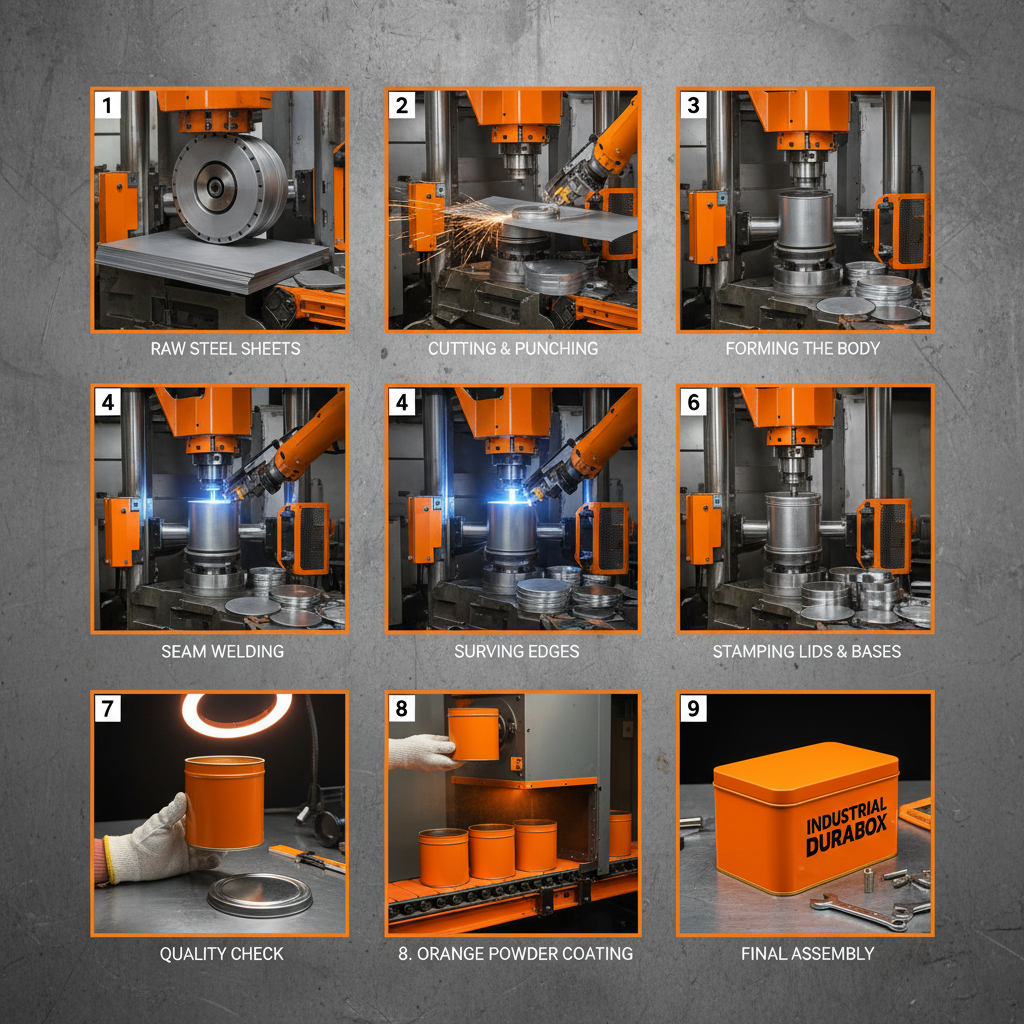
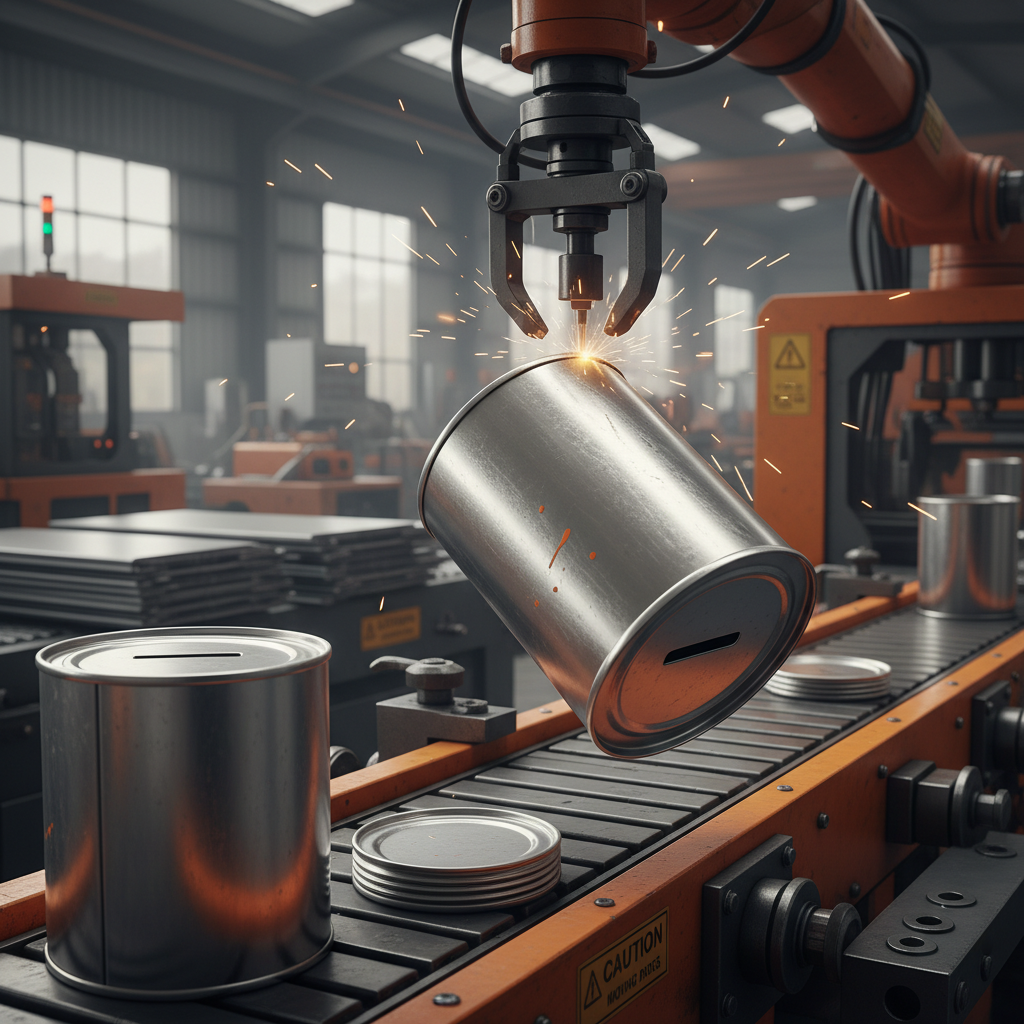
At its core, a custom tin box is a precision-engineered container made from tin-plated steel or aluminum, designed to meet specific dimensional and aesthetic requirements. Unlike standard cans, these boxes undergo a complex process of shearing, forming, and soldering (or seaming) to create a rigid structure that protects the contents from light, oxygen, and humidity.
In the context of modern industry, these containers represent a marriage of metallurgical science and graphic design. The "custom" aspect extends beyond mere size; it encompasses the choice of interior coatings (such as BPA-free linings for food safety), the type of closure (slip-cover, hinged, or screw-top), and the application of specialty finishes like matte varnish, embossing, or spot UV.
Beyond commercial use, these solutions address critical humanitarian and industrial needs. In remote or harsh environments, the rugged nature of a metal box ensures that medical supplies or sensitive electronic components remain uncontaminated. The durability of the material ensures that the internal product maintains its shelf-life, reducing waste in supply chains that span multiple continents.
Core Components of High-Quality Metal Containers
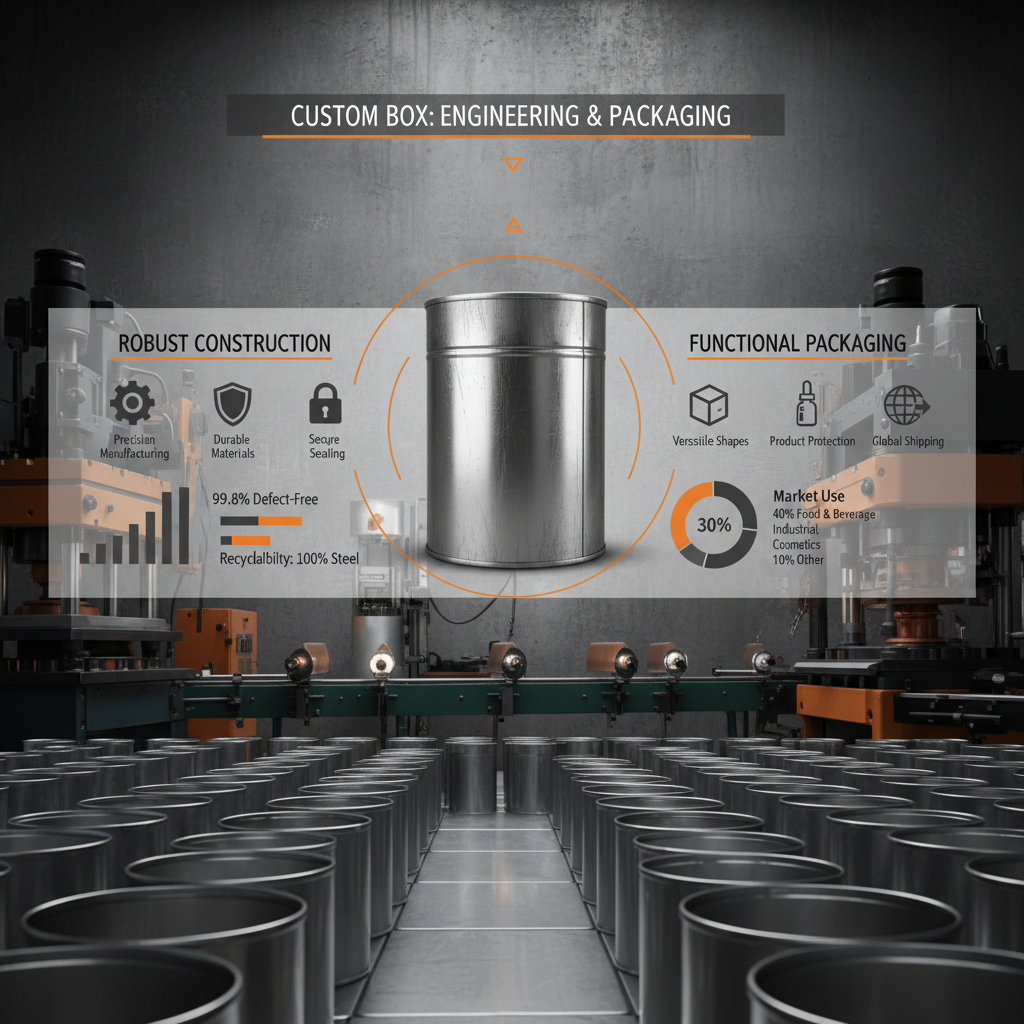
Durability is the cornerstone of any custom tin box. The thickness of the tinplate, measured in millimeters, determines the box's resistance to deformation. For luxury goods, a slightly heavier gauge is often used to provide a "premium weight" feel, which subconsciously signals quality to the consumer while ensuring the product is safe during transit.
Scalability in design is another critical factor. Whether a brand requires a small heart-shaped box for jewelry or a large rectangular chest for gift sets, the manufacturing process must be adaptable. The use of modular tooling allows for the rapid production of various shapes—including oval, square, and star—without compromising the airtight seal or the structural integrity of the custom tin box.
Finally, the aesthetic finish and coating efficiency define the commercial viability of the packaging. Advanced lithography allows for high-resolution imagery to be printed directly onto the metal. When combined with an external protective lacquer, the custom tin box becomes resistant to scratches and corrosion, ensuring that the brand's visual identity remains pristine throughout the product's lifecycle.
Performance Metrics and Material Efficiency
Evaluating the success of a packaging strategy requires a deep dive into performance metrics. When comparing different production methods for a custom tin box, companies look at the balance between material waste, production speed, and final durability. For instance, seamless drawing techniques offer higher strength but may limit the complexity of the box's shape compared to traditional folded seams.
To optimize costs, engineers analyze the "weight-to-strength" ratio. The goal is to utilize the minimum amount of tinplate necessary to maintain the structural integrity of the custom tin box while maximizing the internal volume. This efficiency not only lowers the unit cost but also reduces the carbon footprint associated with shipping heavier materials.
Comparative Performance of Custom Tin Box Design Methods
Global Applications Across Diverse Industries
The versatility of the custom tin box allows it to penetrate almost every consumer sector. In the food and beverage industry, particularly in Europe and Asia, these boxes are prized for tea, coffee, and luxury biscuits because they prevent the ingress of oxygen and moisture, preserving the aroma and flavor profile of the product for extended periods.
Beyond food, the pharmaceutical and cosmetics industries utilize specially lined custom tin box solutions to protect volatile creams and powders from UV degradation. In the gift and collectible market, the "special shape" tin box—such as star or heart shapes—transforms packaging into a keepsake, adding perceived value and encouraging long-term brand loyalty among consumers who keep the boxes as storage.
Long-Term Value and Sustainability Benefits
From a logical standpoint, the long-term value of a custom tin box lies in its durability and recyclability. Unlike plastic packaging, which degrades in quality and leaks microplastics into the environment, steel and aluminum are infinitely recyclable without losing their properties. This makes metal packaging a cornerstone of corporate ESG (Environmental, Social, and Governance) strategies.
Emotionally, metal packaging evokes a sense of trust and nostalgia. The tactile sensation of opening a sturdy tin box provides a "ritual" experience that plastic cannot replicate. This perceived quality enhances the customer's feeling of dignity and satisfaction, reinforcing the idea that the contents inside are precious and carefully curated.
Furthermore, the reliability of the custom tin box reduces the rate of product returns due to shipping damage. By providing a rigid external shell, brands can lower their insurance costs and waste associated with broken goods, creating a sustainable economic model that benefits both the producer and the end-user.
Future Innovations in Metal Packaging Technology
The future of the custom tin box is being shaped by the integration of smart technology and green chemistry. We are seeing the emergence of "Smart Tins" featuring embedded NFC (Near Field Communication) tags, allowing consumers to scan their packaging to access product origin data, authenticity certificates, or interactive brand stories.
On the material front, there is a significant move toward bio-based lacquers and water-borne inks. These innovations eliminate VOCs (Volatile Organic Compounds) from the printing process, making the custom tin box even more eco-friendly. Additionally, automated AI-driven quality control is reducing defect rates in complex shapes like octagons and special contours.
Digital transformation is also streamlining the prototyping phase. 3D printing and rapid virtual rendering now allow brands to visualize their custom tin box in a virtual environment before a single piece of metal is cut. This drastically reduces the time-to-market and minimizes material waste during the sampling process.
Analysis of Future Technical Trends in Custom Tin Box Manufacturing
| Innovation Dimension |
Current Technology |
Emerging Solution |
Impact Score (1-10) |
| Printing Ink |
Solvent-based inks |
UV-LED & Water-borne |
9 |
| Material Coating |
Standard Epoxy |
Bio-polymer Linings |
8 |
| Shape Precision |
Manual Die-Cutting |
AI-Controlled CNC |
7 |
| Consumer Interaction |
Printed QR Codes |
Integrated NFC Tags |
9 |
| Prototyping |
Physical Samples |
Digital Twin Simulation |
10 |
| Closure System |
Standard Friction Fit |
Hermetic Vacuum Seal |
8 |
FAQS
A custom tin box provides a total barrier against light, oxygen, and moisture, which are the primary drivers of food spoilage. Unlike plastic, which can be permeable to gases over time, metal ensures a longer shelf-life and prevents the leaching of chemicals into the food. Furthermore, the premium feel of metal increases the perceived value of the product.
The timeline varies based on complexity. Standard shapes usually take 2-4 weeks from design approval to shipment. However, a custom tin box with a special shape (like a star or heart) may require 4-8 weeks due to the need for custom tooling and mold fabrication. Prototyping via digital twins can now shorten this window significantly.
Yes. While the initial unit cost may be higher than plastic, tin boxes are infinitely recyclable and often reused by consumers, reducing the overall environmental impact. From a business perspective, the reduction in product damage during shipping and the increase in brand loyalty often offset the higher initial investment.
Absolutely. Modern manufacturing allows for a wide array of geometries including Rectangle, Round, Oval, Octagon, Heart, Star, and other special shapes. The choice depends on your product's volume and the visual identity you want to project. Our engineering team can help you select a shape that balances aesthetics with shipping efficiency.
The key is the application of a high-quality protective lacquer or varnish. By using UV-cured coatings and food-grade inks, we ensure that the graphics are bonded to the metal surface. This prevents scratching, fading, and corrosion, maintaining the box's vibrancy even in humid conditions.
MOQs depend on the complexity of the customization. For standard shapes and sizes, MOQs are lower. However, for a custom tin box involving unique tooling or special shapes, higher MOQs are typically required to cover the cost of mold creation. We recommend consulting with our specialists to find a balance that fits your budget.
Conclusion
In summary, the custom tin box represents the perfect intersection of industrial utility, brand storytelling, and environmental stewardship. By leveraging advanced materials and precision engineering, businesses can protect their products while simultaneously elevating their brand image and adhering to global sustainability standards. From the structural integrity of the metal to the artistic precision of the print, every element of a tin container contributes to a superior consumer experience.
As we look toward the future, the integration of smart technology and bio-based materials will continue to push the boundaries of what metal packaging can achieve. We encourage brands to move beyond generic solutions and embrace the versatility of custom shapes and finishes to secure a competitive edge in an increasingly conscious market. To start your journey toward premium, sustainable packaging, visit our website: www.packaging-help.com.