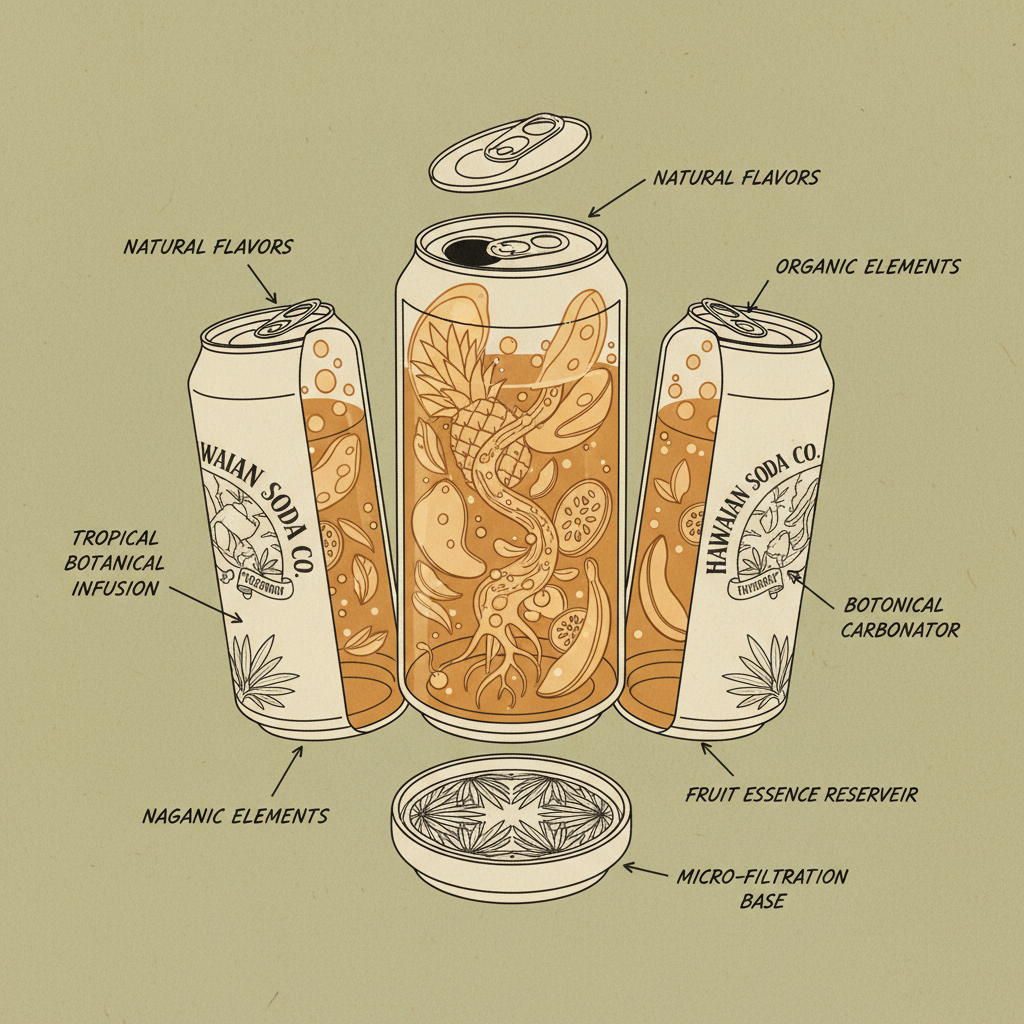
The world relies on efficient and safe packaging solutions, and tin cans have been a cornerstone of this industry for generations. A tin can manufacturer plays a crucial role in preserving food, beverages, and various other products, impacting global supply chains and consumer access to essential goods. Understanding the nuances of this manufacturing process is vital for businesses seeking reliable packaging and for appreciating the complex systems that bring products to our tables.
The demand for tin cans remains consistently high, driven by factors like increasing global population, evolving consumer preferences for convenience, and the need for shelf-stable products. However, the industry faces challenges like fluctuating material costs, sustainability concerns, and the need for continuous innovation to meet modern packaging requirements. This makes the role of a competent tin can manufacturer even more critical.
The efficiency and reliability provided by tin can production have a direct impact on reducing food waste and ensuring product safety worldwide. As populations grow and logistical challenges increase, the importance of dependable packaging – expertly crafted by a tin can manufacturer – will only continue to escalate.
The Importance of Tin Can Manufacturing
Tin can manufacturing isn't simply about creating containers; it's about safeguarding product integrity and contributing to a resilient global food system. A reliable tin can manufacturer understands the critical role packaging plays in extending shelf life, preventing contamination, and facilitating efficient distribution.
Beyond food, tin cans are indispensable in industries like paint, aerosols, and chemical products, requiring specialized manufacturing expertise to ensure product compatibility and safety. The demand for quality tin cans will continue to increase as global trade expands and the need for reliable preservation methods grows.
Defining a Tin Can Manufacturer
A tin can manufacturer is a company specializing in the production of metal containers, typically made from tinplate steel, used for preserving and transporting a wide variety of goods. This process involves several stages, from sourcing raw materials to forming, coating, and decorating the final product.
Modern tin can manufacturers often leverage advanced technologies, including automated production lines, laser welding, and precision coating applications, to ensure consistent quality and efficient output. They also adhere to strict regulatory standards regarding food safety and environmental responsibility.
Essentially, these manufacturers bridge the gap between raw materials and consumable products, providing a crucial link in the supply chain that impacts industries and consumers alike. Their expertise ensures products arrive safely and maintain their quality over extended periods.
Core Components of Tin Can Production
The foundation of tin can production lies in the quality of the tinplate steel itself. This material, consisting of steel coated with a thin layer of tin, provides both strength and corrosion resistance. A skilled tin can manufacturer meticulously selects suppliers to guarantee consistent material properties.
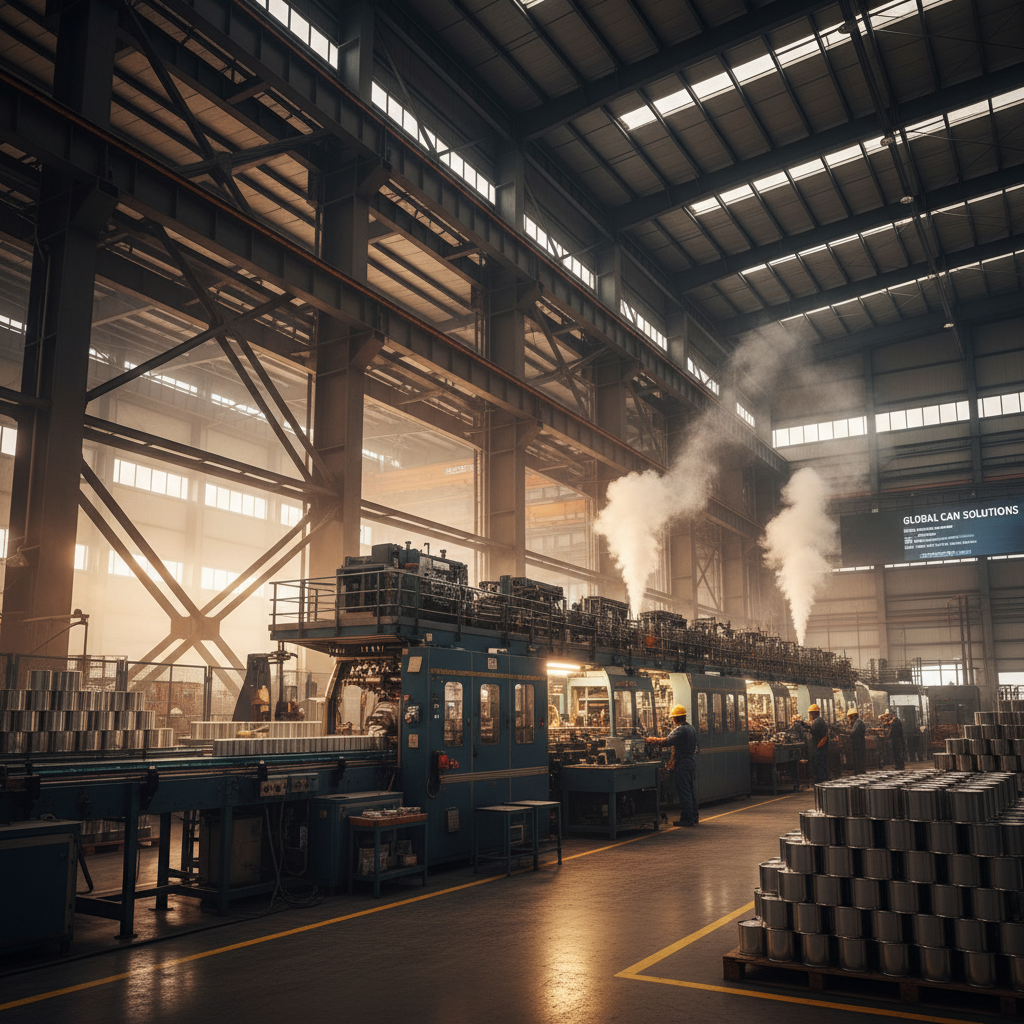
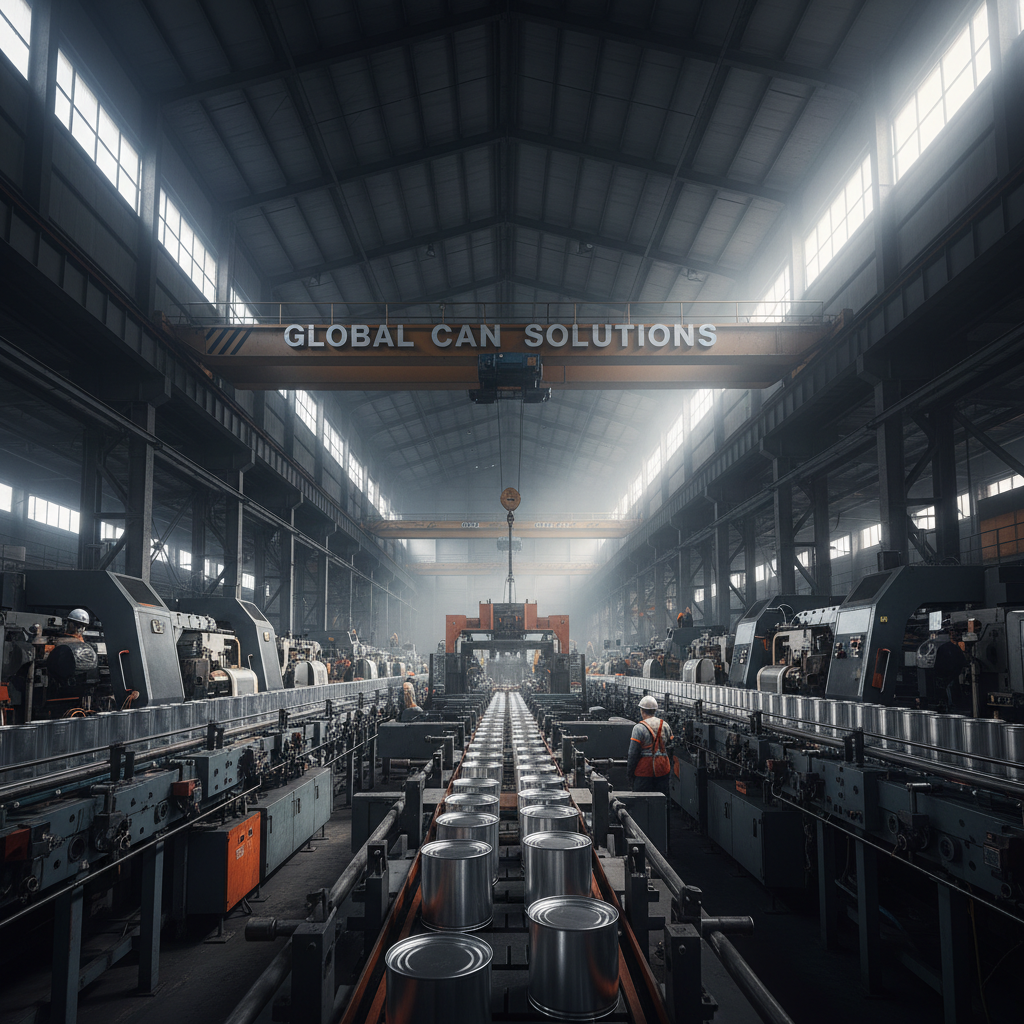
Following material selection, the manufacturing process involves cutting, shaping, and welding the tinplate steel into the desired can form. Seaming technology ensures airtight closures, vital for preserving contents. Modern manufacturers use robotics and automated systems for precision and speed throughout this stage.
Finally, the cans undergo coating – both internally and externally – to enhance corrosion resistance and provide a suitable surface for labeling. Advanced coating formulations are designed to be food-safe and to prevent any interaction between the packaging and the product. Proper quality control at each stage is paramount to a successful tin can manufacturer.
Key Factors Influencing Tin Can Quality
Several factors play a crucial role in determining the quality and performance of tin cans. These include the gauge (thickness) of the tinplate steel, the consistency of the coating application, and the integrity of the seams. A reputable tin can manufacturer will rigorously monitor these parameters.
The quality of the welding process is also paramount, as weak welds can compromise the can's ability to withstand internal pressure and prevent leakage. Adherence to industry standards and regular inspections are essential for maintaining quality control.
Tin Can Manufacturing Quality Assessment
Global Applications of Tin Cans
Tin cans are ubiquitous across the globe, serving as essential packaging for a vast array of products. The food and beverage industry remains the largest consumer, utilizing tin cans for everything from canned fruits and vegetables to soups, meats, and carbonated drinks. A reliable tin can manufacturer provides consistent supply to these industries.
Beyond food, tin cans find applications in the paint and coatings sector, offering a durable and airtight container for storing and transporting paints, varnishes, and other coatings. They also play a crucial role in the chemical industry, providing safe and secure packaging for various chemicals and solvents.
Advantages and Long-Term Value
The advantages of using tin cans are numerous and contribute to long-term value. Their durability and resistance to physical damage ensure products arrive intact, reducing waste and minimizing losses. The airtight seal preserves freshness and extends shelf life, lowering spoilage rates.
From a sustainability perspective, tin cans are highly recyclable, contributing to a circular economy. Their robust construction also makes them suitable for multiple reuses before recycling, further reducing environmental impact. Investing in quality tin cans from a reputable tin can manufacturer is a sustainable choice.
The inherent safety and reliability of tin cans also engender consumer trust, enhancing brand reputation and fostering long-term customer loyalty. This inherent value translates to enduring benefits for businesses and consumers alike.
Future Trends in Tin Can Manufacturing
The tin can manufacturing industry is undergoing a period of innovation driven by sustainability concerns and evolving consumer demands. Lightweighting – reducing the amount of material used in can production – is a key trend aimed at minimizing resource consumption and lowering transportation costs.
The development of bio-based coatings and alternative materials to traditional tinplate steel is another area of active research. Furthermore, advancements in digital printing technologies are enabling more sophisticated and customizable can designs, enhancing brand appeal. A forward-thinking tin can manufacturer will embrace these technologies.
Smart packaging solutions, incorporating QR codes or RFID tags for traceability and product authentication, are also gaining traction, offering enhanced supply chain visibility and consumer engagement.
Challenges in Tin Can Manufacturing and Potential Solutions
Despite its resilience, the tin can manufacturing industry faces challenges, including fluctuating raw material prices, particularly for steel and tin. This volatility can impact production costs and profitability. Mitigating this risk requires strategic sourcing and long-term contracts with suppliers.
Another challenge is addressing the environmental impact of the manufacturing process itself, including energy consumption and waste generation. Investing in energy-efficient technologies and implementing robust waste management programs are crucial steps toward sustainability.
Finally, maintaining consistent quality control in the face of increasing automation requires ongoing investment in training and advanced monitoring systems. A strong commitment to quality from a tin can manufacturer is the best solution to these challenges.
Summary of Challenges and Solutions in Tin Can Manufacturing
| Challenge |
Impact on Manufacturer |
Proposed Solution |
Implementation Cost (1-10) |
| Raw Material Price Volatility |
Reduced Profit Margins |
Strategic Sourcing & Long-Term Contracts |
4 |
| Energy Consumption |
Increased Operational Costs |
Investment in Energy-Efficient Technologies |
7 |
| Waste Generation |
Environmental Concerns & Disposal Costs |
Robust Waste Management Programs |
5 |
| Maintaining Quality Control |
Product Defects & Customer Dissatisfaction |
Advanced Monitoring Systems & Training |
6 |
| Increasing Automation Complexity |
Requires Skilled Workforce |
Upskilling Programs & Continuous Learning |
4 |
| Regulatory Compliance |
Legal Issues & Fines |
Dedicated Compliance Team & Audits |
3 |
FAQS
Tin cans are primarily made from tinplate steel – steel coated with a thin layer of tin. The tin provides corrosion resistance, protecting the steel and ensuring food safety. Aluminum is occasionally used for beverage cans, offering lightness and recyclability. The coatings used internally, to prevent product contact with the metal, are also crucial.
Properly manufactured and stored tin cans can last for decades without significant degradation. However, the shelf life of the contents within the can is a separate matter, determined by the product's properties and the preservation process. Damaged cans – those with dents, rust, or swelling – should not be used, as they may compromise the integrity of the contents.
Tin cans are highly recyclable, making them a relatively environmentally friendly packaging option. Steel and tin are valuable materials that can be repeatedly recycled without significant loss of quality. However, the manufacturing process itself does have an environmental impact, and ongoing efforts are focused on reducing energy consumption and minimizing waste.
Stringent quality control measures are essential throughout the tin can manufacturing process. These include rigorous inspection of raw materials, monitoring of coating application, testing of seam integrity, and leak detection. Manufacturers often adhere to industry standards like those set by the American National Standards Institute (ANSI).
The cost of custom tin can production varies significantly depending on factors like can size, shape, quantity, and the complexity of the design. Printing, coating, and special features all contribute to the overall cost. Obtaining quotes from multiple tin can manufacturers is recommended to compare pricing and lead times.
Minimum order quantities (MOQs) for tin cans vary widely depending on the manufacturer and the specific can specifications. Typically, MOQs are higher for custom-printed cans due to setup costs. Some manufacturers may offer lower MOQs for standard, unprinted cans. It is best to contact tin can manufacturers directly to inquire about their MOQ requirements.
Conclusion
In conclusion, the role of a tin can manufacturer is far more critical than simply producing containers. They are essential for ensuring food safety, extending product shelf life, enabling global trade, and contributing to a sustainable packaging ecosystem. Understanding the intricacies of tin can manufacturing is vital for businesses seeking reliable packaging solutions and for consumers who rely on the integrity of the products they purchase.
Looking ahead, the industry will continue to evolve, driven by innovation in materials, manufacturing processes, and sustainability initiatives. By embracing these advancements and prioritizing quality control, tin can manufacturers will remain a cornerstone of the global supply chain for generations to come.