Premium Custom Metal Packaging Solutions for Global Brands
Selecting the right container is more than a logistical decision; it is a critical branding strategy. For consumer marketing companies, the physical touchpoint of packaging often dictates the perceived value of the internal product. Whether it is the airtight seal required for specialty coffee or the luxury aesthetic of a limited-edition confectionery tin, the intersection of material science and artistic design defines the shelf presence. By integrating high-grade tinplate and aluminium, brands can achieve a balance of structural rigidity and visual appeal that plastic alternatives simply cannot match.
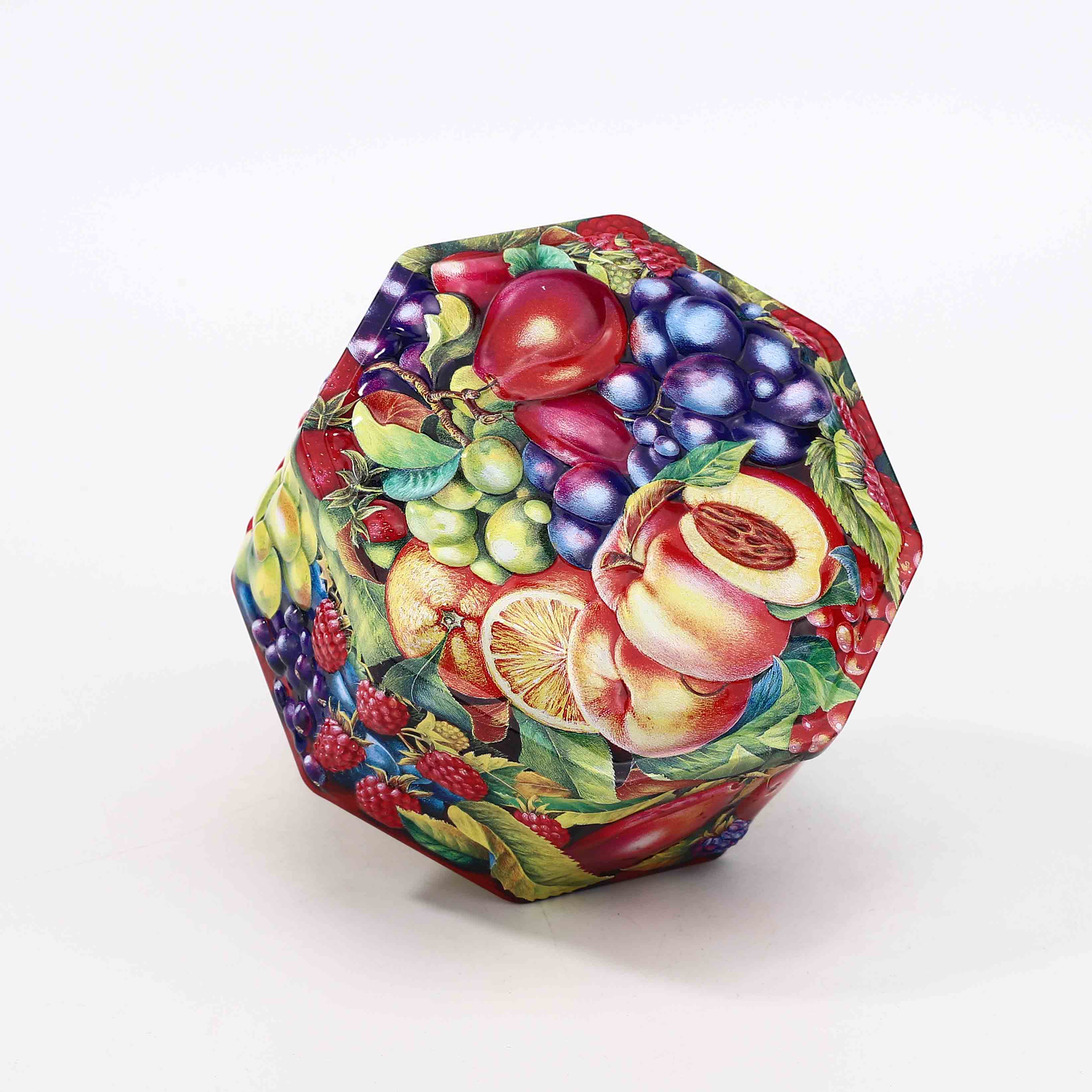
The shift toward sustainable, infinitely recyclable materials has pushed industrial designers to explore complex shapes—from heart-shaped gift boxes to octagonal fruit containers. This transition requires a manufacturing partner capable of bridging the gap between a conceptual CAD drawing and a high-volume production run. Understanding the nuances of embossing, varnishing, and closure styles allows companies to create a tactile experience that reinforces brand loyalty and ensures product preservation during global transit.

Engineering Versatility in Metal Container Design and Material Selection
The foundation of superior packaging lies in the choice of substrate. Tinplate and aluminium offer distinct advantages depending on the end-use. Tinplate is prized for its strength and compatibility with high-definition printing, making it the standard for confectionery and tea. Aluminium, being lighter and naturally corrosion-resistant, is often the preferred choice for pharmaceutical and cosmetic applications where weight reduction and purity are paramount. The ability to manipulate these metals through stamping, welding, and stapling allows for a vast array of configurations.
Modern manufacturing leverages highly automated processes to ensure that whether a client requires a small batch of specialized shapes or millions of standard units, the dimensional accuracy remains constant. The integration of CAD-design ensures that every lid fits perfectly and every hinge operates smoothly. Beyond the basic structure, the application of matte or glossy varnishes, 3D embossing, and specialized closures—such as butterfly openings or screw tops—transforms a simple container into a sophisticated marketing tool.
- Material Options: Tinplate, Aluminium, and compound materials for hybrid needs.
- Structural Forms: Square, round, heart, rectangular, oval, and octagonal.
- Surface Finishes: 3D embossing, cracked effects, matte, and high-gloss varnishes.
- Closure Systems: Hinged lids, screw-top closures, and styling boxes.

Strategic Application Across Diverse Consumer Market Sectors
Different industries demand specific functional characteristics from their packaging. In the pharmaceutical sector, the focus is on protection and preservation, where metal provides an impermeable barrier against light and oxygen. Conversely, the cosmetics industry prioritizes aesthetics and the "unboxing" experience, utilizing embossed textures and vivid colors to convey luxury. For food-grade products like caviar or high-end chocolates, the packaging must not only be food-safe but also capable of maintaining temperature stability and freshness.
The use of compound packaging—combining metal with paper or wood—allows brands to create multi-sensory experiences. For instance, a wooden outer shell with a tinplate inner liner provides both the rustic appeal of nature and the technical security of metal. This flexibility is essential for seasonal products, such as Christmas gift tins, where the packaging itself often becomes a keepsake for the consumer, extending the brand's visibility long after the product has been consumed.
Optimizing Procurement through Integrated Manufacturing and Lean Design
For procurement managers, the primary challenge is balancing customization with lead times and quality consistency. A fully integrated in-house manufacturing model—spanning from initial CAD design to final delivery—minimizes the risk of communication errors and reduces production bottlenecks. Lean manufacturing principles ensure that waste is minimized and throughput is maximized, which is critical when managing monthly outputs in the millions of units.
When evaluating a supplier, the focus should be on their technical sophistication and flexibility. The ability to create new molds quickly allows brands to respond to market trends without being locked into outdated designs. Furthermore, a dedicated quality control framework, involving regular audits of the production line and rigorous material integrity testing, ensures that every shipment meets the stringent requirements of international shipping and storage standards.
Comparative Analysis of Metal Packaging Materials
| Material Type | Primary Advantage | Common Application | Recyclability |
|---|---|---|---|
| Tinplate | High Structural Rigidity | Confectionery & Tea | Infinite |
| Aluminium | Lightweight & Corrosion Resistant | Cosmetics & Pharma | Infinite |
| Compound Metal/Wood | Premium Aesthetic Appeal | Luxury Gift Sets | High (Separable) |
| Embossed Tin | Tactile Brand Experience | Limited Editions | Infinite |
| Specialty Alloy | Extreme Durability | Industrial Samples | Infinite |
Sustainability and the Circular Economy in Industrial Packaging
Metal is widely recognized as one of the most eco-efficient materials due to its high recycle ability. Unlike plastics, which degrade in quality after each recycling cycle, tinplate and aluminium can be recycled indefinitely without losing their technical properties. This makes metal packaging a cornerstone of the circular economy, allowing brands to meet stringent environmental targets while maintaining a premium product image.
The environmental value extends beyond recyclability. The durability of metal containers reduces the need for secondary protective packaging during transport, lowering the overall carbon footprint of the supply chain. By designing for longevity, companies encourage consumers to reuse containers, further reducing waste and creating a positive association between the brand and environmental stewardship.
Future Trends in Bespoke Container Engineering
The future of the industry is moving toward "smart" packaging and hyper-customization. We are seeing an increase in the demand for complex 3D shapes and interactive closures that enhance the user's interaction with the product. Technical expertise in welding and stamping is now being paired with advanced surface treatments, such as anti-fingerprint matte finishes and holographic varnishes, to create visually arresting products that stand out in a crowded retail environment.
As consumer preferences shift toward organic and artisanal products, the demand for custom metal packaging continues to grow. The ability to rapidly prototype new molds and experiment with compound materials will be the key differentiator for manufacturers. Companies that can integrate design, engineering, and sustainable production under one roof will provide the most value to global consumer marketing firms seeking to elevate their brand identity.
Frequently Asked Questions Regarding Metal Packaging
What is the difference between tinplate and aluminium for packaging?
Tinplate is generally stronger and more suitable for high-definition printing and structural rigidity, often used for cookies or tea. Aluminium is lighter, naturally more resistant to corrosion, and is frequently used for cosmetics or pharmaceutical products.
Can you produce non-standard shapes like hearts or ovals?
Yes, through the use of custom molds and precision stamping, containers can be produced in various shapes including square, round, heart, rectangular, oval, and even octagonal configurations.
What surface finishes are available to enhance brand luxury?
Options include 3D embossing, matte and glossy varnishes, cracked effects, and various terrain textures to create a tactile and visually premium experience.
How does metal packaging contribute to sustainability?
Metal is infinitely recyclable without losing its technical qualities, making it far more eco-efficient than single-use plastics and contributing directly to a circular economy.
What is the process for creating a completely new container design?
The process begins with CAD design in close interaction with the customer, followed by the creation of a new mold, prototype sampling, and finally high-volume automated production.
Are these containers suitable for food-grade products?
Yes, metal containers are widely used for confectionery, tea, coffee, and chocolate, providing an excellent barrier against moisture and oxygen to ensure freshness.
Industry Technical References
- World Steel Association - Sustainability Standards
- International Aluminium Institute - Material Properties
- ISO Standards for Packaging Materials
- EPA Guidelines on Metal Recyclability
Investing in high-quality metal containers is a strategic move toward brand longevity and environmental responsibility. By partnering with a manufacturer that controls the entire process from CAD to delivery, companies can ensure their packaging is not just a container, but a powerful asset for market growth.
Related Industry Insights