Premium Custom Metal Containers and Tin Packaging Wholesale
Selecting high-quality metal containers is a critical decision for brands in the cosmetic, confectionery, and pharmaceutical sectors. When moving toward tin packaging wholesale, procurement managers often struggle to balance aesthetic appeal with the rigorous technical requirements of product preservation. The challenge lies in finding a supplier that can transition from a CAD-design concept to a high-volume production run without compromising the integrity of the seal or the precision of the branding.
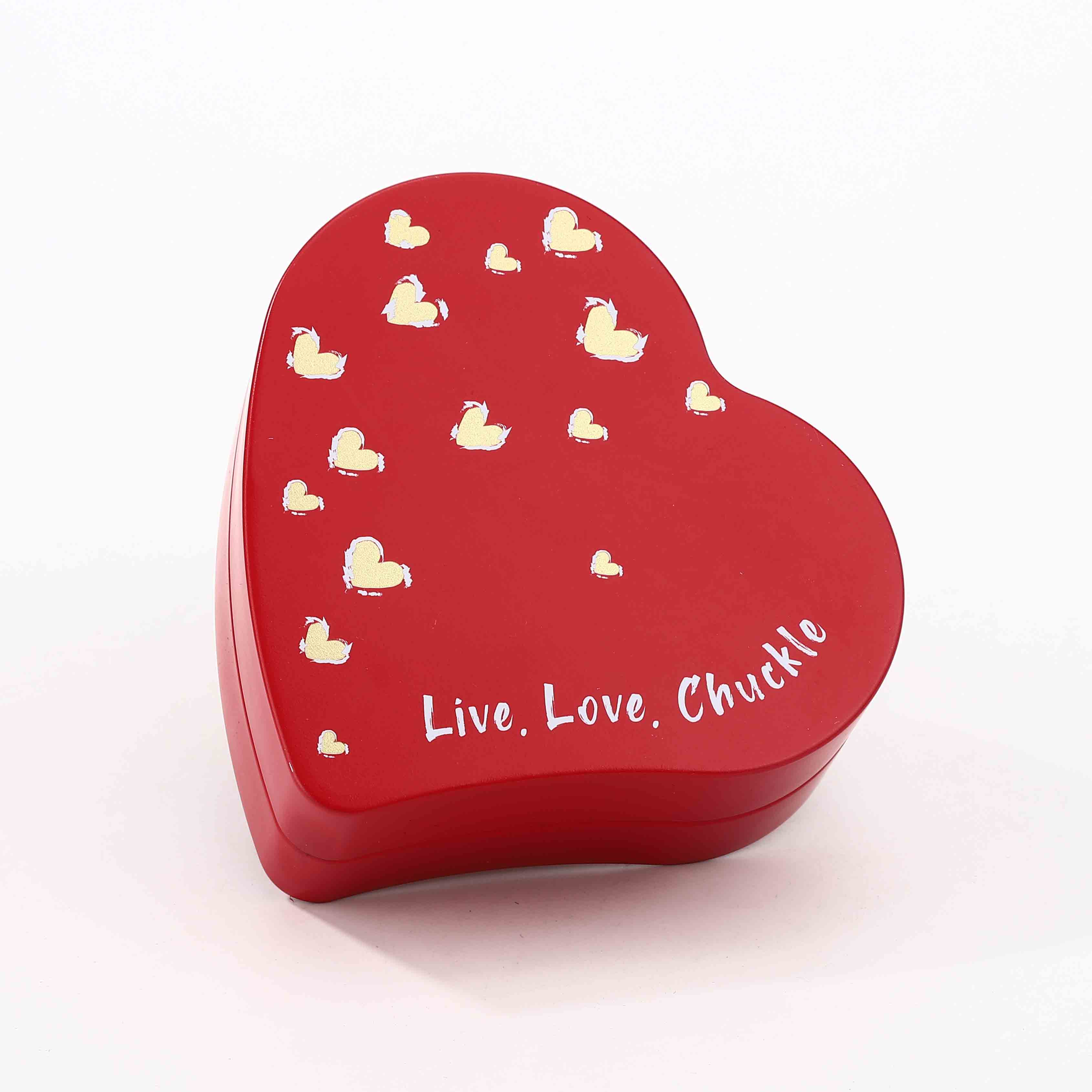
Custom metal containers offer a unique advantage in sustainability and luxury positioning. Unlike plastic, tinplate and aluminum can be recycled indefinitely, making them the preferred choice for eco-conscious consumer marketing companies. Whether it is a heart-shaped gift tin for Valentine's Day or a specialized airtight container for coffee, the synergy between material science and design determines the final shelf impact and the longevity of the contents.

The Technical Foundation of Metal Packaging and Material Selection
The effectiveness of any metal container begins with the raw material. Tinplate and aluminum are the industry standards, each offering distinct properties depending on the application. Tinplate is widely utilized for its structural rigidity and excellent printability, making it ideal for confectionery and tea packaging. Aluminum, conversely, is prized for its lightweight nature and superior corrosion resistance, often used in pharmaceutical and high-end cosmetic sectors.
Beyond the base metal, the surface treatment is where technical sophistication defines quality. To prevent oxidation and enhance visual appeal, various varnishes are applied. Matte and glossy finishes provide different tactile experiences, while 3D embossing can be used to create depth and brand recognition. The integration of specialized coatings ensures that the packaging not only protects the goods from external contaminants but also prevents the contents from reacting with the metal surface.
- Tinplate: High durability and ideal for complex shapes like heart or oval tins.
- Aluminum: Lightweight, rust-proof, and suitable for high-end luxury lines.
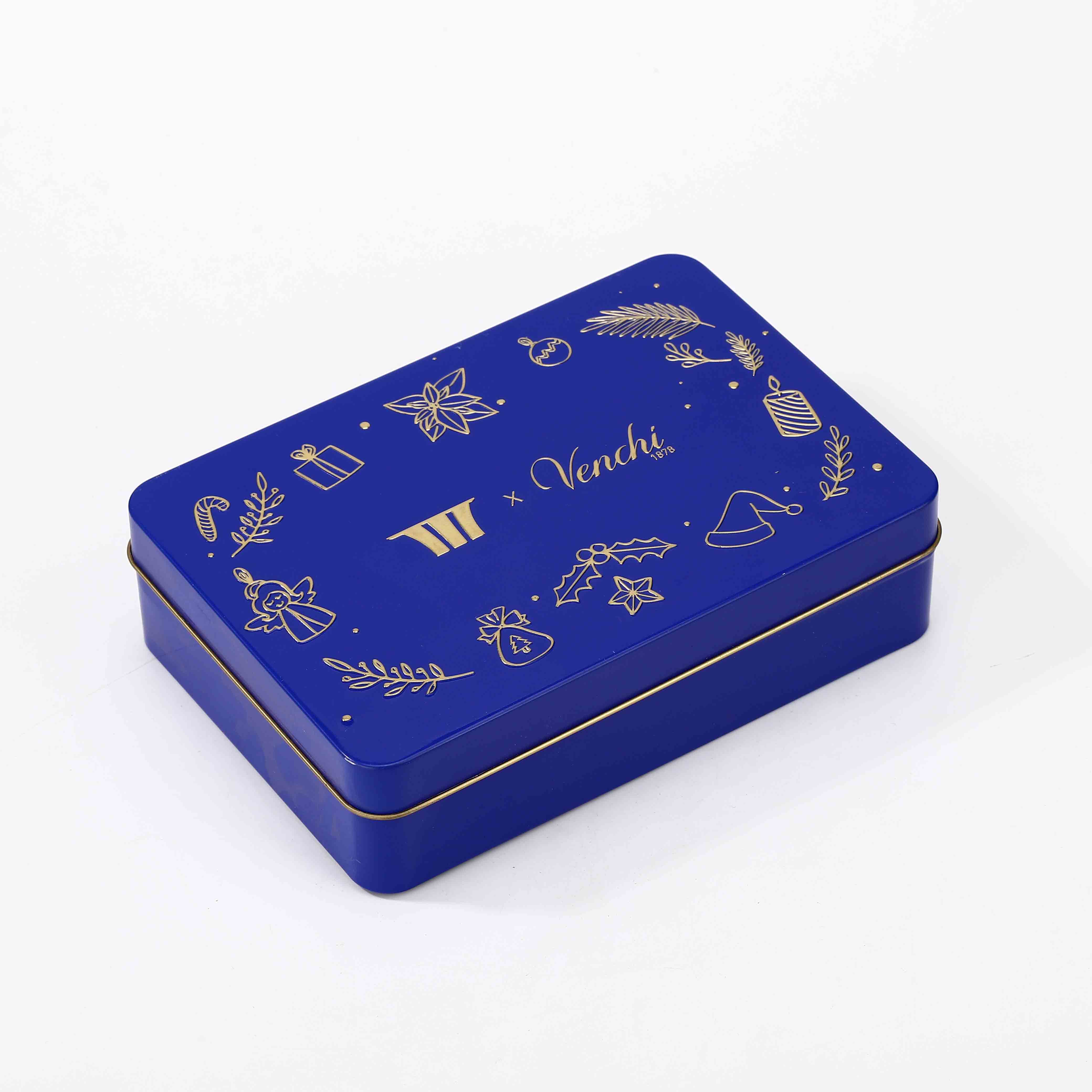
- Surface Options: 3D embossing, cracked varnish, and high-precision stamping.

Customization Capabilities and the Mold Development Process
One of the most significant hurdles in metal packaging is the transition from a customer's vision to a physical mold. Professional manufacturing requires a fully integrated in-house process, starting with CAD design. This ensures that every dimension is precise, and the fit between the lid and the body is airtight. For companies requiring unique shapes—such as asymmetrical hearts or specialized rectangular boxes—the ability to create new molds in-house drastically reduces lead times and prevents communication errors between the designer and the factory.
Customization extends beyond the shape to the closure mechanisms. Depending on the product's usage frequency and preservation needs, manufacturers can implement different lid styles. Hinged lids are excellent for gift sets and saving tins, while screw-top lids provide a more secure seal for pharmaceuticals or creams. The ability to compound materials, such as adding an inner paper lining to a tin box, allows the packaging to meet specific chemical or food-grade requirements while maintaining a premium metallic exterior.
Application Scenarios: Matching Packaging to Sector Needs
Different industries demand different functional priorities from their packaging. In the confectionery and chocolate sector, the priority is often a combination of visual "wow-factor" and moisture protection. Here, high-gloss varnishes and embossed textures help the product stand out on a crowded retail shelf. For the tea and coffee industries, the focus shifts toward aroma preservation and oxidation prevention, requiring tight-fitting lids and sometimes internal seals.
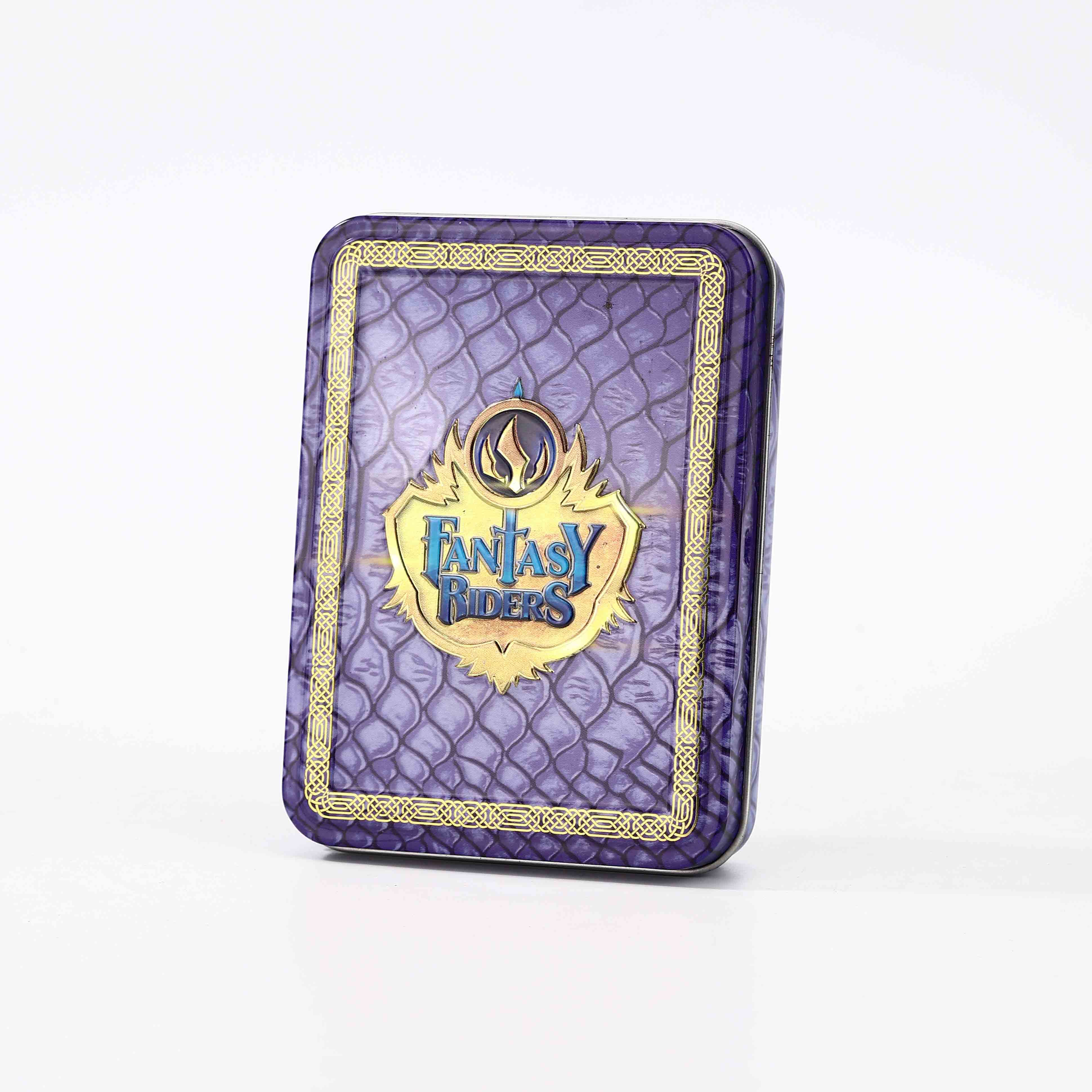
In contrast, the pharmaceutical and cosmetic sectors require high levels of purity and stability. Metal packaging in these fields must be chemically inert and capable of protecting sensitive ingredients from light and air. The use of aluminum is frequent here due to its natural resistance to corrosion. For promotional sectors, such as movie merchandise or Christmas gift tins, the emphasis is on the "keepsake" value, where the tin is designed to be reused by the consumer long after the product is consumed.
Metal Packaging Material and Application Comparison
| Material Type | Primary Benefit | Typical Application | Customization Level |
|---|---|---|---|
| Tinplate | High Rigidity | Confectionery & Tea | Very High (Shapes) |
| Aluminum | Corrosion Resistance | Cosmetics & Pharma | High (Surface) |
| Compound Metal | Enhanced Protection | Specialty Foods | Medium (Linings) |
| Embossed Tin | Brand Impact | Gift & Movie Tins | Extreme (3D Design) |
| Hinged Metal | User Convenience | Saving & Gift Boxes | High (Mechanism) |
Evaluating Supplier Capabilities for Large-Scale Production
When scaling from a prototype to millions of units, consistency is the primary metric of success. A leading factory must possess a lean manufacturing process that integrates design, production, and delivery. This reduces the risk of "quality drift," where the first thousand units look different from the last thousand. Technical expertise in automated production lines allows for fast throughput without sacrificing the precision of the stamping or welding processes.
Buyers should evaluate a supplier's ability to handle diverse volumes. A flexible manufacturing setup can cater to both small-batch specialty runs and massive volume orders. Furthermore, the synergy between the technologist and the client is vital. A supplier that can advise on the best material composition based on the product's chemical properties adds significant value, transforming the relationship from a simple vendor to a strategic packaging partner.
Sustainability Trends in the Metal Packaging Industry
The global shift toward a circular economy has placed metal packaging in a favorable position. Metal, including tinplate and aluminum, is considered one of the most eco-efficient materials because it can be recycled indefinitely without losing its technical properties. This infinite recyclability reduces the carbon footprint compared to single-use plastics, making it a powerful marketing tool for brands targeting environmentally conscious consumers.
Future trends indicate a move toward "minimalist" metal designs—reducing material weight without sacrificing strength. Additionally, the development of water-based varnishes and eco-friendly printing inks is becoming a priority. By combining high-end aesthetics with a commitment to sustainability, brands can enhance their corporate social responsibility (CSR) profile while providing a premium experience to the end user.
Frequently Asked Questions About Metal Container Procurement
What is the difference between tinplate and aluminum for wholesale packaging?
Tinplate is a steel sheet coated with tin, offering high strength and excellent print quality, ideal for cookies and tea. Aluminum is lighter and naturally rust-proof, making it superior for high-end cosmetics and pharmaceuticals where corrosion resistance is critical.
Can I request a completely custom shape for my metal tins?
Yes, provided the manufacturer has in-house CAD design and mold-making capabilities. Custom shapes like hearts, ovals, or unique rectangular dimensions are possible through the creation of specific dies and stamping molds.
How do you ensure the packaging protects the product from oxidation?
Protection is achieved through a combination of tight-fitting lids (screw or press-fit) and the application of internal food-grade varnishes that prevent the contents from reacting with the metal.
What surface finishes are available for branding?
Available options include matte and glossy varnishes, 3D embossing for tactile branding, and specialized printing techniques that allow for high-resolution graphics across the entire surface of the tin.
Is metal packaging truly more sustainable than plastic?
Yes, because metals like aluminum and tinplate are infinitely recyclable. They do not degrade in quality during the recycling process, unlike many plastics, which significantly reduces the overall environmental impact.
What should I consider when choosing a lid style?
Consider the user experience: hinged lids are best for gift boxes intended for reuse; screw lids are best for air-tightness and security; and slip-on lids are ideal for high-volume consumer goods.
Industry Technical References
- World Steel Association - Material Standards
- The Aluminum Association - Technical Guides
- European Container Federation - Packaging Regulations
- ISO Standards for Metal Packaging
Finding the right balance between design and durability is key to successful product launching. By partnering with a manufacturer that controls the entire process from CAD to delivery, brands can ensure their packaging reflects their quality and values.
Explore Our Custom Metal Solutions