Premium Custom Embossed Tins for Luxury Brand Packaging
Elevating a product's shelf presence often depends on the tactile experience it provides to the consumer. For premium brands in the confectionery, cosmetic, and pharmaceutical sectors, moving beyond flat printing to a three-dimensional surface creates an immediate perception of luxury and quality. By integrating structural depth directly into the metal surface, brands can communicate their heritage and product value without relying solely on ink. This approach not only enhances visual appeal but also provides a physical grip and a sophisticated feel that plastic alternatives cannot replicate.
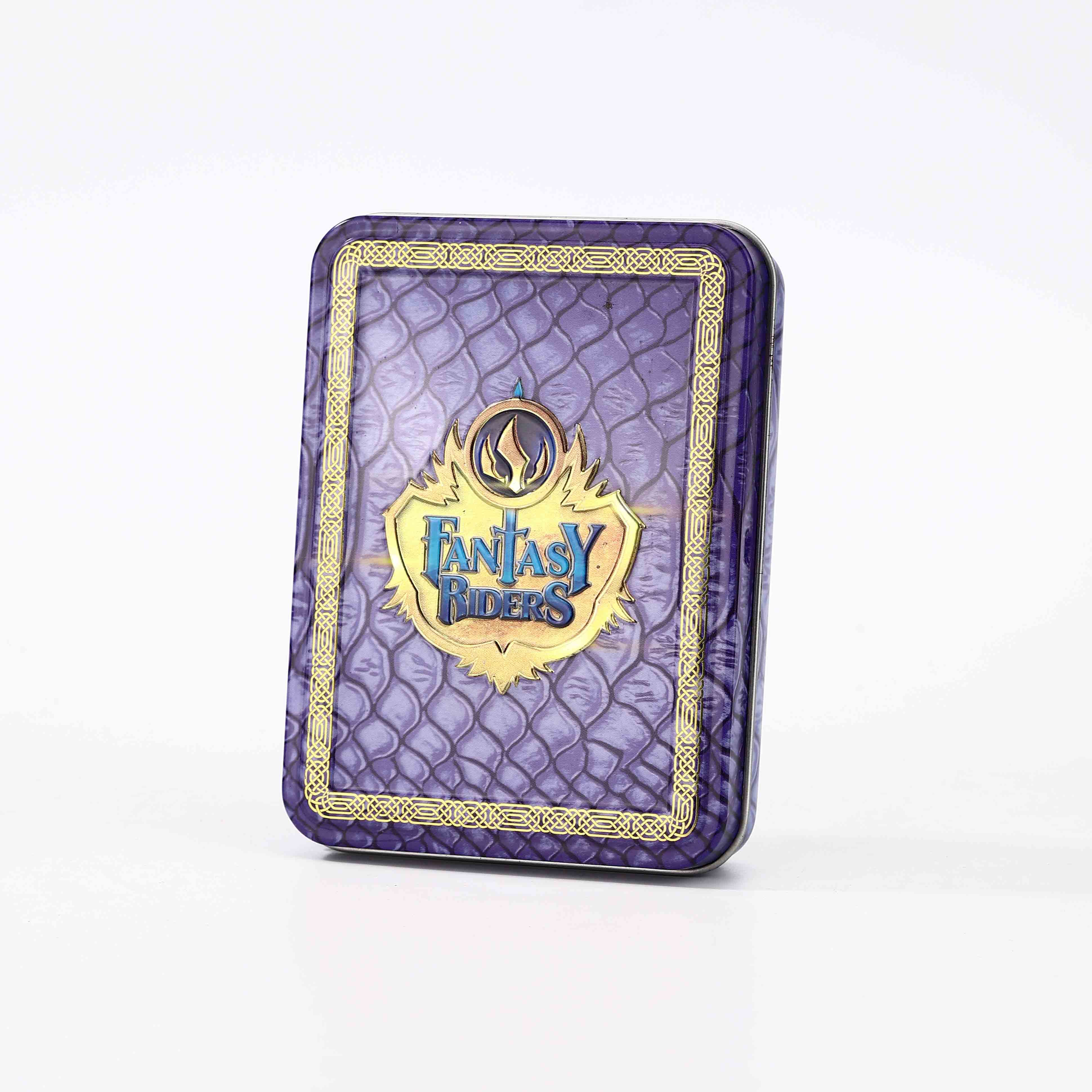
Customized metal containers with raised detailing allow for precise brand storytelling, whether through intricate logos, textured patterns, or 3D imagery. For procurement managers, the challenge lies in finding a manufacturer that can balance high-volume output with the technical precision required for complex molds. Understanding the intersection of material science, CAD design, and precision stamping is essential for ensuring that the final packaging protects the product while serving as a powerful marketing tool.

The Technical Mechanism of Structural Metal Deformation
The process of creating raised designs on metal surfaces involves a combination of high-pressure stamping and precision mold engineering. Unlike surface printing, this method physically displaces the tinplate or aluminium, creating a permanent structural change. This is achieved through a meticulously designed CAD process where the depth and angle of the embossment are calculated to prevent material thinning or cracking, ensuring the structural integrity of the container remains intact.
Advanced manufacturing lines utilize automated presses that can execute complex 3D shapes. This technical sophistication allows for various styles, including:
- Fine-line Embossing: Ideal for intricate logos and corporate typography.
- Terrain Texturing: Creating organic or geometric patterns across the body of the tin.
- High-Relief 3D Effects: Creating a sculptural feel that significantly alters the visual profile of the packaging.
By blending these techniques with diverse varnish options—such as matte, glossy, or cracked finishes—manufacturers can create a multi-sensory experience. The result is a durable container that protects contents from light and air while providing a high-end aesthetic that enhances the brand's perceived value.

Strategic Application Across High-Value Consumer Sectors
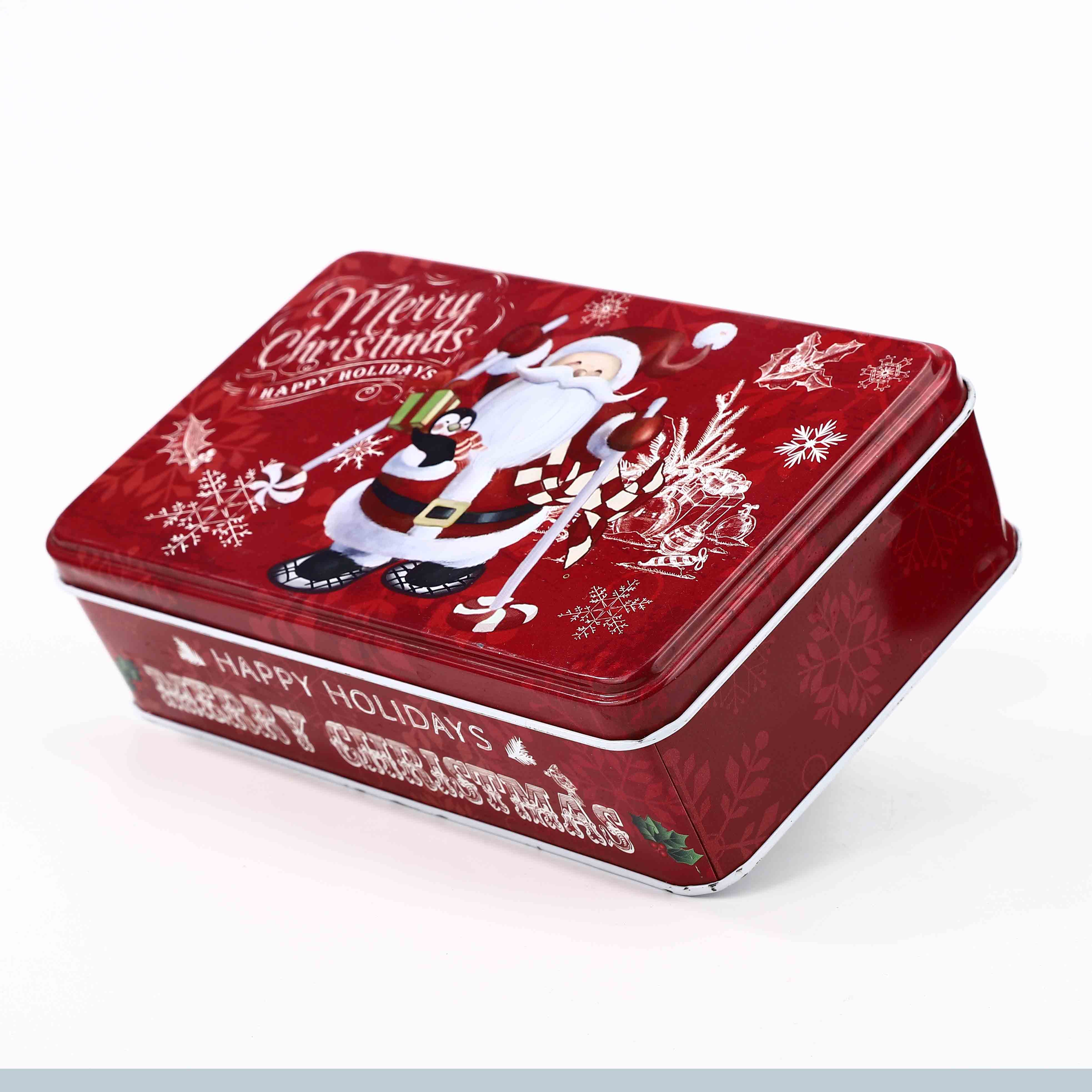
Different industries require different functional and aesthetic priorities when choosing textured metal packaging. In the confectionery and chocolate sector, the focus is often on giftability. Heart-shaped or rectangular tins with embossed holiday motifs create an emotional connection with the buyer, making the packaging part of the gift itself. These containers are often designed for reuse, extending the brand's presence in the consumer's home long after the product is consumed.
In the pharmaceutical and cosmetic industries, the requirements shift toward a balance of elegance and protection. Here, subtle embossing is used to highlight key product benefits or luxury brand markers. The use of aluminium or tinplate ensures that sensitive formulas are protected from external contaminants, while the tactile surface provides a professional, high-quality feel that justifies a premium price point.
Furthermore, specialty sectors such as caviar or luxury tea utilize these containers to signal authenticity and exclusivity. The ability to customize the closure—ranging from screw lids to hinged openings—allows the packaging to be tailored to the specific accessibility needs of the product, ensuring that the user experience is seamless from the first touch to the final use.
Evaluating Manufacturing Capabilities for Scale and Precision
When sourcing a production partner for specialized metal packaging, procurement teams must look beyond the unit price and evaluate the integrated nature of the manufacturing process. A fully integrated, lean in-house operation—covering everything from CAD design to final delivery—reduces the risk of communication errors and ensures that the physical product matches the digital prototype exactly.
Key evaluation criteria for a reliable manufacturer include:
- Tooling Flexibility: The ability to create new molds quickly for custom shapes (square, oval, or bespoke) is critical for brands launching limited edition lines.
- Material Versatility: Experience with both tinplate and aluminium is necessary, as each material reacts differently to the embossing process and offers different protective qualities.
- Consistency in Volume: The capacity to maintain high quality across millions of units per month is what separates a boutique shop from a global industrial partner.
A manufacturer's ability to handle "material compound packaging" is also a significant advantage. This means they can integrate different materials or closures to meet a customer's specific technical request, ensuring that the packaging serves as a complete system for branding, transport, and preservation.
Metal Packaging Selection Framework
| Application Sector | Recommended Material | Embossing Style | Primary Value Driver |
|---|---|---|---|
| Luxury Confectionery | Tinplate | High-Relief 3D | Giftability & Aesthetics |
| Cosmetics/Skin Care | Aluminium | Fine-line / Minimalist | Brand Prestige & Seal |
| Specialty Tea/Coffee | Tinplate | Terrain / Patterned | Aroma Preservation |
| Pharmaceuticals | Aluminium | Technical Typography | Protection & Compliance |
| Holiday Gift Sets | Compound Metal | Complex Scenic | Limited Edition Appeal |
Sustainability and the Circular Economy of Metal Packaging
As global regulations on single-use plastics tighten, metal packaging has emerged as one of the most eco-efficient choices available. The inherent advantage of tinplate and aluminium is their infinite recyclability. Unlike plastics, which degrade in quality every time they are processed, metal can be recycled indefinitely without losing its technical properties. This makes it an ideal choice for brands aiming to meet ESG (Environmental, Social, and Governance) targets.
Integrating structural embossing adds another layer of sustainability by increasing the "keep-rate" of the packaging. When a container is visually stunning and tactilely pleasing, consumers are significantly more likely to repurpose it for storage rather than discarding it. This transforms a piece of packaging into a long-term household object, effectively reducing the waste stream.
For manufacturers, adopting lean production processes further minimizes the environmental footprint. By optimizing the CAD-design process to reduce material scrap and utilizing high-efficiency automated lines, the energy required per unit is lowered, ensuring that the luxury of the final product does not come at an unacceptable environmental cost.
Procurement Strategies for Bespoke Metal Containers
Successfully procuring custom embossed tins requires a shift from a transactional mindset to a partnership approach. Because the initial tooling and mold creation represent a significant part of the technical effort, close interaction between the brand's designers and the factory's technologists is paramount. This collaboration ensures that the design is not only aesthetically pleasing but also manufacturable at scale without defects.
Buyers should prioritize the following steps during the procurement cycle:
- Technical Validation: Request samples of similar relief depths to verify the manufacturer's ability to maintain crisp edges and consistent depth.
- Lead Time Analysis: Evaluate the throughput capacity to ensure the factory can meet peak seasonal demands, especially for Christmas or holiday-themed products.
- Quality Assurance Protocol: Confirm the inspection standards for varnishing and stamping to avoid inconsistencies in matte or glossy finishes across large batches.
Ultimately, the goal is to find a partner that blends state-of-the-art production with a creative spirit. A manufacturer that can suggest alternative compound materials or closure styles to improve the product's function—while maintaining the desired brand image—provides far more value than one that simply follows a specification sheet.
Technical and Commercial FAQ
What is the difference between embossing and debossing in metal packaging?
Embossing creates a raised design on the surface of the metal, pushing the material outward. Debossing creates a recessed or sunken design, pushing the material inward. Embossing is typically preferred for luxury branding as it provides a more prominent 3D effect and a tactile "premium" feel.
Can any logo be converted into a 3D embossed design?
Most logos can be embossed, but extremely fine details or very thin lines may require adjustment. A CAD technician will analyze the design to ensure the relief depth is achievable without compromising the metal's structural integrity or causing the material to tear during stamping.
How does the choice of material affect the embossing quality?
Tinplate is generally more rigid and excellent for high-volume, durable containers with sharp details. Aluminium is lighter and often offers a different aesthetic finish, but it requires different pressure settings during the stamping process to achieve the same level of relief.
What are the most common closure options for custom metal tins?
Options vary based on the product's needs: screw lids are ideal for aroma preservation (coffee/tea), hinged lids are perfect for gift boxes and confectionery, and slip-on lids are common for cosmetic creams or pharmaceuticals.
Is there a minimum order quantity for custom molded shapes?
Because custom shapes require the creation of new physical molds, there is typically a minimum order quantity to offset the initial tooling costs. However, the exact amount depends on the complexity of the design and the production line utilized.
How do you ensure the colors remain consistent across embossed areas?
Consistency is managed through precision varnishing and high-quality ink application. By applying the finish after the embossing process, manufacturers ensure that the color remains uniform across both the raised and flat surfaces of the container.
Industry Resources and Standards
- World Steel Association - Material Standards
- International Aluminium Institute - Sustainability Data
- Packaging Digest - Luxury Packaging Trends
- ISO Standards for Packaging Materials
Selecting the right structural packaging is a strategic decision that impacts both brand perception and product protection. By leveraging advanced stamping technology and sustainable materials, companies can create a lasting physical connection with their customers.
Related Industry Insights