Rectangular tin containers, seemingly simple vessels, play a surprisingly vital role in modern logistics, preservation, and even humanitarian aid. Globally, these containers are integral to supply chains across countless industries, offering a robust and cost-effective solution for packaging and transporting goods. Their enduring appeal stems from a combination of practicality, affordability, and increasing sustainability efforts within the packaging industry.
The demand for efficient and reliable packaging solutions continues to rise alongside global trade and a growing emphasis on product integrity. rectangular tin containers are particularly well-suited to meet this need, offering protection against damage, moisture, and contamination. This makes them invaluable in sectors ranging from food and beverage to pharmaceuticals and industrial components.
Understanding the nuances of these containers – their manufacturing processes, material science, and applications – is critical for businesses and organizations seeking optimized packaging strategies, reduced costs, and a minimized environmental footprint. Their versatility and inherent strength contribute significantly to minimizing waste and ensuring safe delivery of products worldwide.
The Enduring Appeal of Rectangular Tin Containers
The longevity of rectangular tin containers as a packaging solution isn’t accidental. They represent a careful balance between robustness, cost-effectiveness, and a growing alignment with sustainability principles. For centuries, tinplate – steel coated with a thin layer of tin – has been valued for its ability to protect contents from environmental factors and physical damage.
This inherent durability allows for multiple uses, reducing the need for constant replacement. Furthermore, tin is a highly recyclable material, contributing to a circular economy. Modern advancements in tin coating and container manufacturing have only enhanced these benefits, making them increasingly attractive to businesses seeking responsible packaging solutions.
Defining Rectangular Tin Containers
Rectangular tin containers are packaging vessels crafted primarily from tinplate—steel sheet coated with a thin layer of tin. This coating protects the steel from corrosion, ensuring the container’s integrity and preserving the contents within. The rectangular shape, a standard in packaging, maximizes space utilization during transport and storage, streamlining logistics.
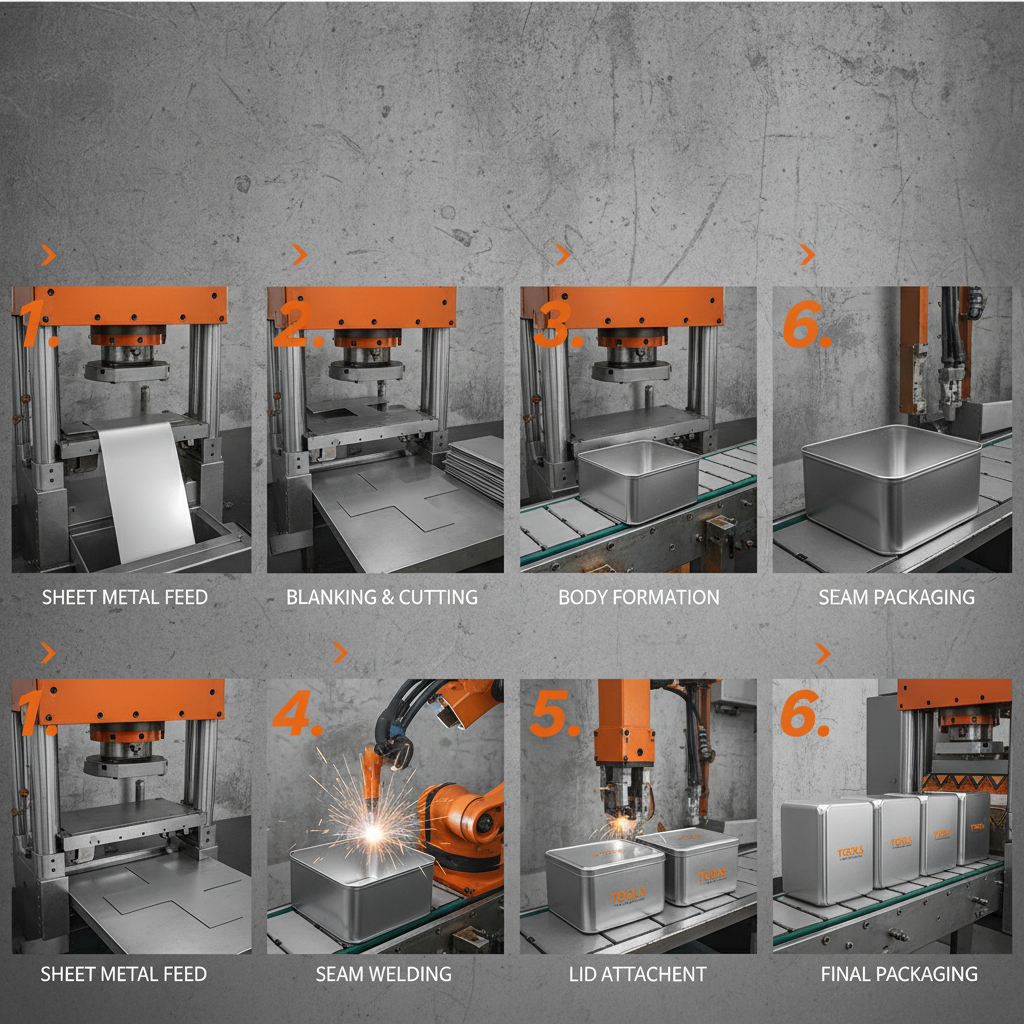
They are produced through a process of cutting, shaping, and joining tinplate sheets, often employing techniques like deep drawing and welding. The resulting containers are characterized by their rigid structure, airtight sealing capabilities (when properly sealed), and resistance to crushing. This makes them suitable for a broad spectrum of goods.
In today’s world, where efficient and secure transport is crucial – and particularly relevant in humanitarian contexts – these containers offer a reliable and practical solution. They are a tangible example of how established technologies continue to serve vital functions in modern applications.
Core Characteristics and Properties
The defining characteristics of rectangular tin containers revolve around their material composition and manufacturing process. Tinplate itself possesses excellent barrier properties, preventing light, oxygen, and moisture from affecting the enclosed products. This is paramount in preserving food items, pharmaceuticals, and other sensitive goods.
Furthermore, the inherent strength of steel ensures the containers can withstand significant physical stress during handling and transportation. The rectangular shape provides efficient stacking, optimizing space in warehouses and shipping containers. This combination of protective qualities and logistical advantages makes them a favored choice for diverse industries.
Beyond their structural benefits, tin containers are also easily customizable with labels, coatings, and printing, allowing for brand recognition and product information display. This flexibility, coupled with their recyclability, contributes to their long-term sustainability and economic viability.
Key Factors Influencing Container Selection
Selecting the appropriate rectangular tin container requires careful consideration of several key factors. Durability is paramount, particularly for products requiring robust protection during transit. Scalability—the ability to produce containers in varying sizes and quantities—is crucial for businesses with fluctuating demands.
Cost-efficiency also plays a significant role, as tin containers offer a competitive price point compared to alternative packaging materials like glass or plastic. Beyond these fundamentals, factors like sealing integrity, compatibility with filling equipment, and the potential for customization all contribute to informed decision-making.
Container Selection Criteria: Weighted Average
Global Applications and Industry Sectors
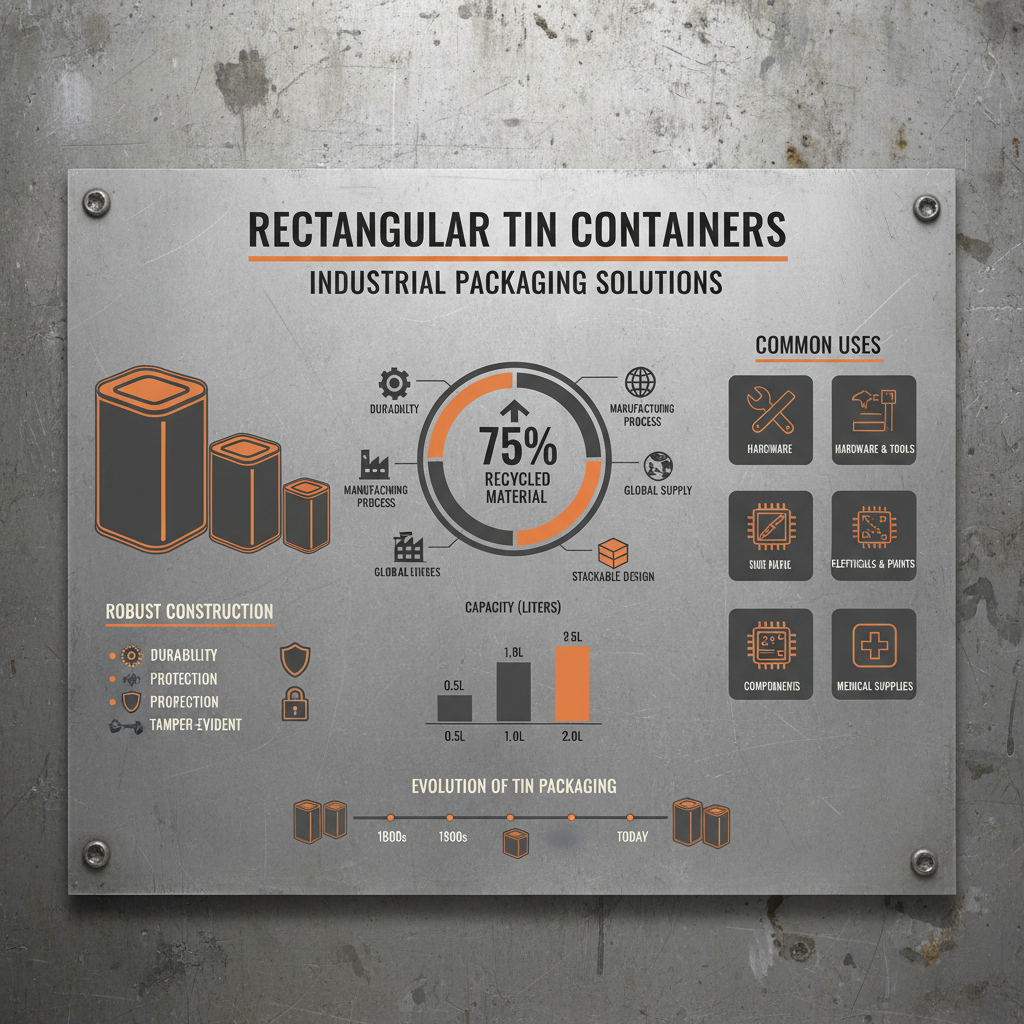
Rectangular tin containers are ubiquitous across a vast array of industries. In the food and beverage sector, they safeguard everything from biscuits and confectionery to tea and specialized oils. Pharmaceutical companies rely on their protective qualities to maintain the integrity of medications.
The industrial sector utilizes them for storing and transporting components, paints, and adhesives. In post-disaster relief operations, these containers prove invaluable for distributing essential supplies like food rations, medical kits, and hygiene products to affected communities. Their durability and ease of transport are critical in challenging environments.
Advantages and Long-Term Value Proposition
The advantages of utilizing rectangular tin containers extend beyond immediate cost savings. Their superior protective qualities minimize product damage, reducing waste and maximizing profitability. The inherent recyclability of tin contributes to a reduced environmental footprint, aligning with increasingly stringent sustainability regulations.
Furthermore, the aesthetic versatility of tin allows for impactful branding and product differentiation. Consumers often perceive products packaged in tin as being higher quality and more premium, enhancing brand image. The long-term reliability and reusability contribute to a sense of value and trust.
From a logistical perspective, their stackability and robust construction streamline warehousing and transportation, resulting in reduced handling costs. This holistic approach to value—encompassing economic, environmental, and social considerations—establishes a compelling long-term proposition.
Future Trends and Innovations in Tin Container Technology
Innovation within the rectangular tin container industry is focused on enhancing sustainability and functionality. Research is underway to develop thinner, lighter tin coatings that maintain protective qualities while reducing material usage. Advances in digital printing technologies allow for more intricate and personalized designs, enhancing brand appeal.
The integration of smart packaging solutions, such as QR codes and RFID tags, is also gaining traction, enabling track-and-trace capabilities and enhanced supply chain visibility. Additionally, there's growing interest in bio-based coatings and alternative tinplate materials to further reduce the environmental impact.
These developments, coupled with increasing emphasis on circular economy principles, position rectangular tin containers as a key component of sustainable packaging systems for years to come. The continued exploration of renewable energy sources in manufacturing processes will further contribute to their environmental profile.
Key Performance Indicators for Rectangular Tin Container Innovation
| Innovation Area |
Current Status (1-10) |
Potential Impact (1-10) |
Implementation Challenges |
| Thinner Tin Coatings |
7 |
8 |
Maintaining Protective Barrier |
| Digital Printing Capabilities |
9 |
7 |
Ink Sustainability |
| Smart Packaging Integration |
5 |
9 |
Cost and Infrastructure |
| Bio-Based Coatings |
4 |
10 |
Performance and Scalability |
| Alternative Tinplate Materials |
3 |
9 |
Material Availability and Cost |
| Renewable Energy Manufacturing |
6 |
8 |
Infrastructure Investment |
FAQS
Rectangular tin containers offer superior protection against light, oxygen, and moisture, preserving product quality longer than many plastic alternatives. They are also highly recyclable – tin has a very high recycling rate – and don’t contribute to microplastic pollution. Furthermore, tin often conveys a perception of higher quality, enhancing brand image, and is generally more durable. Finally, their robust nature reduces product damage during transport.
Yes, rectangular tin containers are extensively used for food packaging. However, they must adhere to strict regulations regarding food contact materials. In the US, the FDA has guidelines, while in Europe, regulations are governed by the European Food Safety Authority (EFSA). These regulations ensure the tin coating is food-grade and doesn’t migrate into the food contents. Internal lacquers are often used to prevent interaction between the food and the tinplate.
The initial cost of rectangular tin containers can sometimes be higher than plastic. However, this needs to be considered in the context of their durability, reusability, and recyclability. Over the lifecycle of the product, tin containers can often prove more cost-effective due to reduced product damage, lower waste disposal costs, and the potential for recovered material value. They also offer a perceived premium value, allowing for potential pricing adjustments.
The production of tinplate requires energy and resources. However, tin is a highly recyclable material, with a significant percentage of used tinplate being recovered and reused. This closed-loop recycling process minimizes waste and reduces the demand for virgin materials. The environmental impact is further reduced by the long lifespan of tin containers and their potential for multiple uses. Proper disposal through recycling programs is crucial.
Absolutely. Rectangular tin containers are highly customizable. They can be decorated with vibrant lithographic printing, embossed logos, and specialized coatings. Labeling options range from direct printing to adhesive labels. This allows for significant brand differentiation and the inclusion of essential product information. Customization options contribute to a premium presentation and enhanced brand recognition.
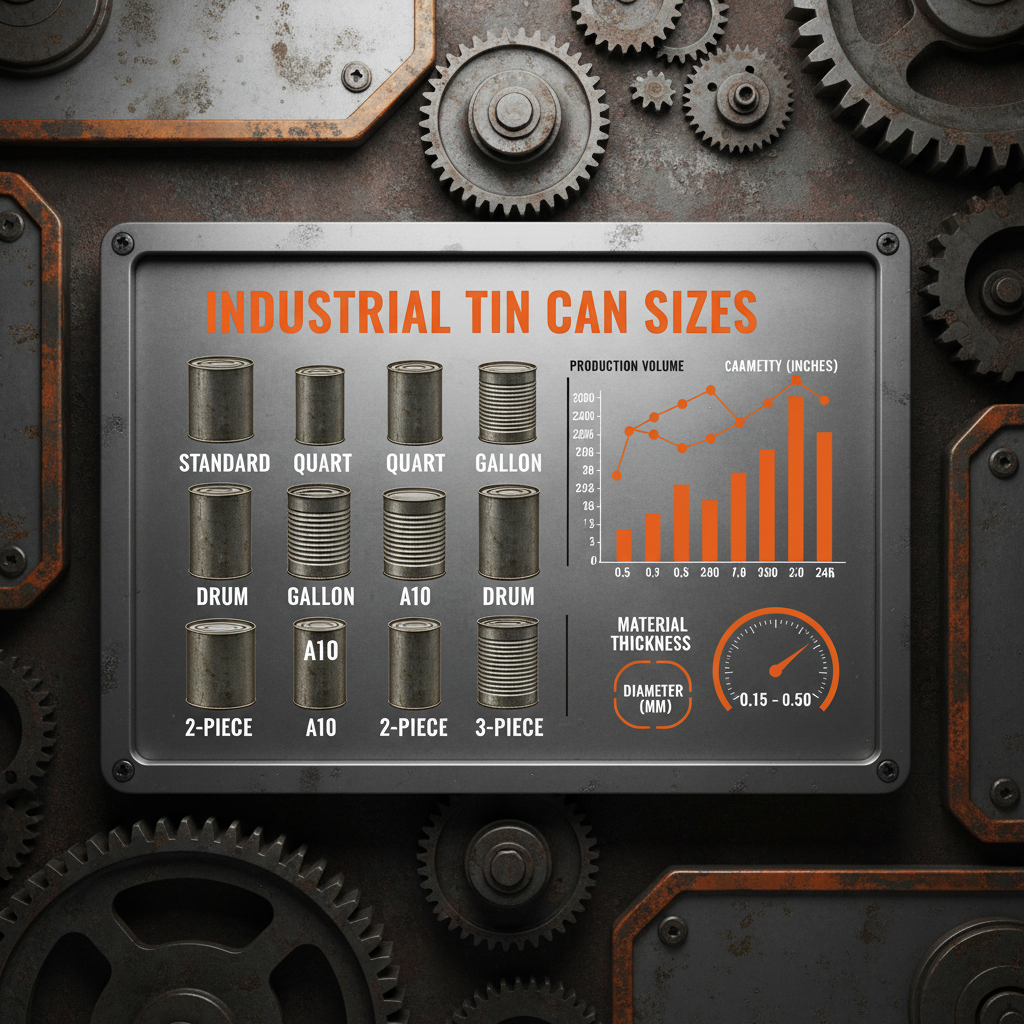
Rectangular tin containers come in a wide range of sizes, from small tins suitable for confectionery to larger containers for industrial components. Common shapes include rectangular, square, and variations thereof. Custom sizes and shapes are often available for specific applications, although this may involve higher tooling costs. The choice of size and shape depends on the product being packaged, transportation requirements, and desired presentation.
Conclusion
Rectangular tin containers represent a compelling blend of tradition and innovation in the packaging industry. Their durability, protective qualities, recyclability, and customization options position them as a versatile and sustainable solution for a broad spectrum of applications. From safeguarding food and pharmaceuticals to streamlining industrial logistics and providing essential aid in disaster relief, their impact is undeniable.
Looking ahead, continued advancements in materials science, manufacturing processes, and smart packaging technologies will further enhance the value proposition of rectangular tin containers. Embracing these innovations and prioritizing sustainable practices will solidify their role as a critical component of a circular economy. We encourage businesses and organizations to explore the benefits of these containers and leverage their potential for a more efficient and responsible future.