

Oct . 27, 2025 14:40 Back to list
Steel Pail with Lid Manufacturers | UN-Rated, Leak-Proof
What Buyers Really Ask Before Choosing steel pail with lid manufacturers
If you handle paints, lubricants, or food syrups, you already know the pail game can be surprisingly technical. To be honest, price lists don’t tell you much. Coatings, UN ratings, seam integrity, torque on the ring clamp—those details decide whether you pass compliance or end up with a leaker on a Friday afternoon. Here’s the insider’s version, straight from factory floors and buyer calls.
Industry trends and where specs are heading
- Compliance-first: UN 1A2-rated open-head pails with EPDM gaskets dominate hazardous liquids.
- Coating upgrades: epoxy-phenolic and FDA-leaning linings for food and corrosives; thinner, tougher films to cut VOCs.
- Customization: brandable lids and lithography (CMYK), even for industrial lines. Shorter runs are finally economical.
- Traceability: QR-coded lots, drop/leak data logged—auditors love it, ops teams even more.
Typical product specs (open-head steel pail with lid)
| Capacity | 20 L / 5 gal (other sizes 10–30 L available) |
| Material & thickness | Cold-rolled steel, tinplate options; ≈0.3–0.6 mm wall (real-world use may vary) |
| Lid & closure | Lug/lever ring; EPDM/NBR gasket; tamper evident options |
| Coatings | Rust inhibitor, epoxy-phenolic, food-grade interior; exterior litho or enamel |
| Compliance | UN 1A2/Y (varies by configuration), 49 CFR Part 178, ISO 16106 guidance |
| Test data (typ.) | Drop 1.2 m pass (ambient), Leakproofness 30 kPa/5 min, Hydrostatic ≈100 kPa |
Process flow (how good pails are made)
Steel coil sourcing → blanking → deep-draw or roll-forming → side-seam welding → beading and triple-seam bottom → handle and lug installation → cleaning and pretreatment → interior coating (if any) → oven cure → exterior finish/lithography → lid + gasket assembly → torque validation → leakproofness and drop testing → palletization. Service life ranges from single-trip UN use to multiple reuse cycles (where local regs and refurbishers permit).
Applications, from solvents to sweets
Chemicals, paints, inks, lubricants, agrochem, food syrups and powdered ingredients—yes, food. As a quirky example, we’ve seen confectionery brands blend industrial-grade know-how with retail flair.
Case study: a candy pail DNA
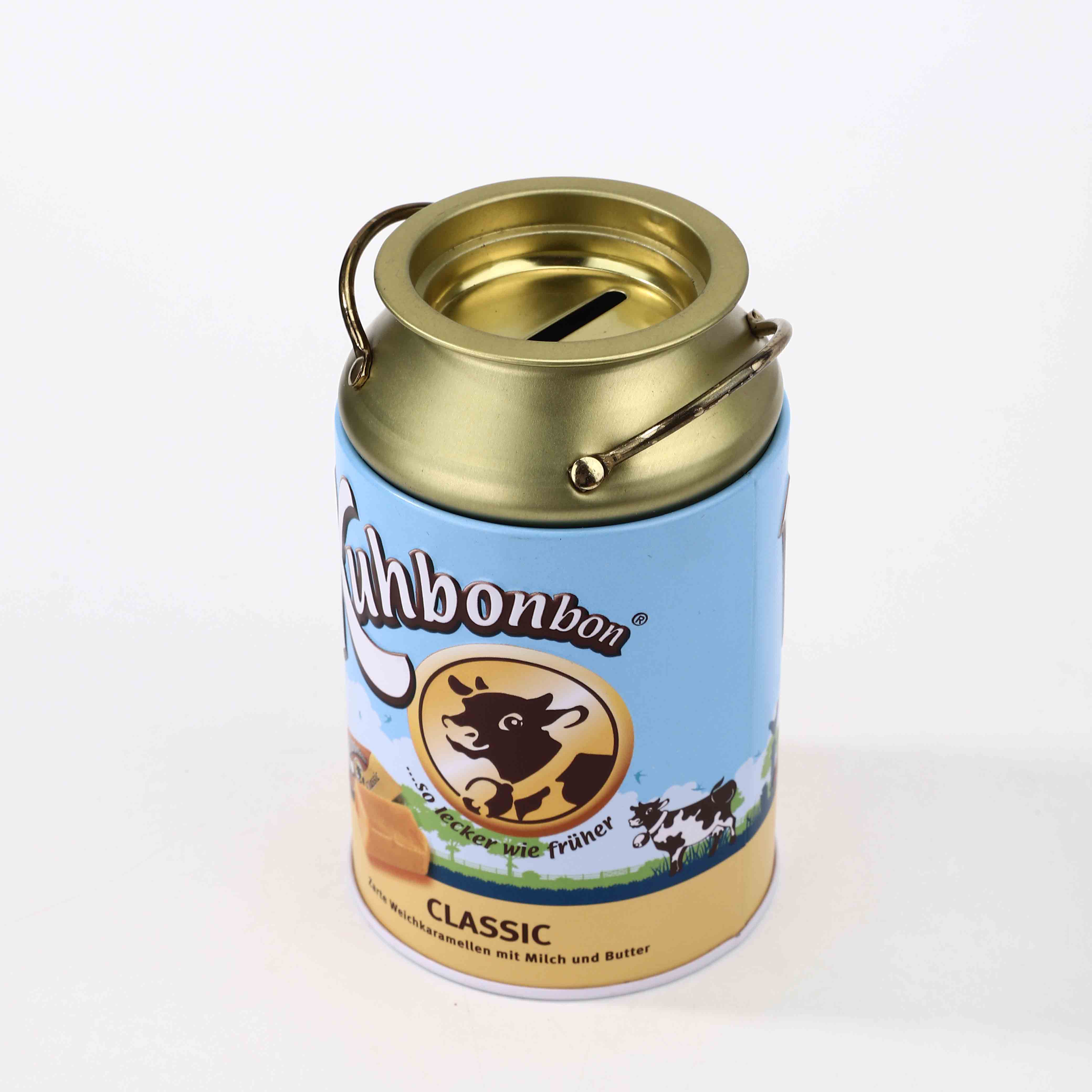
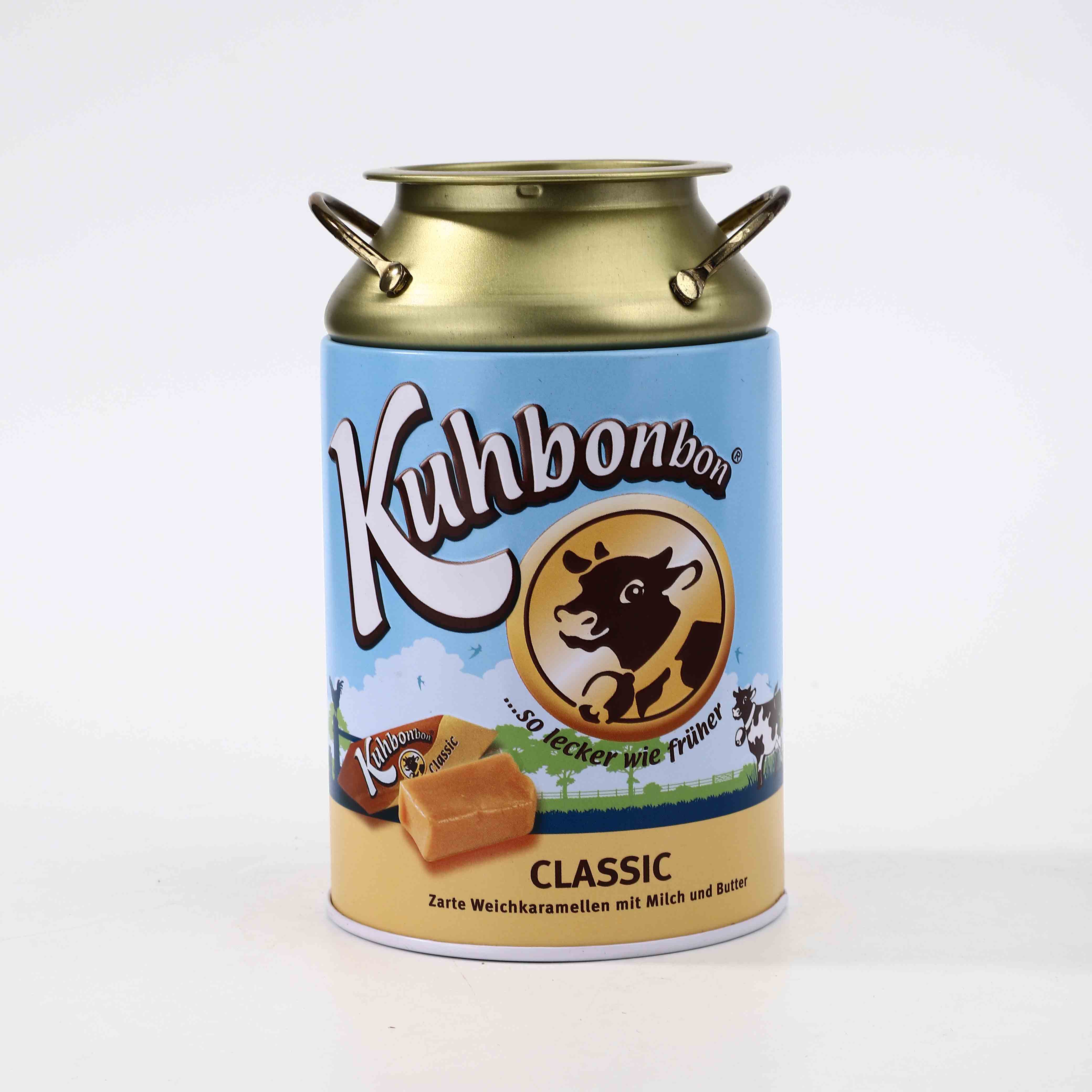
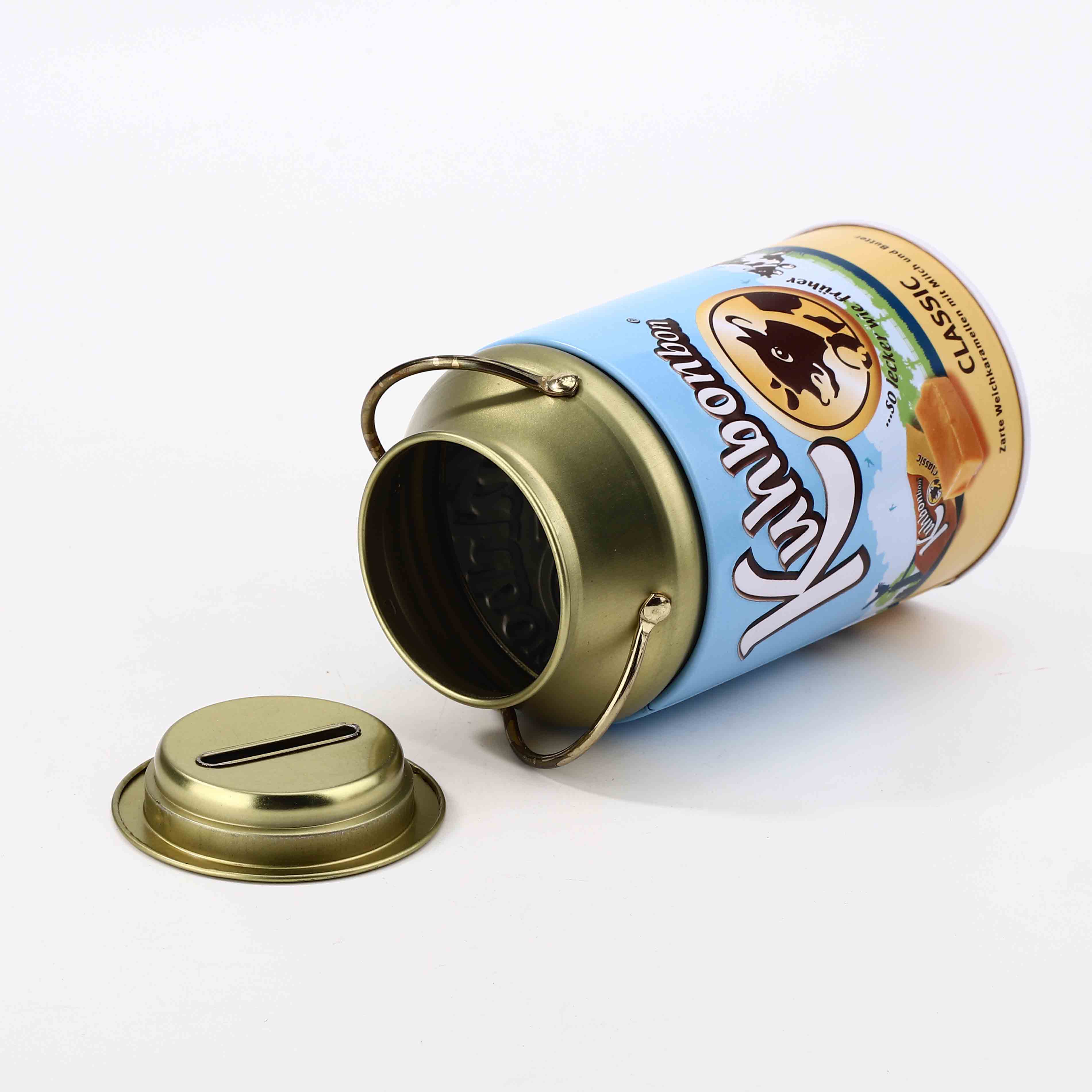
From No. 1 QingShan Road, Lvdao Development Zone, Shijiazhuang, a team built the Milk Candy Tin Box with Handle—0.23 mm tinplate, 3-piece structure, special handled lid, CMYK print with gold or glossy/matte finish. Many customers say the “giftability” shot up while dents during transit dropped. It’s not a UN drum, of course, but the metalwork discipline (tight seams, cure control, QC) mirrors what you want from steel pail with lid manufacturers. Custom logos and OEM shapes? Very doable.
Vendor comparison (what to weigh)
| Vendor type | Lead time | MOQ | UN ratings | Customization | Price (≈) |
|---|---|---|---|---|---|
| Integrated OEM (Asia) | 3–5 weeks | 1,000–3,000 | Broad range | High (litho, shapes) | Low–mid |
| Regional producer (US/EU) | 2–4 weeks | 500–1,500 | Standard SKUs | Medium | Mid–high |
| Custom boutique shop | 4–8 weeks | 200–500 | Limited | Very high | High |
Testing, certifications, and what auditors ask
Expect UN marking validation, leakproofness records, torque specs for ring clamps, and lot traceability. ISO 9001 isn’t a trophy—ask for the scope. For food-contact coatings, request FDA/REACH statements and cure schedules. Many buyers also require ASTM D5276 drop reports. Anecdotally, I guess 80% of audit hiccups are documentation gaps, not product failures.
Customization that pays back
Lid style (lug vs lever), gasket compound matched to contents, inside coat chemistry, and exterior lithography. Short-run branded lids can be worth it for seasonal products—seen it work in both candy tins and industrial pails. With the right steel pail with lid manufacturers, you get both compliance and shelf appeal.
Citations
- UN Recommendations on the Transport of Dangerous Goods (Model Regulations): https://unece.org/transport/dangerous-goods
- 49 CFR Part 178 (Packaging, UN performance tests): https://www.ecfr.gov/current/title-49/subtitle-B/chapter-I/subchapter-C/part-178
- ISO 16106:2020 Packaging for dangerous goods — Transport: https://www.iso.org/standard/63750.html
- ASTM D5276 Standard Test Method for Drop Test of Loaded Containers: https://www.astm.org/d5276-19.html
-
How to Choose the Best Plastic Ice Buckets for Your Business
NewsApr.16,2026
-
Guide to Choosing the Best Painting Tin Cans for Professional Results
NewsApr.09,2026
-
Finding the Best Tin Can Man For Quality Metal Packaging Solutions
NewsApr.07,2026
-
Discover the Best Cookie and Candy Tins for Gifting and Storage
NewsApr.04,2026
-
Discover the Best Metal Pails with Lids for Secure Product Packaging
NewsMar.31,2026
-
Discover the Best Tin Small Packaging Solutions for Your Products
NewsMar.28,2026