

Apr . 09, 2026 01:55 Back to list
Guide to Choosing the Best Painting Tin Cans for Professional Results
Choosing the Best Painting Tin Cans for Professional Results
For artists, contractors, and industrial manufacturers, the quality of storage can be just as important as the paint itself. Finding the best painting tin cans ensures that your coatings remain fresh, free from contamination, and easy to apply. A high-quality tin can prevents premature drying and protects the contents from external pollutants, which is critical for maintaining the chemical integrity of premium paints. In this guide, we will explore the essential features of professional-grade tin packaging, helping you make an informed decision for your specific project needs.
Material Excellence in the Best Painting Tin Cans
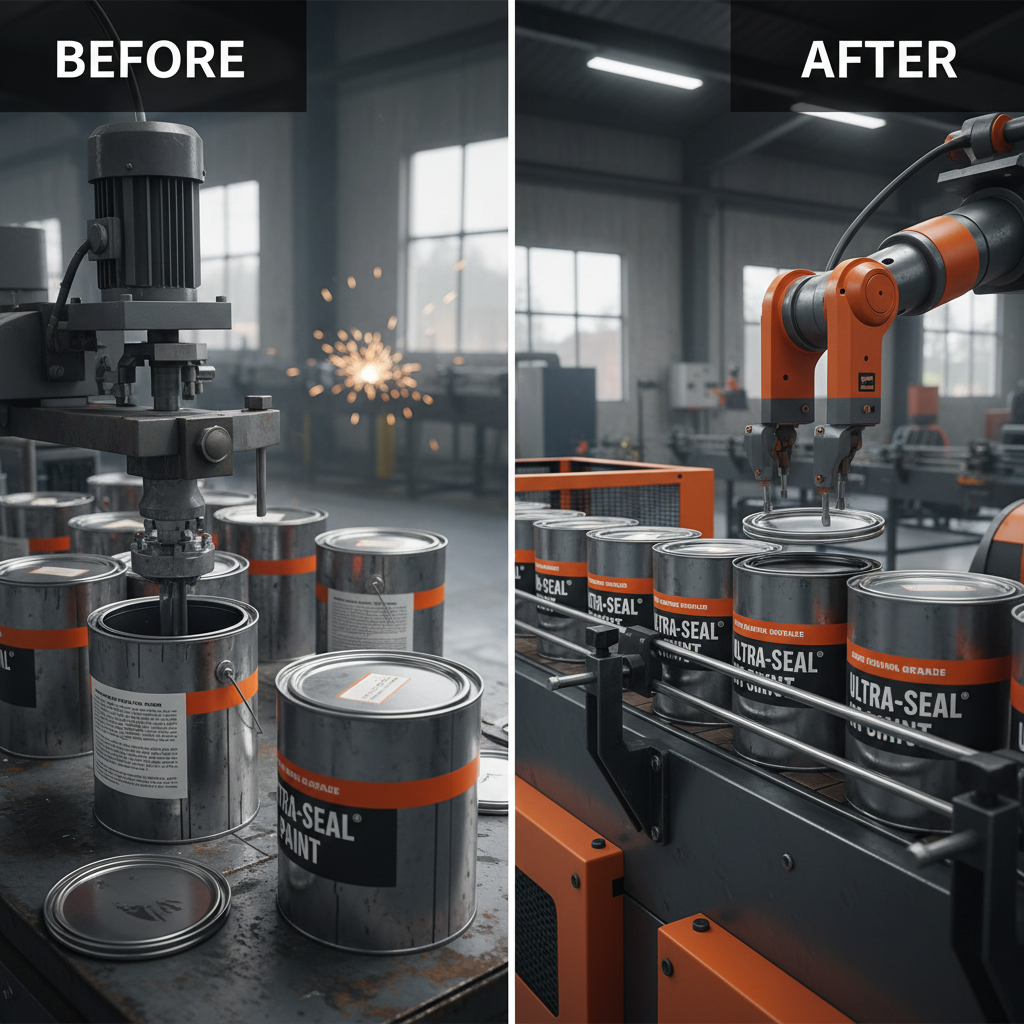
The foundation of the best painting tin cans lies in the grade of steel used. Most professional tins are crafted from tin-plated steel or lacquered steel to prevent corrosion. Since many paints contain solvents or water-based chemicals that can react with raw metal, an internal epoxy or organic coating is essential. This lining creates a barrier that prevents the paint from reacting with the metal wall, ensuring that the color and viscosity remain consistent over long periods of storage.
Pro Tip: Always check for "food-grade" or "industrial-grade" lacquer certifications when sourcing tins, as these indicate a higher level of chemical resistance and durability.
Key Features of High-Performance Paint Packaging
What truly separates a standard container from the best painting tin cans is the attention to sealing and accessibility. A precision-fit lid is the most critical component; if the seal is not airtight, oxygen enters the can, causing a "skin" to form on the paint surface. Additionally, the exterior finish of the can should be smooth and printable, allowing for clear branding and safety instructions. Ergonomic handles and reinforced rims further enhance the usability for workers in fast-paced industrial environments.
Essential Checklist for Paint Tins:
• Airtight Seal: Prevents oxidation and evaporation.
• Internal Coating: Prevents rust and chemical reactions.
• Structural Integrity: Resists denting during transit.
• Ease of Opening: Standardized lids for tool compatibility.
Comparing Tin Cans vs. Plastic Containers for Paint
While plastic pails are common, the best painting tin cans offer superior benefits for specific types of coatings. Metal is naturally more impermeable to gases than plastic, making it the gold standard for solvent-based paints that can degrade plastic walls over time. Furthermore, metal tins are infinitely recyclable, aligning with modern sustainability goals in the construction and art industries. The table below highlights the core differences between these two popular options.
Technical Specifications for Painting Tin Cans
When ordering in bulk, it is essential to understand the technical parameters that define the best painting tin cans. Specifications such as wall thickness (measured in mm or gauge) and the type of closure (friction fit vs. locking ring) determine the container's suitability for different paint volumes. For example, a 1-liter tin requires different structural reinforcement than a 20-liter drum to maintain the same level of protection.
Industrial Applications of Quality Tin Packaging
The versatility of the best painting tin cans extends beyond simple wall paint. They are widely used in the automotive industry for high-gloss lacquers, in the marine sector for anti-fouling paints, and in the art world for professional oil and acrylic mediums. Because these industries often deal with hazardous materials, the leak-proof nature of tin cans is a critical safety requirement. Ensuring a secure seal prevents accidental spills during shipping, reducing the risk of environmental contamination and workplace accidents.
Optimizing Storage with the Best Painting Tin Cans
Maximizing the lifespan of your paint starts with how you store it. Using the best painting tin cans allows for efficient stacking in warehouses, saving valuable space. To further optimize storage, it is recommended to store cans upside down after use; this creates a natural seal with the paint itself, preventing air from entering the can. When paired with a temperature-controlled environment, high-quality tin packaging can preserve the usability of professional coatings for several years.
Conclusion: Elevate Your Quality with Premium Tin Cans
Investing in the best painting tin cans is not just about containing a product—it is about protecting the quality of your work. From the chemical resistance of internal lacquers to the airtight security of precision lids, every detail contributes to a better final result. By choosing professional-grade metal packaging, you ensure durability, sustainability, and the highest standards of product preservation. Choose the right packaging today to ensure your paints perform perfectly every time.
Frequently Asked Questions (FAQs)
Why are tin cans better than plastic for solvent-based paints?
Solvent-based paints contain strong chemicals that can permeate or even melt certain types of plastic over time. The best painting tin cans are made from steel with specialized internal linings that are chemically inert. This ensures that the solvent does not react with the container, preventing the paint from becoming contaminated or the container from leaking. Additionally, metal provides a superior oxygen barrier, which is essential for preventing the oxidation of sensitive chemical compounds found in high-end industrial paints.
How do I prevent my paint from skinning in a tin can?
Paint "skinning" occurs when air enters the container and reacts with the surface of the paint. To prevent this, ensure you are using the best painting tin cans with a tight-fitting, airtight lid. A professional tip is to store the can upside down after closing it tightly; the paint will seal the rim of the can, creating a liquid-tight barrier that blocks all air. Always clean the rim of the can before closing to ensure the lid sits perfectly flush against the metal.
Are metal paint cans environmentally friendly?
Yes, metal paint cans are considered one of the most sustainable packaging options available. Unlike many plastics that can only be "downcycled" into lower-quality products, steel is 100% recyclable without any loss in quality. Once the can is empty and cleaned of hazardous residue, it can be melted down and repurposed into new steel products indefinitely. By opting for high-quality tin packaging, businesses can significantly reduce their carbon footprint and contribute to a circular economy while maintaining professional product standards.
Can I customize the appearance of my painting tin cans?
Absolutely. The best painting tin cans are designed specifically to be compatible with various printing techniques. Whether you require offset printing, screen printing, or the application of high-durability labels, the smooth exterior surface of professional tins provides the ideal canvas. Customization is vital for brand recognition and for clearly communicating safety warnings and usage instructions to the end consumer, ensuring that your product looks as professional as it performs.
-
How to Choose the Best Plastic Ice Buckets for Your Business
NewsApr.16,2026
-
Guide to Choosing the Best Painting Tin Cans for Professional Results
NewsApr.09,2026
-
Finding the Best Tin Can Man For Quality Metal Packaging Solutions
NewsApr.07,2026
-
Discover the Best Cookie and Candy Tins for Gifting and Storage
NewsApr.04,2026
-
Discover the Best Metal Pails with Lids for Secure Product Packaging
NewsMar.31,2026
-
Discover the Best Tin Small Packaging Solutions for Your Products
NewsMar.28,2026