


Mar . 24, 2026 02:05 Back to list
Choosing The Best Sealed Cans For Product Packaging And Preservation
Choosing the Best Sealed Cans for Your Product
When it comes to packaging, ensuring product integrity and extending shelf life are paramount. Best sealed cans are a cornerstone of food, beverage, and industrial product packaging. They protect against contamination, oxidation, and physical damage. This article will explore the factors to consider when selecting the best sealed cans for your needs, covering different types, sealing methods, and materials. Understanding these elements is key to optimizing your product's preservation and appeal. Packaging-Help.com can provide you with the best option for your specific needs.

Types of Cans and Their Sealing Mechanisms
The first step in choosing the best sealed cans is understanding the different types available. Two-piece cans, consisting of a seamless body and a seamed end, are popular for beverages and processed foods. Three-piece cans, comprising a body, a top, and a bottom, are frequently used for heavier products or those requiring more robust protection. The sealing process is crucial; double seaming is the standard for cans, creating an airtight and hermetic seal. This involves interlocking and compressing the can's body and end, relying on a specialized seaming compound to prevent leaks. Properly sealed cans prevent spoilage, maintain freshness, and ensure product safety. Different materials can influence the sealing efficiency – explore your options with Packaging-Help.com to determine what is best.
Key Highlights: Double seaming is the standard for cans, creating an airtight and hermetic seal, preventing spoilage and maintaining freshness.
Material Matters: Steel vs. Aluminum Cans
The choice between steel and aluminum for best sealed cans depends on several factors. Steel cans are stronger and more cost-effective, making them suitable for products needing high impact resistance. They are also highly recyclable. Aluminum cans are lighter, non-corrosive, and offer excellent barrier properties against light and oxygen. This makes them ideal for beverages and products sensitive to these elements. While aluminum cans generally cost more than steel, their recyclability and lightweight nature can offer long-term benefits. Consider the specific needs of your product and its intended market when choosing the material.
Steel vs. Aluminum: A Quick Comparison
• Strength: Steel is stronger than aluminum.
• Cost: Steel is generally more cost-effective.
• Corrosion Resistance: Aluminum is non-corrosive.
• Weight: Aluminum is lighter than steel.
Factors Affecting Can Sealing Integrity
Maintaining the integrity of the can seal is crucial for product preservation. Several factors can influence sealing performance. The quality of the seaming compound, the precision of the seaming machine, and the can's coating all play a role. Variations in can diameter or body wall thickness can also impact the seal. Regular inspection of seaming machines and quality control checks on incoming cans are essential. Furthermore, the product itself can affect the seal – highly acidic or corrosive products require specialized coatings and sealing compounds. Ensuring proper headspace within the can is also important to avoid stress on the seal during temperature fluctuations. Packaging-Help.com can help you navigate these complexities.
Innovations in Can Sealing Technology
Recent advancements in can sealing technology are focused on improving seal reliability and reducing waste. Digital seaming monitors provide real-time feedback on seaming performance, allowing for immediate adjustments. Non-destructive testing methods, such as eddy current testing, can identify defects in seals without damaging the can. Furthermore, research into new sealing compounds with enhanced barrier properties and corrosion resistance is ongoing. These innovations contribute to improved product safety, extended shelf life, and reduced packaging costs. Stay informed about the latest developments.
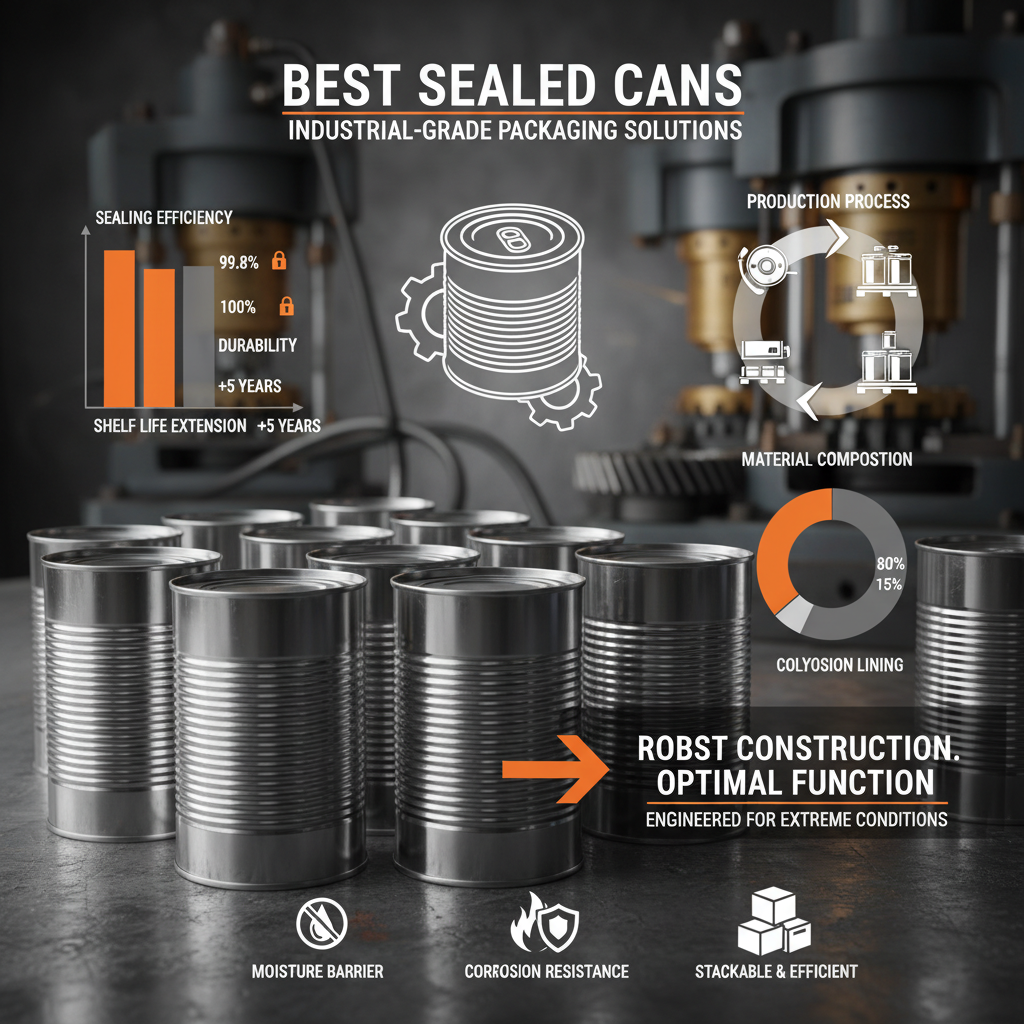
Conclusion: Selecting the Right Can for Optimal Protection
Choosing the best sealed cans for your product requires careful consideration of various factors, from material selection and sealing mechanisms to quality control and innovative technologies. By understanding these elements, you can ensure product integrity, extend shelf life, and build consumer confidence. Packaging-Help.com is a valuable resource for navigating these complexities and finding the optimal can solution for your specific needs.
Frequently Asked Questions (FAQs)
What is the difference between a double-seamed can and a welded can?
Double-seamed cans are the most common type, created by interlocking and compressing the can body and end using a specialized seaming process. This creates an airtight and hermetic seal. Welded cans, less frequently used, join the can body and end through a welding process. While welding can offer a strong seal, it's generally more expensive and requires specialized equipment. Double seaming provides a reliable, cost-effective sealing solution for a wide range of applications.
How can I ensure the quality of the can seals I receive?
Implementing a robust quality control program is essential. This includes inspecting incoming cans for defects, regularly calibrating seaming machines, and performing seal integrity testing on finished products. Statistical process control (SPC) can help identify and address variations in the seaming process. Regular audits of your packaging suppliers and adherence to industry best practices are also crucial. Packaging-Help.com can assist you with quality control procedures.
What is headspace and why is it important in can sealing?
Headspace refers to the empty space left at the top of the can after filling. It's crucial for allowing for expansion and contraction of the contents during temperature fluctuations. Insufficient headspace can cause the can to bulge or deform, compromising the seal. Excessive headspace can lead to oxidation and reduced product quality. The optimal headspace varies depending on the product's characteristics and filling temperature.
Are there eco-friendly alternatives to traditional can materials?
Yes, there is increasing interest in sustainable can materials. Aluminum is highly recyclable, and many aluminum cans are made from recycled content. Research is also underway to develop bio-based coatings and linings for cans, reducing reliance on petroleum-based materials. Furthermore, lightweighting efforts – reducing the amount of material used in can production – are contributing to a lower environmental footprint. Explore sustainable options available at Packaging-Help.com.
-
How to Choose the Best Plastic Ice Buckets for Your Business
NewsApr.16,2026
-
Guide to Choosing the Best Painting Tin Cans for Professional Results
NewsApr.09,2026
-
Finding the Best Tin Can Man For Quality Metal Packaging Solutions
NewsApr.07,2026
-
Discover the Best Cookie and Candy Tins for Gifting and Storage
NewsApr.04,2026
-
Discover the Best Metal Pails with Lids for Secure Product Packaging
NewsMar.31,2026
-
Discover the Best Tin Small Packaging Solutions for Your Products
NewsMar.28,2026