


Mar . 10, 2026 01:55 Back to list
Discover the Charm of Best Vintage Metal Tin Box A Collectors Guide
Best Vintage Metal Tin Box: A Collector's & Business Guide
The allure of vintage metal tin boxes extends far beyond mere nostalgia. These charming containers are experiencing a resurgence in popularity, valued by collectors, used creatively in businesses, and appreciated for their unique aesthetic. This article dives into the world of vintage tin boxes, covering their history, collecting tips, commercial applications, and where to find the best options. Whether you’re a seasoned collector or a business looking for distinctive packaging, this guide provides valuable insights.
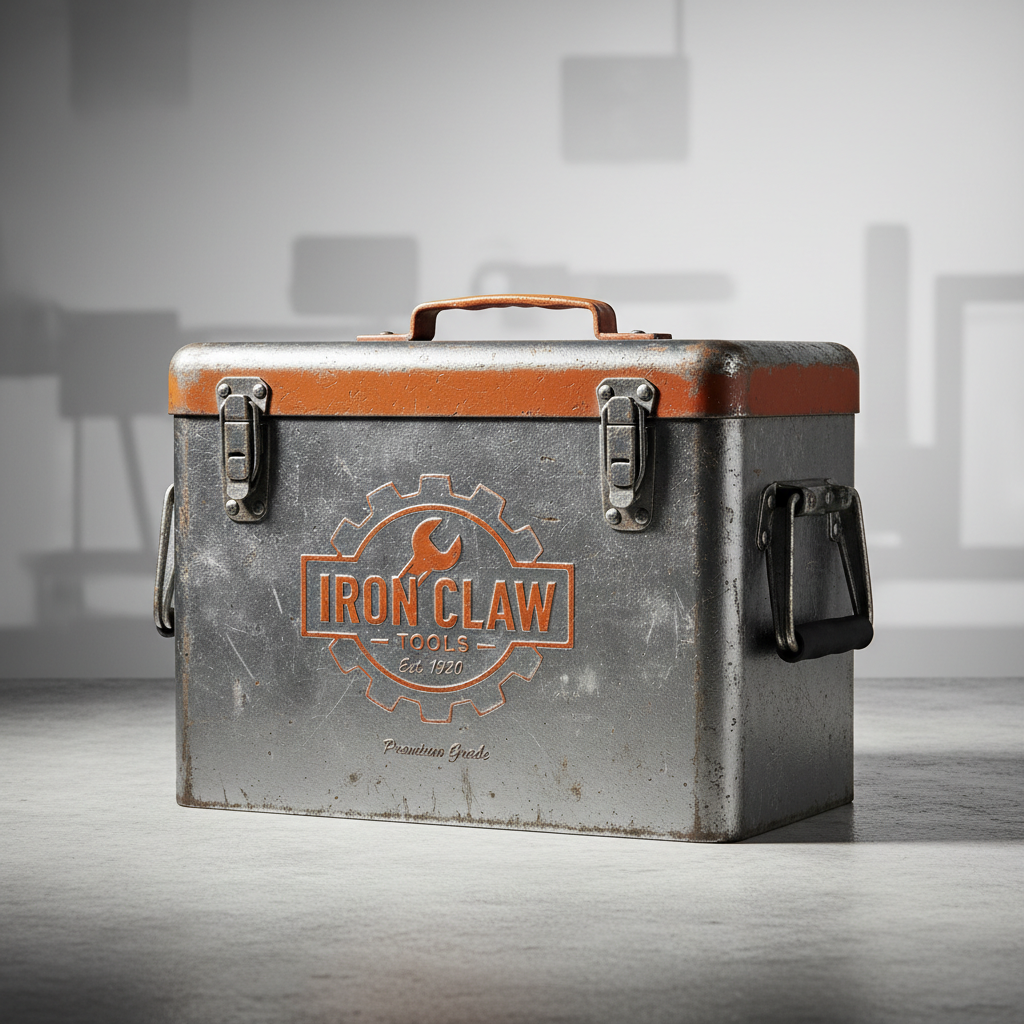
A Brief History of Vintage Metal Tin Boxes
Metal tin boxes, also known as lithographed tins, emerged in the 19th century as a practical and affordable packaging solution. Initially used for storing biscuits, tea, and confectionery, they quickly evolved into elaborate promotional items. Manufacturers began utilizing vibrant lithography – a printing process using oil-based inks on metal – to create visually appealing designs featuring advertisements, illustrations, and iconic imagery. This led to a golden age of tin box production, spanning from the late 1800s through the mid-20th century. The quality of craftsmanship and artistic detail varied widely, influencing their collectibility today.
Key Takeaway: Vintage tin boxes are a fascinating blend of packaging history, artistic design, and commercial ingenuity.
Collecting Vintage Metal Tin Boxes: Tips for Beginners
Embarking on a collection journey can be exciting. Here's a guide to get you started. Firstly, define your focus. Do you prefer tins from a specific era, brand, or theme? Popular themes include transportation, food brands, Christmas, and advertising. Condition is crucial; tins in pristine condition command higher prices. However, some collectors appreciate the character of aged tins. Learn to identify common flaws like rust, dents, and fading lithography. Finally, research prices to understand the market value of different tins. Online auction sites and collector forums are valuable resources.
Collecting Considerations:
• Focus on a specific theme or brand.
• Prioritize condition – but appreciate character.
• Research market values.
Best Vintage Metal Tin Box Styles and Their Value
The value of a vintage metal tin box varies greatly depending on several factors. Rarity, condition, and historical significance play significant roles. Here’s a comparative look at some popular styles:
Commercial Applications: Beyond Collecting
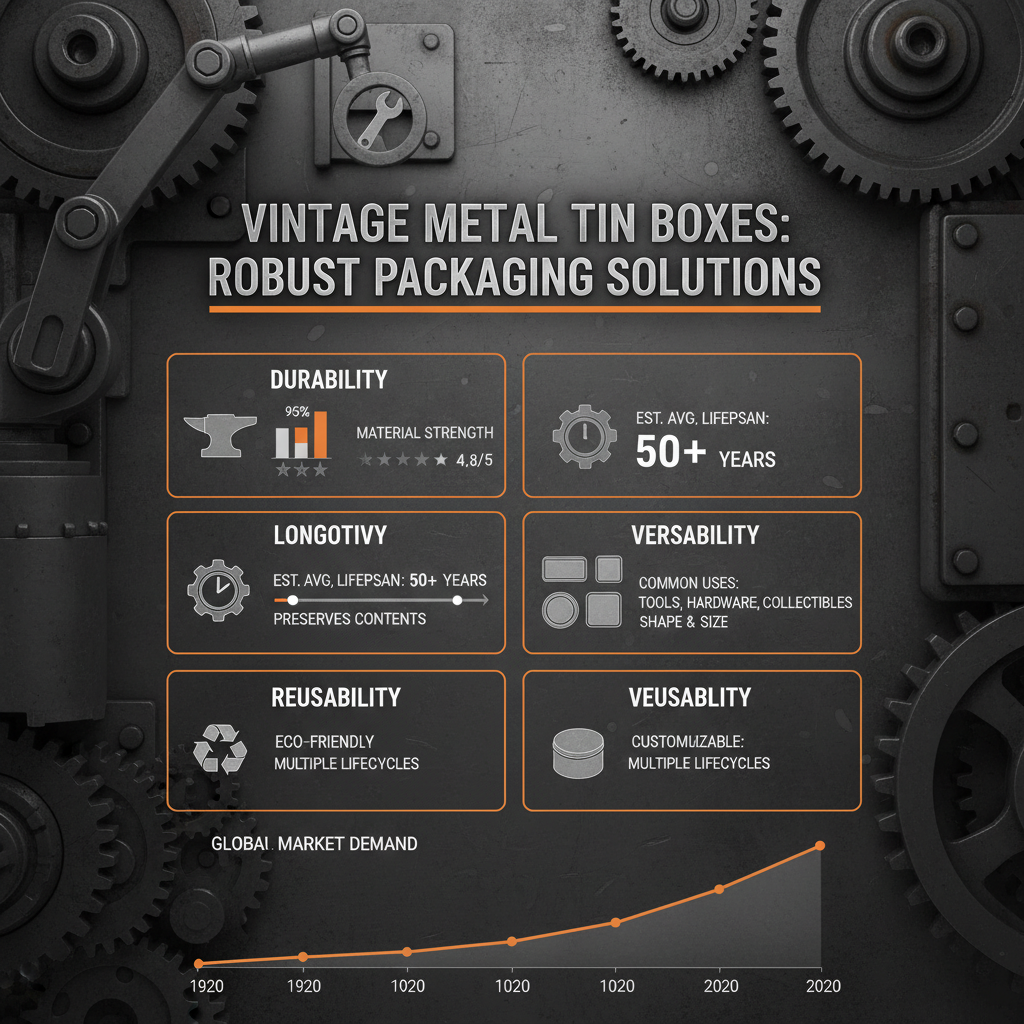
Vintage tin boxes aren't solely for collectors. Businesses are increasingly leveraging their aesthetic appeal for unique packaging, gift boxes, and promotional items. They offer a sustainable and eye-catching alternative to conventional packaging. Event planners utilize them as decorative elements or favor boxes. Artists and crafters repurpose them for storage, organization, or as a canvas for creative projects. Their inherent charm and durability make them a versatile asset for businesses seeking to stand out.
Where to Find Vintage Metal Tin Boxes
Sourcing vintage tin boxes requires some detective work. Antique shops, flea markets, and estate sales are prime hunting grounds. Online auction sites like eBay offer a vast selection, but careful scrutiny of photos and descriptions is essential. Online marketplaces specializing in vintage items can also be fruitful. Don't hesitate to network with fellow collectors – they often share leads and resources. Finally, consider checking with vintage packaging suppliers like Packaging-Help.com, who might offer restored or reproduction tins.
Conclusion: The Enduring Appeal of Vintage Tins
The enduring appeal of vintage metal tin boxes lies in their blend of history, artistry, and functionality. Whether you're a passionate collector, a creative business owner, or simply appreciate beautiful objects, these charming containers offer a unique glimpse into the past. Explore the world of vintage tins and discover the timeless treasures they hold.
Frequently Asked Questions (FAQs)
How do I clean a vintage metal tin box without damaging the lithography?
Cleaning should be gentle. Start by dusting with a soft cloth. For more stubborn grime, use a mild soap (like dish soap) diluted in lukewarm water. Apply the solution with a soft sponge, avoiding abrasive cleaners or scrub brushes, which can damage the lithography. Rinse with clean water and dry thoroughly with a soft cloth. Avoid immersing the tin in water for extended periods, as this can cause rust. For heavily rusted tins, consider consulting a professional conservator.
What causes rust on vintage tin boxes, and how can I prevent it?
Rust forms when the metal is exposed to moisture and oxygen. Factors contributing to rust include humidity, exposure to water, and scratches or damage to the protective coating. To prevent rust, store tins in a dry environment away from direct sunlight. Consider applying a thin coat of wax or metal polish to create a protective barrier. Regularly inspect tins for signs of rust and address them promptly with appropriate rust removal techniques.
Are reproduction vintage tin boxes collectible?
While reproduction tins can be visually appealing, they typically don't hold the same value as genuine vintage pieces. Collectors generally prioritize authenticity and historical significance. However, well-made reproductions can be appreciated for their aesthetic qualities, particularly if they accurately replicate a rare or desirable original design. Be sure to clearly identify reproductions as such when buying or selling.
Where can I find resources for identifying vintage tin box manufacturers?
Several online resources can help identify manufacturers. Websites dedicated to vintage packaging, collector forums, and antique identification guides are valuable tools. Books specializing in tin box history and identification can also provide detailed information. Look for markings on the tin, such as company logos or patent numbers, as these can offer clues to the manufacturer and date of production. The Packaging-Help.com resource hub might also provide useful insights.
-
How to Choose the Best Plastic Ice Buckets for Your Business
NewsApr.16,2026
-
Guide to Choosing the Best Painting Tin Cans for Professional Results
NewsApr.09,2026
-
Finding the Best Tin Can Man For Quality Metal Packaging Solutions
NewsApr.07,2026
-
Discover the Best Cookie and Candy Tins for Gifting and Storage
NewsApr.04,2026
-
Discover the Best Metal Pails with Lids for Secure Product Packaging
NewsMar.31,2026
-
Discover the Best Tin Small Packaging Solutions for Your Products
NewsMar.28,2026