

Oct . 06, 2025 13:10 Back to list
Round Cookie Tins Manufacturers | Custom Bulk & Durable Packaging
Strategic Sourcing of Premium Round Cookie Tins for B2B Applications
In the highly competitive food and confectionery market, the aesthetic appeal and structural integrity of packaging are paramount. For B2B buyers seeking innovative and reliable packaging solutions, selecting the right round cookie tins manufacturers is a critical decision. These specialized manufacturers provide not only functional container111s but also contribute significantly to brand identity, product preservation, and consumer experience. Our focus delves into the technical intricacies, market dynamics, and operational excellence required to deliver superior tin packaging, particularly highlighting offerings such as the Custom Shape Window Tin Can.
The demand for high-quality, durable, and visually appealing cookie tins has surged, driven by consumer preferences for premiumization and sustainability. This article explores the end-to-end process from material selection to bespoke customization, providing insights crucial for procurement professionals, product developers, and marketing strategists in the food, gift, and promotional industries. Understanding the capabilities of leading manufacturers is key to securing packaging that stands out on the shelf and protects delicate baked goods effectively.
Key Industry Trends Shaping Round Cookie Tin Manufacturing
The market for cookie and confectionery packaging is dynamic, influenced by several overarching trends. For specialized round cookie tins manufacturers, keeping abreast of these shifts is essential for continuous innovation and market relevance.
- Sustainability & Recyclability: With increasing consumer and regulatory pressure, tinplate's inherent recyclability (over 90% globally according to APEAL data for steel packaging in Europe) makes it a preferred material. Manufacturers are optimizing production to reduce waste and energy consumption.
- Premiumization & Brand Storytelling: High-end biscuits and cookies demand packaging that reflects their quality. This trend drives intricate printing, embossing, debossing, and the incorporation of special finishes like matte varnishes or tactile textures. Tins become part of the product's perceived value and narrative.
- Customization & Personalization: Brands are continually seeking unique shapes, sizes, and decorative elements to differentiate. This includes custom window designs, specific color matching (Pantone), and even personalized messaging capabilities for limited editions or corporate gifting.
- Functional Enhancements: Beyond aesthetics, innovations include improved sealing mechanisms for extended shelf life, ergonomic designs for ease of opening, and features like internal dividers or trays for product protection during transit.
- Food Safety & Compliance: Adherence to stringent food contact material regulations (e.g., FDA, EU regulations) is non-negotiable, requiring robust quality control protocols and material traceability.
These trends necessitate significant investment in advanced manufacturing technologies, design expertise, and quality assurance systems to meet the evolving demands of the B2B confectionery sector.
Manufacturing Process Flow for Round Cookie Tins
The production of round cookie tins is a sophisticated multi-stage process, demanding precision and adherence to strict quality protocols. A reliable round cookie tins factory employs advanced machinery and skilled personnel to ensure product integrity and aesthetic appeal.
Schematic Manufacturing Steps:
-
Material Sourcing & Preparation:
High-grade Electrolytic Tin Plate (ETP) or Tin-Free Steel (TFS) sheets are sourced, meeting international standards like ASTM A623 or EN 10203. These materials are chosen for their formability, corrosion resistance, and food-grade safety. Typical thickness ranges from 0.18mm to 0.35mm depending on tin size and required rigidity. Each batch undergoes incoming quality inspection for dimensions, surface finish, and material composition.
-
Printing & Coating:
Flat tinplate sheets are first coated with a food-grade lacquer or varnish on the interior to prevent interaction with food and enhance corrosion resistance. The exterior undergoes offset lithographic printing (CMYK + Pantone colors) for branding and decoration. This multi-color process often includes specialized inks and protective varnishes (gloss, matte, or textured) for durability and visual effect. Curing occurs in high-temperature ovens.
-
Cutting & Shearing:
Printed sheets are precisely cut into blanks using high-speed shearing machines. These blanks are sized specifically for the tin's body, lid, and base components.
-
Forming (Stamping & Deep Drawing):
- Body Formation: Blanks are fed into presses for stamping and deep drawing to create the cylindrical body. Multi-stage drawing processes ensure smooth walls and precise dimensions.
- Lid & Base Formation: Separate blanks are stamped and formed to create the lid and base components, often including features like curled edges for safety and fit, or stepped designs for stacking.
- Window Insertion (for Window Tins): For products like the Custom Shape Window Tin Can, a pre-cut opening in the lid is fitted with a transparent PET/PVC window using a specialized sealing process (e.g., heat sealing or adhesive bonding) to ensure airtightness and product visibility.
-
Curling & Seaming:
The edges of the body, lid, and base are curled for smooth, safe edges and to facilitate assembly. The body and base are typically double-seamed using automated machinery to create a robust and hermetic seal, crucial for product freshness and preventing leakage.
-
Assembly & Embellishments:
Components are assembled. Additional embellishments such as embossing, debossing, or attaching handles (if applicable) are integrated. Quality checks are performed at each stage.
-
Quality Control & Packaging:
Each finished tin undergoes rigorous quality control, including visual inspection for defects, dimension verification, functional testing of lids, and adherence to food safety standards. Leakage tests (e.g., vacuum test) are conducted if required for specific applications. Tins are then nested and packed into cartons, often with protective interleaving, for shipment.
Testing Standards & Compliance:
Reputable manufacturers adhere to international testing standards such as ISO 9001 for quality management systems and ISO 22000 for food safety management. Materials for food contact applications comply with FDA (U.S. Food and Drug Administration) regulations and EU Regulation (EC) No 1935/2004. These standards guarantee the product's safety, consistency, and fitness for purpose.
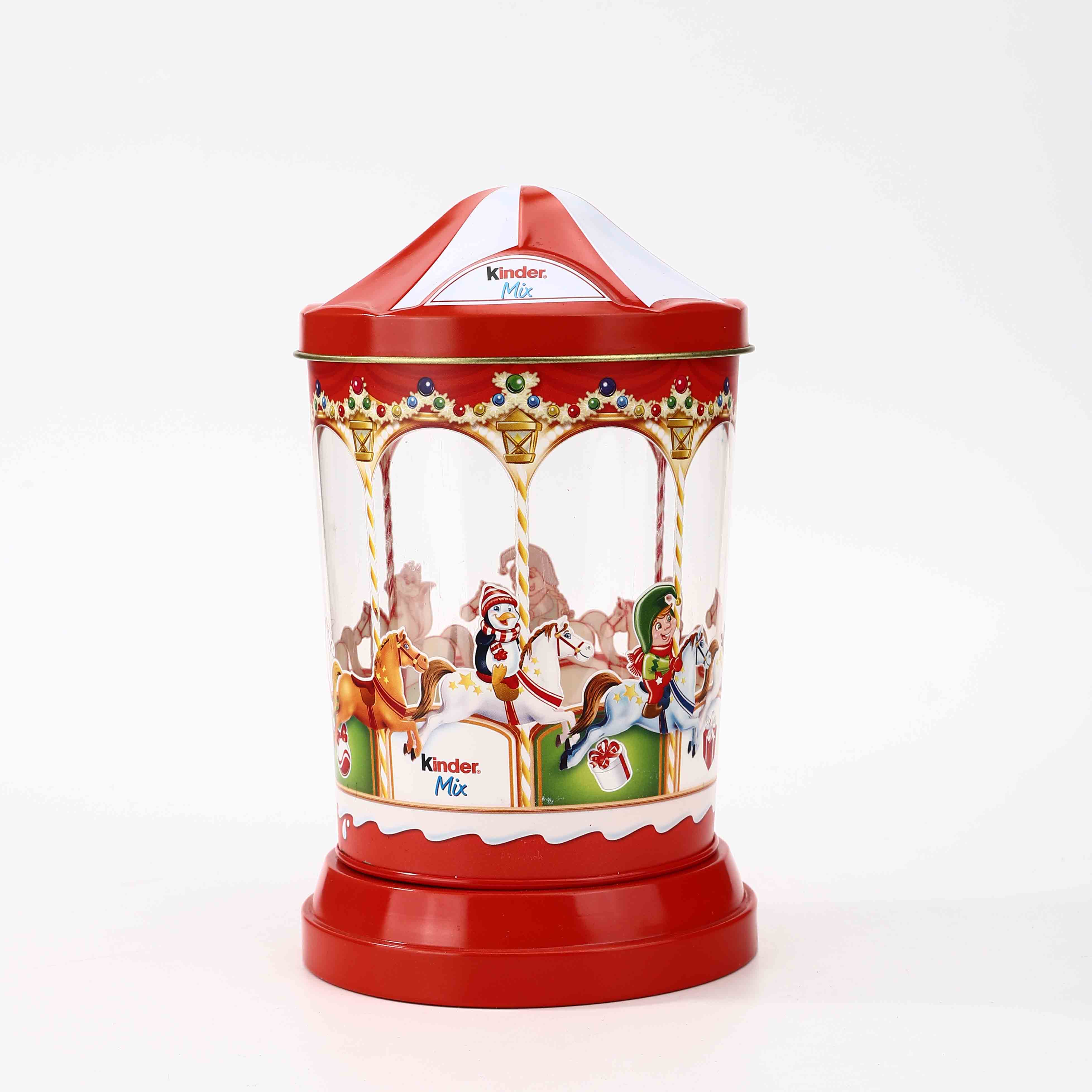
Precision manufacturing in a modern round cookie tin facility.
Technical Specifications & Material Insights
The technical specifications of tinplate and the tin manufacturing process directly impact the final product's performance, durability, and aesthetic quality. Understanding these parameters is critical for B2B buyers when communicating requirements to a round cookie tins supplier.
Key Material Specifications:
- Material Grade: Typically Prime Grade Electrolytic Tin Plate (ETP), characterized by a thin layer of tin applied to steel sheet. Common temper grades include T1, T2, T3, T4, DR8, DR9, influencing rigidity and formability.
- Tin Coating Weight: Expressed in g/m², e.g., 2.8/2.8 (differential coating) or 5.6/5.6. Higher tin coating provides better corrosion resistance, but lighter coatings are often sufficient for dry food applications.
- Thickness: Ranges from 0.18mm to 0.35mm. Thicker material enhances structural rigidity and perceived quality, while thinner gauges reduce material cost and weight, ideal for high-volume, cost-sensitive products.
- Food Contact Lacquer: Inner surface coatings must be FDA-approved and BPA-non-intent (BPA-NI) to ensure product safety and prevent metallic taste transfer. These are typically epoxy-phenolic or polyester-based.
- Printing Technology: CMYK offset printing for full-color images, supplemented by Pantone Spot Colors for brand-specific color accuracy. UV curable inks are standard for fast drying and durability.
- Window Material: For window tins, transparent PET (Polyethylene Terephthalate) or PP (Polypropylene) films are commonly used, chosen for clarity, durability, and food safety compliance.
Product Specification Table: Custom Shape Window Tin Can
Application Scenarios & Technical Advantages
The versatility and inherent properties of metal packaging make round cookie tins an ideal choice across a spectrum of industries. Beyond simply containing products, they deliver significant technical and marketing advantages.
Primary Application Scenarios:
- Gourmet & Premium Confectionery: High-end biscuits, specialty cookies, chocolates, and truffles benefit from the protective and upscale image of tin packaging. The Custom Shape Window Tin Can, for example, offers direct product visibility, enhancing consumer appeal.
- Seasonal & Holiday Gifting: Tins are popular for holiday editions (Christmas, Lunar New Year, Eid) and seasonal promotions, often becoming collectible items that extend brand exposure beyond the initial consumption.
- Promotional & Corporate Gifts: Companies utilize custom-branded cookie tins for corporate events, client gifts, or product launches, leveraging the tins' reusability as a long-term marketing tool.
- Retail & Supermarket Display: Distinctive tin designs ensure products stand out on crowded shelves, contributing to impulsive purchases and brand recognition.
Technical Advantages:
- Superior Product Protection: Tinplate offers an excellent barrier against light, oxygen, moisture, and external contaminants. This is crucial for maintaining the freshness, crispness, and flavor profile of baked goods over extended periods, contributing to longer shelf life.
- Durability & Stackability: The robust nature of tin ensures products are protected during transit and handling, minimizing breakage and waste. Tins are inherently stackable, optimizing storage and display logistics.
- Enhanced Aesthetic Appeal: High-fidelity printing, vibrant color reproduction, and possibilities for embossing/debossing provide a premium look and tactile experience. This elevates brand perception and perceived product value.
- Recyclability & Environmental Stewardship: Tinplate is 100% and infinitely recyclable without loss of quality, supporting corporate sustainability goals and appealing to environmentally conscious consumers.
- Reusability: Consumers frequently repurpose cookie tins for storage, crafts, or as decorative items, extending the life of the packaging and providing enduring brand visibility. This "second life" value is a unique selling point.
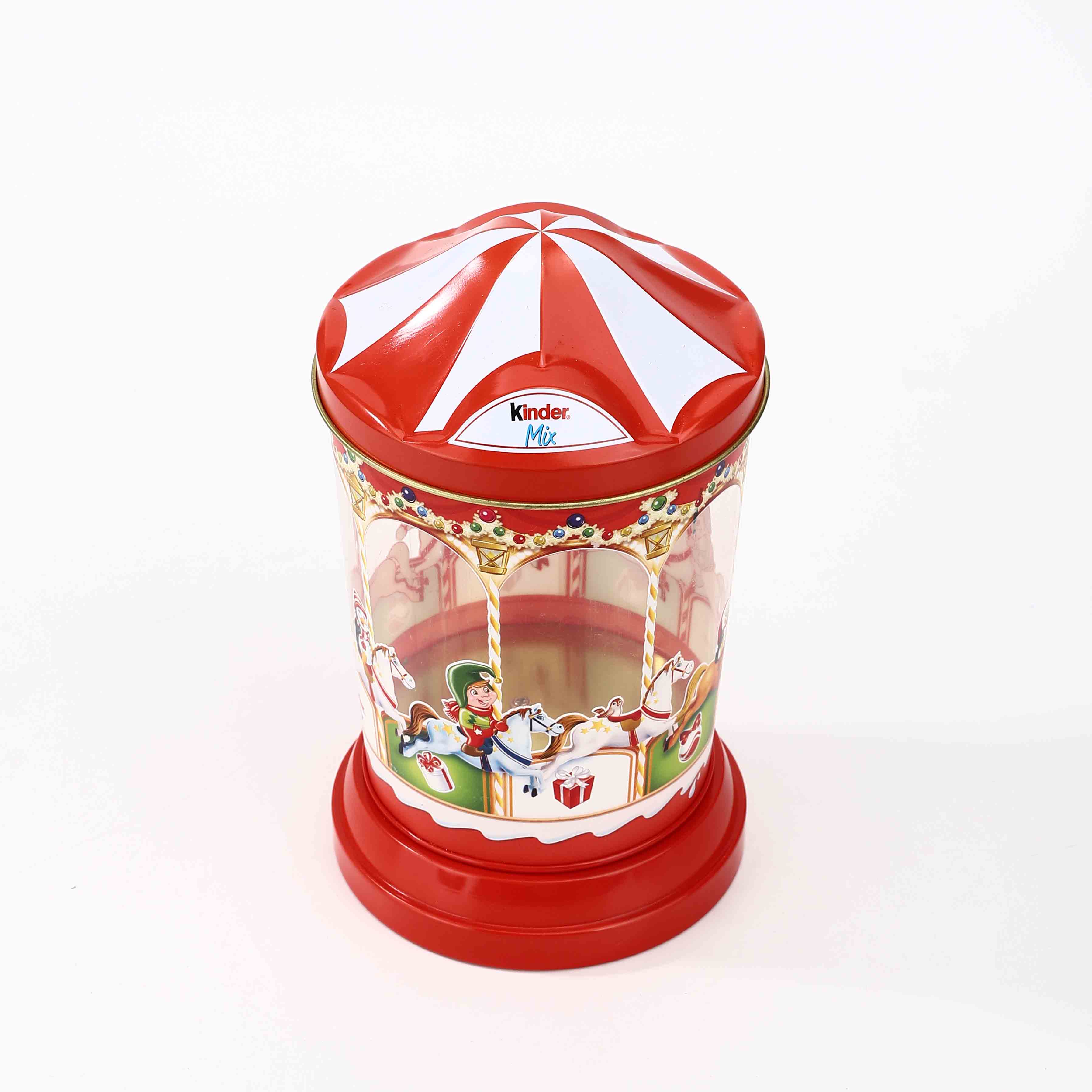
Aesthetic design and quality assurance are paramount for round cookie tins.
Vendor Comparison: Choosing the Right Round Cookie Tins Manufacturer
Selecting the ideal manufacturing partner is crucial for successful product launch and sustained quality. A comprehensive evaluation of potential round cookie tins manufacturers involves assessing various factors beyond just price.
Key Differentiators in Vendor Selection:
For B2B entities, particularly those in food manufacturing, partnering with a manufacturer that offers a comprehensive round cookie tins service from concept to delivery, backed by robust quality systems, yields significant long-term value.
Customized Solutions & Design Flexibility
One of the primary benefits of working with advanced round cookie tins manufacturers is the extensive range of customization options available. This allows brands to create packaging that is truly unique and perfectly aligned with their product and marketing objectives.
Areas of Customization:
- Shape & Size: While the core product is "round," variations in diameter, height, and lid profile are standard. Additionally, custom shapes for window cutouts (e.g., heart, star, brand logo) are a specialty, as seen in the Custom Shape Window Tin Can.
- Artwork & Printing: Full custom graphics, including intricate illustrations, photo-realistic images, and brand-specific typography. Options include CMYK, Pantone matching for precise brand colors, and specialized metallic or fluorescent inks.
-
Finishes: A wide array of varnishes and textures are available:
- Gloss varnish for a shiny, reflective look.
- Matte varnish for a sophisticated, non-reflective finish.
- Spot UV or textured varnishes to highlight specific design elements.
- Soft-touch coatings for a premium tactile experience.
- Embossing & Debossing: Adding raised (embossed) or recessed (debossed) elements to the tin surface creates a tactile and visually striking effect, perfect for logos, patterns, or text.
- Lid & Closure Types: Options include slip lids, hinged lids, screw tops, and hermetically sealed lids, each offering different levels of security and user experience.
- Internal Fitments: Custom plastic trays, dividers, or cushions can be designed to securely hold individual cookies or confectionery items, preventing movement and damage.
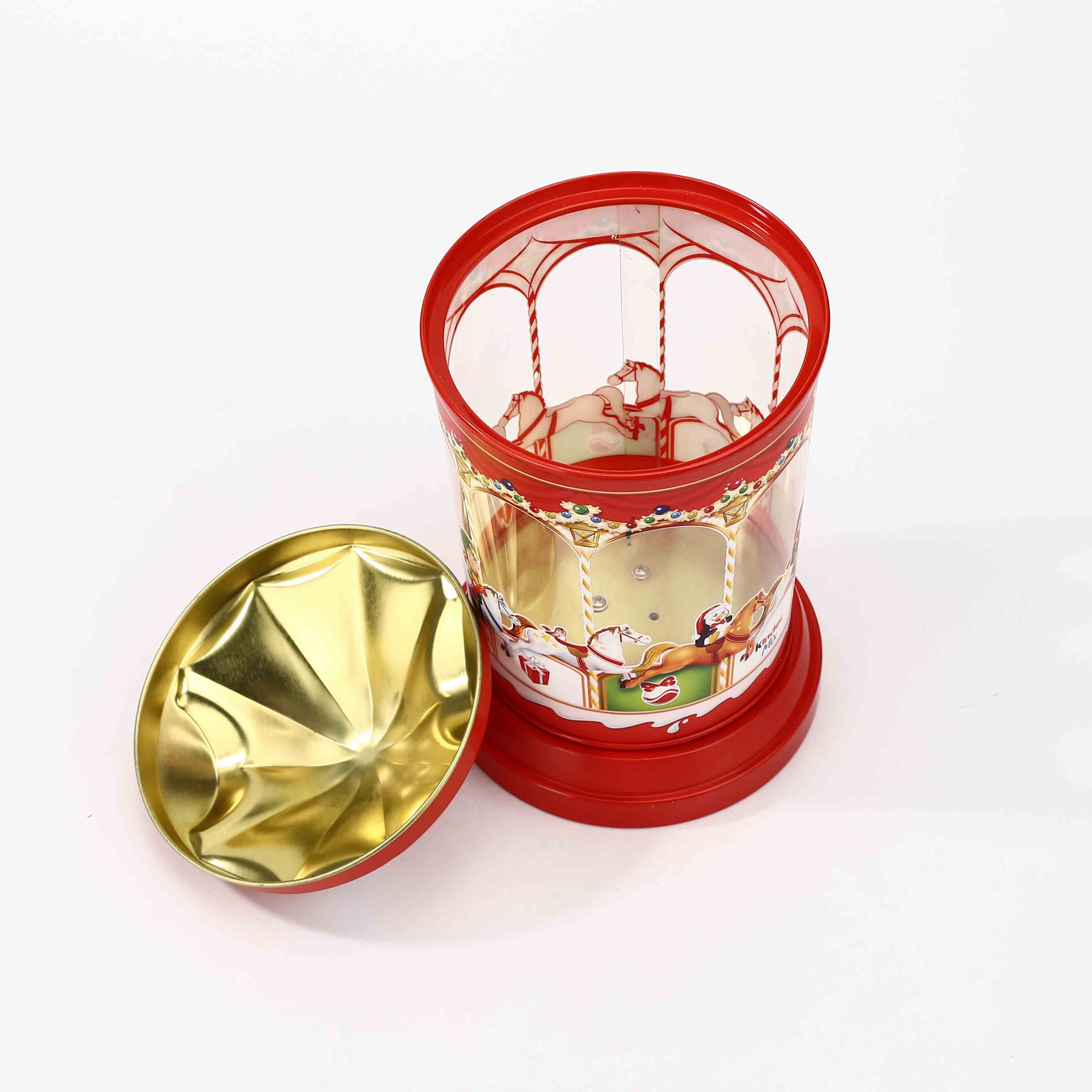
Showcasing bespoke designs and window options in round cookie tins.
Effective customization requires close collaboration between the client's design team and the manufacturer's engineering and printing specialists to translate conceptual designs into feasible and high-quality production realities.
Application Case Studies & Client Success
Real-world applications demonstrate the impact of well-designed round cookie tins on brand perception and sales. These case studies highlight the expertise of leading round cookie tins manufacturers in delivering tangible results for their B2B clients.
Case Study 1: Premium Bakery Chain – Seasonal Collection
A national premium bakery sought to launch an exclusive holiday cookie collection. Their primary objective was to differentiate their product from competitors and create a collectible item.
- Challenge: To create a visually stunning and robust tin that could withstand shipping and maintain cookie freshness for several weeks.
- Solution: We provided a custom-designed 180mm diameter round tin with a deep-drawn seamless body and a slip lid featuring multi-color festive artwork. An inner food-grade lacquer ensured product safety, and precise manufacturing minimized oxygen ingress.
- Outcome: The bakery reported a 30% increase in holiday sales for the packaged collection compared to previous years. Customer feedback highlighted the tin's "gift-ready" appearance and reusability, extending brand engagement.
Case Study 2: Gourmet Food Retailer – Brand Relaunch
A well-established gourmet food retailer needed to revitalize its cookie line with packaging that communicated premium quality and heritage.
- Challenge: To develop packaging that reflected traditional craftsmanship while appealing to modern aesthetics, with a particular emphasis on product visibility.
- Solution: Utilizing our Custom Shape Window Tin Can offering, we crafted a unique rectangular window on a round tin lid. The tin featured a matte finish with debossed intricate patterns and a two-color Pantone print. The PET window was precisely sealed to maintain an airtight environment.
- Outcome: The new packaging garnered overwhelmingly positive reviews from both distributors and end-consumers. The visible product through the window boosted consumer confidence and sales, leading to a 25% uplift in market share for the relaunched line within six months. The tins' robust construction significantly reduced damage rates during shipping.
: Trustworthiness and Authoritative Assurance
Building trust and demonstrating authority are fundamental in B2B relationships. A leading round cookie tins factory distinguishes itself through transparent operations, verifiable certifications, and unwavering commitment to client success.
Certifications & Compliance:
- ISO 9001:2015: Certified Quality Management System, ensuring consistent product quality and continuous improvement.
- ISO 22000: Food Safety Management System, critical for packaging in the food industry.
- FDA & EU Food Contact Compliance: All materials and coatings used for internal surfaces are compliant with stringent food safety regulations.
- BSCI / Sedex Audited: Commitment to ethical trade practices and responsible supply chain management.
Frequently Asked Questions (FAQ):
- Q1: What is the typical lead time for custom round cookie tins?
- A1: For new custom designs requiring tooling, the lead time is approximately 45-60 days (30 days for tooling, 15-30 days for production after sample approval). For repeat orders using existing tooling, it's typically 30-35 days from artwork approval.
- Q2: What are the minimum order quantities (MOQ) for custom tins?
- A2: MOQs generally range from 3,000 to 5,000 units, depending on the tin's size, complexity, and printing requirements. Smaller runs may be possible but could incur higher unit costs.
- Q3: How do you ensure color accuracy for brand logos?
- A3: We utilize advanced color management systems, including spectrophotometers and proofing systems. Clients are provided with physical proofs or digital color swatches for approval. We match Pantone (PMS) colors with high precision during the offset printing process.
- Q4: What are your warranty and after-sales support policies?
- A4: We offer a comprehensive warranty against manufacturing defects for a specified period (typically 12 months from delivery). Our dedicated customer support team provides timely assistance for any post-delivery queries, issues, or re-orders, ensuring seamless service and client satisfaction.
Conclusion: Partnering for Packaging Excellence
The choice of a manufacturing partner for round cookie tins is a strategic investment that significantly impacts product marketability, operational efficiency, and brand reputation. By prioritizing manufacturers with deep technical expertise, robust quality assurance, and a commitment to innovation and sustainability, B2B clients can unlock the full potential of their packaging. From the precision of material preparation and multi-stage forming to the intricate details of custom printing and window integration, every step in the process contributes to a superior end product.
For businesses seeking to elevate their confectionery lines, holiday promotions, or corporate gifts, engaging with a specialized round cookie tins factory that can offer bespoke solutions like the Custom Shape Window Tin Can ensures that packaging is not merely a container111 but an integral part of the brand experience and a key driver of consumer engagement. Strategic collaboration with a reputable supplier guarantees not only product integrity and visual appeal but also adherence to global standards and ethical practices, paving the way for sustained market success.
References
- APEAL - The Association of European Producers of Steel for Packaging. (2023). Steel Packaging Recyclability. Retrieved from [APEAL.org]
- ASTM International. (2023). Standard Specification for Tin Mill Products, Electrolytic Tin Plate, Single Reduced. ASTM A623/A623M.
- European Commission. (2004). Regulation (EC) No 1935/2004 on materials and articles intended to come into contact with food. Official Journal of the European Union.
- U.S. Food and Drug Administration. (2023). Food Contact Substances (FCS) Notifications. Retrieved from [FDA.gov]
- International Organization for Standardization. (2015). Quality management systems — Requirements. ISO 9001:2015.
-
How to Choose the Best Plastic Ice Buckets for Your Business
NewsApr.16,2026
-
Guide to Choosing the Best Painting Tin Cans for Professional Results
NewsApr.09,2026
-
Finding the Best Tin Can Man For Quality Metal Packaging Solutions
NewsApr.07,2026
-
Discover the Best Cookie and Candy Tins for Gifting and Storage
NewsApr.04,2026
-
Discover the Best Metal Pails with Lids for Secure Product Packaging
NewsMar.31,2026
-
Discover the Best Tin Small Packaging Solutions for Your Products
NewsMar.28,2026