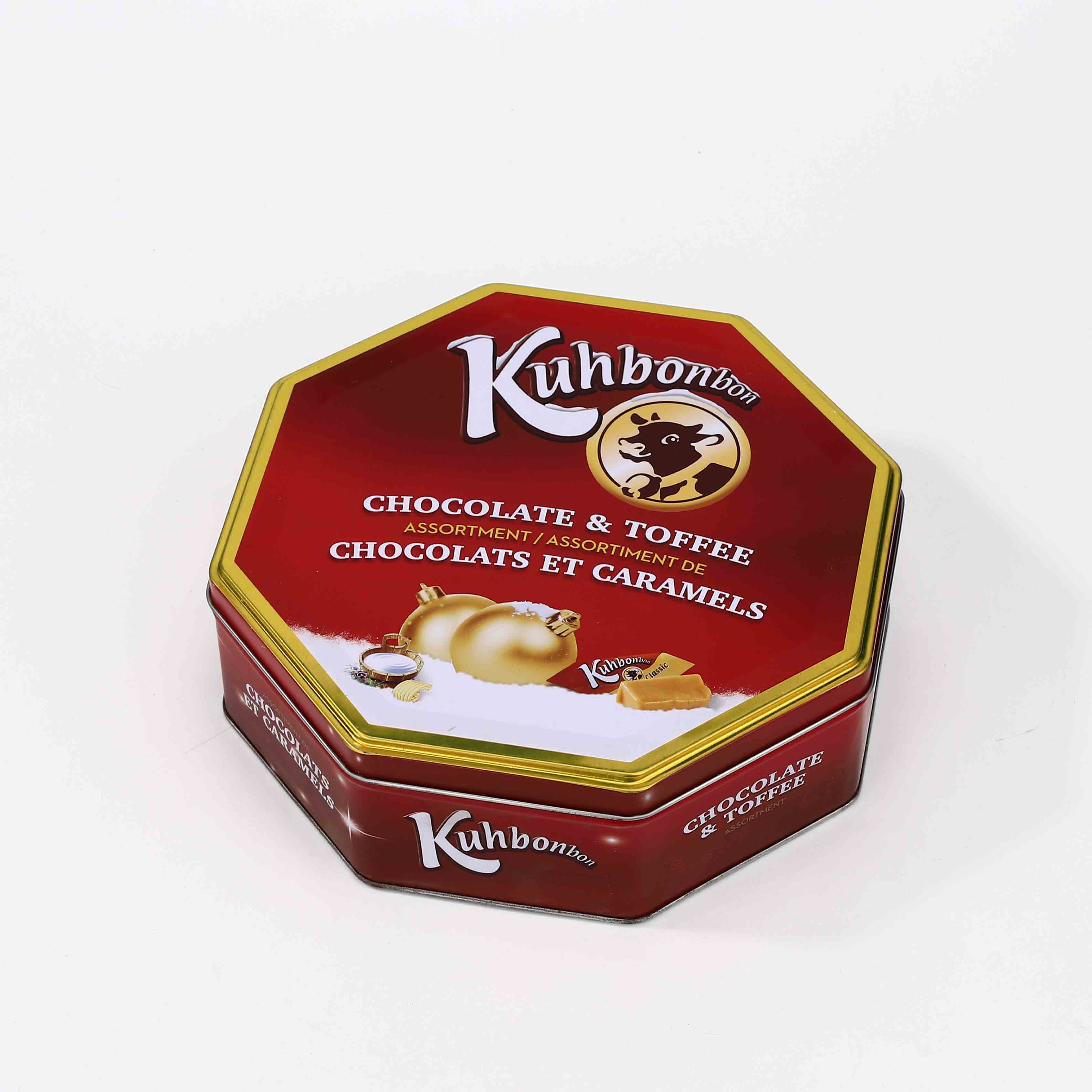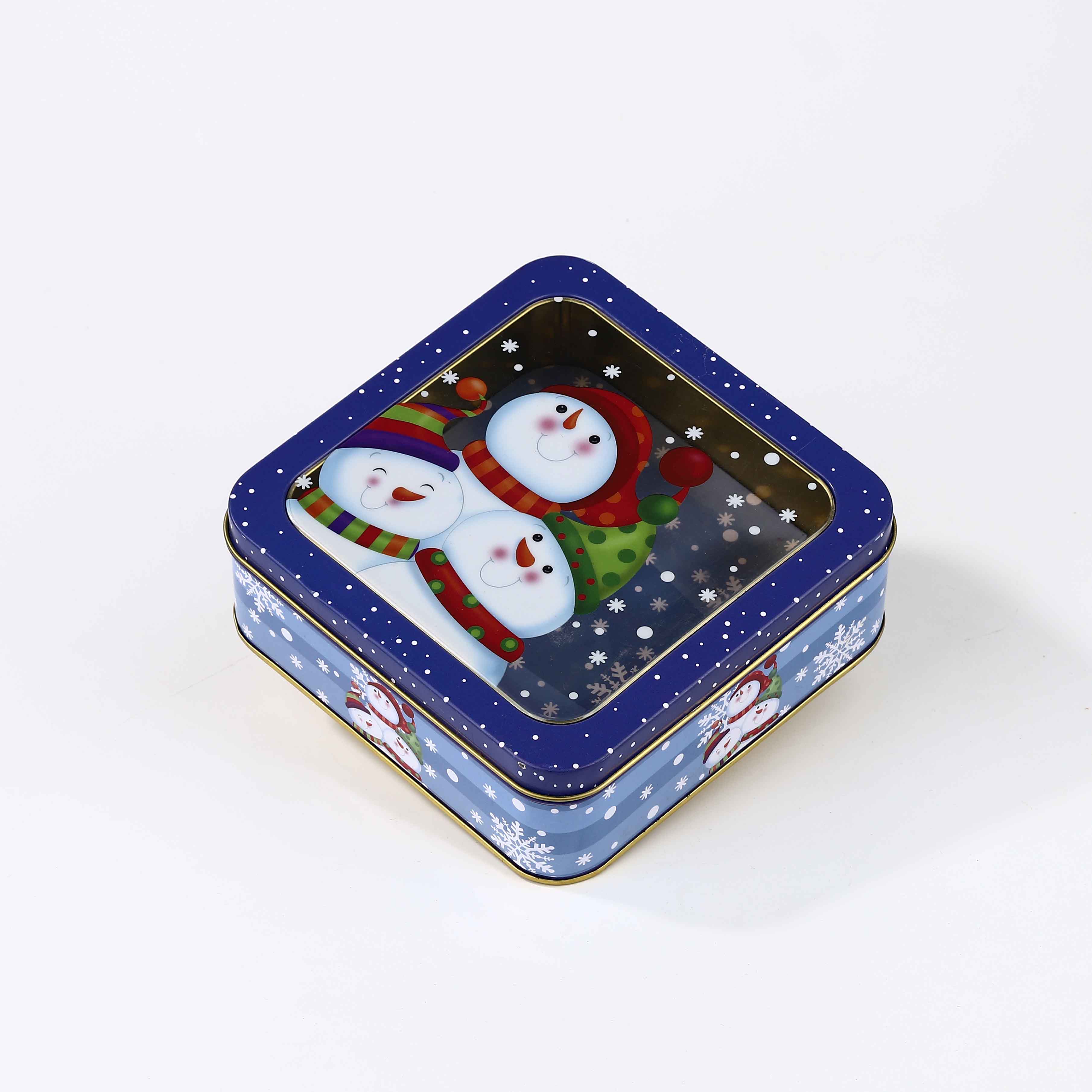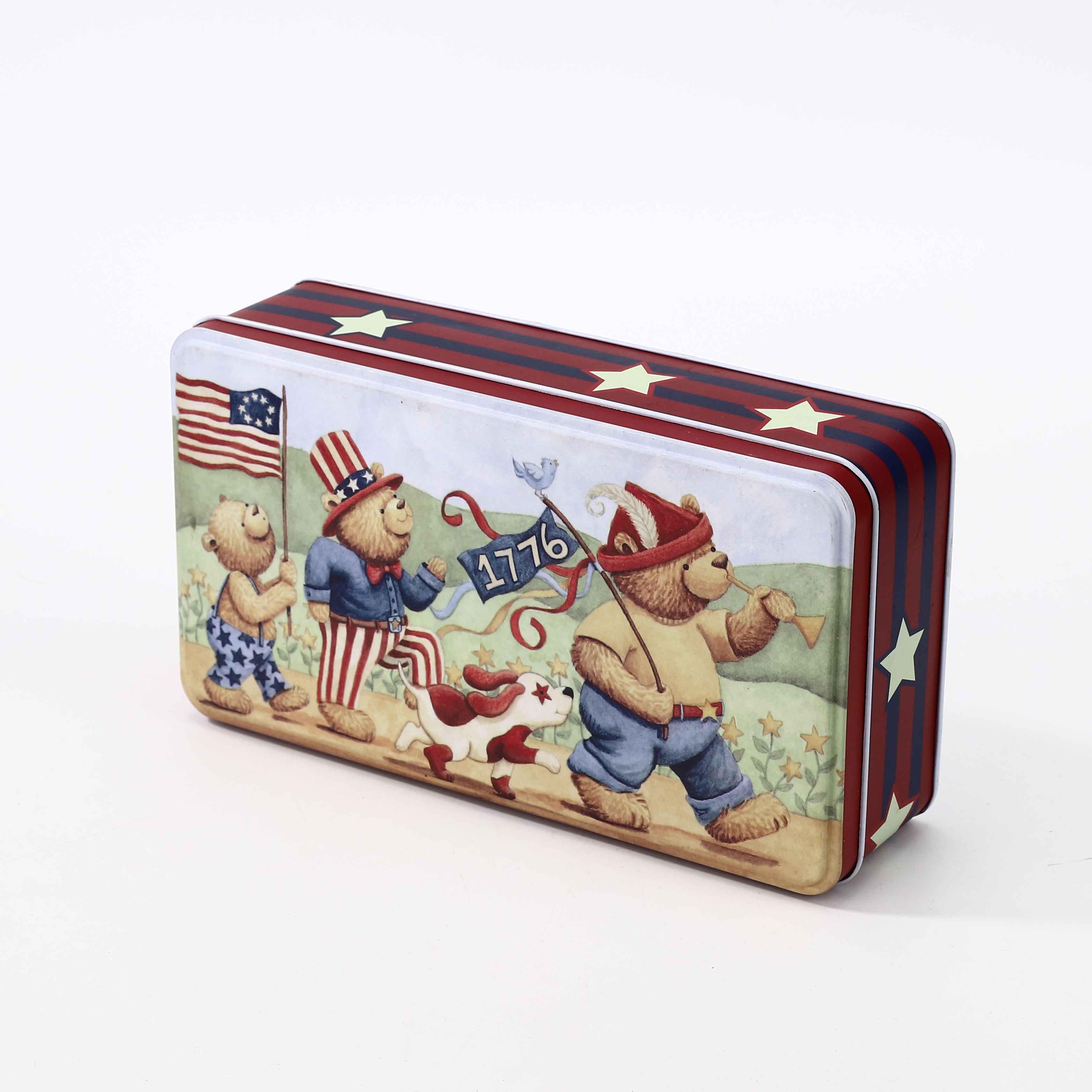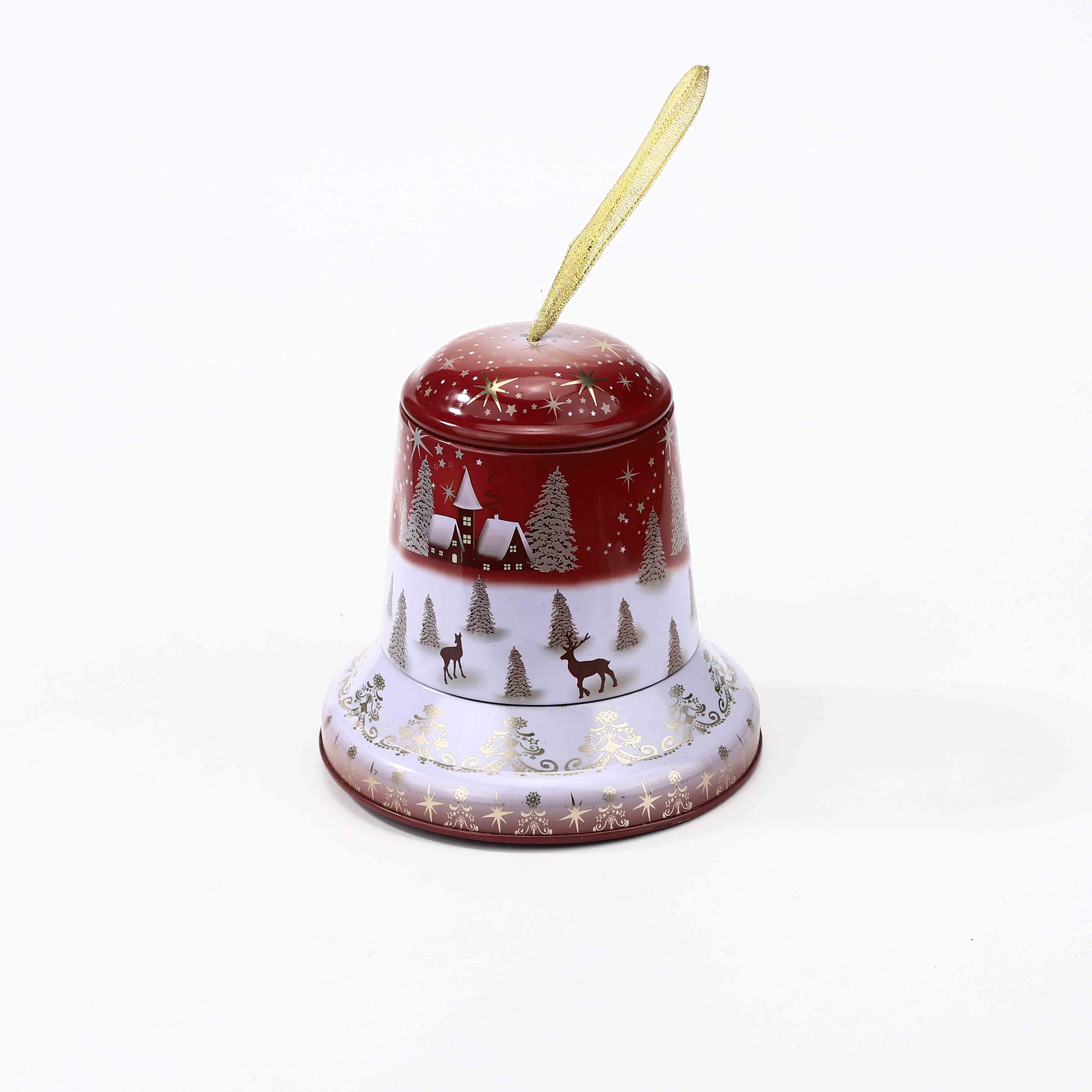
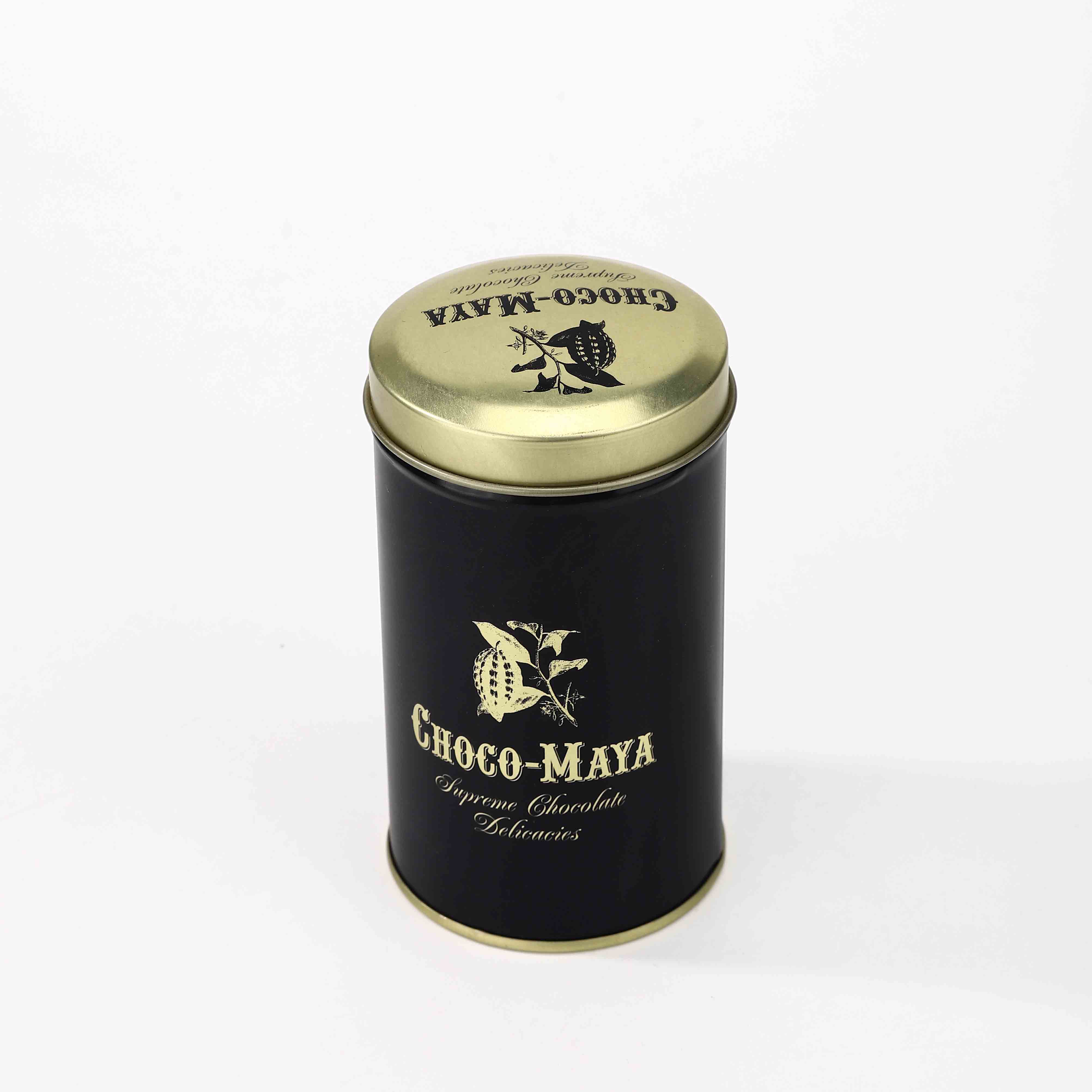
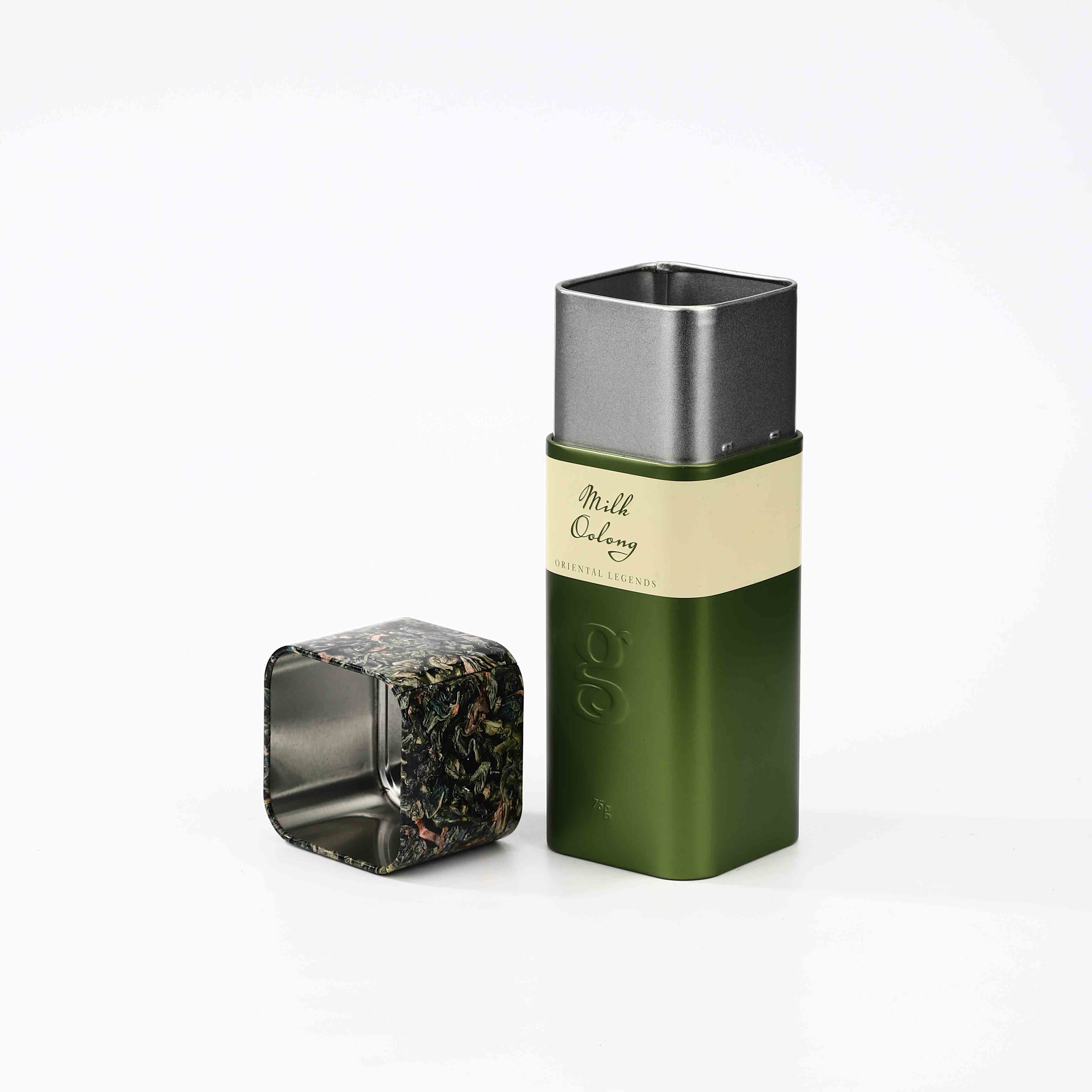
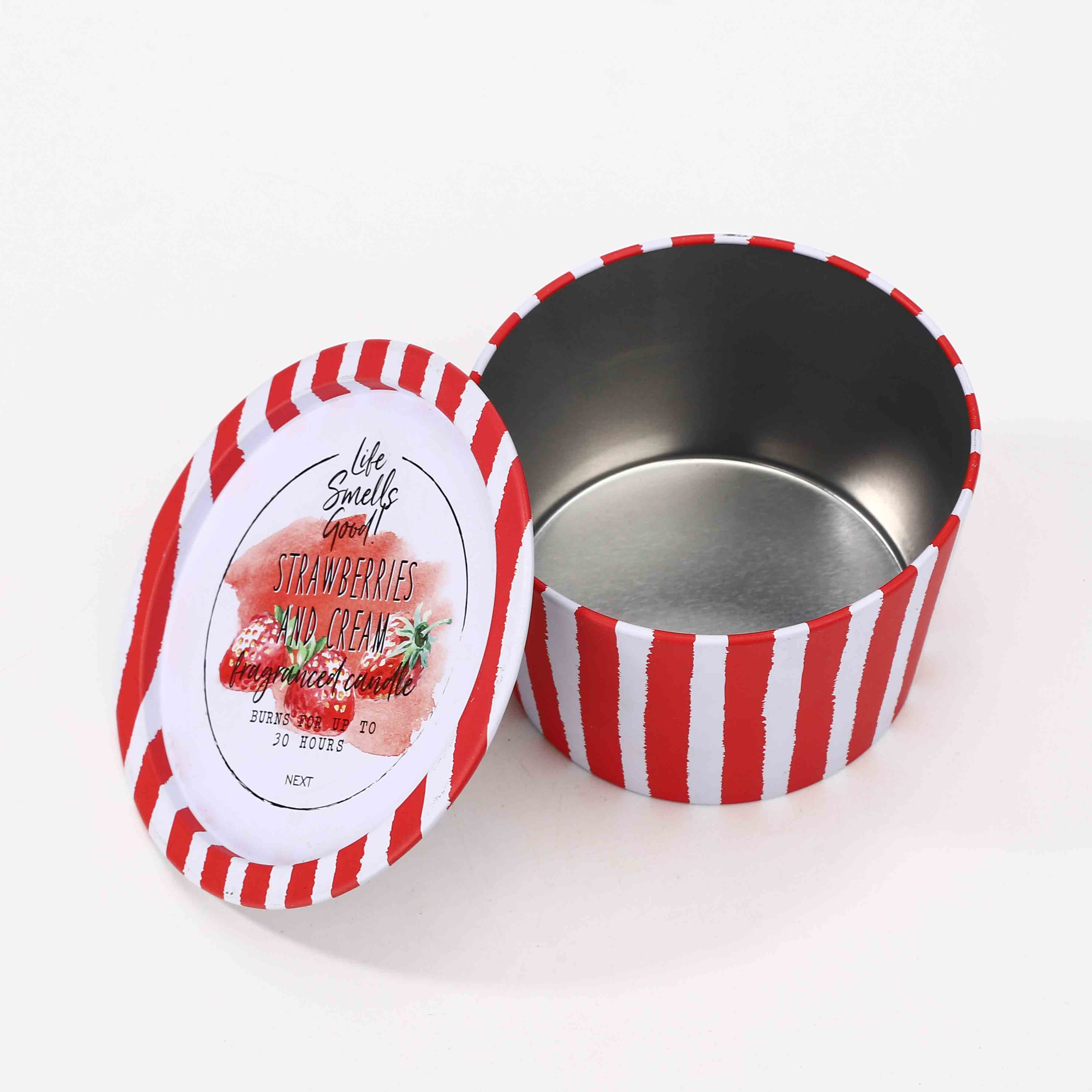
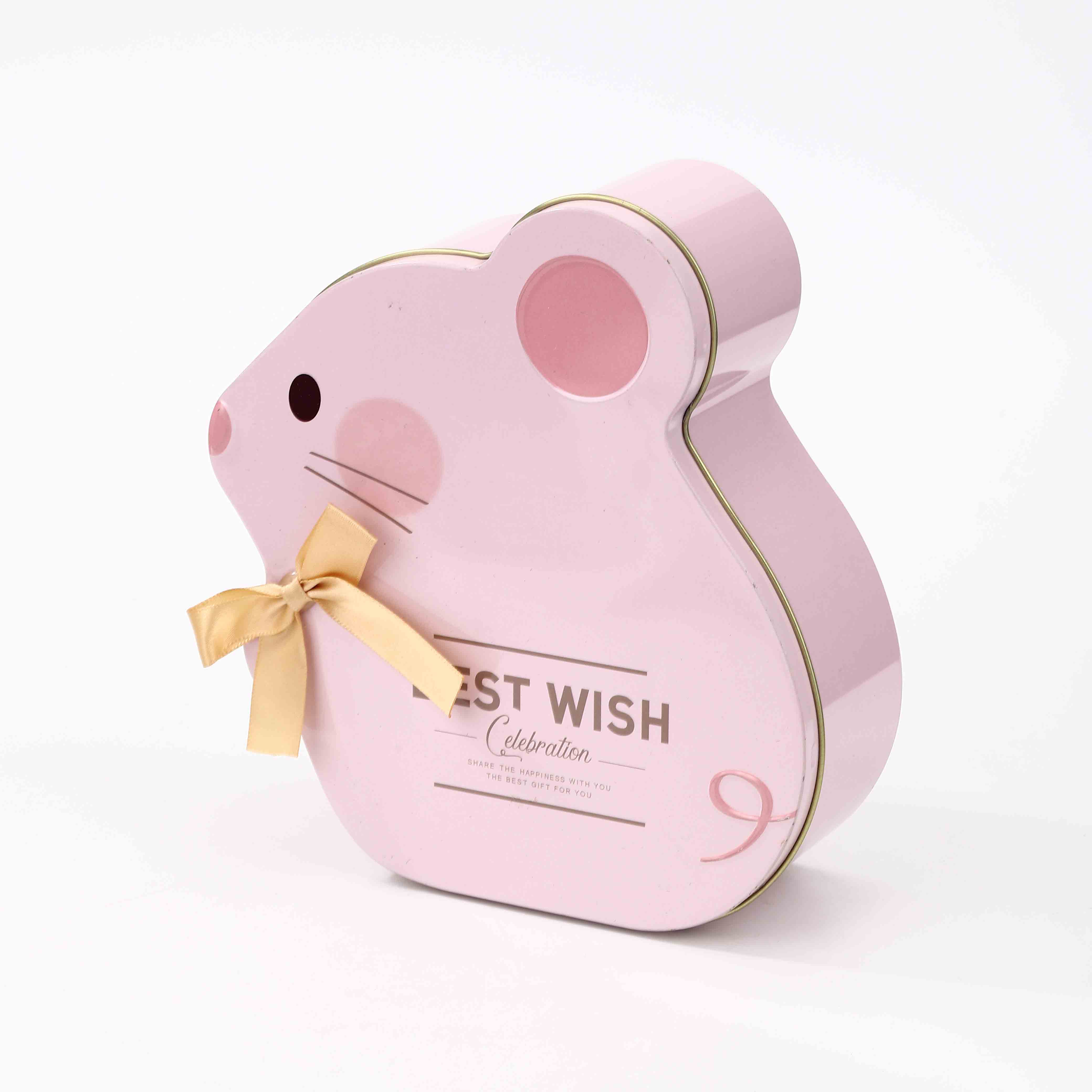
The Hungarian market is characterized by a strong tradition of confectionery and food production, where the demand for high-barrier protection is paramount. In the local industrial hubs, businesses are increasingly seeking tin food cans that not only ensure long-term preservation but also comply with strict EU food safety regulations. The intersection of traditional craftsmanship and modern retail requires packaging that maintains product integrity during regional logistics while offering a premium feel to the end consumer.
From a procurement perspective, Hungarian enterprises are shifting toward materials that offer both durability and sustainability. This trend is evident in the rise of aluminum tins, which are preferred for their lightweight properties and infinite recyclability. Whether it is for the pharmaceutical sector in Budapest or the gourmet food producers in the countryside, the focus has moved toward customized dimensions and specialized closures that prevent contamination and extend shelf life.
As the regional economy evolves, there is a clear movement toward "Eco-Efficiency." Companies are now prioritizing suppliers who can provide fully integrated design-to-delivery services. By utilizing CAD-design and automated production, brands can reduce lead times and minimize material waste. The current market environment in Hungary favors packaging that serves multiple roles: protecting the goods, serving as a branding tool, and facilitating efficient storage within the local supply chain.