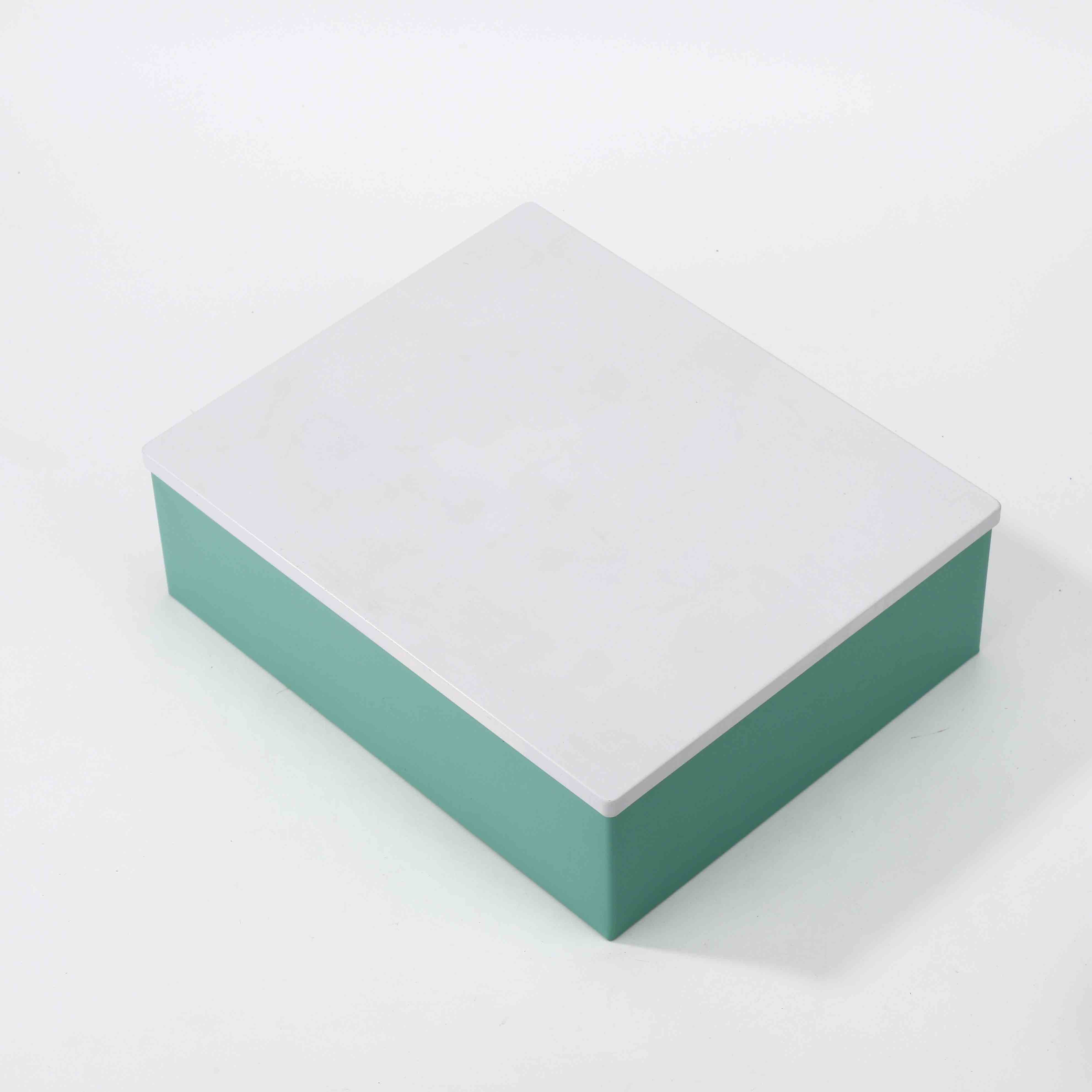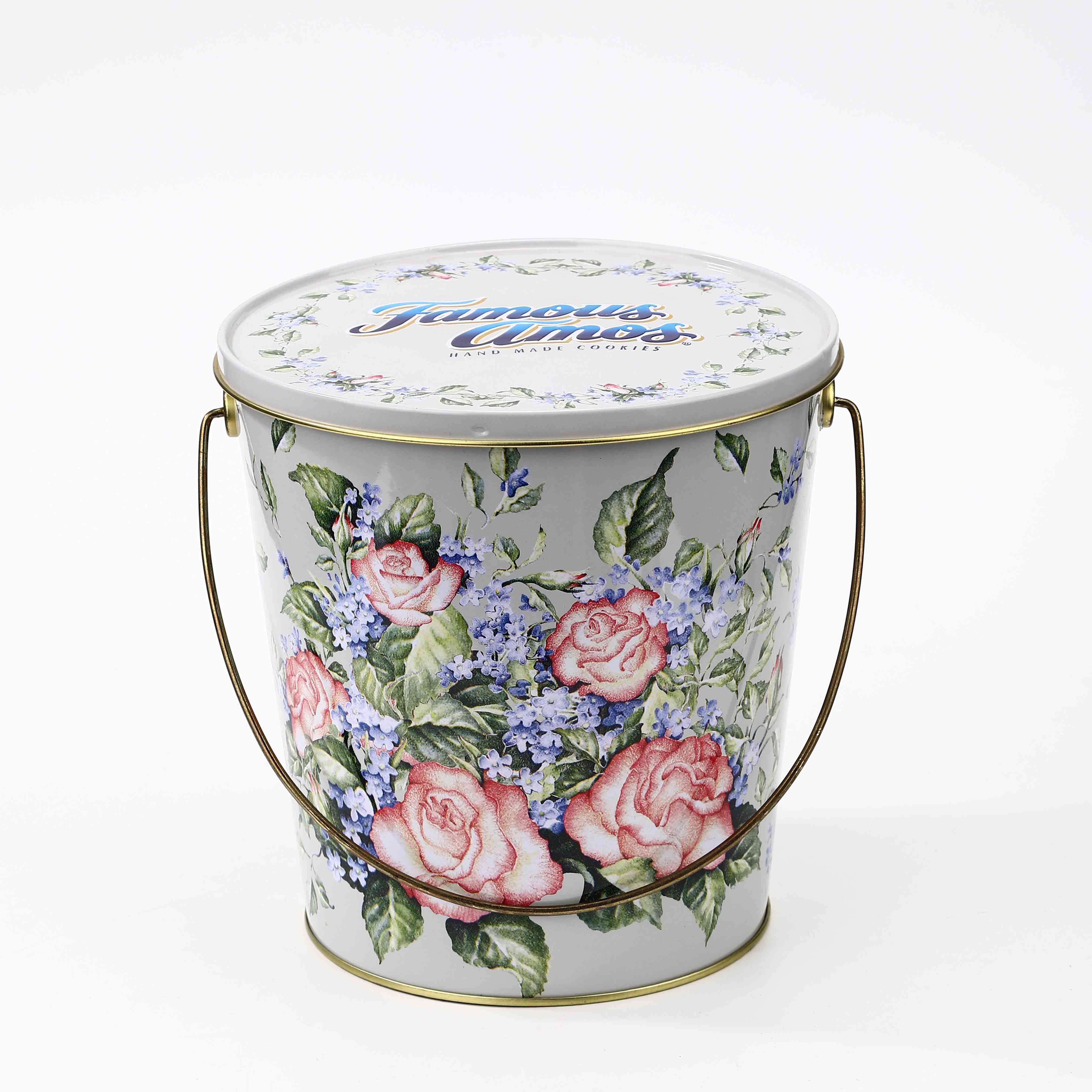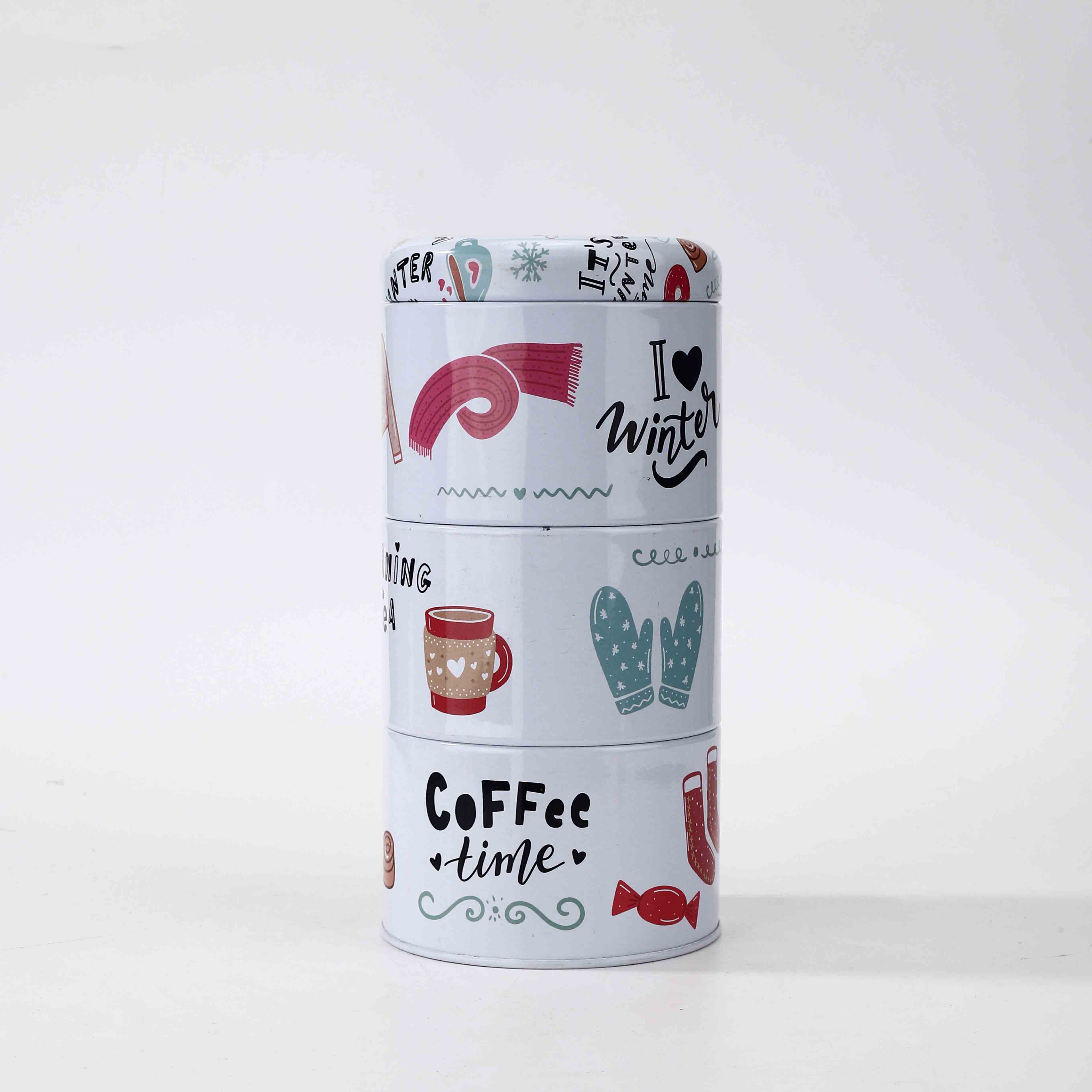
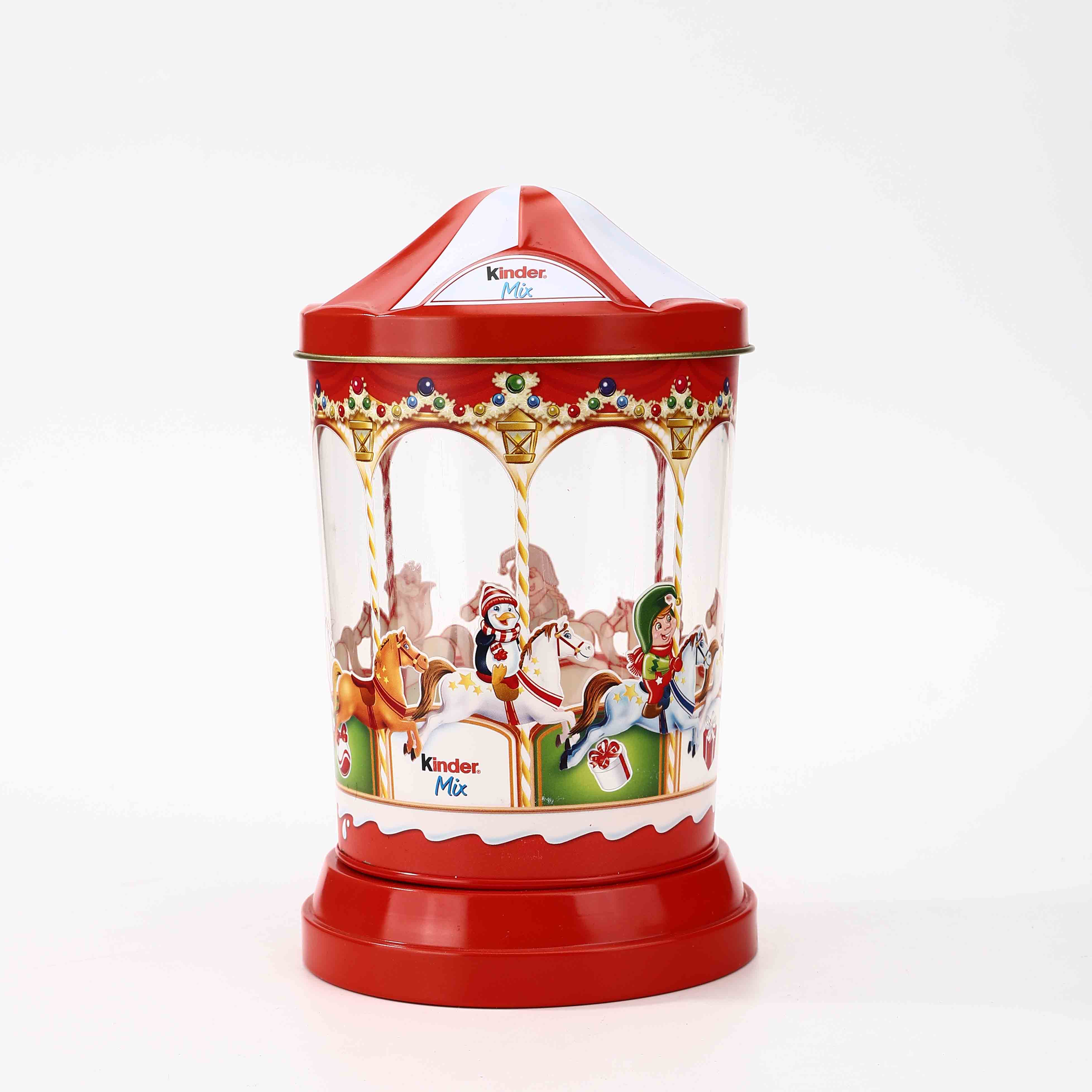


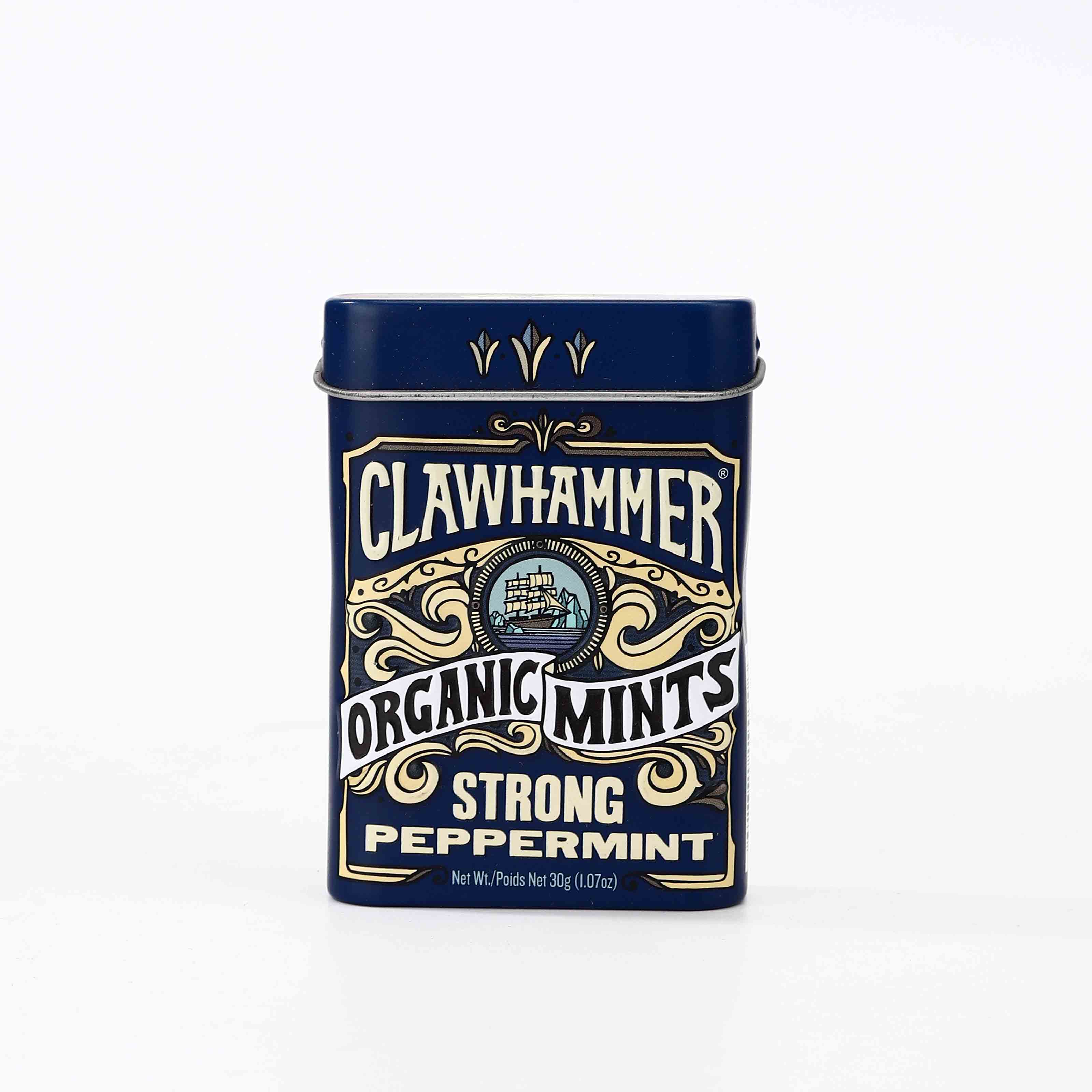
The United States market exhibits a strong demand for high-end, durable packaging that aligns with diverse consumer demographics and a sophisticated retail environment. From the fast-paced logistics centers of the Midwest to the luxury boutiques of the East Coast, the requirement for aluminum tins has grown as brands seek lightweight yet infinitely recyclable alternatives to plastic. The US industry focuses heavily on shelf-appeal and structural integrity to withstand long-distance shipping across vast geographic territories.
In the gourmet food and confectionery sectors, there is a distinct shift toward reusable and collectible packaging. Many US retailers are opting for rectangular cookie tins to enhance the perceived value of gift sets, especially during peak holiday seasons. This trend is driven by a consumer preference for "premiumization," where the container itself becomes part of the product experience, necessitating high-precision molds and advanced printing techniques to ensure brand consistency.
From a manufacturing perspective, the integration of lean production and CAD-driven design is essential to meet the agility required by US marketing companies. The transition toward sustainable circular economies means that tin food cans are being re-evaluated for their superior protection and recycling rates. Companies are now prioritizing suppliers who can offer a fully integrated process—from initial design to delivery—to reduce supply chain volatility and ensure consistent quality across large volumes.