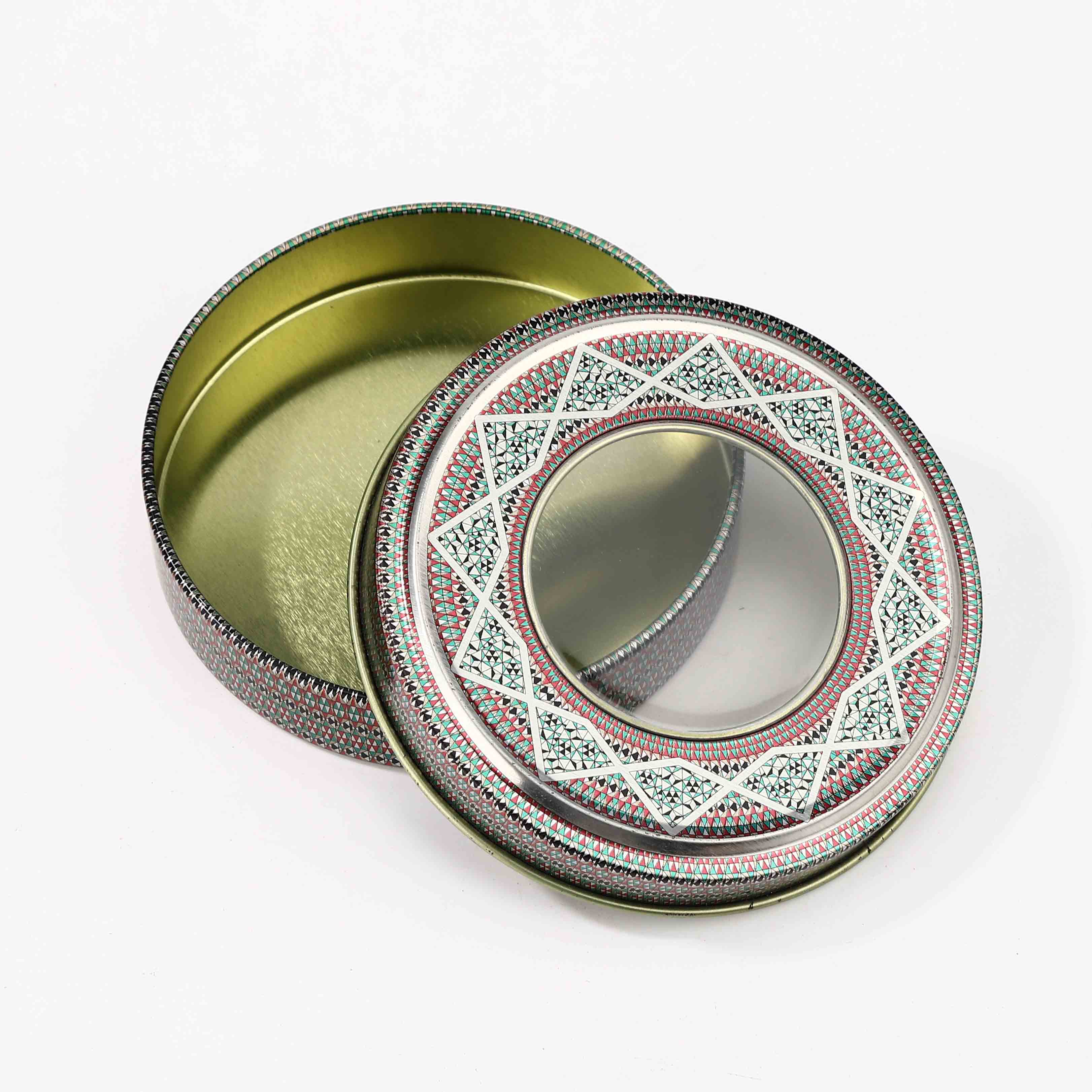
Regional Insights
Metal Packaging Landscape in Uganda
Analyzing the intersection of industrial growth, consumer behavior, and packaging requirements in East Africa.
Uganda's manufacturing sector is experiencing a shift toward higher-value consumer goods, particularly in the confectionery and cosmetic industries. As urban centers like Kampala expand, there is a growing demand for packaging that not only protects the product but also communicates luxury and quality. The market is traditionally dominated by plastic, but a critical shift toward metal is emerging due to the superior protection it offers against the humid tropical environment and the increasing demand for sustainable, infinitely recyclable alternatives.
Current trends indicate a move toward "specialty compound packaging," where metal is combined with other elements to create functional, high-impact gift sets. Demand is rising for painting tin cans in the industrial sector and decorative tins for the food industry. This evolution is driven by a burgeoning middle class that values branding and a growing export market that requires packaging compliant with international durability and safety standards for shipping to neighboring East African markets.
Despite the growth, the primary constraint remains the lack of local, high-precision customization. Most businesses rely on imported standard sizes, which limits their ability to innovate. This creates a significant opportunity for integrated manufacturers who can provide full-service CAD design and custom mold production. The outlook is positive, with an expected increase in the adoption of aluminum and tinplate solutions as businesses seek to reduce plastic footprints and improve product shelf-stability in warm climates.
Industry Progression
The Evolution of Metal Packaging Technology
From basic utility containers to highly engineered brand assets.
Early Adoption
Utility Focus
Packaging was primarily used for basic bulk storage and industrial transport. Focus was solely on material strength and leak prevention with minimal attention to branding or aesthetics.
Recent Development
Customization Era
Introduction of CAD design and flexible molds allowed for diverse shapes and sizes. High-fidelity printing and varnishes began to transform tins into marketing tools.
Current Phase
Eco-Optimization
The focus has shifted to sustainable lifecycle management. Advanced aluminum alloys and lean manufacturing are used to reduce waste while maximizing recycleability.
Precision Engineering Integration
The shift from manual tooling to highly automated production lines has enabled a level of consistency previously unattainable. This allows for the mass production of complex shapes without compromising the airtight integrity required for food-grade containers.
Material Science Advancement
New coatings and varnishes—ranging from matte to glossy and 3D embossed—have expanded the sensory appeal of metal packaging. These advancements protect the metal from corrosion while providing a premium tactile experience for the end consumer.
Sustainability as a Standard
Recyclability is no longer an optional feature but a core requirement. The industry is moving toward mono-material designs that are easier to process in recycling plants, reinforcing metal's position as the most eco-efficient packaging option.
Future Outlook
Emerging Shifts in Global Metal Packaging
Technological and behavioral changes shaping the next decade of packaging design.
Digitalized Design Workflow
The adoption of collaborative CAD platforms allows customers to interact with designs in real-time, ensuring that the final mold perfectly matches the brand vision before production begins.
Eco-Driven Material Sourcing
A shift toward recycled aluminum and tinplate is reducing the carbon footprint of production. Companies are prioritizing "Closed Loop" systems to maintain technical qualities while minimizing raw ore extraction.
Specialized Compound Packs
Blending metal with paper or wooden components is becoming common for luxury gift sets. This hybrid approach balances the protection of metal with the organic feel of other materials.
Smart-Packaging Integration
Integrating QR codes and NFC tags into the metal surface is enhancing consumer engagement, allowing buyers to track product origin and authenticity directly from the tin.
The convergence of automation and sustainability is redefining the cost-benefit analysis for companies in Africa. While the initial investment in custom molds is higher than purchasing generic plastics, the long-term value is found in reduced waste, higher product preservation rates, and a significantly strengthened brand image. The ability to produce complex, high-quality tins allows local businesses to compete on a global scale, moving from simple commodity sellers to premium brand owners.
Furthermore, the transition toward "Lean Manufacturing" ensures that throughput remains high without sacrificing quality. By minimizing movement within the factory and optimizing the CAD-to-production pipeline, lead times are slashed. This agility is crucial for seasonal markets, where the ability to rapidly deploy new designs for Christmas or regional festivals can determine a company's annual success.
Application Case Studies
Practical Deployments in the Ugandan Market
How customized metal packaging solves specific operational challenges for diverse industries.
01
Kampala-based Luxury Confectionery Artisan
A boutique chocolate maker faced issues with bloom and melting during storage in humid conditions. By transitioning to custom-shaped rectangular cookie tins with high-barrier coatings, they achieved a tighter seal that regulated internal humidity. This resulted in a 30% increase in shelf life and allowed for a premium price point based on the luxurious tactile feel of the embossed metal.
02
Regional Pharmaceutical Distributor in Entebbe
Shipping fragile ointment jars across bumpy rural roads led to significant breakage. The distributor implemented reinforced aluminum tins with screw-top lids. The structural rigidity of the metal prevented crushing during transit, while the airtight seal ensured chemical stability of the medication, reducing product loss and increasing distributor trust.
03
Agricultural Export Firm Shipping Tea and Coffee
To enter European markets, a Ugandan coffee exporter needed packaging that met strict international oxidation standards. They deployed customized tinplate containers with specialized interior linings. The resulting barrier against oxygen and light preserved the volatile aromatic compounds of the coffee, enabling the product to maintain "Fresh Roast" quality upon arrival in overseas warehouses.
04
Industrial Paint Supplier for Construction Projects
A supplier faced frequent leakages from low-quality plastic buckets during bulk transport to construction sites. By switching to heavy-duty painting tin cans with precision-welded seams, they eliminated leaks entirely. The metal containers also allowed for easier stacking in warehouses, optimizing storage space and reducing loading times.
05
Seasonal Gift Set Producer for Holiday Markets
A company producing Christmas gift hampers struggled with the high cost of custom-sized boxes. They transitioned to metal cake tins with lids featuring 3D festive embossing. The reusable nature of the tins added perceived value for the consumer, turning the packaging into a permanent keepsake and increasing brand recall long after the product was consumed.
Industry Perspective
Representative Implementation Scenarios
Illustrating the operational impact of professional metal packaging on diverse business models.
Transitioning to custom metal tins solved our primary issue with product oxidation in tropical humidity. The ability to create a custom mold meant our packaging now fits our unique product dimensions perfectly, reducing movement during shipping and eliminating damage.
The shift from plastic to aluminum significantly improved our brand's perceived value. Customers appreciate the sustainability of the material and the high-end finish of the embossing. It has transformed our packaging from a cost center into a marketing asset.
Integrating the design and manufacturing process reduced our lead times for seasonal launches. Having a single partner handle everything from CAD design to final delivery ensures that the quality remains consistent across millions of units.
About Longzhitai
Expertise in Specialty Compound Packaging
A commitment to precision, quality, and customer-centric design in metal containers.
Foundational Phase
Establishing Manufacturing Excellence
Longzhitai established itself as a leading factory focusing on metal packaging and specialty compound products. By investing in 5 high-capacity production lines, the company built the infrastructure to serve global consumer marketing firms.
Growth Phase
Diversification of Materials
The company expanded its expertise beyond tinplate to include aluminum, paper, and wooden packaging. This allowed Longzhitai to cater to diverse sectors including cosmetics, pharmaceuticals, coffee, and high-end confectionery.
Current Phase
Integrated Lean Manufacturing
Today, Longzhitai operates as a fully integrated manufacturer. With a team of 160 workers, including 20 dedicated technologists and designers, the company produces over 3 million goods monthly, specializing in custom molds and compound packaging.
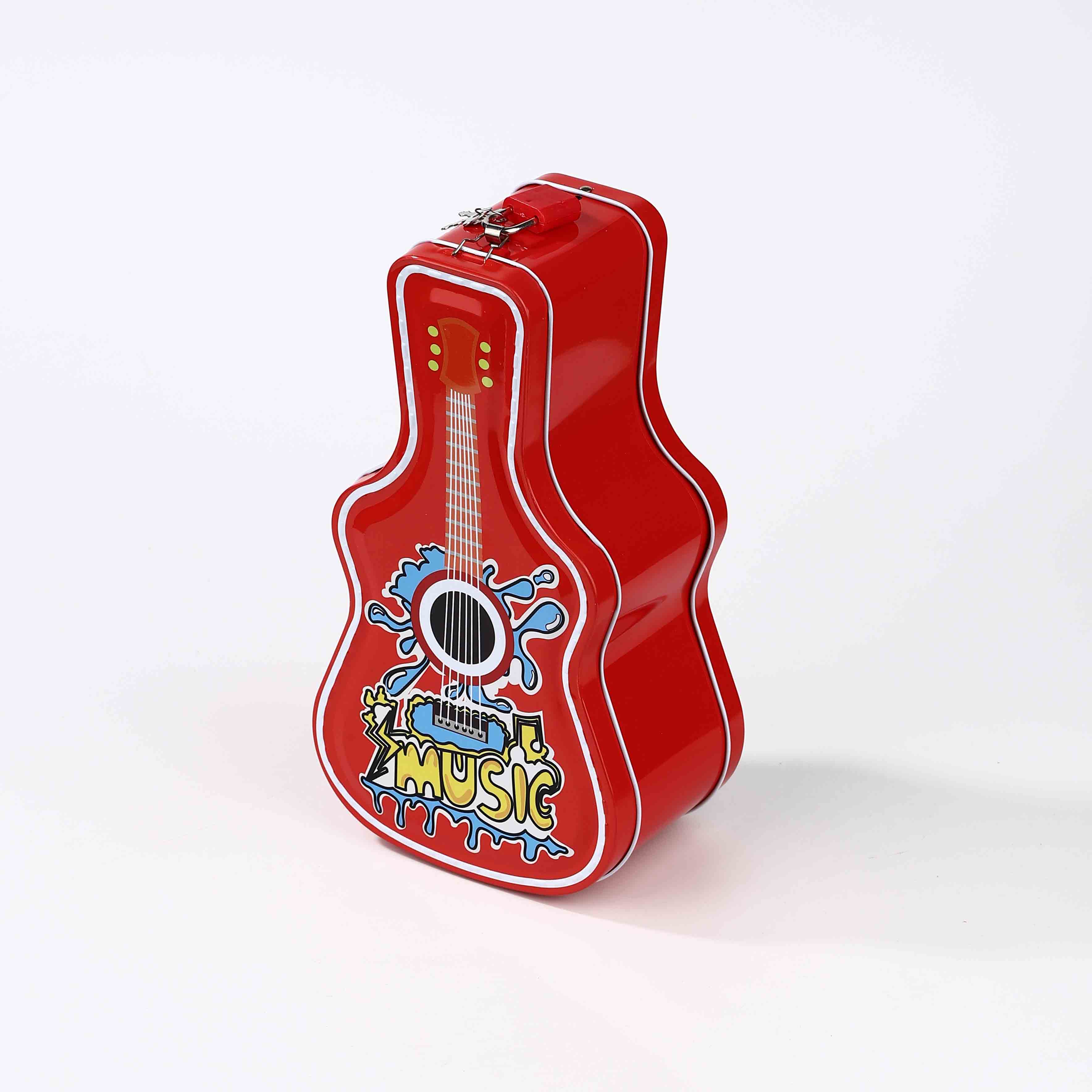
Guitar Irregular Shape Tin Box with Lock
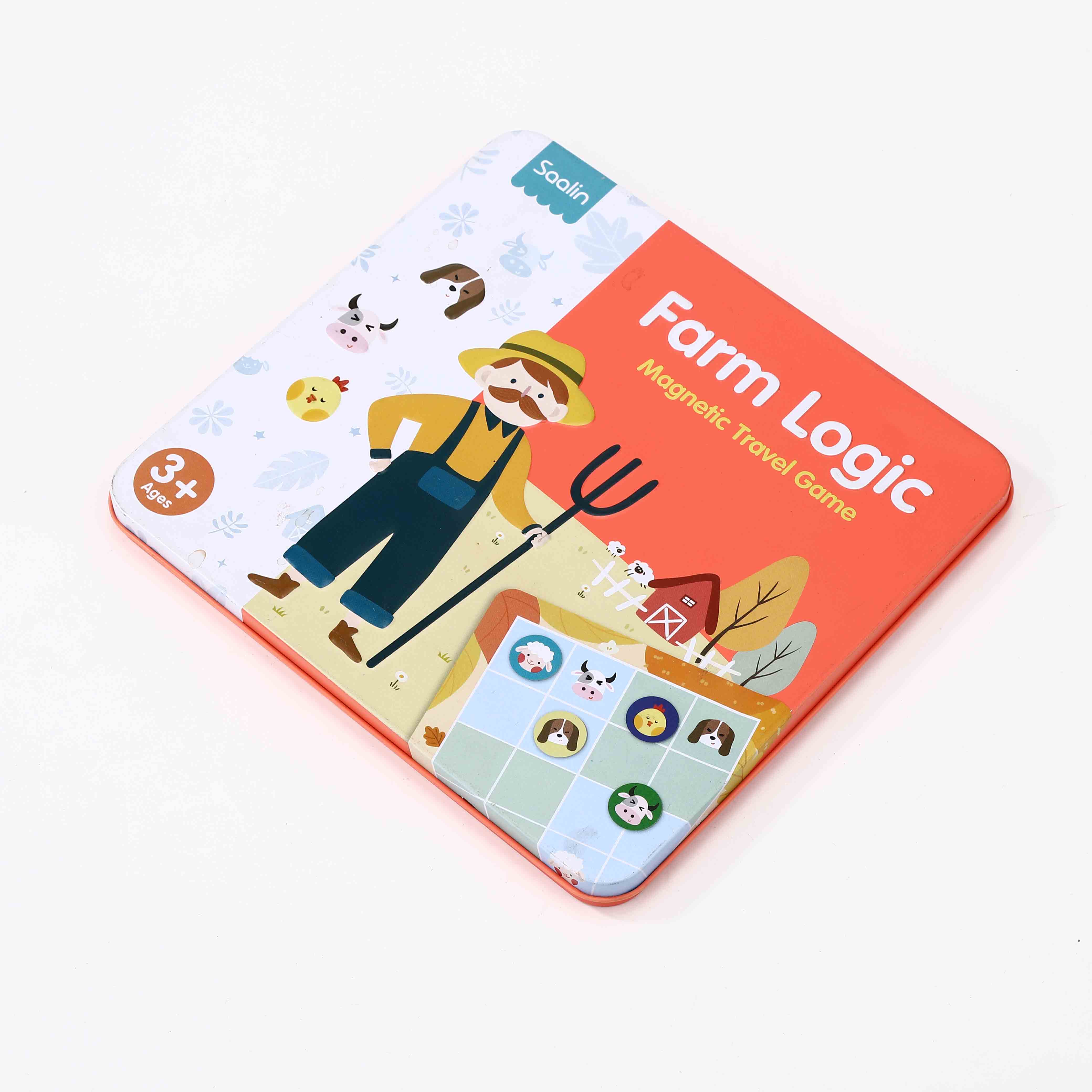
Square Shape Thin Chocolate Tin Box
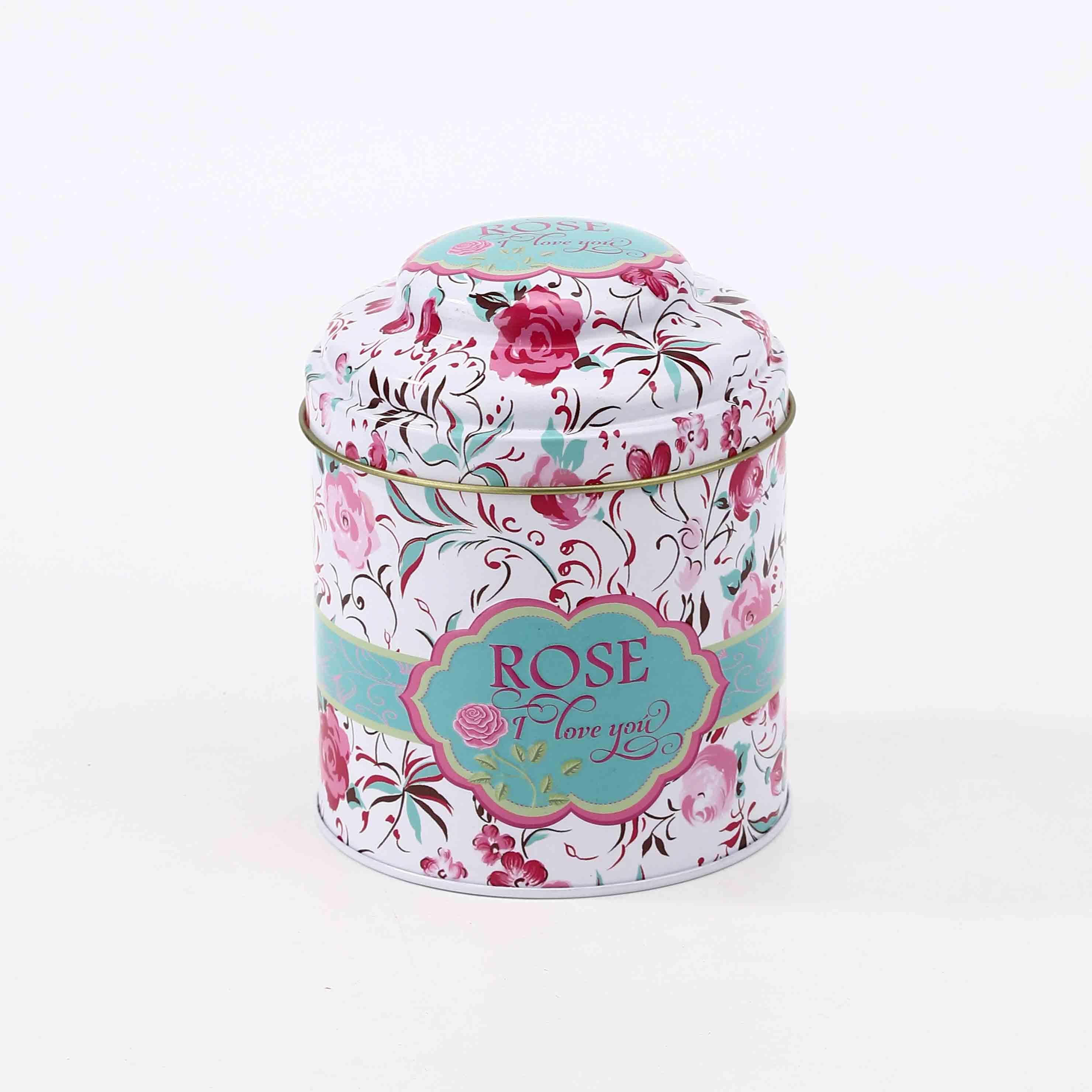
Small Size Tea Tin Box
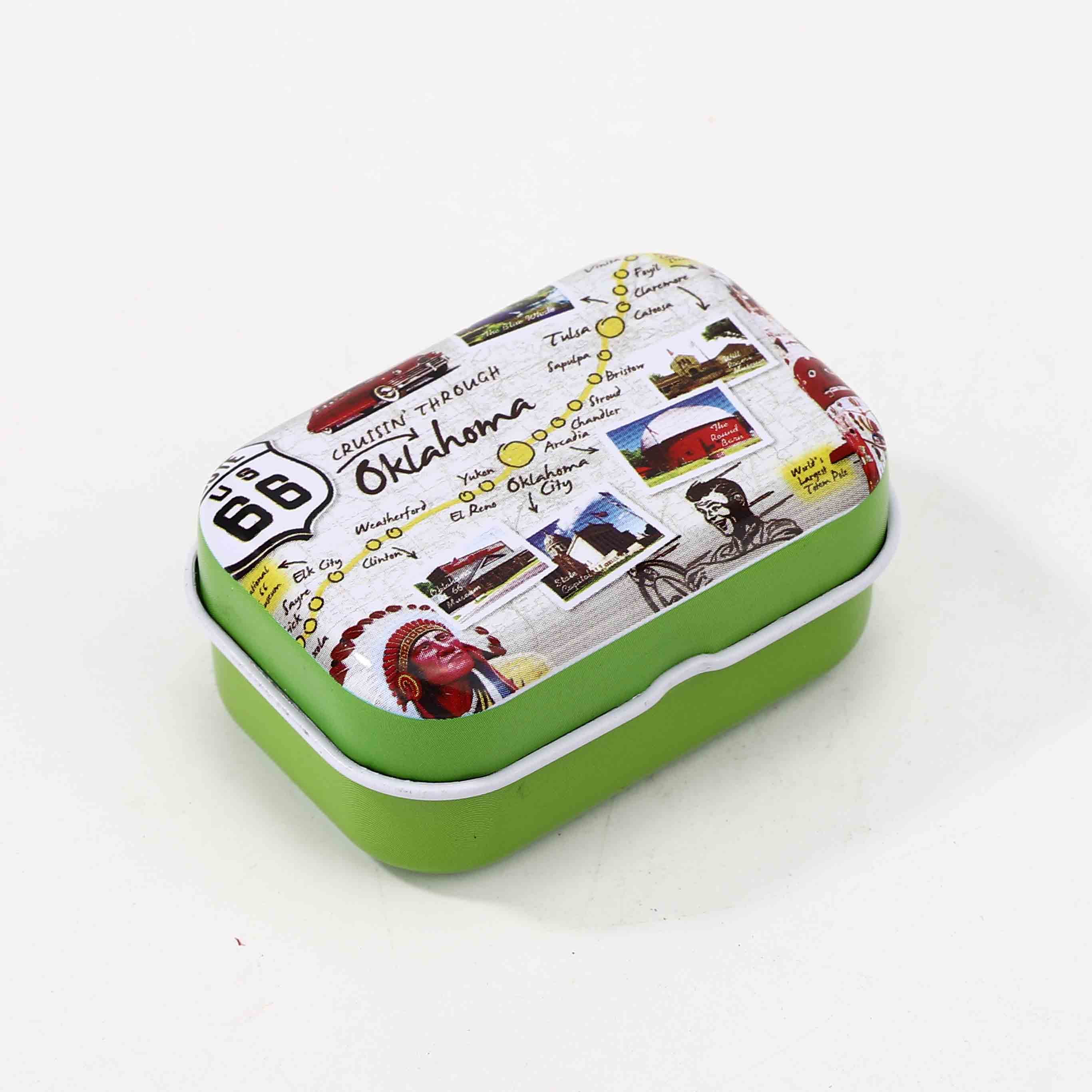
Rectangle Tin Can Small Box
Frequently Asked Questions
Technical and Commercial Guidance
Detailed answers to common inquiries regarding metal packaging procurement and customization.
What are the primary advantages of aluminum tins over plastic for food products?
Aluminum provides a total barrier against light, oxygen, and moisture, which are the primary drivers of food spoilage. Unlike plastic, which can be permeable to certain gases, aluminum ensures a vacuum-like seal that preserves flavor and nutrition. Additionally, aluminum is infinitely recyclable, aligning with global sustainability goals and reducing the environmental impact of packaging waste in urban centers like Kampala.
How does the custom mold process work for unique container shapes?
The process begins with a CAD-design phase where our technologists create a 3D model based on the customer's specifications. Once the design is approved, we engineer a custom steel mold. This mold is then used in our automated stamping and welding lines to produce consistent shapes. This allows for the creation of non-standard forms, such as heart or oval tins, which are not available in off-the-shelf catalogs.
Can you produce packaging that withstands long-distance transport in East Africa?
Yes. We specifically engineer our metal packaging for durability. By optimizing the gauge of the tinplate and reinforcing the seams through precision welding, our containers can withstand significant vibration and compression. We recommend specific closure styles, such as screw-top lids for liquids or tight-fitting slip lids for solids, to ensure that the contents remain secure during transit across diverse infrastructure.
What printing and finishing options are available for brand differentiation?
We offer a wide range of high-fidelity finishes. This includes 3D embossing for tactile branding, as well as matte and glossy varnishes to control light reflection. We can also implement "cracked" effects or terrain-style textures. These options allow brands to create a premium sensory experience, making the packaging a key part of the product's value proposition on the retail shelf.
What is the minimum order quantity for customized metal packaging?
Minimum order quantities vary based on whether you are using a standard mold or requiring a completely new custom design. Because we operate a lean, integrated facility, we can cater to a range of volumes. However, custom mold production typically requires a higher initial volume to offset the engineering costs. We encourage potential clients to discuss their growth projections with us to find the most cost-effective production scale.
How do I start the process of designing a new compound packaging product?
The first step is to define the functional requirements: product volume, protection needs (e.g., light or moisture barrier), and target aesthetic. Once these are established, our design team provides a CAD conceptualization. After iterating on the design and approving a physical prototype, we move to mold creation and mass production. We handle the entire process from design to delivery, ensuring that the final product meets all branding and transport specifications.
Get Started
Ready to Elevate Your Product Packaging in Uganda?
Whether you are a startup looking for unique brand identity or an established distributor needing high-durability industrial containers, our team is ready to help. We provide the technical expertise and manufacturing scale to turn your packaging vision into a market-ready reality across Africa. Contact us today to discuss your custom mold requirements and design specifications.
Discuss Your Requirements