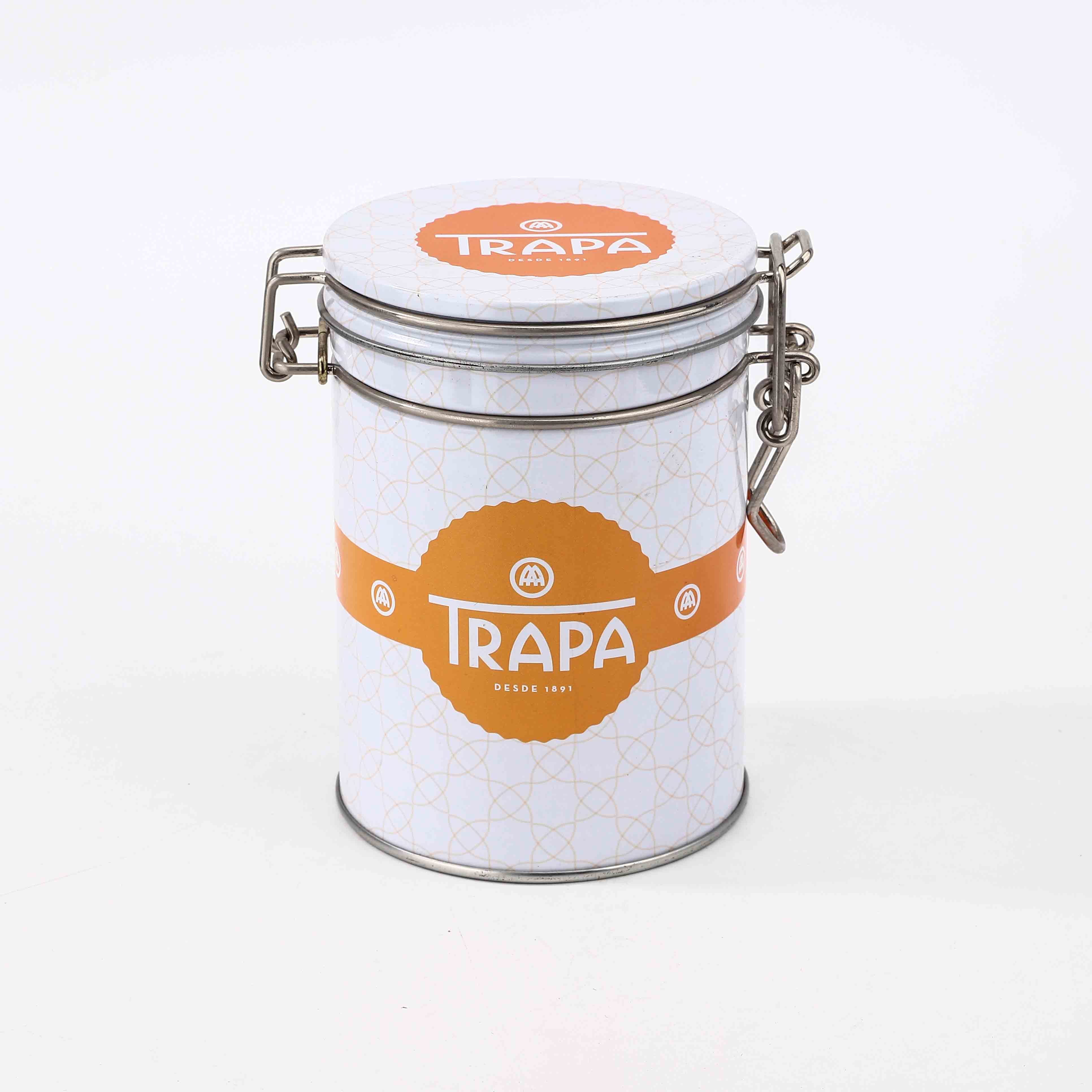

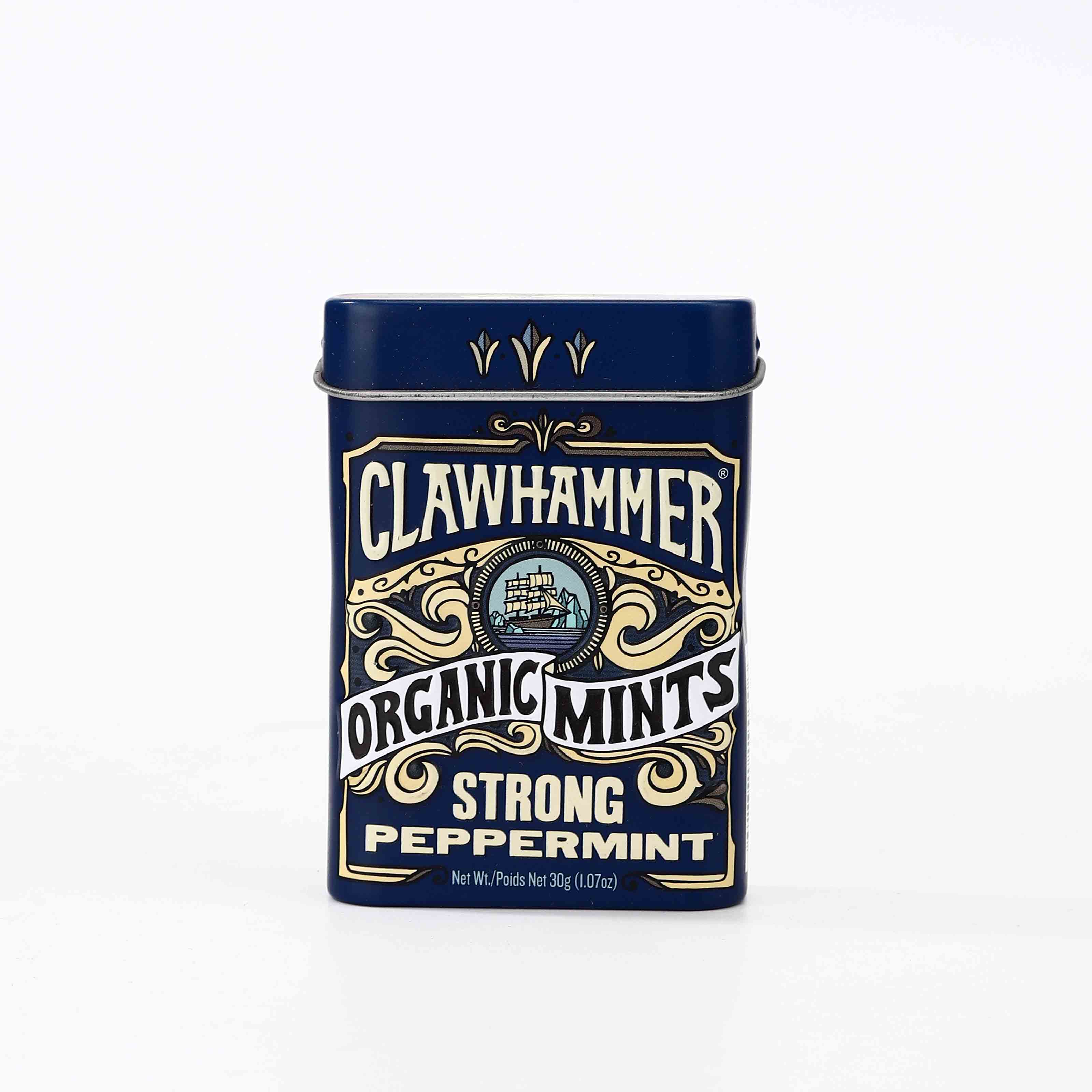
Algeria's unique geographic position and varied climate necessitate packaging that can withstand significant temperature fluctuations and humidity. For the food and chemical industries, tin food cans provide an essential barrier against oxidation and contamination, ensuring that products remain stable during long-distance transport from coastal hubs to inland regions. This demand for durability is a primary driver for the adoption of high-grade tinplate across the region's manufacturing landscape.
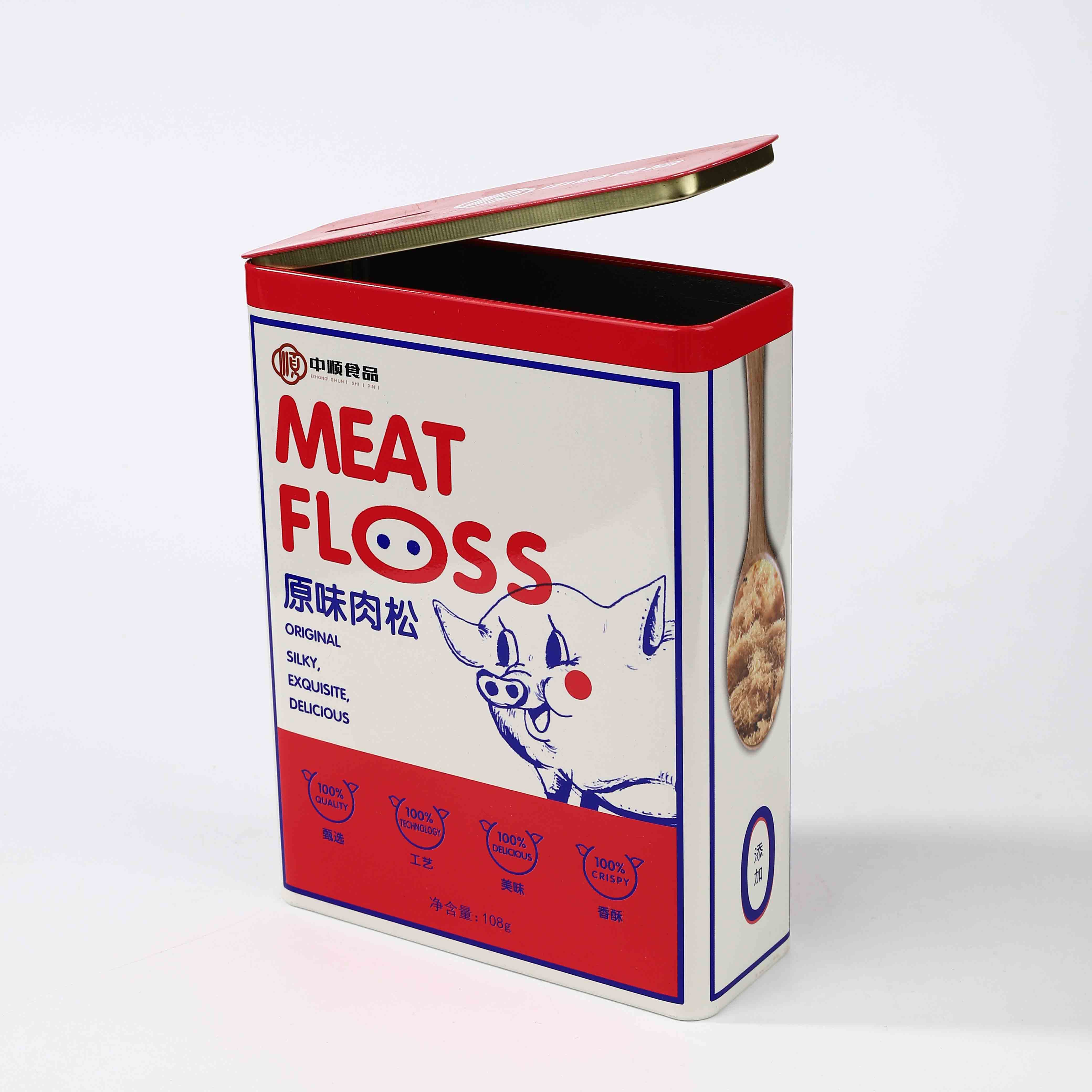
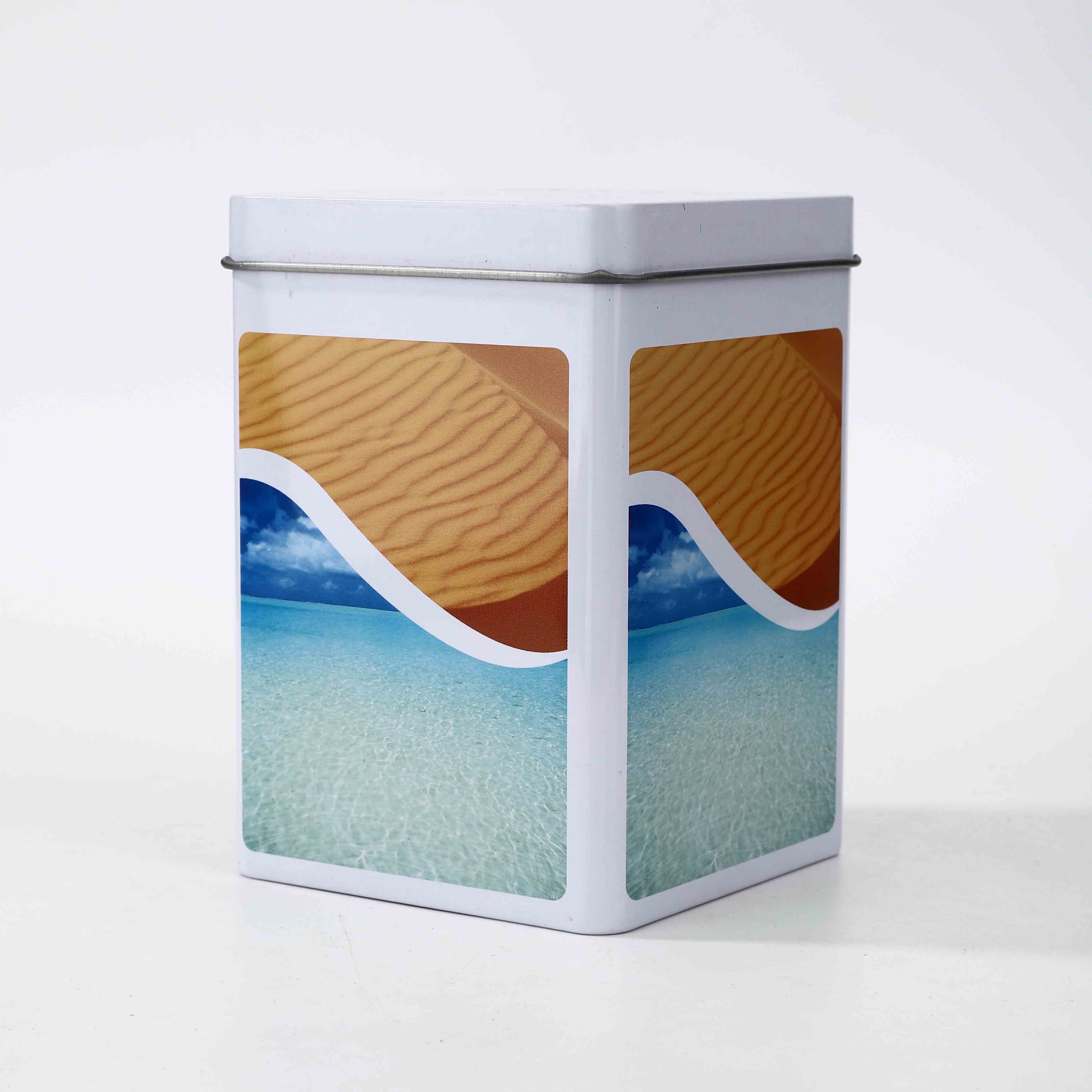
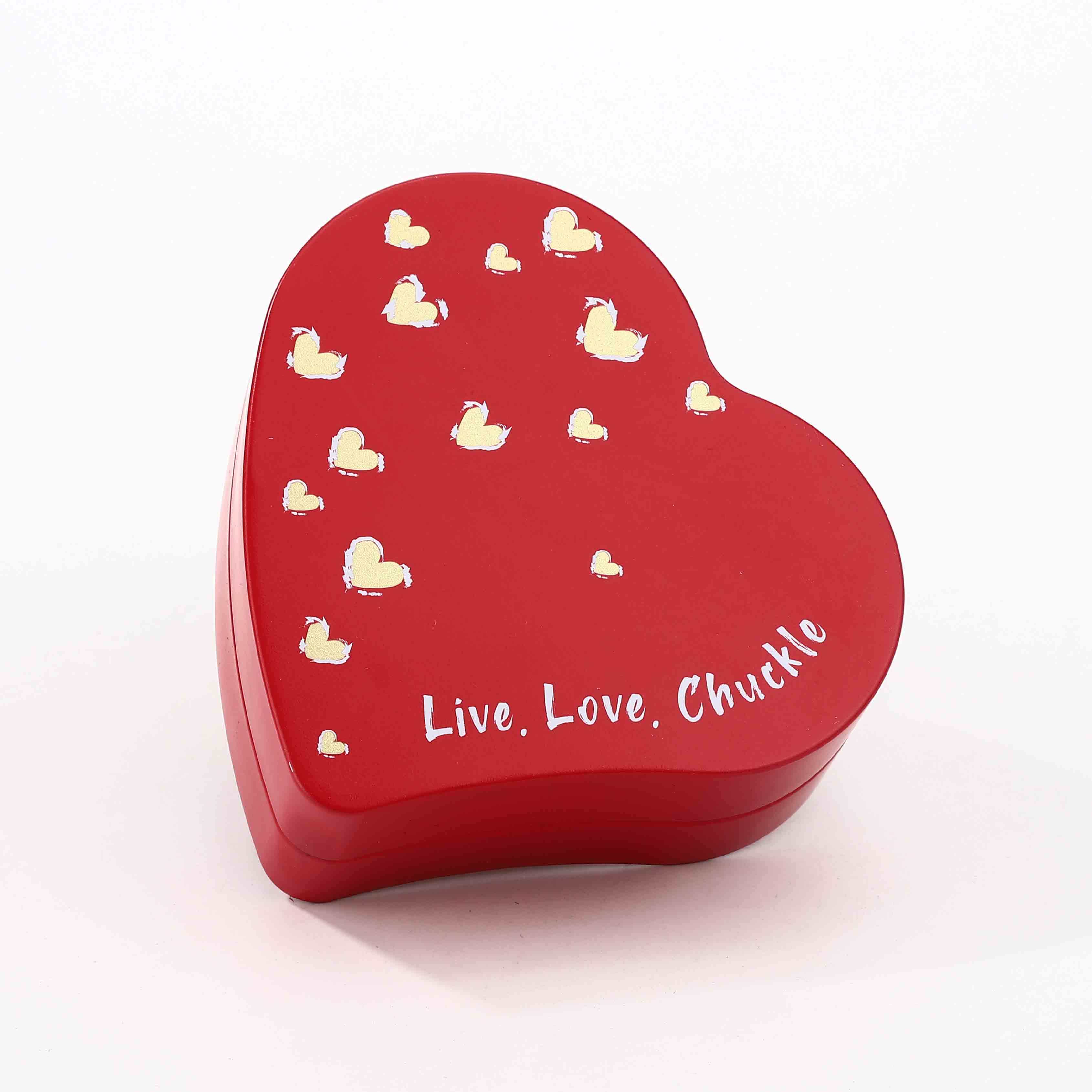
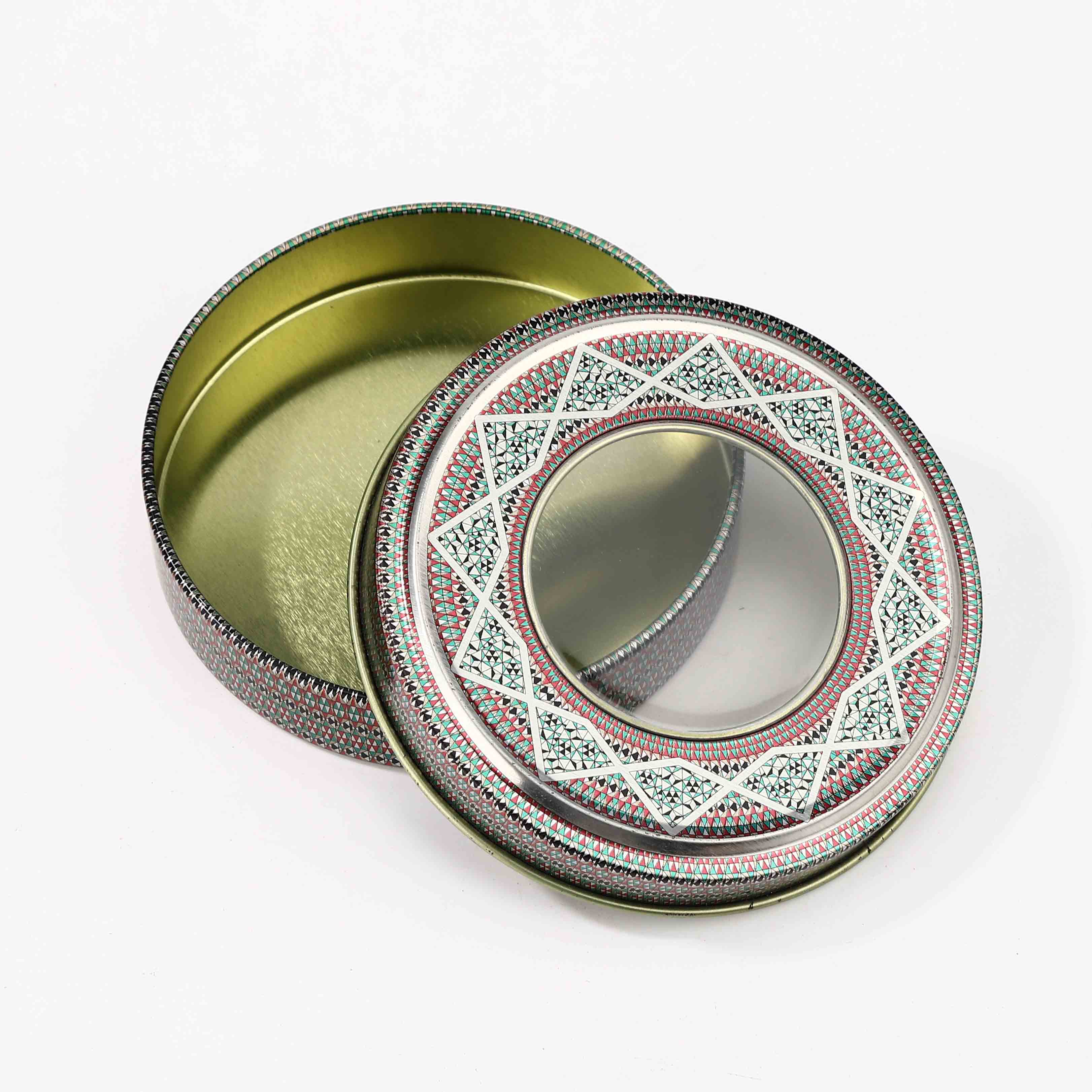
The rise of artisanal confectionery and premium gifting in urban centers has increased the need for sophisticated aesthetics. Brands are increasingly seeking rectangular cookie tins that combine structural integrity with high-end printing. In the Algerian consumer market, the packaging is often viewed as a proxy for product quality; therefore, the ability to customize molds and apply 3D embossing becomes a critical competitive advantage for local distributors and producers.
From a strategic perspective, the shift toward sustainable materials is gaining momentum. As Algerian enterprises align with global eco-efficiency standards, aluminum tins are becoming the preferred choice due to their infinite recyclability and lightweight nature. This transition is not merely environmental but economic, reducing logistics costs while appealing to a more environmentally conscious demographic of consumers and corporate buyers.