

Oct . 01, 2025 10:40 Back to list
Large Metal Box Manufacturers: Custom, ISO, Fast Delivery?
What I’ve Learned Touring Factories of large metal box manufacturers
I’ve walked the shop floors where steel coils sing through slitters and the offset presses hum. To be honest, the gap between glossy marketing and day-to-day production can be wide. Yet the best teams—those quietly reliable folks—deliver consistent tins for food, gifts, and even industrial kits. The trend today? Sustainability-lean tinplate, quick-turn CMYK printing, and cleaner, auditable supply chains. It sounds fancy, but it’s just good manufacturing with better tools.
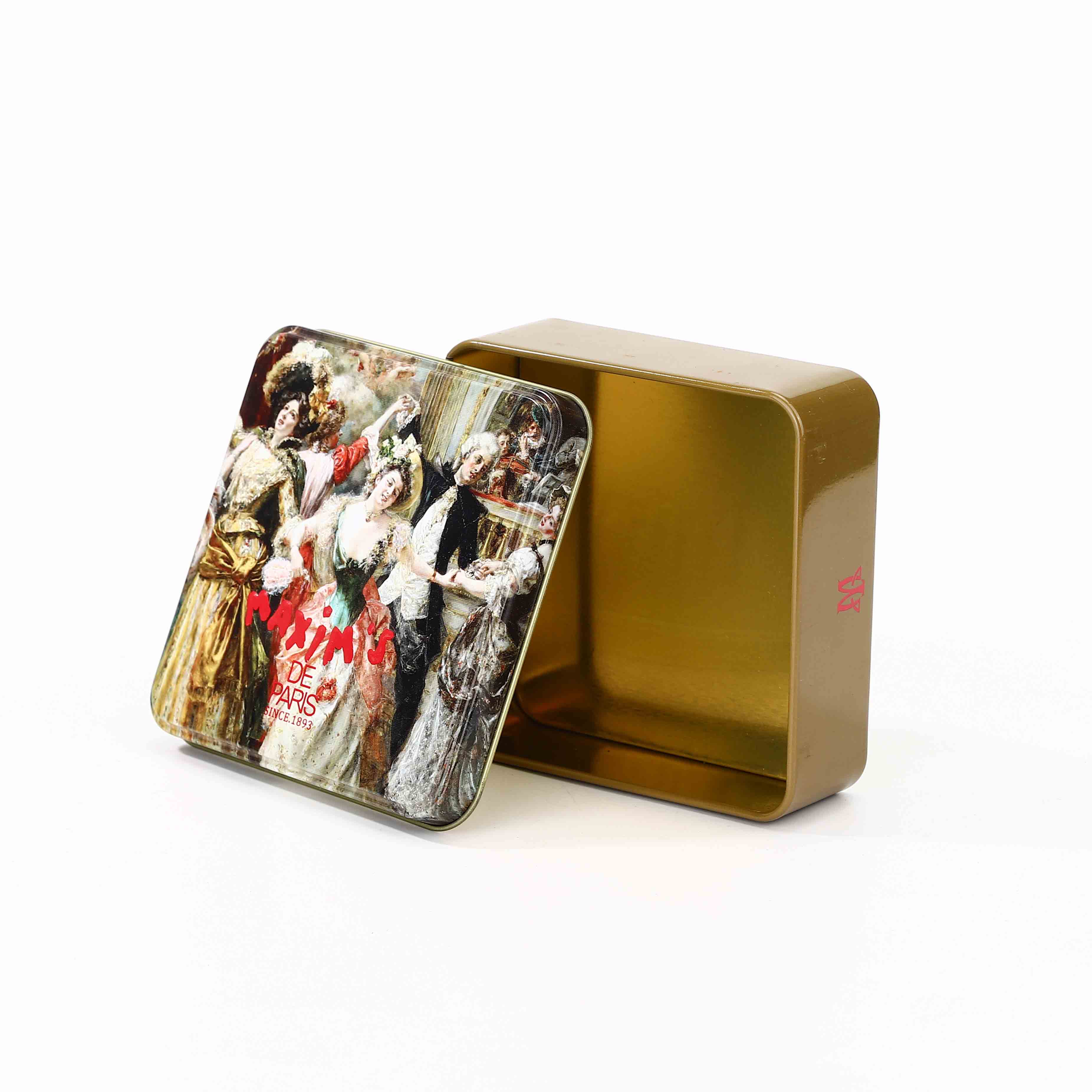
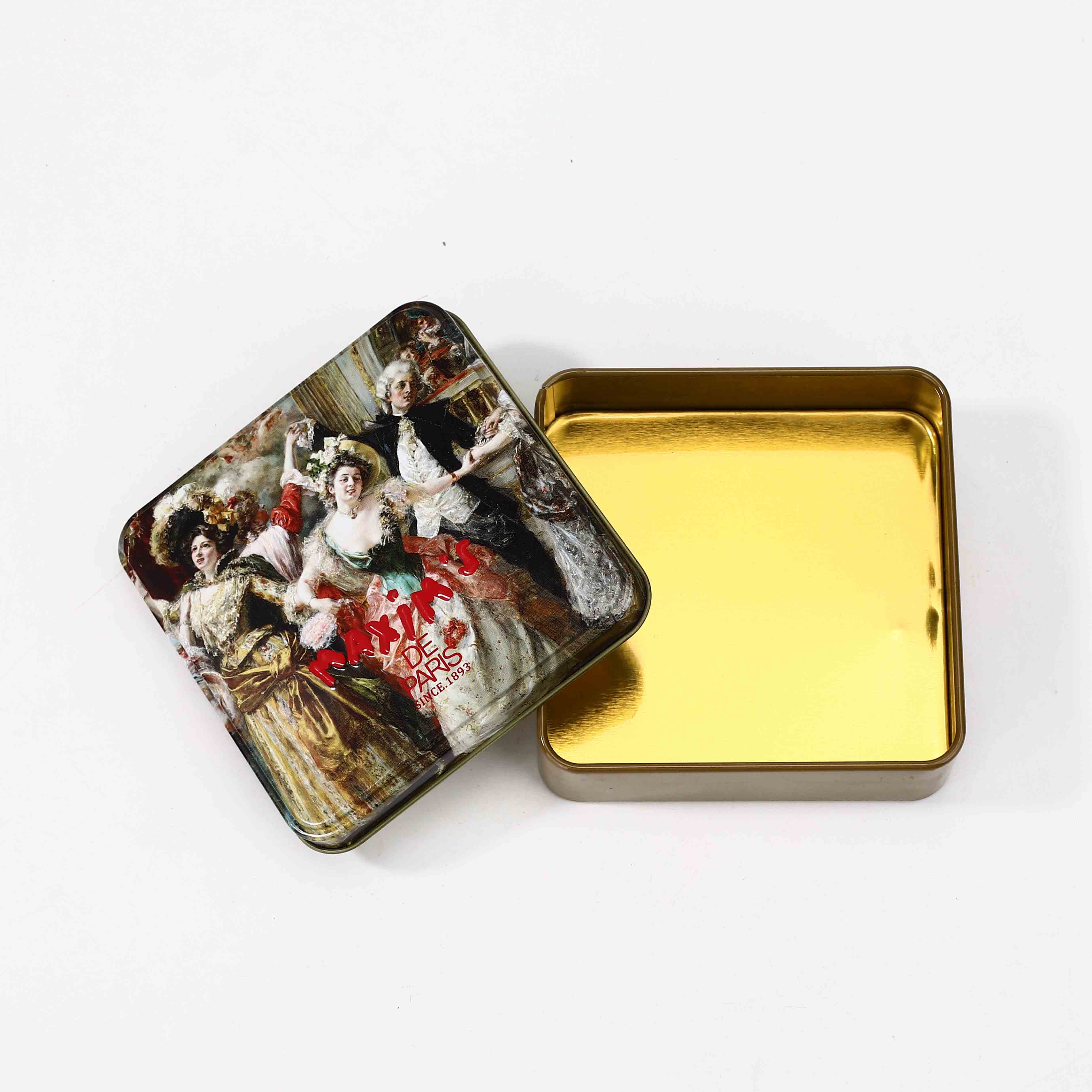
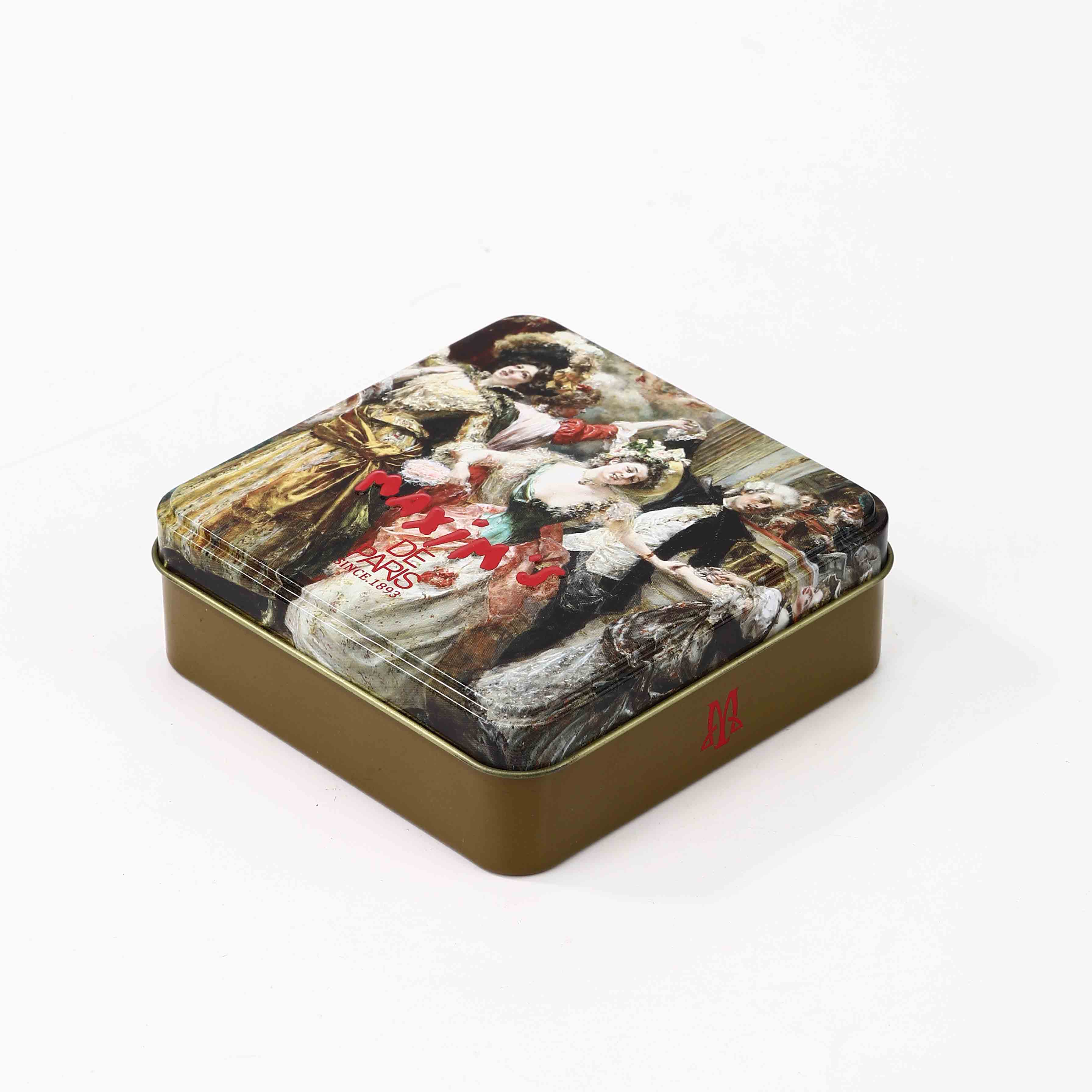
Spotlight Product: Square Shape Cookies Tin Box 2
From Hebei, China (No. 1 QingShan Road, Lvdao Development Zone, Shijiazhuang City, 050026), this classic square tin is a neat case study in how large metal box manufacturers balance consistency with customization.
| Parameter | Spec / Notes |
|---|---|
| Product | Square Shape Cookies Tin Box 2 |
| Material | Tinplate, thickness 0.23 mm (≈ light-gauge food-grade tinplate) |
| Structure | 3-piece (lid/body/base), classic square form |
| Printing & Finish | CMYK offset; gold finishing, glossy varnish, or matte finishing |
| Customization | OEM welcome; custom logo design supported |
| Use Cases | Biscuits/cookies, tea, confectionery gifts, seasonal promos |
| Compliance (typical) | Food-contact coatings available per FDA 21 CFR 175.300; EU 1935/2004-ready |
| Note | Real-world spec may vary by artwork, tooling, and order size. |
How It’s Made (Short Version)
Materials come in as tinplate coils certified to ASTM A623. After coil slitting and sheet cutting, printing happens via CMYK offset, then line varnish (gloss, matte, or gold-toned) and oven curing. Stamping forms the lid, body, base; edges are curled and de-burred. Seams are locked; surfaces cleaned. Quality teams do visual checks (AQL ≈ 2.5), seam integrity checks, and adhesion tests (cross-hatch per ASTM D3359—4B–5B is common in my notes). For food tins, coating migration testing follows FDA 21 CFR 175.300 or EU 1935/2004 guidelines. Service life? In dry pantry conditions, metal and print hold up for years; humidity and salt accelerate corrosion, as you’d expect.
Where These Tins Fit (and Why)
Brands use them for premium cookies, gift assortments, bakery launches, and retail-ready samplers. One merch lead told me, “Customers keep the tin long after the treats,” which is the whole point: extended brand recall. Another perk from large metal box manufacturers: quick seasonal SKUs with fresh artwork—short runs are more realistic now thanks to tighter prepress and predictable color management.
Vendor Landscape: What to Expect
| Vendor Type | Typical MOQ | Lead Time | Certs | When to Choose |
|---|---|---|---|---|
| China OEM (Hebei line) | ≈ 5k–20k | 25–40 days | ISO 9001; food-contact coatings | Best value, broad tooling, fast CMYK |
| Boutique specialty shop | ≈ 500–3k | 2–6 weeks | Varies | Short runs, complex finishes |
| Regional distributor | Stock-based | Immediate–2 weeks | Local compliance | Speed over customization |
Mini Case: Seasonal Cookie Launch
A mid-size bakery needed a square tin with matte finish and gold accents. Artwork in CMYK, tight color tolerance. The OEM team aligned dielines quickly, sent pre-production samples, and—surprisingly—first-pass adhesion tested at 5B. Feedback from retail? “Feels premium, seals nicely, no sharp edges.” That’s the quiet craft of large metal box manufacturers that rarely makes headlines.
Compliance & Documentation
Ask for: material certs to ASTM A623, coating declarations per FDA 21 CFR 175.300, EU 1935/2004 statements, and ISO 9001 quality certificates. If you handle food, request migration tests on your exact coating stack. It seems basic, but documentation saves headaches later.
Quick QA Snapshot (representative)
- Tinplate gauge: 0.23 mm (± small tolerance)
- Print adhesion (cross-hatch): 4B–5B, lab-dependent
- Visual AQL: ≈ 2.5 for cosmetics; functional defects lower
- Service life: multi-year in dry storage; real-world use may vary
Bottom Line
If you want reliable tins without drama, pair clear artwork with realistic lead times and insist on test reports. The Square Shape Cookies Tin Box 2 is a tidy illustration: simple, brandable, and backed by the sort of process discipline that good large metal box manufacturers quietly maintain.
Authoritative References
-
Discover the Best 5 Quart Metal Bucket – Durable, Practical & Versatile
NewsDec.03,2025
-
Buy Quality Best Tin Jars Wholesale: Durable, Sustainable, Cost-Effective Packaging
NewsDec.03,2025
-
The Best Tin Serving Tray: Durable, Sustainable, and Globally Trusted Options
NewsDec.03,2025
-
The Vital Role and Benefits of Tin Boxes in Global Packaging Markets
NewsDec.02,2025
-
The Practical Benefits and Global Impact of the Bucket on Wheels
NewsDec.02,2025
-
Comprehensive Guide to Paint on Tin Can: Industry Insights & Global Impact
NewsDec.02,2025