

Oct . 07, 2025 08:30 Back to list
Large Metal Box Manufacturers: Custom, Fast Lead Times?
What buyers keep asking large metal box manufacturers in 2025
Short answer: consistency, corrosion resistance, and shorter lead times. Longer answer: it’s complicated—metal packaging is having a quiet renaissance. Food, cosmetics, tools, even dental kits are switching from plastic to tinplate or steel because it looks premium, it’s recyclable, and frankly, it lasts. I’ve toured plants where presses thump like metronomes and offset printers dance CMYK across sheets of tin. It’s a craft, and, to be honest, a science.
Industry trends (quick scan)
- Premiumization: special shapes and gold finishes are back in retail endcaps.
- Sustainability: tinplate is infinitely recyclable; many large metal box manufacturers now publish recycled content percentages.
- Speed to brand: OEM/ODM with in-house design cuts launch windows from months to weeks.
- Coating tech: BPA-NI lacquers and low-VOC inks moving mainstream.
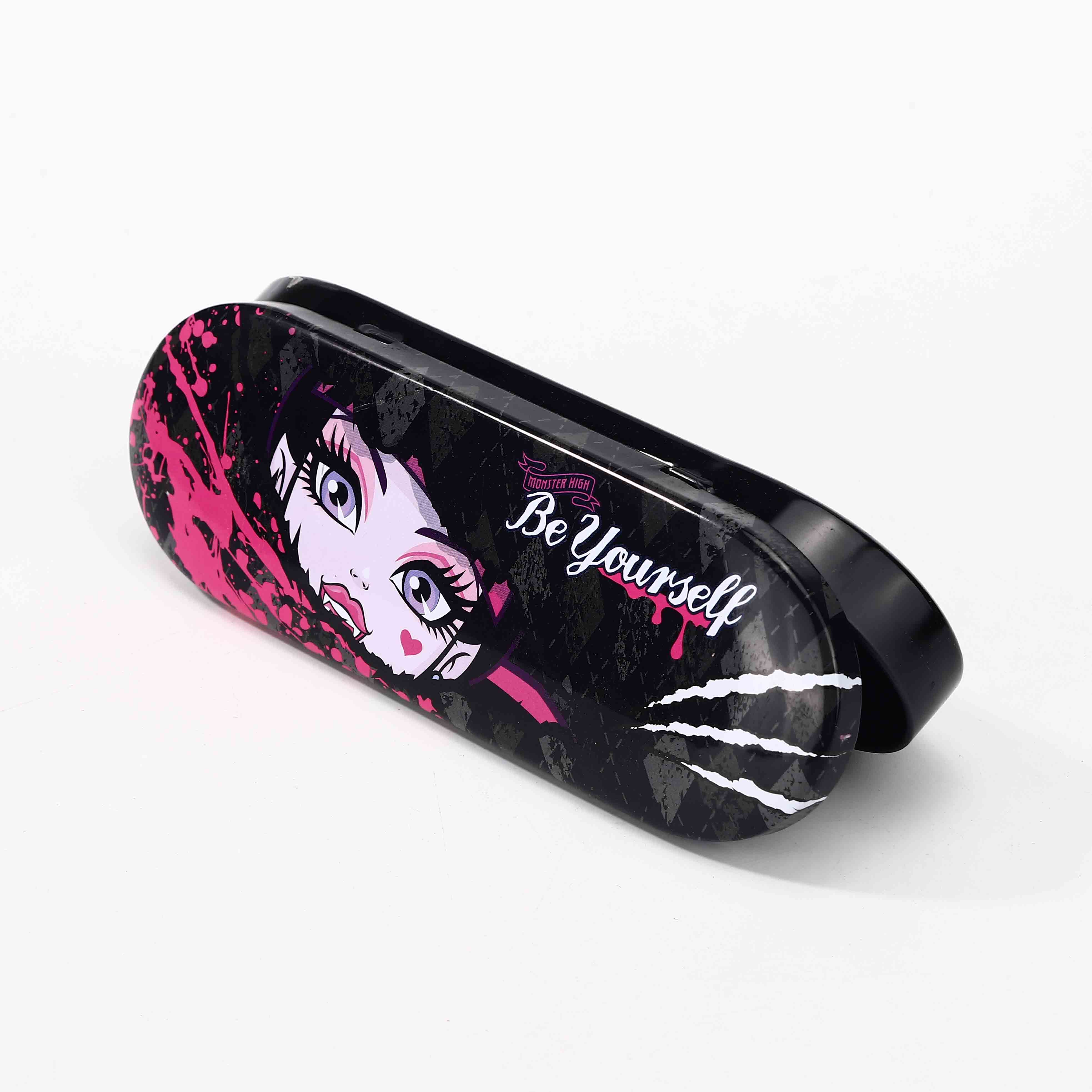
Product spotlight: Oral Shape Tin Box
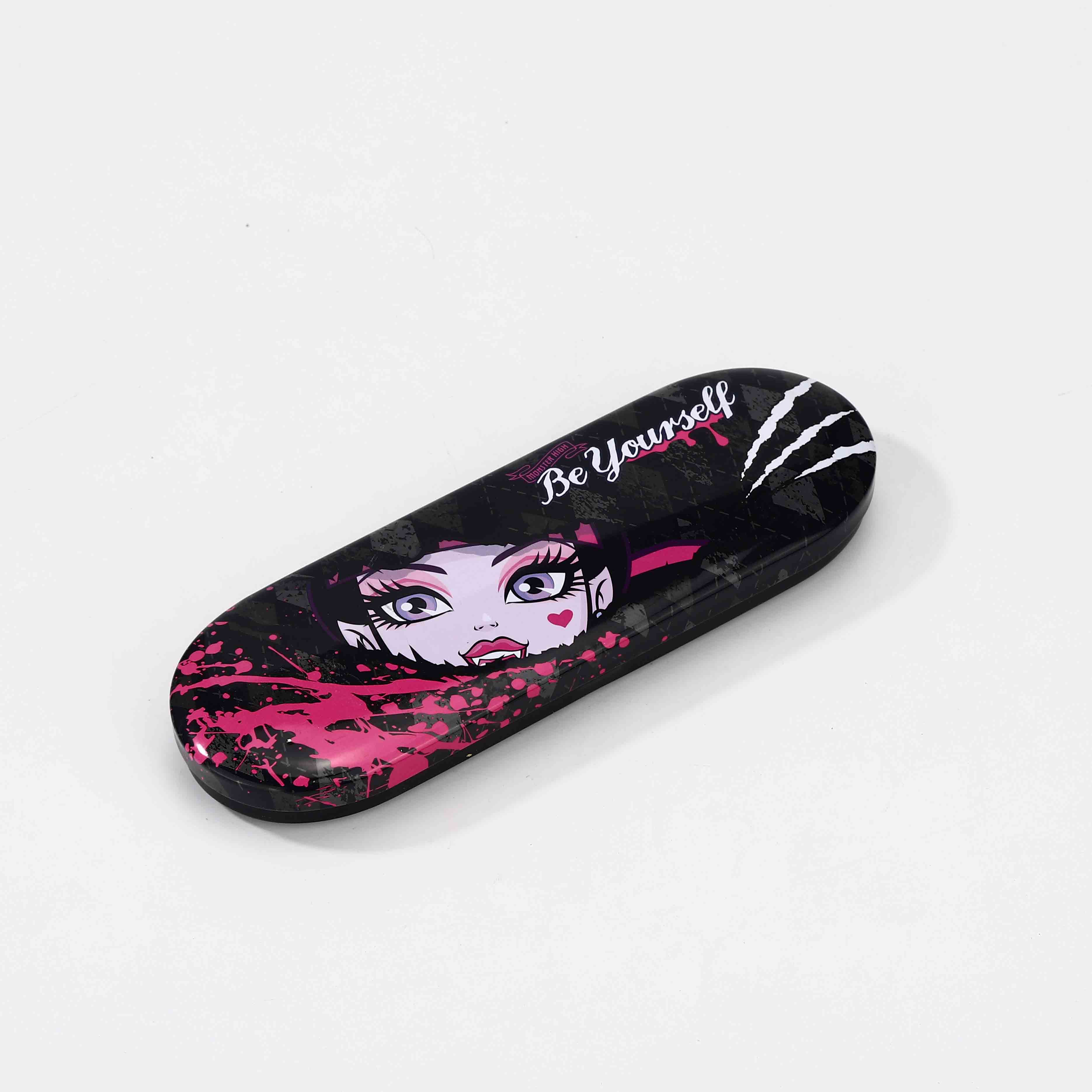
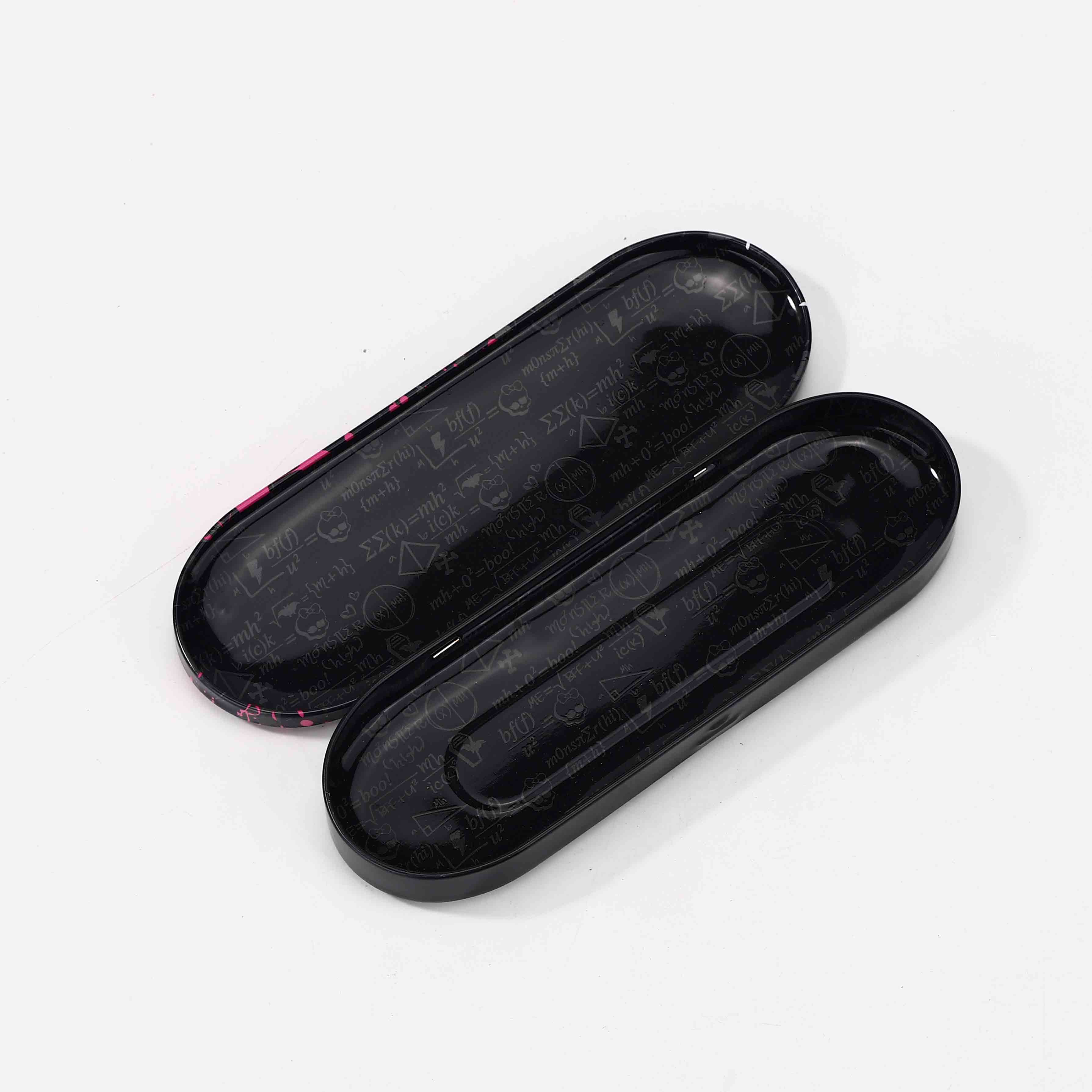
From Lvdao Development Zone, Shijiazhuang (No. 1 QingShan Road, Hebei 050026), this “Oral Shape Tin Box” is a quirky, shelf-stopping two-piece tin. I’ve handled it—pleasant snap-fit, surprisingly light. The gold or glossy treatments catch light in a way that photos only half capture.
| Material | Tinplate, thickness ≈ 0.23 mm (real-world use may vary ±0.02 mm) |
| Structure | 2 pcs (lid + base), rolled edge |
| Printing/Finish | CMYK offset; gold finish or glossy/matte varnish |
| Customization | OEM/ODM, custom logo and dieline supported |
| Typical Service Life | 3–8 years indoor; depends on humidity and abrasion |
| Common Uses | Confectionery tins, gifting, cosmetic kits, dental promos, retail collectibles |
How it’s made (process flow)
Materials arrive as coil/sheet tinplate. Sheets are printed CMYK, then coated (gold, gloss, or matte) and oven-cured. Blanking and deep-draw stamping form lid/base; edges are rolled for safety and fit. QC checks cover gauge, print registration, burrs, and fit tolerance.
Testing: ASTM D3359 adhesion (4B–5B typical), ASTM B117 salt spray 96 h with no red rust on coated surfaces, ISTA 1A drop from 1.2 m—5/5 passes in my notes. For food-adjacent use, coatings can be specified to FDA 21 CFR 175.300; chemical compliance aligned to REACH/RoHS. Many large metal box manufacturers run ISO 9001 and ISO 14001 systems, which, yes, actually matters on repeatability.
Where it’s used (and why)
- Seasonal candy and mints: keeps shape integrity in transit; looks giftable.
- Cosmetics/skincare minis: premium unboxing, reusable container111 value.
- Promo kits: distinctive “oral” silhouette draws attention; stackable in PDQs.
- Small hardware/electronics bits: better crush resistance vs. paperboard.
Advantages: high recyclability, crisp edges for branding, tactile “tin sound.” Downsides? Slightly higher freight weight and a tiny learning curve on fit tolerances when you push odd geometries.
Real-world feedback
“Breakage claims dropped about 28% after switching to tin,” says an ops lead at a mid-size confectioner. Another buyer mentioned, “Retail pickup improved; people kept the tin,” which is the quiet KPI—secondary use equals brand stickiness.
Vendor snapshot (comparison)
| Vendor (example) | Core strength | MOQ | Lead time | Certs | Notes |
|---|---|---|---|---|---|
| Lvdao Packaging (Hebei) | Custom shapes, CMYK + gold | ≈5,000 | 20–30 days after art | ISO 9001/14001 | Strong OEM/ODM, stable color |
| Shenzhen metal packer A | High-speed stamping | 10,000+ | 25–40 days | ISO 9001 | Cost-optimized, fewer finishes |
| Ningbo specialty tins B | Small-batch custom | ≈3,000 | 18–28 days | ISO 9001, RoHS | Faster sampling, higher unit cost |
Data indicative; verify with suppliers—pricing and timing shift with material markets and holiday peaks.
Customization playbook
Send dielines early, agree on Pantone bridges for CMYK, and request adhesion + salt-spray reports. Ask large metal box manufacturers to provide fit samples from production tooling, not prototype dies—small but crucial detail.
Mini case studies
- Confectionery launch: 150k units, 3-color + gold, 2.1% scrap (vs. 3.5% prior run). Sell-through +17% week one.
- Dental promo: 40k units, matte finish, passed ISTA 1A; returns down 22% QoQ after switch from rigid plastic.
References
- ISO 9001:2015 Quality management systems — Requirements.
- ASTM D3359 Standard Test Methods for Rating Adhesion by Tape Test.
- ASTM B117 Standard Practice for Operating Salt Spray (Fog) Apparatus.
- ISTA 1A: Non-Simulation Integrity Performance Test Procedure.
- EU REACH Regulation (EC) No 1907/2006 and RoHS Directive 2011/65/EU.
- FDA 21 CFR 175.300 Resinous and Polymeric Coatings (food-contact coatings).
-
Discover the Best 5 Quart Metal Bucket – Durable, Practical & Versatile
NewsDec.03,2025
-
Buy Quality Best Tin Jars Wholesale: Durable, Sustainable, Cost-Effective Packaging
NewsDec.03,2025
-
The Best Tin Serving Tray: Durable, Sustainable, and Globally Trusted Options
NewsDec.03,2025
-
The Vital Role and Benefits of Tin Boxes in Global Packaging Markets
NewsDec.02,2025
-
The Practical Benefits and Global Impact of the Bucket on Wheels
NewsDec.02,2025
-
Comprehensive Guide to Paint on Tin Can: Industry Insights & Global Impact
NewsDec.02,2025