


Oct . 14, 2025 09:05 Back to list
Large Metal Box Manufacturers: Custom, Durable, Fast Quotes
Inside the world of large metal box manufacturers: what really matters for cake tins
Walk any bakery aisle and you’ll notice it: tins that feel substantial, print that pops, lids that close with a clean click. I’ve toured a few plants and, to be honest, the quiet hero is process discipline. When you’re selecting a partner for premium cake packaging, the difference between good and great often shows up in the metal gauge, ink curing, and those unglamorous in-line tests.
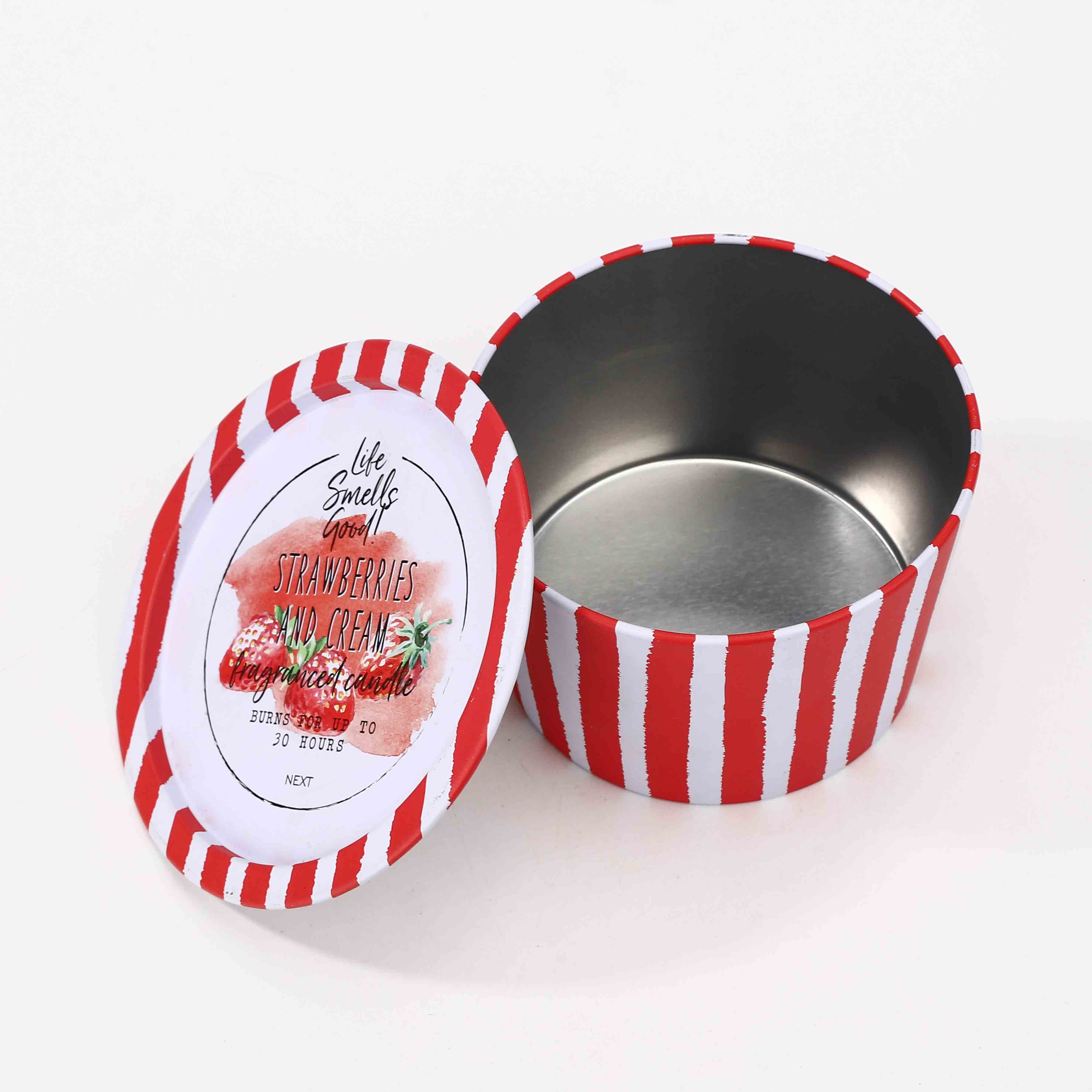
Product snapshot: Custom Tin Box for Cake
From Hebei, China (No. 1 QingShan Road, Lvdao Development Zone, Shijiazhuang City, 050026), this line uses 0.23 mm tinplate with a classic 3-piece structure—body, base, lid. Printing is CMYK with optional gold finishing, glossy varnish, or matte. OEM and custom logos? Yes, of course. Many customers say the matte plus gold combo feels surprisingly upscale for seasonal launches.
| Spec | Detail |
|---|---|
| Material | Tinplate (SPTE) ≈0.23 mm, food-contact lacquer options |
| Structure | 3 pcs (body with curl, base, special lid) |
| Printing | CMYK litho; gold finishing / glossy / matte varnish |
| Testing (sample) | Adhesion ASTM D3359 4B–5B; Salt spray ASTM B117 48–96 h (coating-dependent) |
| Service life | Multi-year reuse in normal pantry conditions; real-world use may vary |
Process flow that separates leaders from the pack
Materials are slit and sheeted, then off to lithography: CMYK layering, controlled bake, and topcoat. After curing, sheets get stamped; bodies are rolled and notched, then seamed or locked. Edges are curled, lids fitted, and sharpness deburred. QC includes gauge checks, curl height, print density ΔE, cross-hatch adhesion, and drop tests (≈0.8–1.0 m with packed product). Food-contact coatings are verified against migration limits. It sounds clinical; in practice, the best lines run like a quiet metronome.
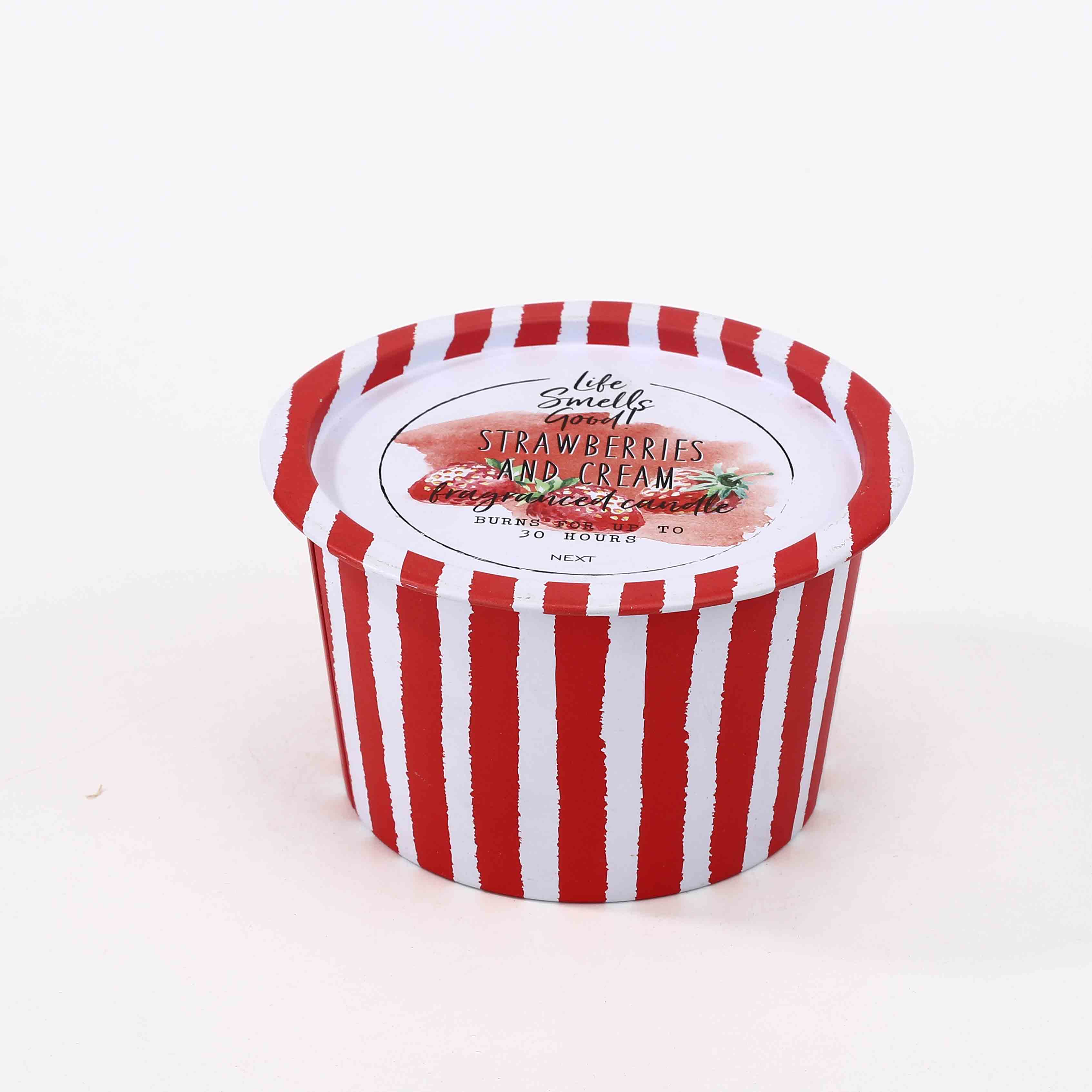
Where these tins shine
- Bakery and patisserie: celebration cakes, limited editions, gifting.
- Confectionery combos: cake + truffles or seasonal assortments.
- Direct-to-consumer bundles: keepsake packaging that boosts repeat orders.
One DTC bakery told me returns from dented packs dropped by around 35% after switching to a 0.23 mm tin. Shelf impact rose, too—store audit noted a 20% “stop-and-look” increase. Is that scientific? Perhaps not perfectly, but the sales chart moved in the right direction.
Quick vendor comparison (what buyers ask first)
| Vendor | Strengths | Lead time | MOQ | Certs | Price |
|---|---|---|---|---|---|
| Hebei Packaging Help | CMYK + gold; tight QC; flexible OEM | ≈25–35 days | ≈5k–10k | ISO 9001; food-grade coatings | Mid |
| Guangdong Decorative Tin Co. | High-speed litho; embossing depth | ≈30–40 days | ≈10k | BRC/ISO 22000 | Mid–High |
| Vietnam OEM Metal Box Ltd. | Competitive labor; agile for small runs | ≈20–30 days | ≈3k–5k | ISO 9001 | Value |
Trends I keep hearing from large metal box manufacturers: BPA-NI coating options, QR codes for traceability, and post-consumer recycled (PCR) tinplate pilots. Demand is nudging everyone toward lower-VOC inks and tighter color delta targets (ΔE2000 ≤2.0 on hero panels).
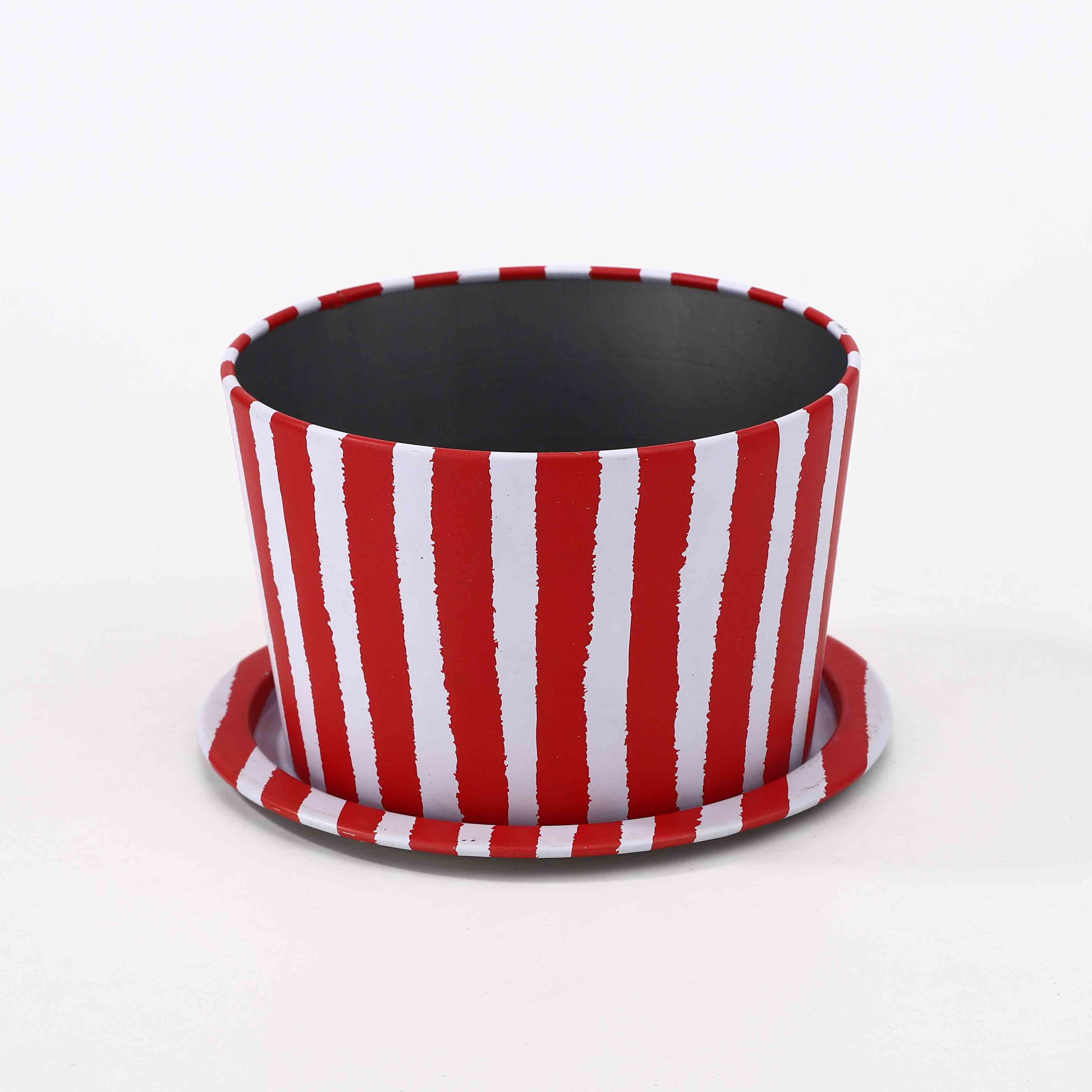
Customization and proofs
Sizes, bespoke cake silhouettes, deep emboss, spot UV, even clear windows—possible with the right die set. Pre-production typically includes digital proof, wet proof for color, and a first-off sample. Honestly, pushing for a cross-hatch adhesion and a short salt spray check on your exact varnish stack is worth the week.
Case note
A European patisserie swapped folding cartons for tins before Mother’s Day. With 0.23 mm walls and matte gold lid, damage claims fell by ≈30%, and gift reuse ratings spiked in reviews. Not a miracle—just smart packaging doing its job.
Certifications and standards to look for: ISO 9001 quality systems, food-contact compliance (EU Framework 1935/2004; FDA 21 CFR 175.300 for coatings), ASTM D3359 adhesion, ASTM B117 corrosion screening. Recyclability is inherent to steel; check local streams.
- ISO 9001: Quality management systems
- ASTM D3359: Standard Test Methods for Measuring Adhesion by Tape Test
- ASTM B117: Standard Practice for Operating Salt Spray (Fog) Apparatus
- EU 1935/2004 and FDA 21 CFR 175.300: Food-contact materials/coatings
-
Discover the Best 5 Quart Metal Bucket – Durable, Practical & Versatile
NewsDec.03,2025
-
Buy Quality Best Tin Jars Wholesale: Durable, Sustainable, Cost-Effective Packaging
NewsDec.03,2025
-
The Best Tin Serving Tray: Durable, Sustainable, and Globally Trusted Options
NewsDec.03,2025
-
The Vital Role and Benefits of Tin Boxes in Global Packaging Markets
NewsDec.02,2025
-
The Practical Benefits and Global Impact of the Bucket on Wheels
NewsDec.02,2025
-
Comprehensive Guide to Paint on Tin Can: Industry Insights & Global Impact
NewsDec.02,2025