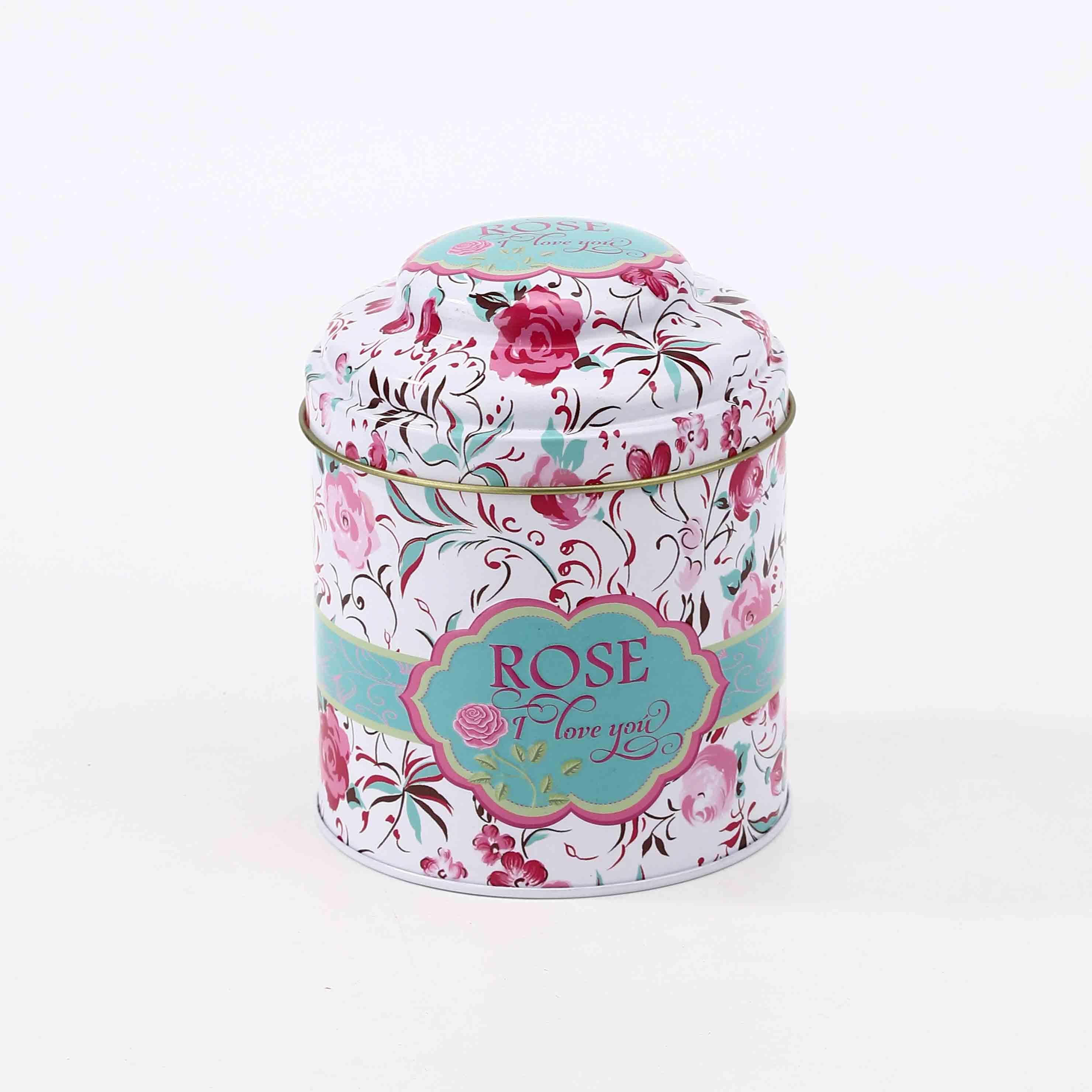

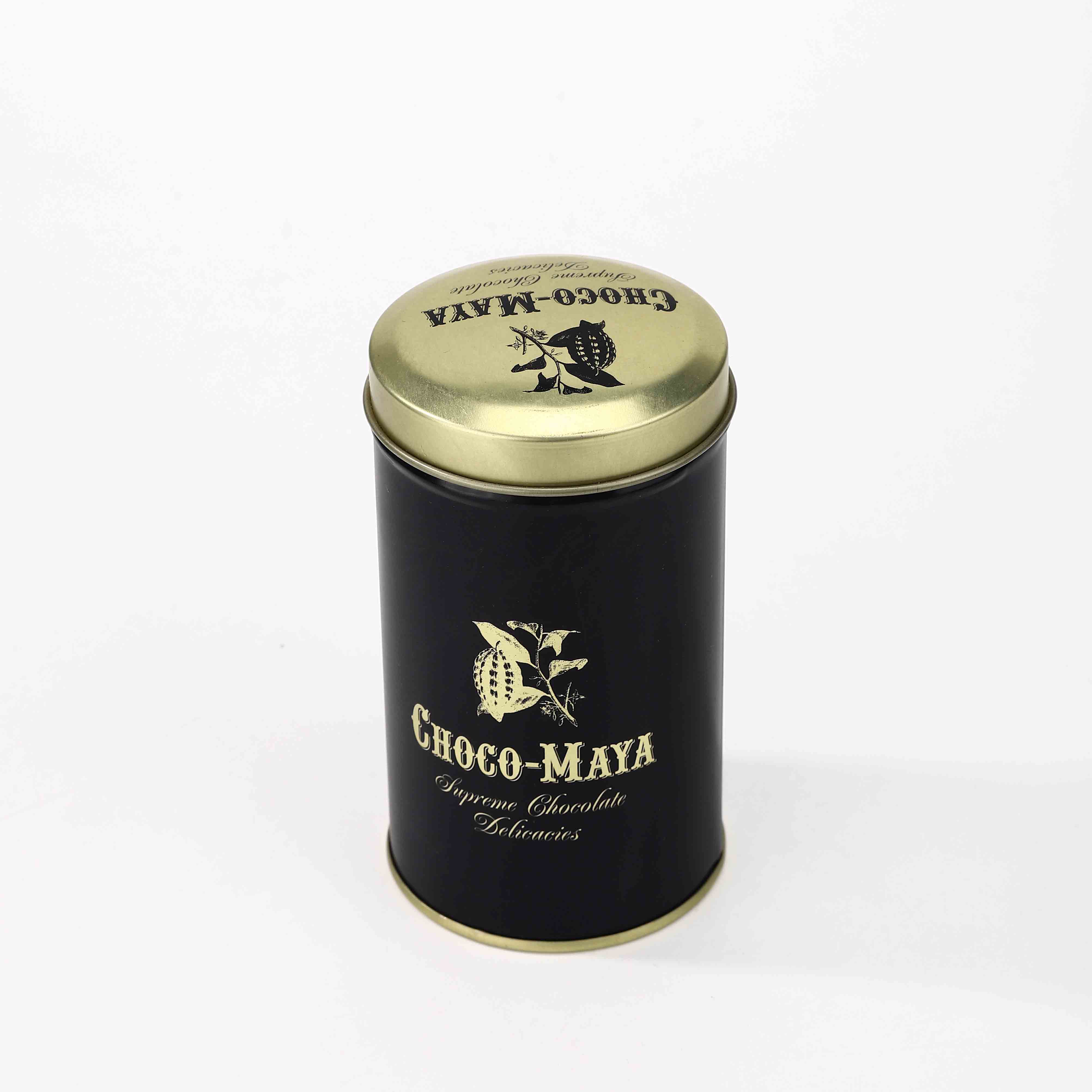
The commercial landscape of Equatorial Guinea is characterized by a strong reliance on imported consumer goods and a growing local food processing sector. Due to the high humidity and salt-laden air typical of the Gulf of Guinea region, packaging must offer superior barrier properties. This environment makes tin food cans an essential choice for local distributors to prevent oxidation and spoilage, ensuring that food supplies remain safe during transport from ports to inland markets.
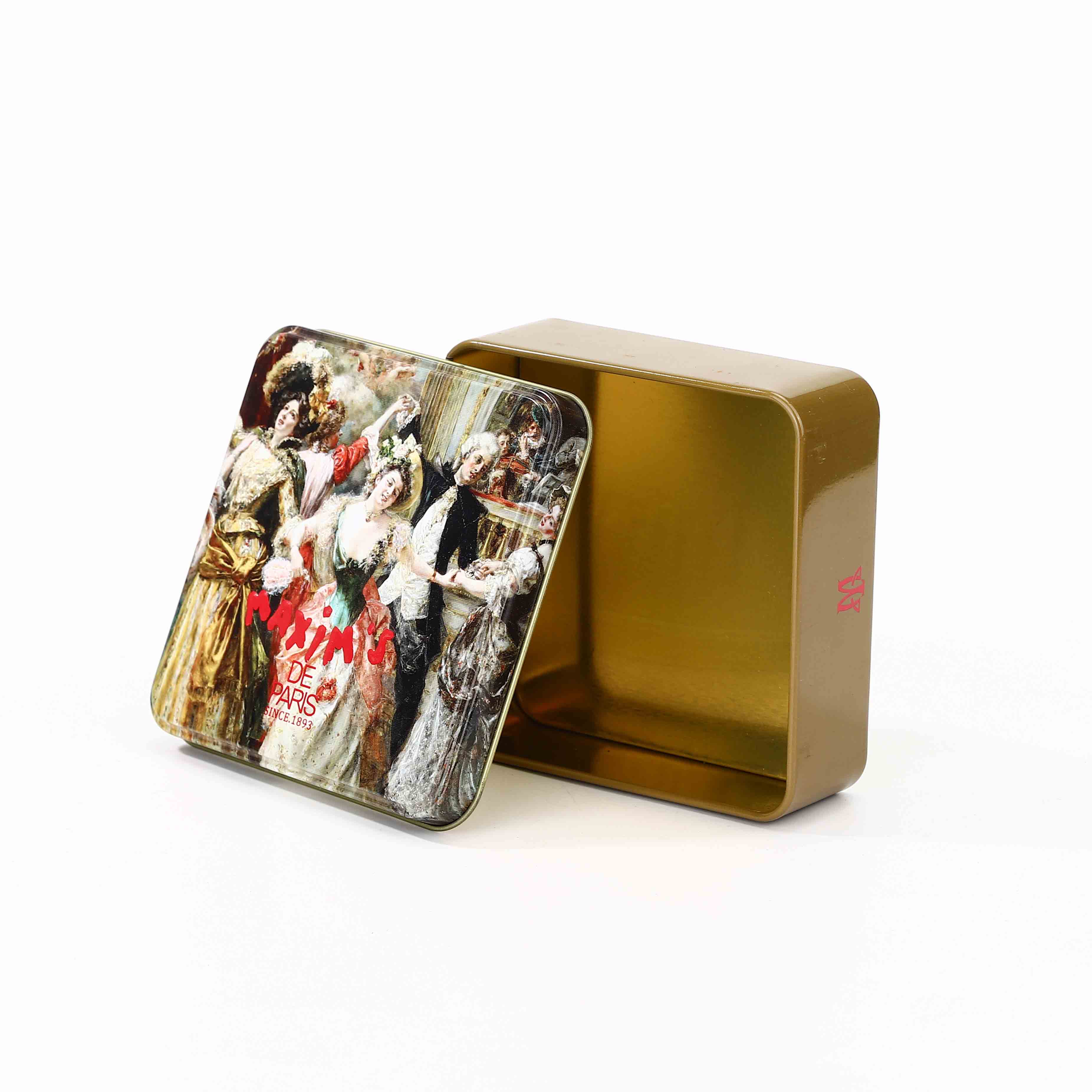
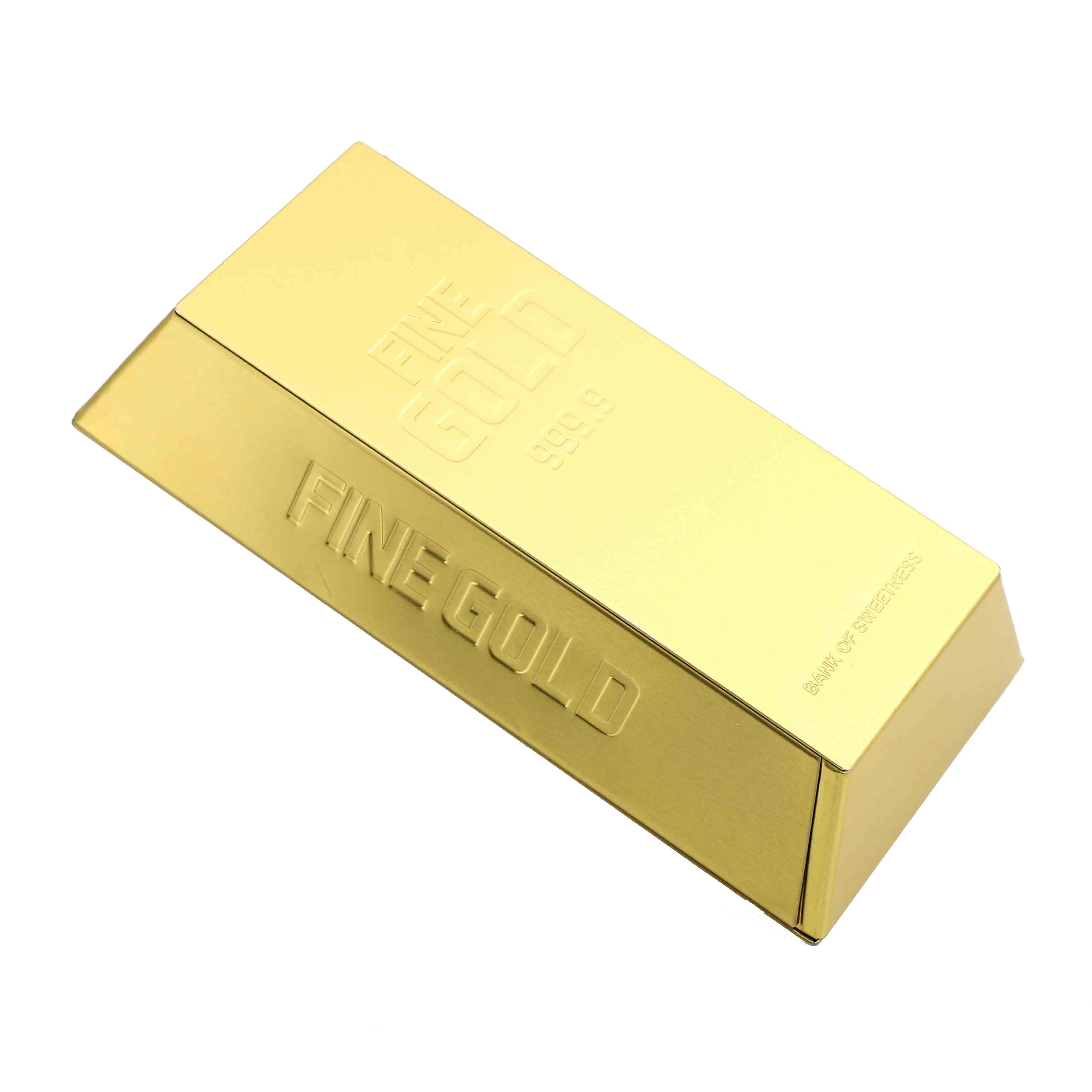
Furthermore, the rise of urban centers like Malabo and Bata has stimulated a demand for sophisticated retail packaging. Consumer preferences are shifting toward premium aesthetics for specialty goods. For instance, the confectionery and gift markets increasingly require rectangular cookie tins that can withstand the rigors of local logistics while maintaining a high-end shelf presence. This transition reflects a broader move toward packaging that serves both as a protective shell and a marketing tool.
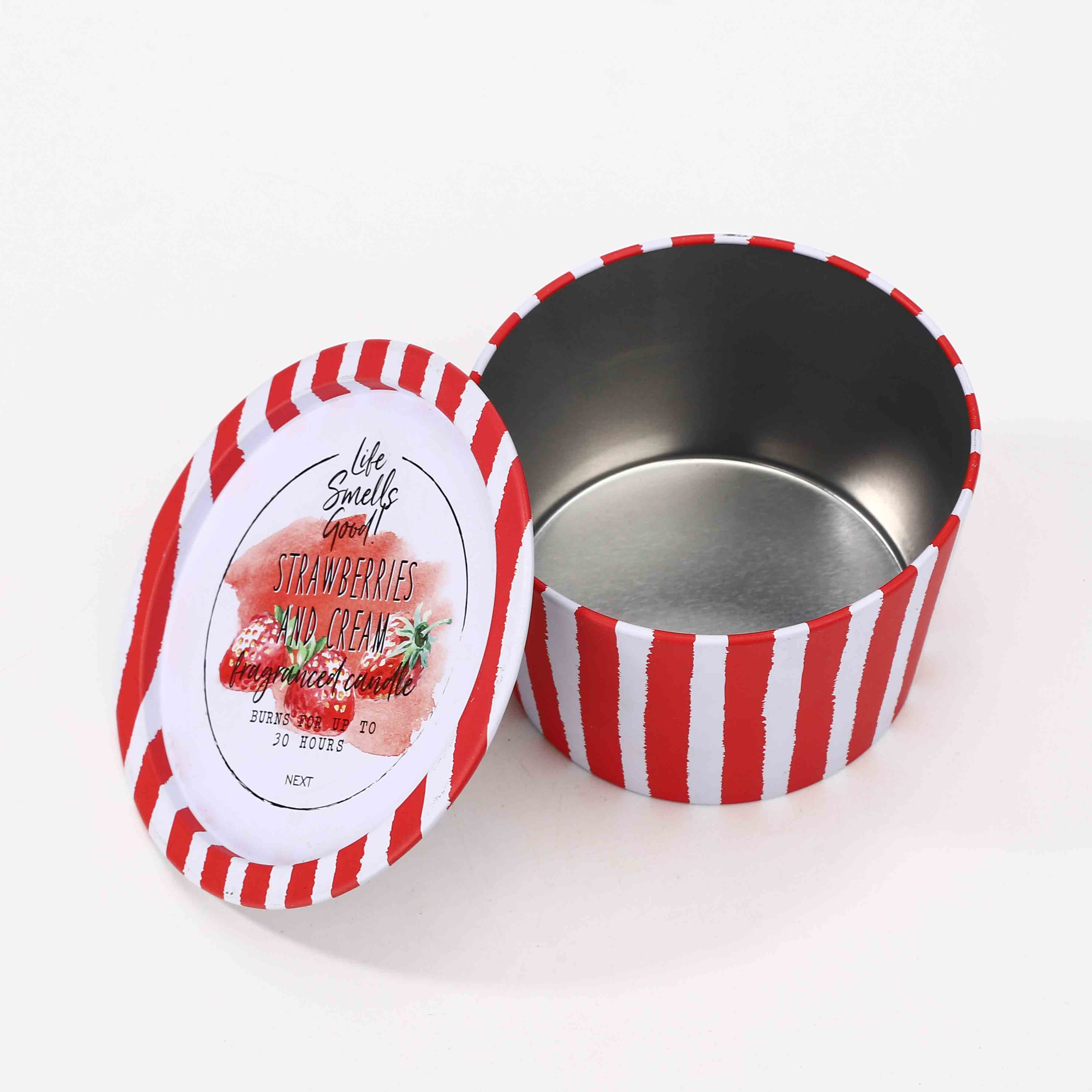
From an industrial perspective, the need for specialized storage is evident in the maintenance and construction sectors. The use of painting tin cans is critical for protecting chemical coatings from the extreme tropical heat. As local businesses seek to optimize their supply chains, the adoption of fully integrated, lean manufacturing processes for custom metal containers is becoming a key strategy to reduce lead times and ensure consistent quality across various volumes of production.