Regional Analysis
The Landscape of Luxury Packaging in Qatar
Analyzing the intersection of premium consumer demand and technical packaging requirements.
The Qatari market is characterized by a high concentration of luxury consumer goods, where packaging serves as a primary touchpoint for brand identity. In the confectionery and specialty food sectors, there is a strong preference for durable, aesthetically superior containers. Due to the regional economy's focus on high-end imports and hospitality, the demand for specialty compound packaging—combining metal with luxury finishes—is significantly higher than in general consumer markets. This creates a need for manufacturers who can provide both structural integrity and artistic sophistication.
Current market trends show a decisive shift toward "Eco-Luxury." Brands are moving away from plastic-based luxury boxes toward infinitely recyclable materials like aluminum tins. This transition is driven by both environmental consciousness and the physical properties of metal, which offers superior protection against the Gulf's heat. Furthermore, there is an increasing demand for "interactive" packaging, featuring 3D embossing and unique closure styles (such as butterfly openings) to enhance the unboxing experience for the end consumer.
Despite the opportunities, the market faces constraints related to lead times and customization flexibility. Most regional operators rely on standard imports, which limits their ability to innovate quickly. This creates a significant opportunity for integrated manufacturers who can provide CAD-led design and rapid molding. The outlook for the Qatari packaging sector is leaning toward hyper-customization, where packaging is no longer just a container but a strategic tool for branding, transport, and long-term preservation of high-value goods.
Industry Progression
Evolution of Metal Container Technology
Tracing the shift from basic storage to strategic brand assets.
Standardization Phase
Functional Utility
Early metal packaging focused primarily on preservation and airtight sealing for food safety, utilizing simple cylindrical shapes with basic lids.
Design Integration
Brand Aesthetic
The introduction of lithography and custom molding allowed for diverse shapes and vibrant printing, turning the tin into a marketing tool.
Modern Era
Eco-Precision
Current focus on lean manufacturing, CAD-driven precision, and infinite recyclability to meet global sustainability and luxury standards.
From Manual to Automated Precision
The industry has transitioned from labor-intensive stamping to highly automated lines. This shift ensures that a batch of 3 million units maintains the same micron-level precision as a prototype, essential for airtight seals in pharmaceutical and food grade tins.
Material Diversification
Packaging is evolving from single-material containers to complex compound structures. Integrating metal with wood or paper allows for tailored protection and a unique tactile experience, catering to the ultra-luxury segment.
The Rise of Circular Economy
Metal packaging is now positioned as the most eco-efficient choice. Because tinplate and aluminum can be recycled indefinitely without quality loss, the industry is replacing single-use plastics in the luxury sector.
Future Outlook
Emerging Directions in Metal Packaging
How technology and consumer behavior are redefining the container industry.
Hyper-Customized Geometries
Moving beyond round and square to organic, brand-specific shapes. CAD integration allows for complex forms that reflect product identity, increasing shelf appeal.
Tactile Sensory Finishes
Growth in 3D embossing and varied varnishes. The shift is toward "feeling" the brand, utilizing matte, glossy, and cracked textures to communicate quality.
Specialized Functional Closures
Innovation in lid mechanics, including hinged lids, screw tops, and butterfly openings, to improve user convenience and product accessibility.
Infinite Cycle Recyclability
Moving toward a closed-loop system where metal containers are recovered and reused without loss of technical grade, reducing carbon footprints.
The convergence of these trends indicates a shift toward packaging that is as valuable as the product it contains. In high-competition markets like Qatar, the "container-as-a-gift" concept is becoming prevalent, where the metal cake tins with lids are designed to be kept and reused by the consumer long after the product is consumed, extending the brand's presence in the home.
Technically, this is enabled by a move toward leaner, more flexible manufacturing processes. By integrating CAD design directly with automated production, manufacturers can now offer low-volume, high-complexity designs that were previously cost-prohibitive. This agility allows brands to react to market trends in real-time, creating limited-edition releases that drive urgency and exclusivity.
Application Cases
Metal Packaging in Practical Applications
How specialized containers solve specific operational and branding challenges.
01
Luxury Confectionery in Doha Retail Centers
High-end chocolate brands in Doha require packaging that maintains temperature stability and prevents crushing during transport. By utilizing customized tinplate containers with high-density seals and 3D embossed branding, these companies ensure that their luxury products arrive in pristine condition while creating a premium unboxing experience that justifies a luxury price point.
02
Pharmaceutical Preservation for Gulf Climates
Medical suppliers distributing specialized compounds across Qatar face the challenge of extreme heat. Aluminum tins are deployed as the primary packaging due to their superior light-blocking and thermal properties. Integrated lean manufacturing ensures that these containers meet strict pharmaceutical tolerances, preventing oxidation and ensuring the long-term potency of the contents.
03
Specialty Tea and Coffee Boutique Branding
Artisan coffee roasters in Qatar's urban districts use tin food cans with precision-fit lids to lock in volatile aromas. The use of matte varnishes and custom shapes allows these boutiques to differentiate their organic blends from mass-market alternatives, leveraging the tactile quality of metal to communicate craftsmanship.
04
Cosmetic Gift Sets for Seasonal Festivals
During major holiday seasons, luxury cosmetic brands launch limited-edition gift sets. By employing a compound packaging approach—combining a metal base with an elegant wooden or paper exterior—brands can create a multi-sensory experience. The metal interior provides the necessary protection for creams and perfumes, while the outer layer adds an element of prestige and tradition.
05
Corporate Gifting for Government Entities
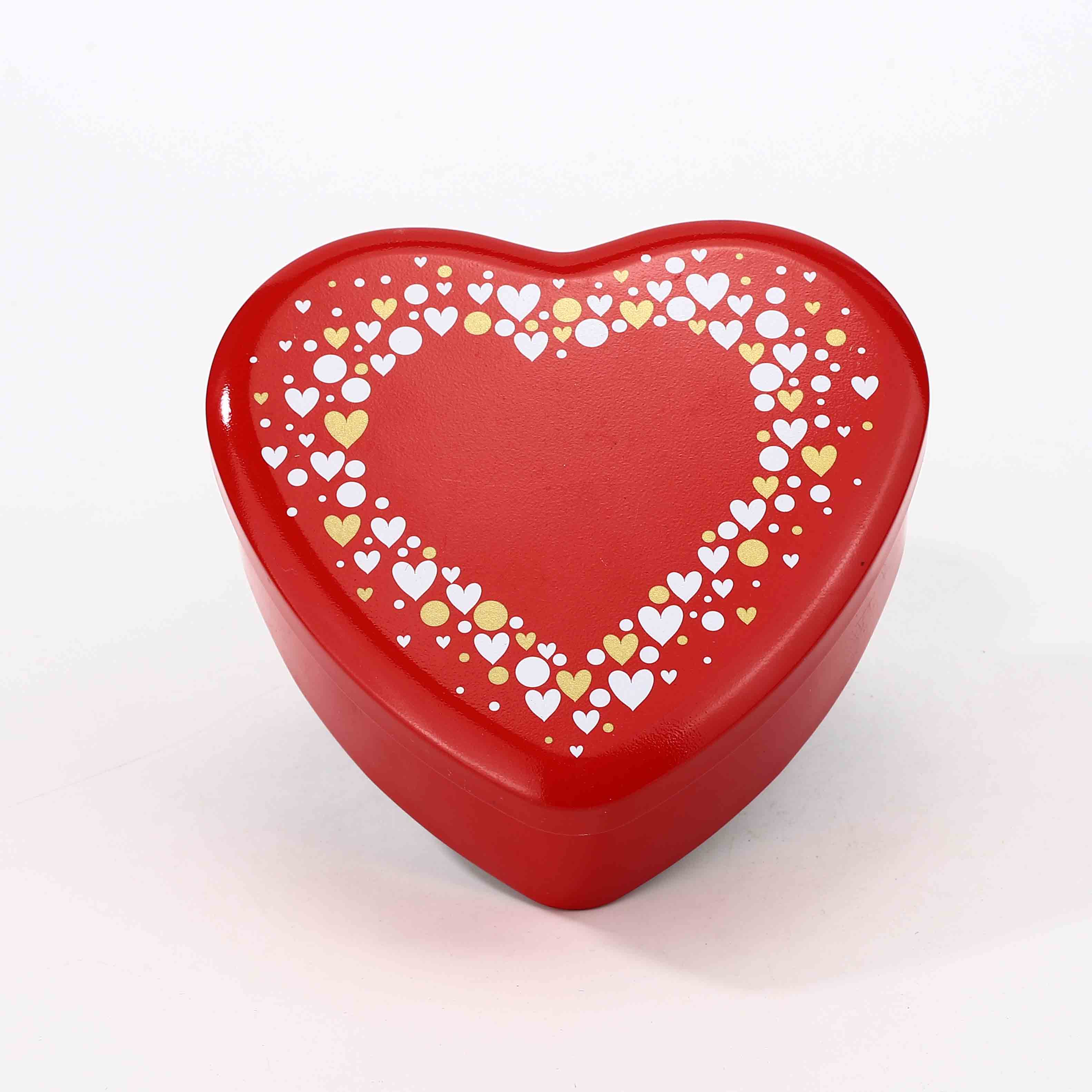
For high-level corporate gifting in Qatar, custom-shaped metal containers (such as heart or oval tins) are used to hold specialty dates or sweets. The requirement for absolute consistency across large volumes is met through automated production lines, ensuring that every gift delivered to a government official maintains a flawless, high-gloss finish.
Proven Impact
Representative Implementation Scenarios
Illustrating how professional metal packaging solves real-world commercial problems.
For luxury confectionery, the transition to custom-molded tinplate significantly reduced product spoilage during transit in high-temperature zones. The integration of 3D embossing not only protected the contents but transformed the packaging into a collectible item for the customer, effectively increasing brand loyalty.
In the pharmaceutical sector, the shift to aluminum containers ensured that sensitive compounds remained stable. The ability to scale from a small trial batch to a high-volume run without any loss in seal precision was critical for our regulatory compliance and distribution timeline.
Implementing compound packaging—mixing metal with wooden elements—allowed us to position our gift sets as ultra-premium. The lean in-house design process reduced our time-to-market for seasonal collections, allowing us to hit peak shopping windows with precision.
Our Legacy
Longzhitai: Engineering Packaging Excellence
A family-owned enterprise blending traditional quality with state-of-the-art automation.
Foundation
Establishment of Core Expertise
Longzhitai began as a focused manufacturer of metal packaging, building a reputation for quality and reliability in the tinplate sector. The company focused on mastering the fundamentals of metal stamping and sealing for a variety of consumer goods.
Expansion
Technological Diversification
The company expanded its capabilities to include aluminium tins, paper, and wooden packaging, evolving into a provider of specialty compound packaging. This allowed them to serve higher-value sectors such as pharmaceutical and caviar packaging.
Scale-Up
Automation and Global Reach
Implementing 5 high-speed production lines and growing a team of 160 professionals, including 20 specialized technologists. The company now achieves a monthly output of over 3 million units, serving global markets.
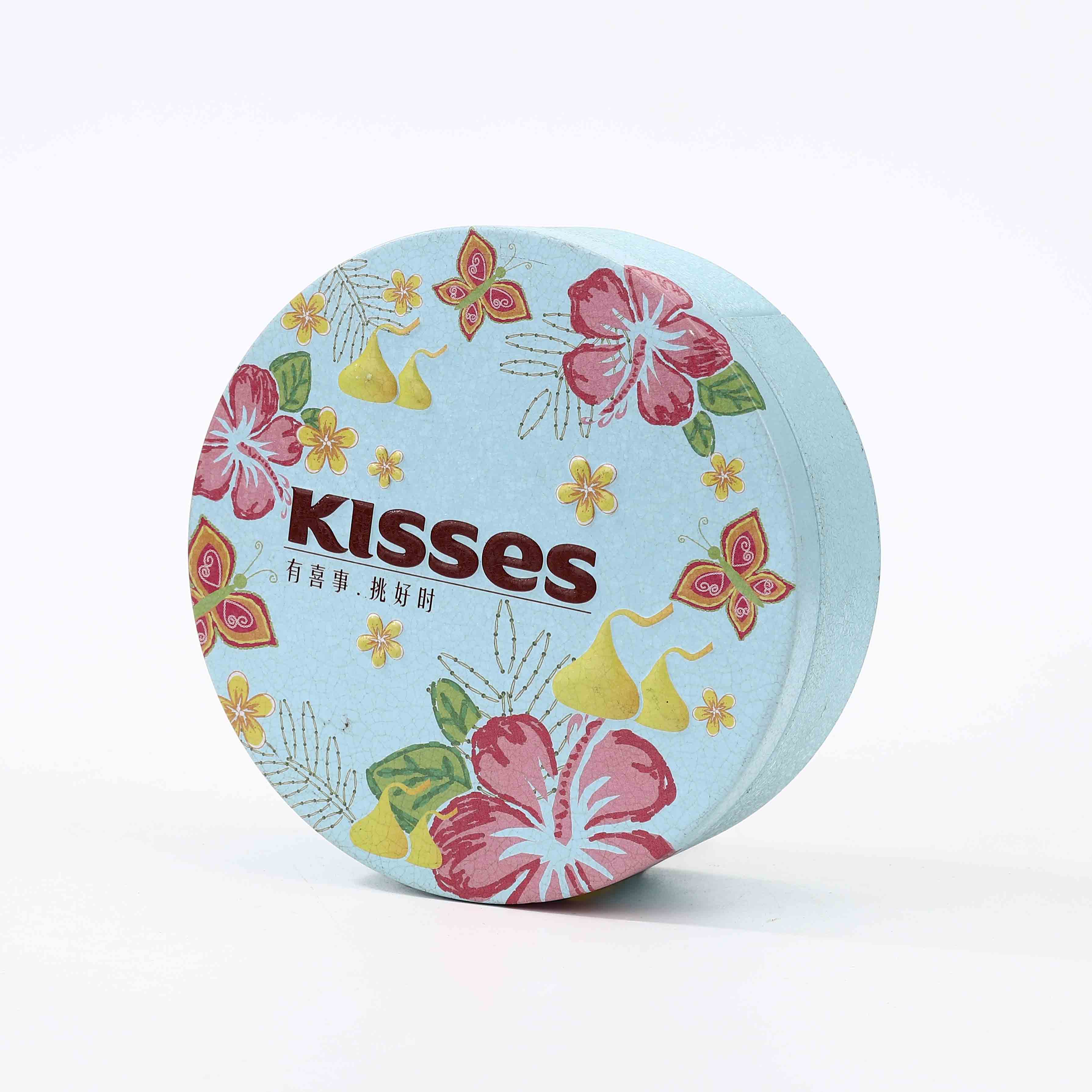
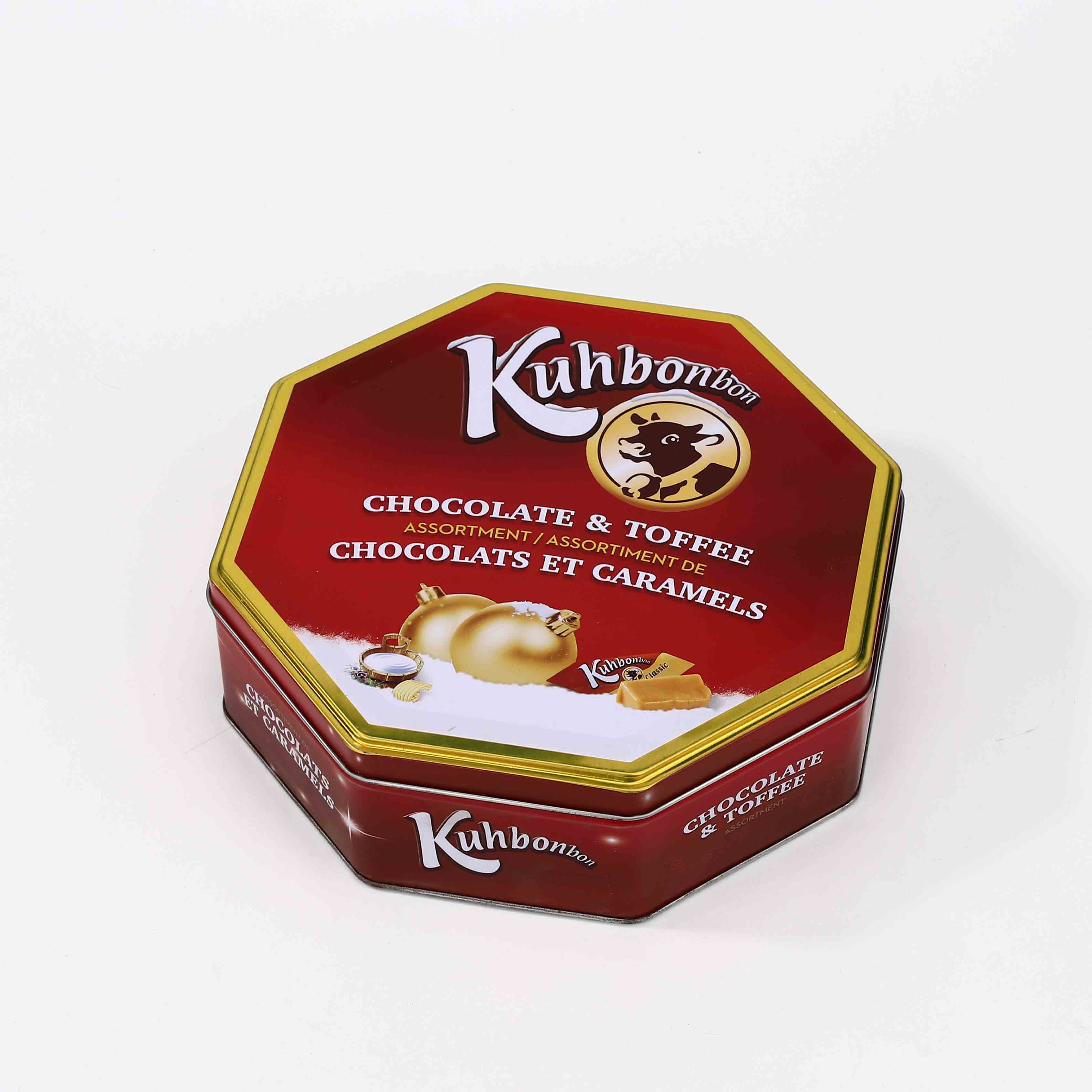
Round Shape Welding Candy Tin Box with Embossing
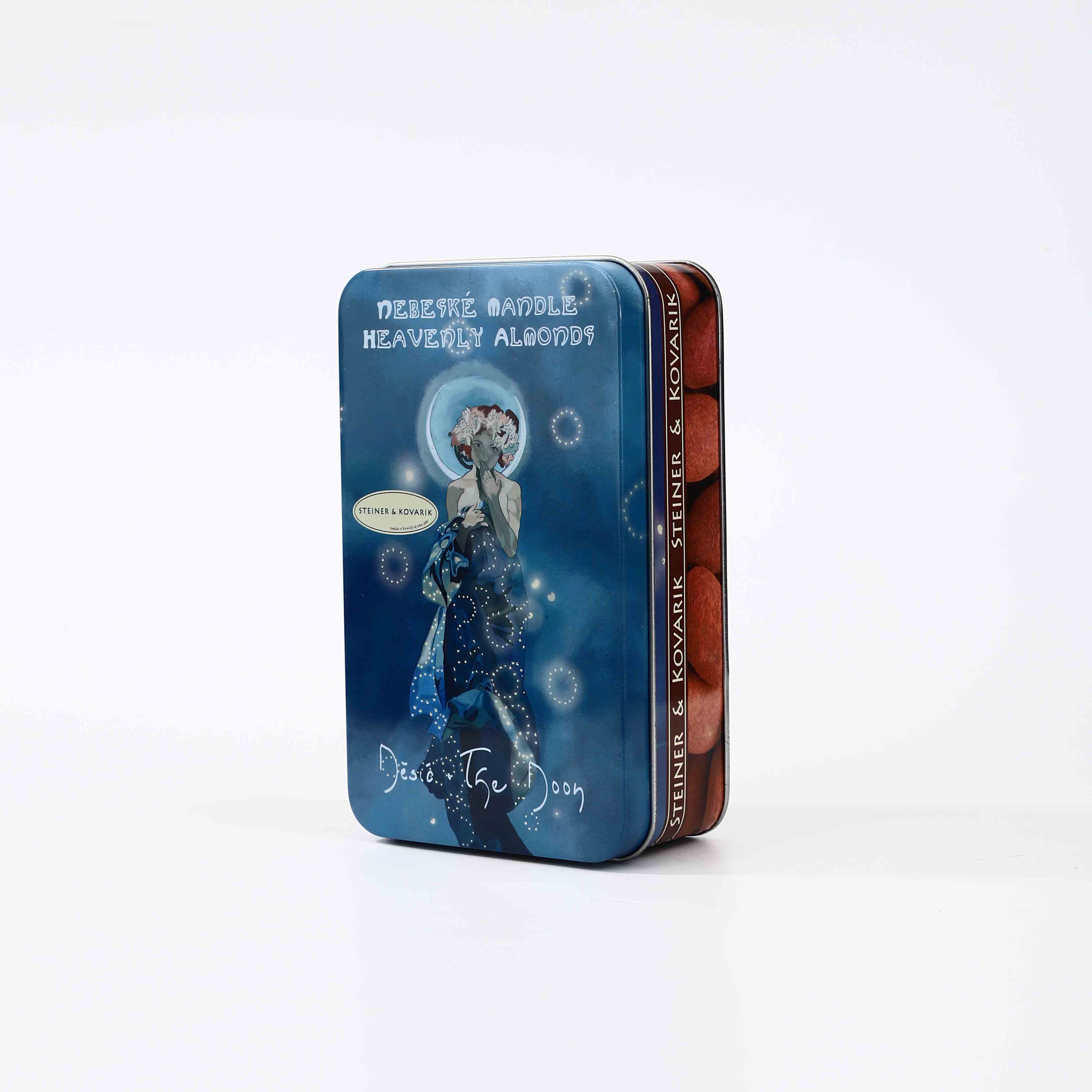
Rectangle Tin Box
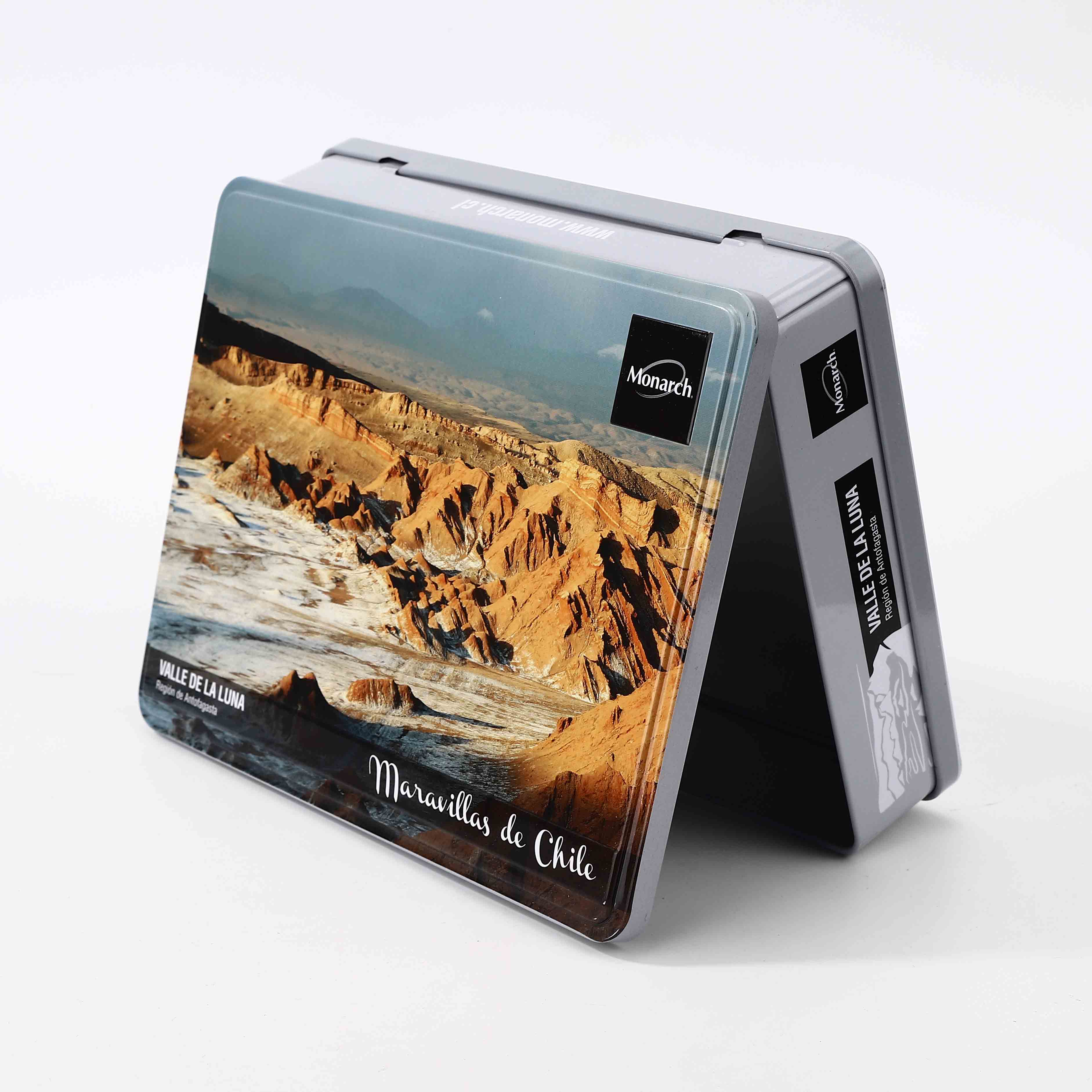
Rectangle Hinge Lid Tin Box
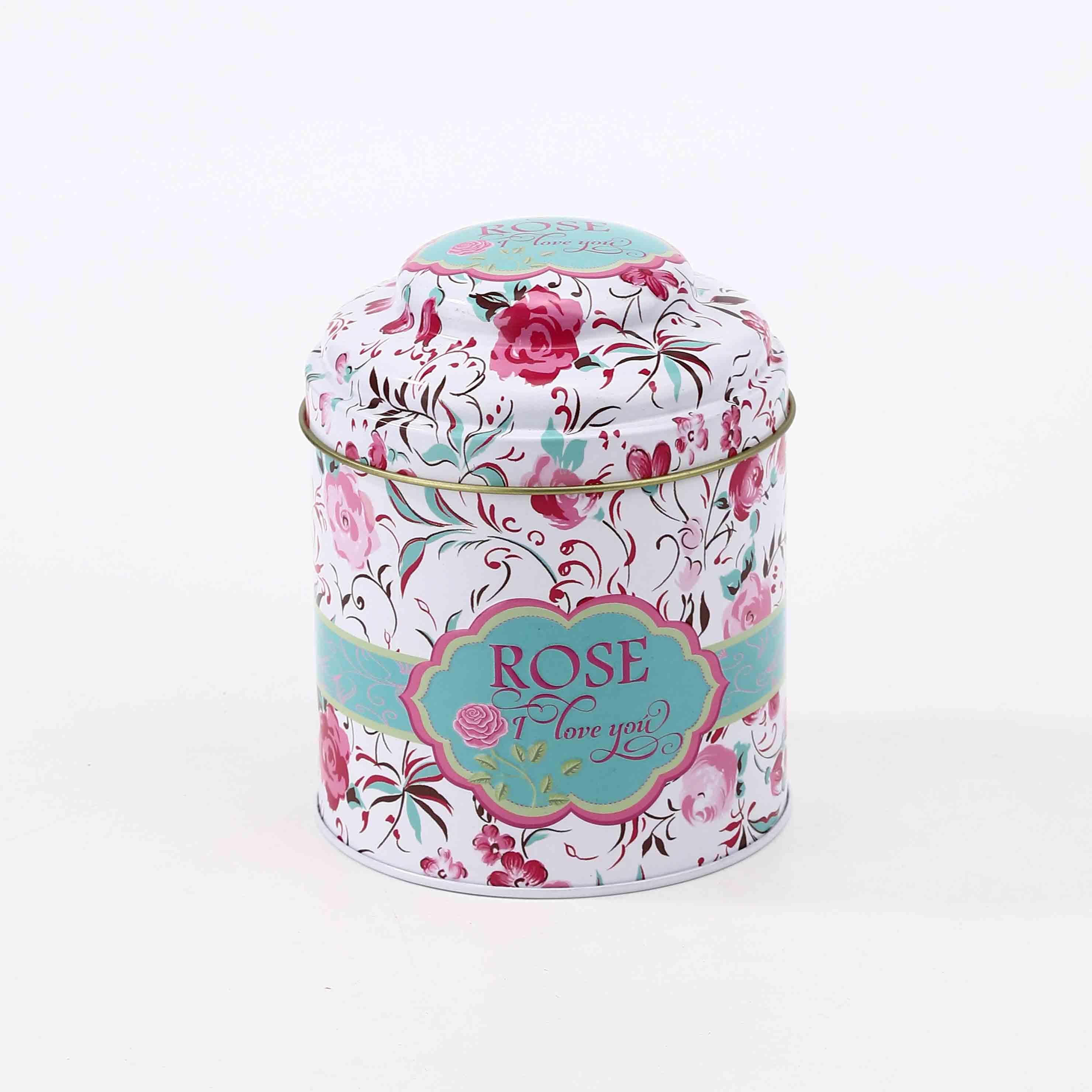
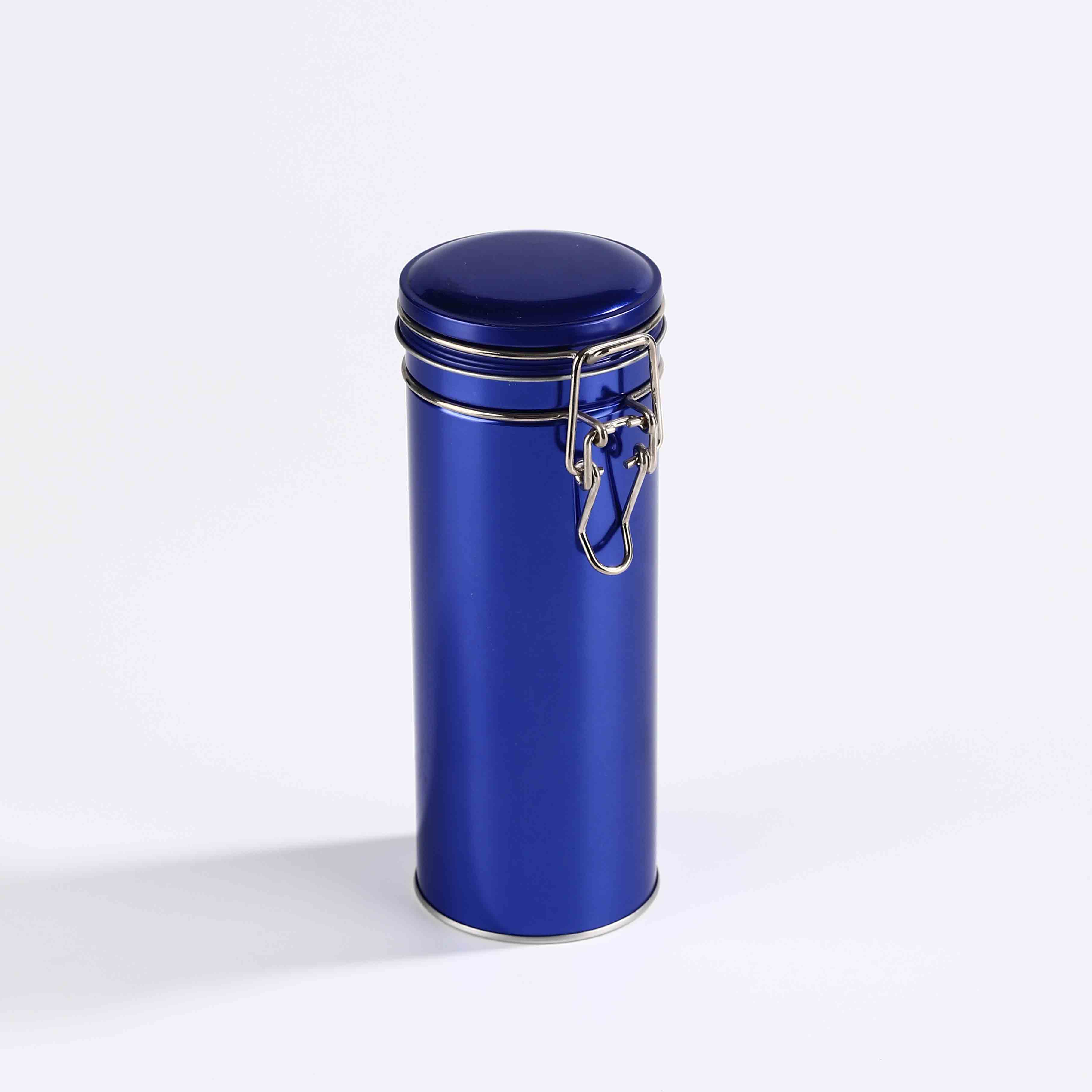
Small Size Tea Tin Box
Technical Q&A
Metal Packaging Frequently Asked Questions
Expert answers to the most common technical and commercial inquiries regarding customized tin containers.
What are the primary differences between tinplate and aluminium containers for food storage?
Tinplate is steel coated with a thin layer of tin, offering excellent structural strength and durability, making it ideal for painting tin cans for luxury confectionery. Aluminium is naturally corrosion-resistant, lighter in weight, and provides a superior barrier against light and oxygen, which is critical for pharmaceutical or high-end coffee products. The choice depends on whether your priority is structural rigidity or lightweight, non-corrosive properties.
Can we request completely custom shapes beyond the standard rectangular or round options?
Yes. Our facility is equipped with a full CAD-design process and in-house mold making. We can produce containers in heart, oval, or any brand-specific geometry. The process begins with a digital design, followed by the creation of a new custom mold, and then precision stamping. This allows brands to move beyond generic packaging and create a unique physical identity that resonates with their target audience.
How does the customized packaging process work for a new brand entering the Qatari market?
The process follows a lean, integrated workflow: first, our design technologists collaborate with you to define the product's dimensions and aesthetic goals. Second, we create CAD blueprints and prototype molds. Third, we select the material (tinplate, aluminum, or compound) and finish (matte, glossy, or 3D embossed). Finally, the design is moved to our automated production lines for consistent high-volume output, ensuring the packaging is optimized for regional transport and storage conditions.
What specialized finishes are available to enhance the luxury feel of the metal containers?
We offer a variety of technical finishes to elevate the consumer experience. These include 3D embossing to create tactile brand elements, and a range of varnishes such as high-gloss for a polished look, matte for a modern sophisticated feel, or "cracked" textures for artistic effect. Additionally, we can implement different closure styles, such as butterfly openings or hinged lids, to add functional luxury to the product.
Is metal packaging truly a sustainable alternative to plastic for luxury gift sets?
Absolutely. Metal packaging is among the most eco-efficient choices because it is infinitely recyclable. Unlike plastics, which degrade in quality each time they are processed, tinplate and aluminium can be recycled indefinitely without losing their technical properties. For luxury brands, this provides a "circular" value proposition where the packaging is not only a protective shell but a sustainable asset that can be repurposed or fully recycled.
What is the typical lead time for high-volume custom orders, and how is quality maintained?
Lead times vary based on the complexity of the mold, but our integrated in-house process significantly reduces delays by eliminating third-party dependencies. Quality is maintained through five automated production lines and a dedicated team of 20 technologists who monitor tolerances and print consistency. With a monthly capacity of 3 million units, we utilize lean manufacturing principles to ensure that the millionth unit is identical in quality to the first prototype.
Start Your Project
Elevate Your Brand with Precision Metal Packaging in Qatar
Whether you are launching a luxury confectionery line or requiring specialized pharmaceutical containers, Longzhitai provides the technical expertise to turn your vision into a physical reality. Our integrated CAD-to-production workflow ensures that your packaging is not only aesthetically stunning but also perfectly optimized for the Qatari environment and global transport. Contact us to discuss your material requirements and custom mold designs.
Discuss Your Requirements