

Mar . 07, 2026 01:55 Back to list
Discover the Best Custom Tin Packaging Solutions for Your Brand
Best Custom Tin Packaging: A Comprehensive Guide
In the competitive world of product presentation, custom tin packaging stands out as a premium and versatile solution. Offering superior protection, a touch of elegance, and excellent branding opportunities, custom tins are increasingly favored by businesses across various industries. This article delves into the benefits, design options, manufacturing processes, and key considerations when choosing the best custom tin packaging for your products. We’ll explore why these tins are a worthwhile investment for product success.
Why Choose Custom Tin Packaging?
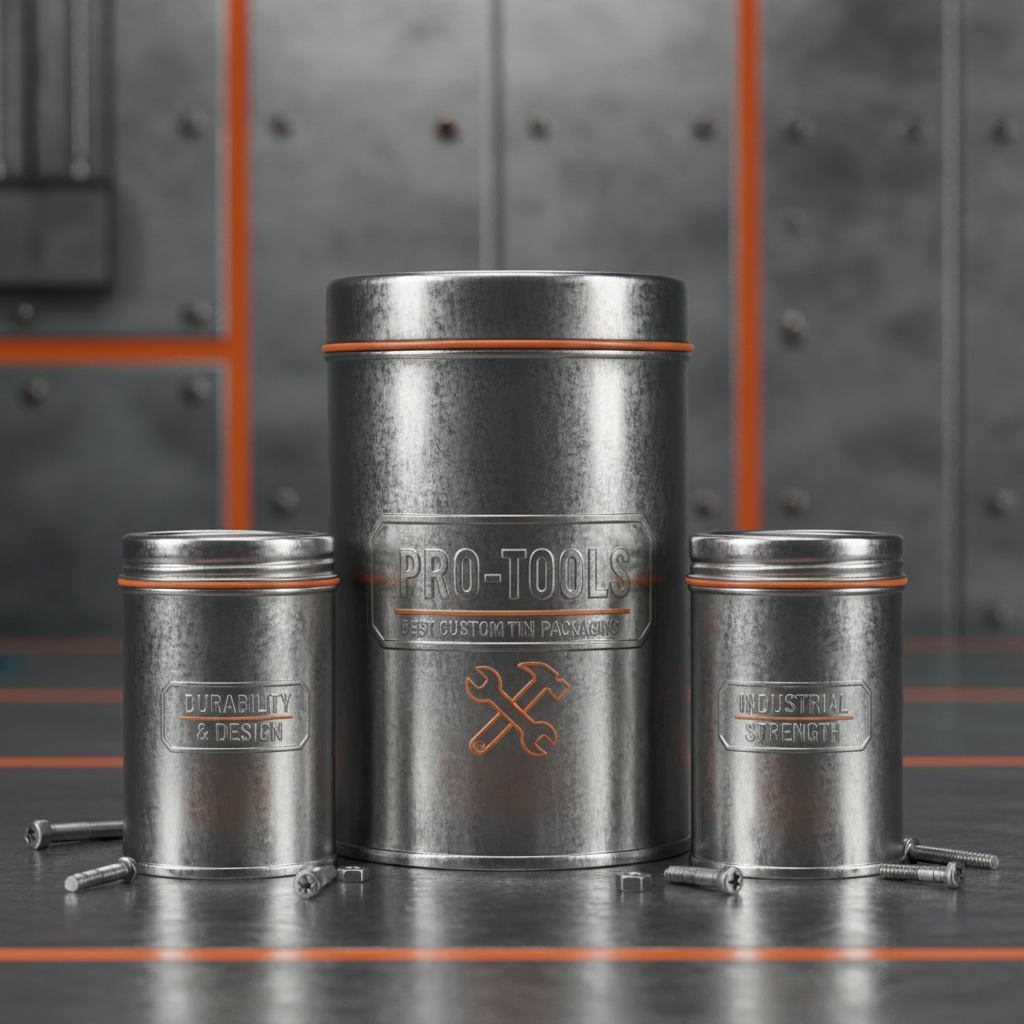
Custom tin packaging offers a multitude of advantages over traditional packaging materials. Tins are remarkably durable, protecting products from damage during shipping and handling. They are also completely recyclable, aligning with sustainability goals and appealing to eco-conscious consumers. Furthermore, the smooth surface of tins provides an excellent canvas for high-quality printing, allowing for vibrant branding and eye-catching designs. Unlike plastic or cardboard, tin doesn't easily dent or tear, preserving the integrity of your product and enhancing its perceived value. A well-designed tin can become a collectible item, extending brand engagement long after the product is consumed. Investing in custom tin packaging is an investment in your brand’s image and product protection.
Key Benefits: Durability, recyclability, excellent print quality, enhanced brand presentation, and long-lasting impact.
Design Options for Your Custom Tins
The possibilities for designing custom tin packaging are virtually endless. Tins can be manufactured in a wide range of shapes and sizes, from simple rectangular boxes to intricate custom forms. Finishes include matte, glossy, and textured coatings, each offering a different aesthetic appeal. Printing options encompass offset printing, embossing, and even textured printing for a unique tactile experience. You can also incorporate features like hinged lids, sliding trays, and window cutouts to further enhance the packaging’s functionality and visual appeal. Consider your brand identity and target audience when making design choices. A sleek, minimalist design might suit a high-end cosmetic product, while a vibrant, playful design might be more appropriate for children’s toys. Packaging-help.com offers design assistance to help bring your vision to life.
Design Considerations:
• Shape & Size: Tailored to your product’s dimensions.
• Finishes: Matte, glossy, textured.
• Printing: Offset, embossing, textured.
• Features: Hinged lids, sliding trays, window cutouts.
Custom Tin Packaging vs. Other Materials: A Comparison
When evaluating packaging options, it's crucial to compare custom tin packaging with alternatives like plastic, cardboard, and glass. While each material has its strengths and weaknesses, tin consistently delivers a compelling combination of benefits. Cardboard is cost-effective but offers limited protection against moisture and damage. Plastic is durable and lightweight, but raises environmental concerns. Glass provides an elegant aesthetic but is fragile and heavy. Custom tin packaging strikes a balance, offering durability, recyclability, and a premium look and feel. Below is a comparative overview.
The Manufacturing Process: From Design to Delivery
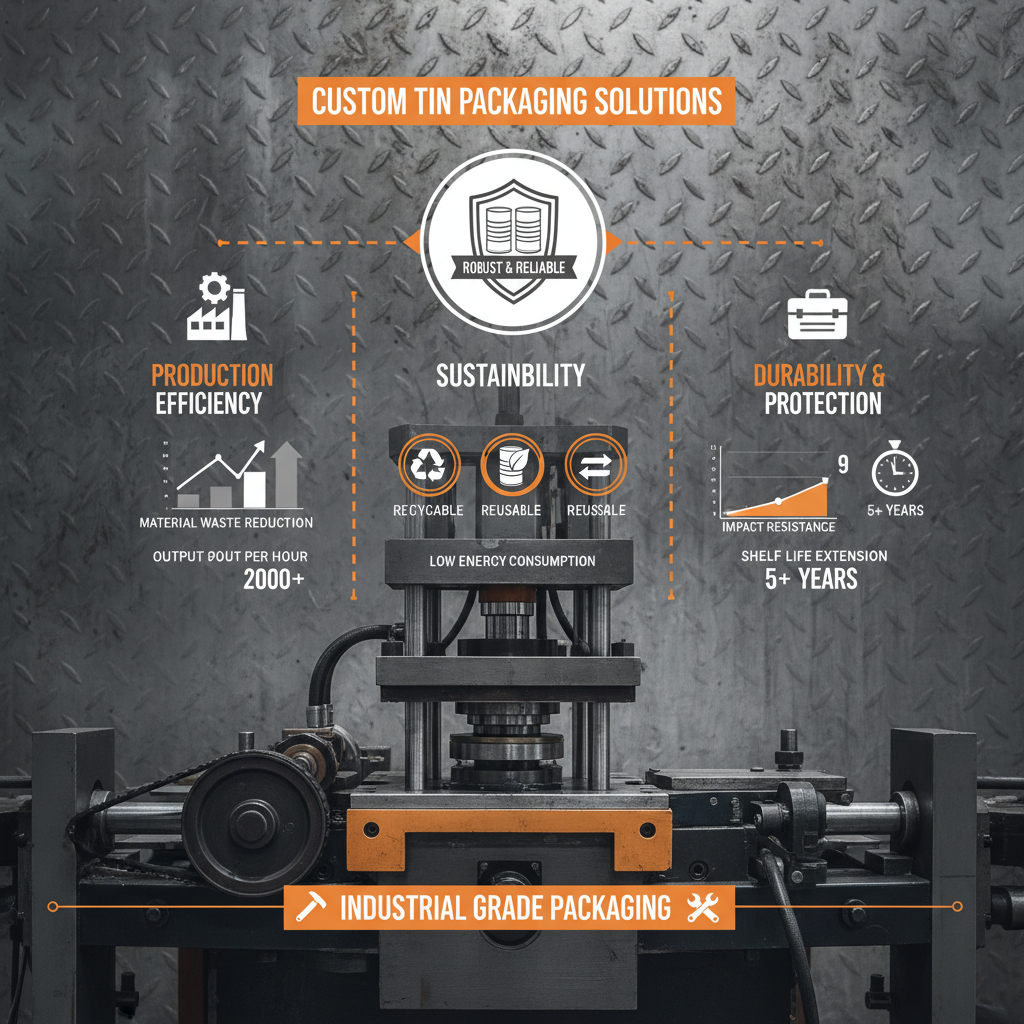
The production of custom tin packaging typically involves several stages. It begins with design refinement and artwork preparation. Once approved, a tooling process creates the precise mold for your tin. Sheet metal is then cut and formed into the desired shape. Printing is applied using offset lithography, ensuring vibrant and durable graphics. Finally, the tins are assembled, inspected for quality, and packaged for shipment. Packaging-help.com manages this entire process, ensuring timely delivery and consistent quality.
Key Considerations When Ordering Custom Tin Packaging
Before placing an order, consider factors like lead times, minimum order quantities (MOQs), and shipping costs. Lead times can vary depending on the complexity of the design and the volume of the order. MOQs are typically higher for custom tins compared to stock packaging. Obtain quotes from multiple suppliers to compare pricing and services. Clearly communicate your specifications and expectations to the manufacturer to ensure a satisfactory outcome. Finally, consider the environmental impact and choose a supplier committed to sustainable practices.
Conclusion: Elevate Your Brand with Custom Tin Packaging
Investing in custom tin packaging is a strategic move for businesses seeking to enhance their brand image, protect their products, and appeal to eco-conscious consumers. With a wide range of design options and manufacturing capabilities, tin packaging offers a versatile solution for diverse industries. Choose Packaging-help.com for a partner committed to quality, innovation, and customer satisfaction.
Frequently Asked Questions (FAQs)
What is the typical lead time for custom tin packaging orders?
Lead times can vary depending on the complexity of the design, the quantity ordered, and the manufacturer’s current workload. Generally, you can expect a lead time of 4-8 weeks from artwork approval to delivery. It’s best to plan ahead and place your order well in advance of your anticipated launch date. Factors such as tooling requirements for unique shapes can also extend the lead time. Contacting Packaging-help.com provides a personalized timeline for your specific needs.
What is the minimum order quantity (MOQ) for custom tins?
MOQs for custom tin packaging typically range from 1,000 to 5,000 units, depending on the tin size, shape, and complexity of the design. Larger orders generally result in lower per-unit costs. If you require a smaller quantity, you might consider exploring semi-custom options or stock tins with custom labels. Packaging-help.com offers flexible options to meet different order volumes.
Can I get a sample of my custom tin before placing a full order?
Yes, most manufacturers offer a sampling service, allowing you to review a physical prototype of your custom tin before committing to a full production run. This is an essential step to ensure the design, colors, and overall quality meet your expectations. There is typically a charge for the sample, which is often credited towards your final order. Packaging-help.com provides detailed sampling options and quick turnaround times.
Are custom tin tins food-safe?
Yes, the tin itself is generally considered food-safe. However, the internal coating is crucial. Ensure the manufacturer uses a food-grade lacquer or coating that prevents direct contact between the food and the tin metal. This coating must comply with relevant food safety regulations. Always request certification or documentation from the manufacturer to verify the coating’s food-safe properties.
-
How to Choose the Best Plastic Ice Buckets for Your Business
NewsApr.16,2026
-
Guide to Choosing the Best Painting Tin Cans for Professional Results
NewsApr.09,2026
-
Finding the Best Tin Can Man For Quality Metal Packaging Solutions
NewsApr.07,2026
-
Discover the Best Cookie and Candy Tins for Gifting and Storage
NewsApr.04,2026
-
Discover the Best Metal Pails with Lids for Secure Product Packaging
NewsMar.31,2026
-
Discover the Best Tin Small Packaging Solutions for Your Products
NewsMar.28,2026