

Sep . 09, 2025 20:20 Back to list
Custom Large Metal Box Manufacturers | Durable & High-Quality Solutions
Industry Trends in Advanced Metal Enclosure Manufacturing
The demand for robust, precision-engineered large metal boxes is escalating across various industrial sectors. Modern large metal box manufacturers are at the forefront of innovation, adapting to dynamic market needs that prioritize durability, security, and specialized functionality. Key trends include the integration of smart manufacturing principles, a heightened focus on sustainable materials and processes, and the development of enclosures designed for extreme operating conditions.
Emerging technologies such as advanced robotics for welding and fabrication, sophisticated CAD/CAM software for design optimization, and high-precision laser cutting are transforming how these essential industrial components are produced. There's also a significant shift towards modular designs and customizable solutions, allowing end-users to specify exact requirements for complex systems. This evolution addresses critical industry challenges, from protecting sensitive electronics in harsh environments to providing secure storage for high-value assets. Furthermore, increasing regulatory requirements for safety and environmental compliance are driving innovations in material selection and coating technologies, ensuring that products from a reputable large metal box supplier meet or exceed global standards.
Market analysis indicates a Compound Annual Growth Rate (CAGR) of approximately 5.2% for the global industrial enclosures market from 2023 to 2030, largely driven by infrastructure development, automation in manufacturing, and the expansion of the telecommunications sector. This growth underscores the critical role played by specialized large metal box factories in supporting global industrial advancement.
The Precision Manufacturing Process: From Concept to Enclosure
The creation of high-quality large metal boxes involves a meticulously controlled process flow, ensuring structural integrity, precise dimensions, and optimal performance. Leading large metal box manufacturers adhere to stringent quality protocols at every stage.
1. Design and Engineering
- Conceptualization & CAD Modeling: Utilizing advanced software like SolidWorks or AutoCAD to develop 3D models and detailed blueprints, considering factors such as structural loads, internal component layout, environmental exposure, and ergonomic access.
- Material Selection: Choosing optimal materials based on application requirements. Common materials include cold-rolled steel (CRS), stainless steel (304, 316L for corrosion resistance), aluminum alloys (5052, 6061 for lightweight and high strength-to-weight ratio), and galvanized steel.
- FEA (Finite Element Analysis): Performing simulations to predict structural behavior under various stresses (e.g., vibration, impact, thermal expansion) and optimize design for maximum strength and minimal material usage.
2. Fabrication and Forming
- Cutting: Precision cutting of sheet metal using CNC laser cutting, plasma cutting, or waterjet cutting ensures high accuracy and reduces material waste. Laser cutting, for instance, offers tolerances as fine as ±0.1mm.
- Punching & Notching: Automated CNC turret presses create holes, cutouts, and notches as per design specifications for component mounting, cable entry, and ventilation.
- Bending & Forming: Utilizing CNC press brakes to bend metal sheets into the required geometries. Multi-axis press brakes allow for complex bends with high repeatability and precision.
3. Joining and Assembly
- Welding: MIG (Metal Inert Gas) and TIG (Tungsten Inert Gas) welding are standard, with robotic welding systems ensuring consistent, high-strength seams. Spot welding is also used for specific assemblies. Welding quality is critical for structural integrity and sealing against environmental ingress.
- Fastening: Integration of studs, inserts, and other fastening hardware using automated insertion machines.
- Grinding & Deburring: Smoothing welded seams and edges to eliminate sharp points and prepare surfaces for finishing.
4. Surface Treatment and Finishing
- Cleaning & Pre-treatment: Degreasing, phosphating, or chromate conversion processes prepare the metal surface for optimal coating adhesion and corrosion resistance.
- Coating:
- Powder Coating: Electrostatically applied polymer powder cured under heat, providing a durable, aesthetically pleasing, and corrosion-resistant finish (e.g., polyester, epoxy-polyester, polyurethane).
- Liquid Painting: Multi-layer liquid paint systems, including primers and topcoats, for specific aesthetic or protective requirements.
- Plating: Zinc plating, nickel plating, or anodizing (for aluminum) to enhance corrosion resistance, hardness, and conductivity.
- Gasketing & Sealing: Application of foam gaskets, silicone seals, or other sealing compounds to achieve specific IP (Ingress Protection) ratings, crucial for environmental protection.
5. Quality Control and Testing
- Dimensional Inspection: CMM (Coordinate Measuring Machine) and laser trackers verify dimensional accuracy against CAD models.
- Weld Inspection: Non-destructive testing (NDT) methods such as visual inspection, dye penetrant inspection, or ultrasonic testing ensure weld integrity.
- IP Testing: Enclosures are tested in accordance with IEC 60529 (IP ratings) to verify protection against dust and water ingress.
- Environmental Testing: Salt spray tests (ASTM B117), temperature cycling, and vibration tests simulate real-world conditions to validate durability and service life.
- Compliance Audits: Adherence to international standards such as ISO 9001 (Quality Management), ISO 14001 (Environmental Management), and industry-specific norms like NEMA (National Electrical Manufacturers Association) or UL (Underwriters Laboratories) is rigorously checked.
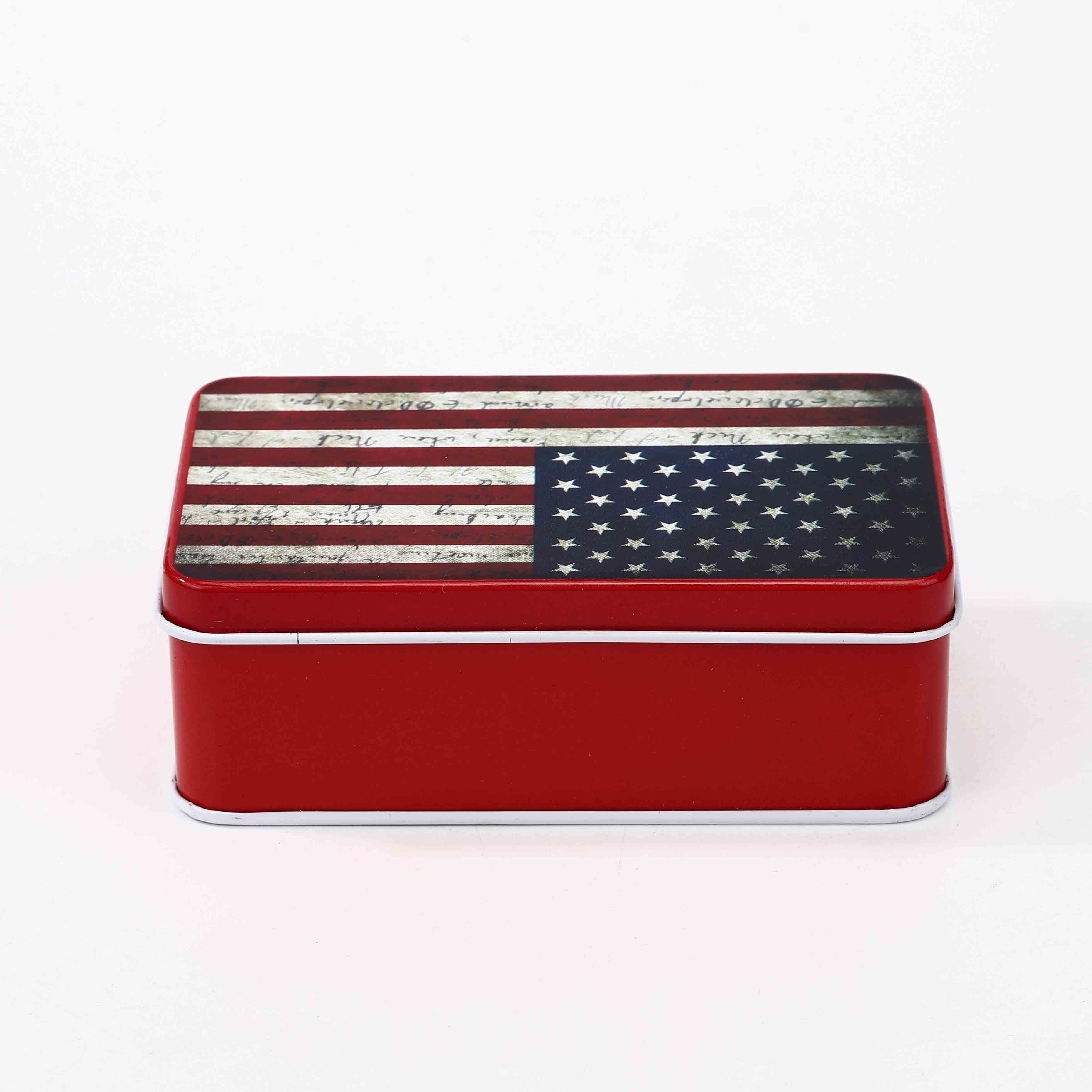
This comprehensive process ensures that each product from a leading large metal box factory meets the most demanding industrial requirements for precision, reliability, and longevity.
Technical Specifications and Material Excellence
The performance of large metal boxes is inherently linked to their technical specifications and the quality of materials used. A sophisticated large metal box manufacturer provides detailed information to ensure seamless integration and optimal functionality within complex industrial systems.
Typical Product Specifications: Rectangle White Coated Tin Box
While the exact specifications vary by custom order, a representative product like a "Rectangle White Coated Tin Box" illustrates common parameters:
| Parameter | Specification | Description |
|---|---|---|
| Material | Tin-plated Steel (e.g., SPCC grade) | Offers good strength and formability, with tin plating providing corrosion resistance. |
| Coating | White Powder Coated (RAL 9010) | Durable electrostatic powder coating for enhanced scratch resistance and aesthetic finish. |
| Dimensions (L x W x H) | Customizable; e.g., 600mm x 400mm x 300mm | Precise internal and external dimensions tailored to client specifications. |
| Sheet Thickness | 0.8mm - 2.0mm (Gauge dependent on application) | Selected to balance structural rigidity and weight. |
| Ingress Protection (IP) Rating | IP55, IP65, IP66 (Configurable) | Protection against dust and water jets, crucial for industrial environments. |
| Operating Temperature | -20°C to +80°C (Material Dependent) | Ensures reliable performance across a broad range of environmental conditions. |
| Certifications | ISO 9001:2015, RoHS Compliant | Adherence to international quality management and hazardous substance directives. |
| Service Life | 10-20+ years (dependent on environment & maintenance) | Engineered for long-term industrial deployment and minimal degradation. |
Materials and Their Advantages
- Stainless Steel (e.g., 304, 316L): Renowned for superior corrosion resistance, especially 316L in chloride environments. Ideal for food processing, pharmaceutical, and marine applications. Offers excellent strength and hygiene properties.
- Carbon Steel (Cold Rolled Steel, Galvanized Steel): Economical, high strength, and easily formable. Galvanized options provide a zinc coating for enhanced rust protection. Commonly used in general industrial enclosures, electrical cabinets, and storage.
- Aluminum Alloys (e.g., 5052, 6061): Lightweight, excellent thermal conductivity, and good corrosion resistance (especially anodized). Suitable for aerospace, portable equipment, and outdoor installations where weight is a concern.
The choice of material and coating systems directly impacts the performance characteristics, such as resistance to corrosion, abrasion, UV radiation, and chemical exposure. A knowledgeable large metal box service provider will guide clients through this selection process to optimize product longevity and cost-effectiveness.
Diverse Application Scenarios and Technical Advantages
The versatility of large metal boxes makes them indispensable across a multitude of industrial sectors. Their robust design and customizable features provide critical protection and organization for vital equipment and systems.
Target Industries and Applications:
- Petrochemical & Oil and Gas: Housing control panels, electrical distribution systems, and sensitive monitoring equipment in hazardous and corrosive environments. Boxes offer explosion-proof or intrinsically safe designs (ATEX, IECEx compliance).
- Metallurgy & Mining: Protecting heavy-duty electrical components, motor controls, and hydraulic systems from dust, abrasive particles, and extreme temperatures.
- Water Supply & Drainage: Enclosures for pump controls, filtration systems, and water quality monitoring devices, providing protection against moisture, chemicals, and outdoor elements.
- Telecommunications: Outdoor network cabinets, server enclosures, and fiber optic splice boxes, requiring high IP ratings and thermal management solutions.
- Manufacturing & Automation: Control cabinets for PLCs, HMIs, robotics, and drives. Designed for quick access, cable management, and thermal dissipation.
- Energy Sector (Renewables, Power Distribution): Battery storage enclosures, inverter cabinets, and substation control panels, demanding robust protection against weather and vandalism.
- Medical & Pharmaceutical: Stainless steel enclosures for sterile environments, housing sensitive diagnostic equipment or controlling cleanroom processes.
Typical Advantages in Application Scenarios:
- Corrosion Resistance: Utilizing stainless steel (316L) or specialized powder coatings ensures extended operational life in high-humidity, chemical-rich, or saline environments, minimizing maintenance and replacement costs. This is critical in offshore platforms or chemical plants.
- Energy Saving: Properly designed enclosures can include thermal management solutions like passive ventilation, efficient fan/filter systems, or active cooling units that optimize internal temperatures, prolonging component life and reducing energy consumption of enclosed electronics.
- EMI/RFI Shielding: Specialized enclosures offer electromagnetic interference (EMI) and radio-frequency interference (RFI) shielding, crucial for protecting sensitive electronic components from external interference and preventing emissions from internal devices.
- Physical Security & Vandalism Protection: Heavy-gauge materials, reinforced doors, and advanced locking mechanisms deter theft and vandalism, particularly for outdoor or remote installations.
- Environmental Protection: High IP/NEMA ratings protect internal components from dust, water, oil, and other contaminants, ensuring uninterrupted operation and preventing costly damage.
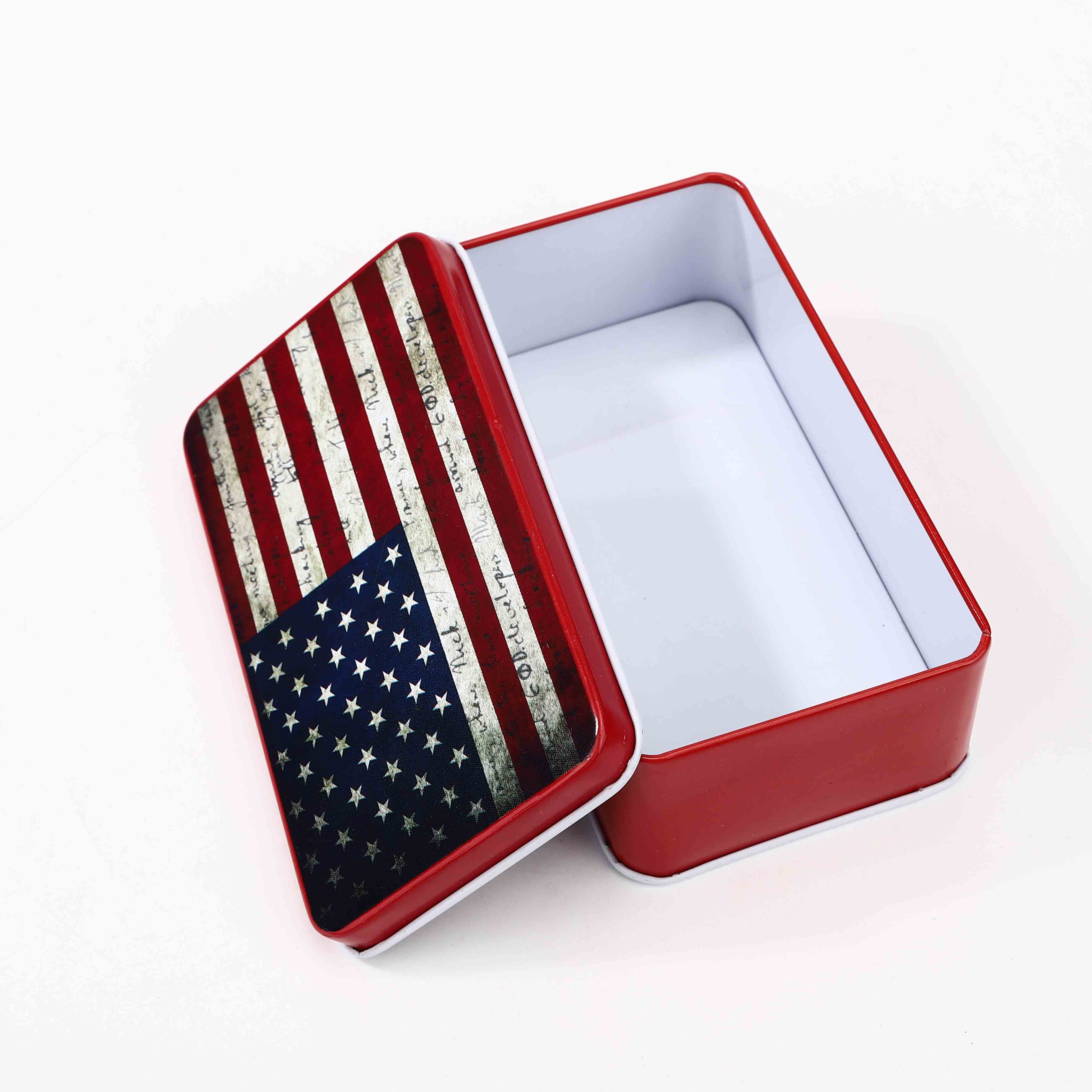
The extensive capabilities offered by a dedicated large metal box company mean that solutions are precisely engineered to meet the unique challenges and demands of each specific industry and application, delivering tangible operational benefits.
Vendor Comparison: Choosing the Right Partner
Selecting the appropriate large metal box manufacturers is a critical decision that impacts project timelines, product quality, and long-term operational costs. Key factors to consider include manufacturing capabilities, quality assurance, customization options, and after-sales support.
Key Differentiators Among Manufacturers:
| Feature | Standard Manufacturer | Advanced / Specialist Manufacturer |
|---|---|---|
| Customization | Limited modifications to standard designs; pre-set dimensions. | Full bespoke design, material, finish, cutouts, internal mounting, and accessories. |
| Material Options | Primarily common cold-rolled steel; limited stainless steel grades. | Wide range of metals (SS 304/316L, various aluminum alloys, galvanized), specialized plastics. |
| Quality & Certifications | Basic internal quality checks; possibly ISO 9001. | Comprehensive QA/QC, ISO 9001:2015, NEMA, UL, CE, RoHS, industry-specific (e.g., ATEX). |
| Precision & Tolerances | Standard industrial tolerances (e.g., ±1mm). | High precision (e.g., ±0.2mm for complex features) using advanced CNC. |
| Engineering Support | Minimal design assistance; order fulfillment only. | Dedicated engineering team, DFM (Design for Manufacturability) analysis, prototyping. |
| Lead Times | Can be variable; reliant on stock or basic production. | Streamlined production, often with expedited options for urgent projects. |
When evaluating large metal box factories, consider their track record, client testimonials, and the breadth of their portfolio. A partner with deep industry experience and a commitment to innovation can significantly enhance project outcomes and provide a competitive edge. It's advisable to request detailed `large metal box quotes` and review their `large metal box pricelist` in conjunction with their technical capabilities and customer service offerings.
Customized Solutions and Application Case Studies
The ability to provide tailored solutions is a hallmark of premier large metal box manufacturers. Customization extends beyond mere dimensions to encompass specialized features, environmental ratings, and integrated functionalities, directly addressing unique client challenges.
Tailored Customization Options:
- Material & Gauge Selection: Optimizing material for specific environmental challenges (e.g., marine-grade aluminum, anti-magnetic alloys).
- Internal Mounting & Layout: Pre-punched patterns for DIN rails, backplates, cable management systems, and specialized component mounting brackets.
- Door & Access Configurations: Single or double doors, hinged or removable, quarter-turn latches, multi-point locking systems, viewing windows, and integrated keypads.
- Thermal Management: Louvers, vents with filters, integrated fans, heat exchangers, or air conditioning units to maintain optimal internal temperatures.
- Custom Cutouts & Penetrations: Precision cutouts for connectors, HMI displays, conduit entry, and external controls.
- Specialized Coatings: Anti-graffiti, anti-microbial, conductive, or highly abrasive-resistant coatings.
- Color Matching & Branding: Powder coating to specific RAL or Pantone colors, screen printing, or laser etching for branding and labeling.
- Environmental Enhancements: Seismic bracing, vibration dampening, and acoustic insulation.
Application Case Study 1: Remote Telecommunications Enclosure
Client: Major Telecom Infrastructure Provider
Challenge: Deploying sensitive network equipment in remote, unmonitored locations exposed to extreme weather, requiring robust physical security and effective thermal management without grid power.
Solution: A custom-designed 316L stainless steel enclosure (IP66 rated) with integrated passive cooling fins, a solar-powered ventilation system, and a multi-point vandal-resistant locking mechanism. The enclosure also featured pre-installed fiber optic splice trays and battery compartments. This solution minimized maintenance visits and ensured high uptime for critical infrastructure.
Application Case Study 2: Industrial Control Panel for Food Processing
Client: Large-scale Food Production Facility
Challenge: Housing PLC and motor control components in an environment requiring frequent high-pressure washdowns and strict hygiene standards, preventing ingress of water, steam, and cleaning agents.
Solution: Fabricated a series of custom 304 stainless steel enclosures with a sloped top to prevent water pooling, continuous seam welds, and food-grade silicone gaskets for an IP69K rating. The interiors featured polished surfaces and removable mounting plates for easy cleaning and maintenance, complying with FDA and HACCP guidelines. This provided a hygienic, durable solution that withstood daily rigorous cleaning cycles.
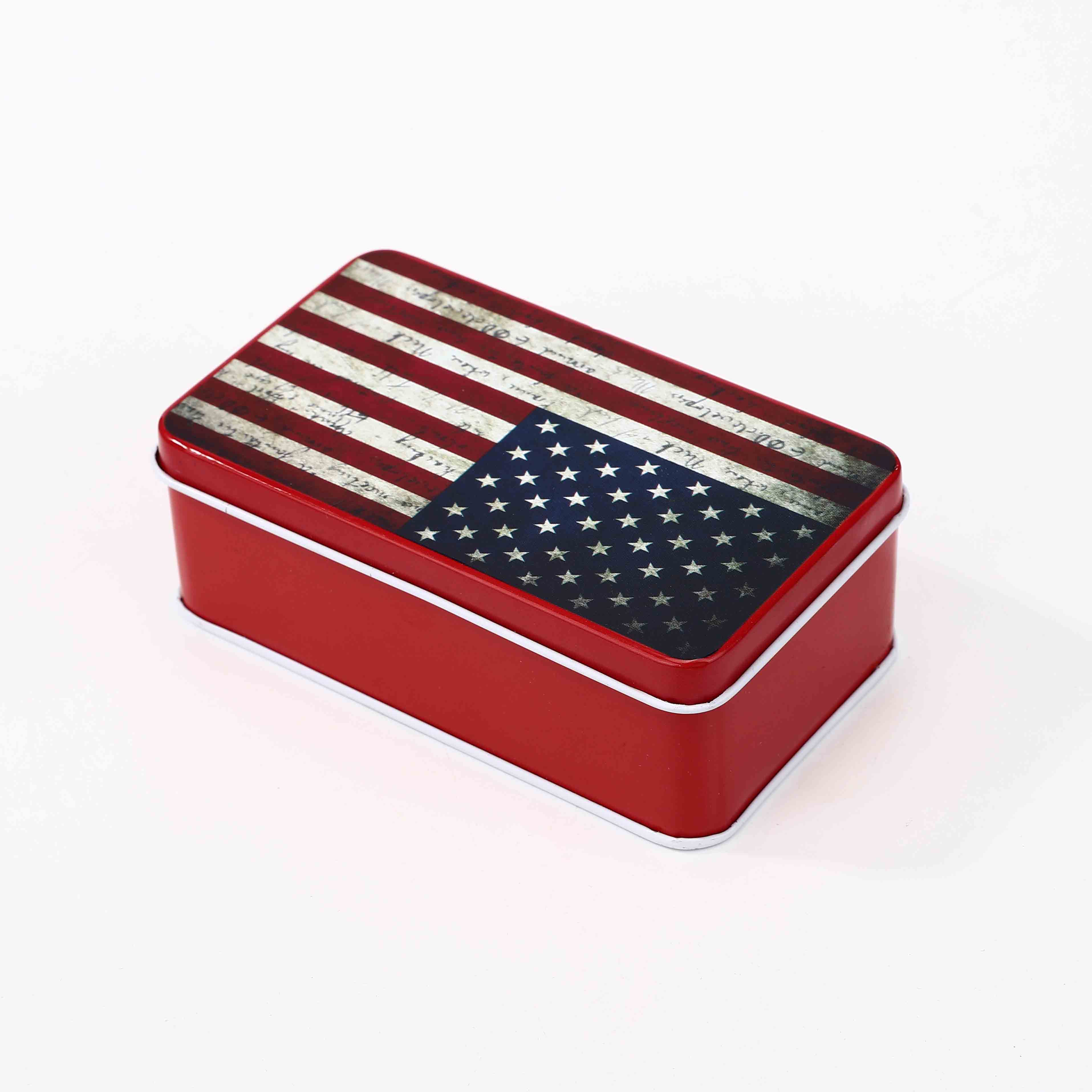
These case studies illustrate how expert large metal box product development and tailored solutions deliver significant operational benefits, reduce risks, and extend the lifespan of critical industrial assets.
Frequently Asked Questions (FAQ)
Q1: What is the typical lead time for custom large metal boxes?
A: Lead times for custom large metal boxes vary based on complexity, material availability, and order volume. For standard configurations with minor modifications, production can be 3-5 weeks. Fully custom designs requiring extensive engineering and prototyping might range from 8-12 weeks. We strive to provide accurate lead time estimates with every large metal box quotes and project plan.
Q2: What kind of warranty do you offer on your large metal box products?
A: Our large metal box products typically come with a standard 1-3 year warranty covering manufacturing defects in materials and workmanship. Extended warranty options are available for specific applications or high-volume orders, demonstrating our commitment as a reliable large metal box manufacturer. Details are provided with each specific product or project proposal.
Q3: Can you assist with the design and engineering of specialized enclosures?
A: Absolutely. As expert large metal box manufacturers, we offer comprehensive engineering support, including DFM (Design for Manufacturability) analysis, 3D CAD modeling, FEA (Finite Element Analysis), and prototyping services. Our team works closely with clients from concept to final product to ensure optimal performance and cost-efficiency.
Q4: What certifications do your products and manufacturing processes adhere to?
A: We adhere to strict international quality and environmental standards. Our facilities are ISO 9001:2015 certified, ensuring robust quality management. Our products can meet various industry-specific certifications, including NEMA, UL, CE, RoHS, and ATEX/IECEx for hazardous environments, depending on the application and client requirements.
Logistics, Warranty, and After-Sales Support
Beyond manufacturing excellence, the comprehensive service offered by top-tier large metal box manufacturers includes robust logistics, transparent warranty policies, and dedicated after-sales support, crucial for long-term operational success.
Lead Time & Fulfillment
Our commitment to efficient supply chain management ensures predictable lead times. For repeat orders of standard large metal box products, lead times can be as short as 2-3 weeks. Custom or complex projects typically range from 6-10 weeks, including design, prototyping, and production phases. We utilize advanced ERP systems to track orders and provide real-time updates. Global shipping capabilities are supported by partnerships with reputable logistics providers, ensuring timely and secure delivery to your specified location, whether domestic or international.
Warranty Commitments
All our products are backed by a comprehensive warranty, typically ranging from 1 to 5 years, depending on the product type and application. This warranty covers defects in materials and workmanship under normal operating conditions. Our focus on quality control and adherence to international manufacturing standards (ISO 9001:2015) minimizes issues, but in the unlikely event of a defect, our claims process is streamlined and responsive. We stand by the durability and reliability of every large metal box we produce.
Customer Support & Technical Assistance
Our dedication to client satisfaction extends well beyond product delivery. We provide comprehensive after-sales support, including technical assistance for installation, maintenance guidance, and troubleshooting. Our experienced support team is accessible via phone, email, and a dedicated online portal. For complex deployments, on-site technical support can be arranged. We also offer spare parts and replacement components to ensure the continuous operation and longevity of your industrial enclosures. Our goal is to be a long-term strategic partner, offering reliable `large metal box service` and support throughout the entire product lifecycle.
References
- ISO 9001:2015 - Quality management systems — Requirements. International Organization for Standardization.
- IEC 60529: Degrees of protection provided by enclosures (IP Code). International Electrotechnical Commission.
- NEMA Standards Publication 250 - Enclosures for Electrical Equipment (1000 Volts Maximum). National Electrical Manufacturers Association.
- ASTM B117 - Standard Practice for Operating Salt Spray (Fog) Apparatus. ASTM International.
- Mordor Intelligence. Industrial Enclosures Market - Growth, Trends, COVID-19 Impact, and Forecasts (2023-2028).
- UL 50 - Enclosures for Electrical Equipment, Non-Environmental Considerations. Underwriters Laboratories.
-
Discover the Best 5 Quart Metal Bucket – Durable, Practical & Versatile
NewsDec.03,2025
-
Buy Quality Best Tin Jars Wholesale: Durable, Sustainable, Cost-Effective Packaging
NewsDec.03,2025
-
The Best Tin Serving Tray: Durable, Sustainable, and Globally Trusted Options
NewsDec.03,2025
-
The Vital Role and Benefits of Tin Boxes in Global Packaging Markets
NewsDec.02,2025
-
The Practical Benefits and Global Impact of the Bucket on Wheels
NewsDec.02,2025
-
Comprehensive Guide to Paint on Tin Can: Industry Insights & Global Impact
NewsDec.02,2025